














Summary:
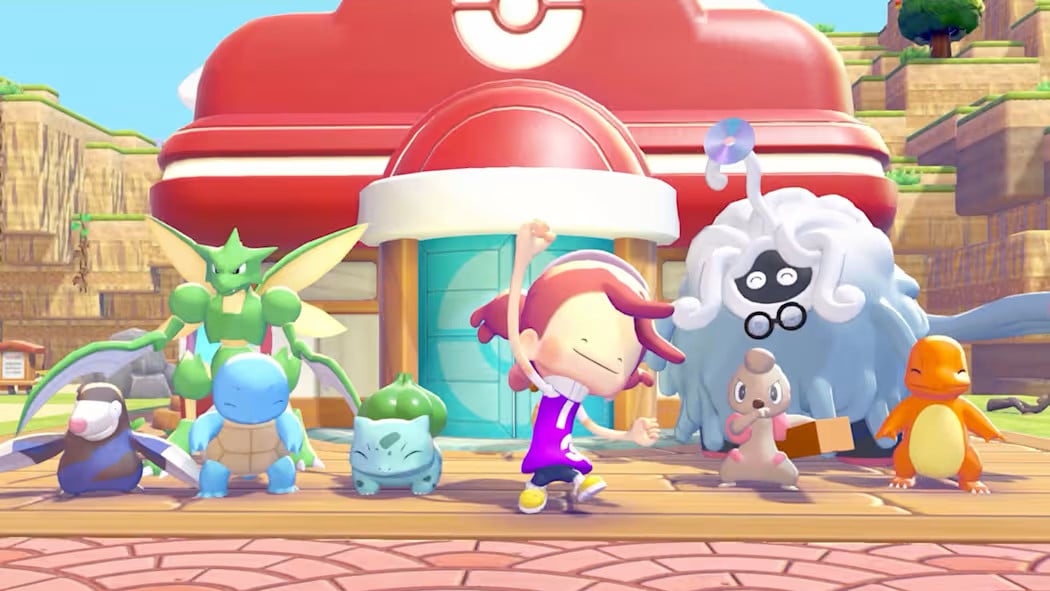
Pokémon Pokopia arrived on Switch 2 recently and quickly gave players a huge roster to look through, befriend, and build around. The base game includes 300 Pokémon, with even more already starting to appear through free updates. That number alone makes the roster one of the most interesting talking points surrounding the game, because it is large enough to feel generous while still selective enough to reveal a clear design philosophy. Rather than trying to squeeze in every species under the sun, Pokopia appears to focus on Pokémon that fit its cozy life-sim identity, environmental themes, and relaxed town-building loop.
Generation I leads the way by a wide margin with 101 Pokémon in the base game. That gives the roster an instant sense of familiarity, and it also makes practical sense because so many Kanto Pokémon are instantly recognizable. Generation VII sits at the other end with just 7 Pokémon, showing that not every era received equal attention. In between those extremes, the roster spreads its attention across several generations, blending starters, fan favorites, evolutions, mythical creatures, and utility-friendly monsters that feel right at home in a slower, more social Pokémon experience.
There is also a noticeable pattern in how families are represented. Many evolutionary lines appear in full, which makes the roster feel more complete and satisfying even without covering every generation equally. Additions such as Hoppip, Skiploom, and Jumpluff through a free update suggest that the game will keep growing over time, which keeps the Pokédex conversation fresh. For players trying to understand what Pokopia is doing with its Pokémon selection, the full list tells a very clear story: this is a roster built around comfort, recognizability, charm, and long-term room to expand.
The Full Pokémon Pokopia roster
Pokémon Pokopia gives players a large mix of creatures pulled from across the history of the series, and that alone makes its roster worth a close look. When a new Pokémon release lands, one of the first things players want to know is simple – who made the cut? That question matters even more here because Pokopia is not built like a traditional mainline entry. It leans into a softer, more relaxed identity, so the available Pokémon help define the mood of the entire experience. With 300 Pokémon in the base game and a few more already arriving through a free update, the selection feels carefully chosen rather than randomly assembled. You can see familiar starters, iconic legends, beloved oddballs, and several evolutionary families that give the lineup a nice sense of continuity. It feels a bit like opening a toy chest packed by someone who knew exactly which classics to keep on top.
Why the Pokédex matters in Pokémon Pokopia
The Pokédex in Pokémon Pokopia is more than a checklist for completion-minded players. It acts as a snapshot of the game’s identity. A lineup this specific says a lot about what kind of experience the developers wanted to build. Heavy representation from certain generations suggests a strong push toward familiarity and broad appeal, while lighter representation from others creates room for future updates and conversation within the community. Players will naturally compare favorites, notice gaps, and start imagining which Pokémon deserve to arrive next. That kind of discussion is part of the fun. A good roster does not only fill space – it creates personality. In Pokopia, that personality feels warm, nostalgic, and intentionally approachable. The list is big enough to keep discovery exciting, but focused enough that it still feels curated rather than bloated. That balance is harder to hit than it sounds, and Pokopia gets plenty of mileage out of it.
Generation I dominates the base game lineup
If there is one thing that jumps off the page immediately, it is how much Generation I owns this roster. The base game includes 101 Generation I Pokémon, which makes Kanto the clear heavyweight by a mile. That decision is easy to understand. Generation I creatures remain the face of the brand for many players, and they bring instant recognition whether you are a longtime fan or someone just stepping into Pokopia out of curiosity. The list is loaded with stars such as Pikachu, Eevee, Snorlax, Lapras, the legendary birds, and Mewtwo, but it also goes deeper with families like Oddish, Bellsprout, Geodude, and Gastly. That helps the generation feel genuinely present rather than tokenized. It is not just a greatest-hits album. It feels more like the developers opened the Kanto scrapbook, smiled, and decided to bring a very big chunk of it along for the ride.
The free update additions and what they signal
The first free update adds Hoppip, Skiploom, and Jumpluff, and even though that is a small batch, it still matters. Early additions tell players two things. First, the roster is not locked in stone. Second, the developers seem interested in expanding the world in manageable steps rather than dumping in a flood of new names all at once. The Jumpluff line also fits Pokopia’s softer tone nicely. These are cheerful, breezy Pokémon that match the game’s relaxed atmosphere and natural style. That makes the update feel thematic instead of random. It is a small move, sure, but small moves can say a lot. Think of it like seasoning in a recipe. You do not need to empty the whole spice rack to change the flavor. If future updates follow this pattern, players can expect additions that strengthen the overall mood of Pokopia instead of just chasing shock value.
Generation II brings familiar favorites and strong depth
Generation II lands with 44 Pokémon in the base game, which gives Johto solid presence without crowding out the rest of the roster. This group includes several fan favorites that naturally complement the heavy Kanto focus. Crobat, Pichu, Cleffa, Igglybuff, Bellossom, Politoed, Espeon, Umbreon, Scizor, Heracross, and Tyranitar all help bridge old-school nostalgia with broader series history. The inclusion of legendary names such as Raikou, Entei, Suicune, Lugia, and Ho-Oh adds more weight as well. What works especially well here is that Johto does not feel represented by only its mascots. It also contributes baby Pokémon, cross-generation evolutions, and utility picks that make the lineup feel fuller. That gives the generation texture. Instead of one loud headline, it offers several memorable notes that work together. Johto has always had a gentle charm, and that charm slips into Pokopia very naturally.
Generation III and Generation IV keep the roster balanced
Hoenn and Sinnoh help the overall lineup avoid becoming too top-heavy. Generation III brings 36 Pokémon, while Generation IV adds 34, and together they give Pokopia a healthy middle section filled with variety. Hoenn contributes starters like Torchic and Blaziken, support-style favorites like Ralts and Gardevoir, striking designs like Flygon and Absol, and a major legendary in Kyogre. Sinnoh adds Piplup and its line, fossil favorites, the Riolu and Lucario pairing, Rotom, and a strong batch of cross-generation evolutions such as Magnezone, Tangrowth, Electivire, Magmortar, and Dusknoir. This part of the roster feels like the glue between older nostalgia and newer tastes. It brings in enough recognizable names to stay inviting while also adding more shape and range. If Generation I is the front porch, Generations III and IV are the sturdy beams holding the house together.
Generation V through Generation VII show selective choices
The later middle generations are where Pokopia becomes more obviously selective. Generation V and Generation IX both sit at 23 Pokémon, Generation VI has 15, and Generation VII is the smallest group with only 7. That does not mean these eras were ignored. It means the developers seem to have handpicked lines that fit the world. Generation V includes strong evolutionary families such as Snivy, Drilbur, Timburr, Zorua, Litwick, Axew, and Larvesta. Generation VI keeps things tighter but still meaningful with Greninja, Tyrantrum, Aurorus, Sylveon, Goodra, Noivern, and Volcanion. Generation VII is clearly the lightest section, yet Rowlet, Decidueye, Vikavolt, and Mimikyu carry plenty of personality on their own. Sometimes a shorter list actually stands out more because every pick feels deliberate. It is the difference between a crowded shelf and a few figures placed exactly where your eye lands first.
Generation VIII and Generation IX add modern flavor
The newer generations help Pokopia feel current instead of purely nostalgic. Generation VIII adds 17 Pokémon and Generation IX contributes 23, bringing in a welcome dose of modern designs and newer fan favorites. From Generation VIII, the Scorbunny line, Corviknight line, Toxtricity, and Dragapult family give the roster energy and strong visual identity. Generation IX adds another modern layer with Sprigatito, Meowscarada, the Pawmi line, Fidough and Dachsbun, Charcadet and its split evolutions, the Tinkaton line, Clodsire, Farigiraf, and Gholdengo. These Pokémon help keep the game from feeling trapped in the past. They also show that Pokopia is not simply relying on old icons to carry attention. It wants a broad Pokémon identity, just with a clear preference for species that are expressive, memorable, and easy to imagine living in a more social, town-focused setting. That makes the newer picks feel earned rather than obligatory.
What the generation breakdown says about Pokopia’s design
Looking at the numbers by generation tells a clear story. Generation I leads with 101 Pokémon. After that come Generation II with 44, Generation III with 36, Generation IV with 34, Generation V with 23, Generation IX with 23, Generation VIII with 17, Generation VI with 15, and Generation VII with 7. That spread is not even, and honestly, it does not need to be. Pokopia seems built around comfort, recognizability, and broad appeal. Kanto and Johto offer the strongest nostalgia pull, while later generations bring spice and variety without overwhelming the game’s tone. The result feels like a roster shaped for atmosphere as much as for representation. Some players will absolutely wish their favorite era got more love, and that is fair. Still, from a design perspective, the roster feels intentional. It is less about checking every historical box and more about building a cast that fits the world’s personality.
Standout patterns across evolutions, icons, and fan favorites
Another interesting piece of the roster is how often full evolutionary lines appear. That matters because complete families feel satisfying in a way isolated picks often do not. You see that with the Bulbasaur, Charmander, and Squirtle lines, the Pidgey line, the Abra line, the Machop line, the Piplup line, the Snivy line, the Scorbunny line, and several others. Eevee and its evolutions also show up in a way that gives the list extra star power without feeling forced. Legendary and mythical inclusions are used carefully too. Articuno, Zapdos, Moltres, Mewtwo, Mew, Lugia, Ho-Oh, the Johto beasts, Kyogre, and Volcanion bring prestige, but they do not drown out the rest of the cast. That balance is key. A roster cannot live on mascots alone. It needs personality in the middle ranks too, and Pokopia gets that from lines like Mareep, Wooper, Lotad, Litwick, Fidough, and Tinkatink.
Why this roster gives players plenty to work with
A 300-Pokémon base game roster already gives players a lot to enjoy, and the shape of that roster makes it even more appealing. There is enough nostalgia to feel welcoming, enough modern flavor to feel relevant, and enough room left over for updates to keep the conversation moving. The biggest strength of Pokopia’s lineup is that it feels chosen with purpose. You can sense the effort to create a cast that suits the game’s tone instead of simply cramming in names for the sake of a larger number. That is why the generation imbalance does not hurt the overall result. If anything, it gives the roster more character. Players can debate who is missing, celebrate who made it in, and speculate about where updates may go next. That is exactly the kind of healthy buzz a Pokémon release wants. A strong roster does not just fill a Pokédex – it gives the world a pulse.
Conclusion
Pokémon Pokopia’s base game roster paints a very clear picture of what the game wants to be. It leans hard on familiar faces from Generation I, supports that foundation with strong picks from Generations II through IV, and then folds in later creatures to keep the world feeling fresh. The result is a Pokédex that feels warm, selective, and easy to connect with. Generation I may dominate, and Generation VII may feel lightly represented, but the overall spread still creates a satisfying mix of classics, newer favorites, complete evolution lines, and standout legends. With free updates already starting to expand the list, the roster also feels like something that can keep growing without losing its identity. For players who care about who is available and what that says about the game, Pokopia’s lineup is one of its most interesting strengths.
FAQs
- How many Pokémon are in the base game of Pokémon Pokopia?
- The base game includes 300 Pokémon. That total does not count the extra Pokémon that started arriving through free updates.
- Which generation has the most Pokémon in Pokémon Pokopia?
- Generation I has the largest share of the base roster with 101 Pokémon, making it the most represented generation by a wide margin.
- Which generation has the fewest Pokémon in Pokémon Pokopia?
- Generation VII has the fewest Pokémon in the base game lineup, with 7 species included.
- What Pokémon were added in the first free update?
- The first free update added Hoppip, Skiploom, and Jumpluff, expanding the roster beyond the 300 Pokémon found in the base game.
- Why does the Pokopia roster feel so focused on older Pokémon?
- The lineup strongly favors early generations, especially Generation I, which gives the game a familiar and welcoming feel while still leaving space for newer Pokémon and future additions.
Sources
- Shape the world and build a cozy new life in Pokémon Pokopia, available now!, Nintendo, March 5, 2026
- Pokémon Pokopia Is Available Now on Nintendo Switch 2, Pokémon, March 5, 2026
- Join the Developers of Pokémon Pokopia for an Island Tour, Pokémon, March 3, 2026
- Pokémon Pokopia: Complete Pokédex, All Pokémon Habitats, Nintendo Life, March 13, 2026