














Summary:
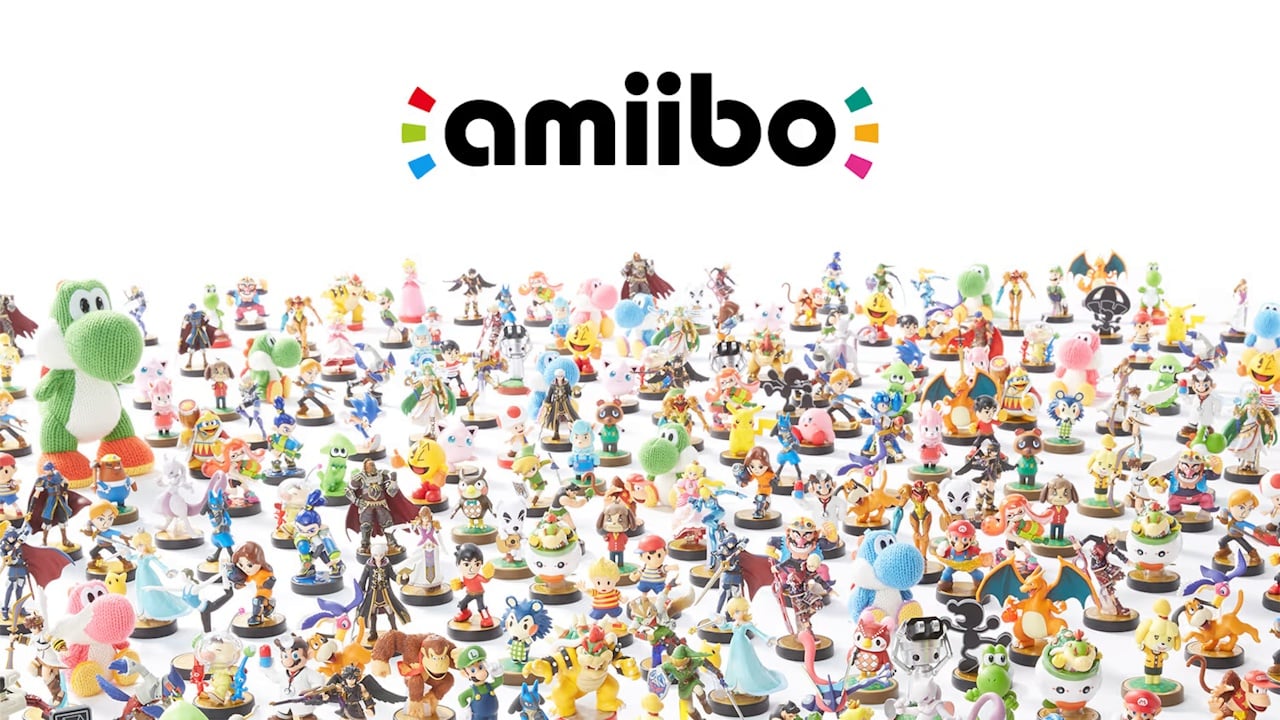
amiibo are in a funny place right now. We can celebrate that they’ve outlasted most toys-to-life trends, yet we can’t ignore that the buying experience has changed dramatically. What started as a relatively affordable “nice-to-have” has drifted toward premium collectibles, with higher MSRPs, bigger builds, and a stronger focus on display value. That shift affects everyone differently. If you’re the type who buys one figure because you love a character, the new direction can feel like an upgrade: better sculpting, heavier presence on the shelf, and releases timed to big games or big moments. If you’re the type who treats amiibo like a hobby you actively play with, higher prices can feel like a door slowly closing.
We also see a split in how games use amiibo. Some titles treat scanning as a small perk, almost like a polite nod, while others turn it into a playful system that changes how you engage. That’s where the tension lives. If the reward is too good, people call it a paywall. If it’s too small, people ask why the figure exists beyond looking cool. The most satisfying middle ground is when amiibo add a new way to play rather than handing out power. In this premium era, that balance matters even more, because every purchase asks a bigger question: are we buying for gameplay, for collecting, or for both?
amiibo have hit a weird moment: celebrated, then priced out
amiibo can be two things at once: a long-running success story and a line that feels harder to justify with each new price tag. Hitting a decade in the market is a real flex for anything in the toys-to-life space, especially when so many similar ideas burned bright and vanished. But longevity doesn’t automatically mean the everyday experience is easier for fans. The early pitch was simple: a figure that looks nice on your desk, plus a small in-game bonus if you feel like tapping it in. That deal felt friendly when the entry cost was low. The moment the same habit starts asking for double the money, people don’t just “collect less” – they rethink the entire point of collecting.
From affordable add-on to premium collectible
The original appeal was that amiibo sat in the sweet spot between impulse buy and hobby. You could grab one character you love, scan it once or twice, and still feel like you got something fun out of it. The newer pricing reality shifts the psychology. Now a single figure can compete with a game purchase, which changes how people talk about value. It’s no longer “should we pick up a little extra?” It’s “is this the one we really want?” That sounds small, but it rewires the whole ecosystem. It also turns the casual crowd into window shoppers. When older figures rise in price without a meaningful change in what they are, it’s not just inflation fatigue – it’s the feeling of paying more for the same handshake.
Why the new figures feel physically different
If Nintendo’s current direction has a headline, it’s this: the figures are trying harder, and they’re doing it on purpose. The newer wave leans into larger silhouettes, chunkier bases, and sculpting that reads more like a display piece than a small accessory. You notice it immediately when a figure takes up real shelf space instead of blending into a row. That shift can be genuinely exciting if you love the physical side of collecting. It can also be frustrating if you loved amiibo because they were approachable. Bigger, more detailed builds are a real upgrade, but they also make every purchase feel more “serious.” Not everyone wants serious when the original vibe was playful.
Metroid Prime 4: Beyond and the “statue” approach
Metroid-themed releases are a great example of how Nintendo is leaning into “this should look premium even if you never scan it.” The presentation and framing matter here. A larger base, extra environmental detailing, and a pose that feels like a snapshot from a big moment all signal the same thing: this is meant to be displayed. That’s a strong move for collectors who treat amiibo like mini statues. It’s also a clear sign that the “affordable add-on” era is fading. When a figure is built like a centerpiece, the price conversation changes from “that’s steep” to “that tracks,” even if you still don’t love it. The risk, of course, is that the line becomes less welcoming to anyone who used to buy multiple figures for play patterns and experimentation.
Super Mario Galaxy figures and the “late bonus” problem
Mario releases often face a different challenge: the audience is huge, but the gameplay rewards can feel awkward if the timing doesn’t match how people actually play. If an amiibo arrives well after the game, a small bonus can land with a shrug because many players have already rolled credits, collected most of what they care about, and moved on. A life-up style reward is cute, but it’s not exactly a “drop everything and scan” moment months later. That puts extra pressure on the physical product to carry the purchase by itself. In other words, the figure has to win hearts as a collectible first, because the in-game value may be more of a novelty than a meaningful system.
Kirby Air Riders shows what modern amiibo can still do
Every now and then, a game shows the version of amiibo support people have been asking for: not just items, not just cosmetics, but a mechanic that nudges you into playing differently. That’s where Kirby Air Riders stands out. Instead of treating the scan like a tiny vending machine, it treats it like a modular idea. The concept of pairing a character with a vehicle, then translating that relationship into play, is the kind of “toy meets game” design that made amiibo feel special in the first place. It also proves something important: amiibo support can still be creative when a team commits to it. The catch is that creativity is easier to celebrate than to afford.
Rider and vehicle swapping makes the toy part matter again
The most charming part of a rider-and-vehicle setup is that the physical interaction mirrors the gameplay fantasy. Swapping parts in real life and seeing a different outcome in the game scratches the same itch as customizing a kart or building a loadout. It gives the figure a reason to exist beyond looking nice. It also gives you something to talk about with friends: “Try this combo,” “See how this handles,” “This pairing feels broken,” or “This one’s hilarious.” That social energy is what kept certain amiibo scenes alive in the past. The problem is simple and brutal: if the buy-in is too high, fewer people can join the conversation, and a system that should feel communal becomes niche by default.
Why this design beats simple unlocks
Simple unlocks are easy to understand, but they tend to age poorly. Once you’ve unlocked the item, the relationship ends. A modular system stays interesting because it invites tinkering. It’s the difference between receiving a key and receiving a toolbox. That’s why designs like trainable fighters or customizable “figure player” style systems stick in people’s memories. They create stories: the figure you trained, the weird strategy you discovered, the upset win in a friendly tournament, the rival who kept countering your build. If amiibo are going to cost more, systems that generate repeat play are the most honest way to justify it. Otherwise, you’re paying premium prices for a one-time scan and a brief grin.
The metagame problem: when price changes who participates
There’s a hidden side effect to rising amiibo prices that doesn’t get talked about enough: it reshapes the community layer. When figures were closer to “grab one and mess around,” people experimented more. That experimentation leads to metas, challenges, tournaments, and all the goofy homegrown traditions that turn a feature into a culture. Once a figure starts costing as much as a large accessory purchase, the casual experimenter disappears. You’re left with dedicated collectors and the most committed players, which can be fun, but it’s a narrower funnel. In practice, that means fewer shared discoveries and fewer “everyone’s trying this” moments. The feature might be better designed than ever, yet feel quieter because fewer people can afford to play along.
Gameplay rewards vs paywall complaints: the no-win triangle
Nintendo has been stuck in a triangle for years, and higher prices tighten the corners. If an amiibo unlocks something genuinely exciting, people argue it should be available through normal play, because locking cool features behind an expensive figure feels rough. If the reward is minor, people argue the figure is pointless unless you’re collecting purely for display. Both complaints can be fair at the same time, which is why this is such a tough needle to thread. The sweet spot is when amiibo add a new angle instead of a strict advantage: alternate modes, playful challenges, customization that feels expressive rather than powerful. That’s also why trainable systems are remembered so fondly. They don’t just hand you a prize – they hand you a new hobby inside the game.
Collector reality check: liking the character matters more than ever
In the premium era, the simplest truth becomes the most important one: character love is the real currency. When prices rise, impulse buys shrink, and “maybe I’ll grab this too” turns into “do I care enough to pay this much?” That’s not a knock on collectors – it’s just how budgets work. It also explains why some releases vanish quickly while others sit around longer. A high-quality figure of a fan-favorite character can still move fast, because it hits the emotional part of collecting. A similarly priced figure of a character people feel lukewarm about can stall, even if it’s beautifully made. If you’re deciding what’s worth it, that’s a helpful filter: if you wouldn’t be happy displaying it even with zero scanning features, it probably isn’t the purchase to make at premium pricing.
What shelves and sales tell us about demand
Retail behavior can be a loud signal, because it shows what happens after the hype cycle ends. When certain high-priced figures get discounted by major retailers, it usually suggests the initial pricing didn’t match how quickly the audience was willing to buy. That doesn’t mean amiibo are “dead.” It means demand has become pickier. People still show up, but they choose their moments. They wait for deals, they prioritize favorites, and they skip anything that feels like a “nice but not necessary” release. At the same time, sell-outs still happen for the right characters and the right timing, which proves the audience hasn’t vanished. It’s just behaving more like a collector market and less like a mass impulse market.
How to buy amiibo without feeling like you got fleeced
If you still like amiibo but hate the idea of overpaying, a smarter approach is to treat purchases like a playlist, not a checklist. Pick the figures you truly want to display, then treat gameplay bonuses as a bonus, not the main justification. Watch for retailer discounts and seasonal promos, because the market has shown that not every high MSRP holds steady. If a figure is tied to a game you’ll play for months, buying near launch can make sense, because you’ll actually use the feature while you’re invested. If the in-game reward is minor and the release arrives later, waiting becomes easier, because you’re not losing much by scanning after the honeymoon phase. Most of all, give yourself permission to skip. Premium pricing turns “own them all” into a stress test. Collecting is supposed to feel fun, not like paying a toll every time Nintendo drops a new wave.
Conclusion
amiibo are still worth buying for some people, but the reason has shifted. The old pitch was value through accessibility. The new pitch is value through physical quality and character appeal. If you’re buying for gameplay alone, higher prices make that math harder unless the game offers a system that stays fun over time, like training, customization, or modular interactions. If you’re buying because you genuinely want the figure on your shelf, the premium approach can feel like Nintendo finally leaning into what collectors always wanted. The healthiest way forward is choosing what you love, waiting when timing makes the rewards feel pointless, and letting sales do some of the heavy lifting. That way, amiibo stay a joy instead of becoming a luxury tax on fandom.
FAQs
- Are amiibo still worth buying at $30 or more?
- They can be, but it depends on why you’re buying. If you mainly want a display-quality figure of a favorite character, premium pricing can still feel fair. If you’re buying purely for in-game rewards, it’s usually only worth it when the game supports repeatable systems that stay fun beyond a one-time scan.
- Why do some expensive amiibo sell out while others get discounted?
- Demand has become more selective. Fan-favorite characters and figures that look especially impressive tend to move quickly, while characters with less pull can sit longer. Retail discounts often show that the audience is willing to buy, just not always at the initial MSRP.
- What kind of amiibo support feels best in modern games?
- The best support adds a new way to play rather than just handing out items. Systems like training, customization, or modular interactions create ongoing value and keep the scanning feature relevant for longer than a single unlock.
- Is it smarter to buy amiibo at launch or wait for sales?
- Buy at launch when a figure is tied to a game you’ll actively play for months and the feature matters during that window. Wait when the reward is small, the release timing is late, or you’re only mildly interested in the character. Sales can make premium pricing feel far more reasonable.
- Would amiibo cards be a better option for some players?
- For gameplay-focused players, cards can be a cheaper way to access scanning features. For collectors, figures offer the shelf value that cards can’t match. A mixed approach would let more people participate without forcing everyone into premium figure pricing.
Sources
- amiibo – My Nintendo Store, Nintendo, March 2026
- Here’s Every New amiibo Nintendo Revealed During Today’s Direct, Game Informer, September 12, 2025
- Nintendo Direct September 2025: Every Announcement, Nintendo Life, September 12, 2025
- Nintendo’s new amiibo might be getting a price hike, The Verge, April 2025
- Nintendo’s new approach to amiibo, Nintendo Everything, March 2026