














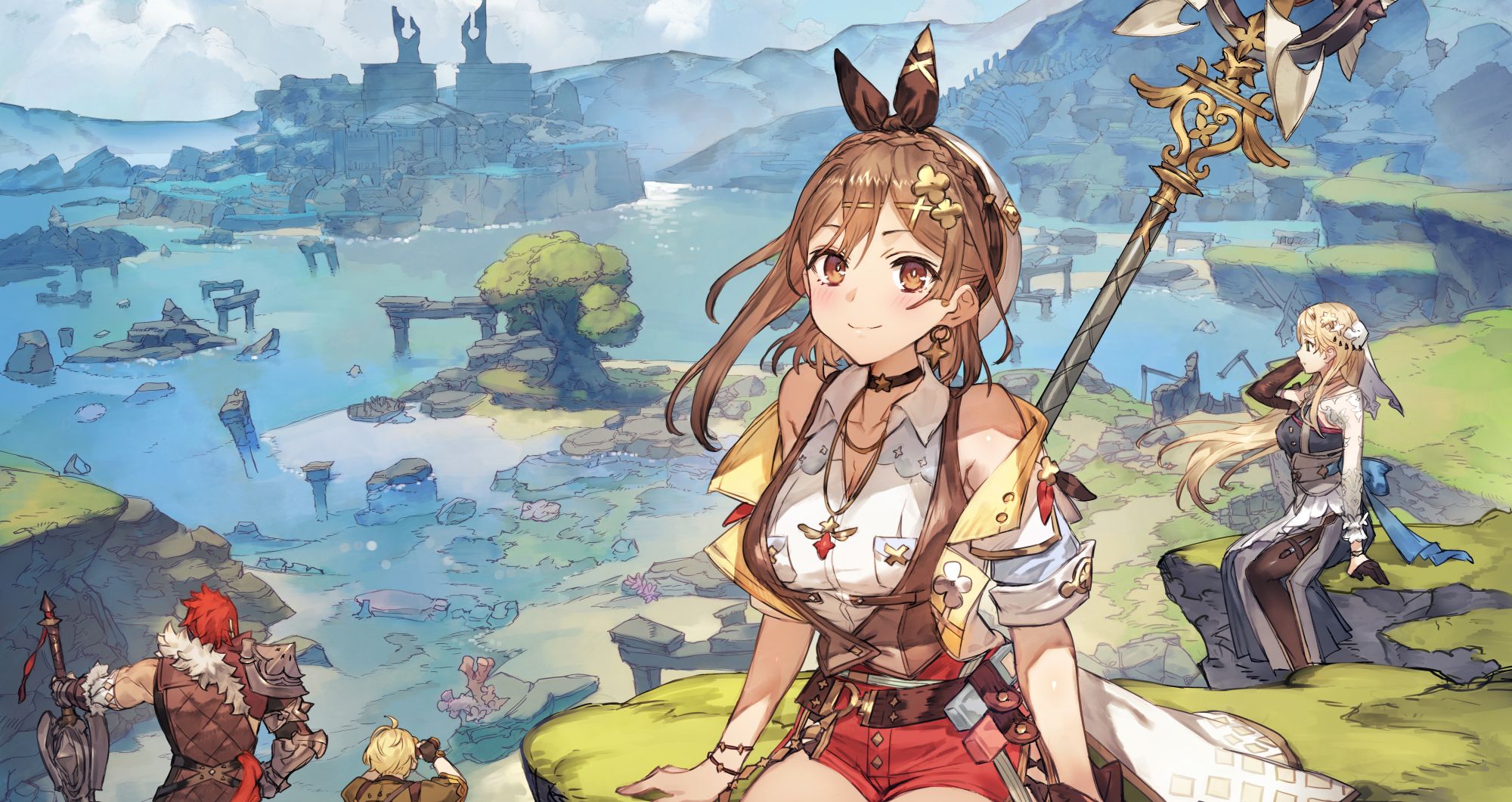
Summary:
The Atelier series once hovered on the edge of uncertainty, fueled by mounting pressure on Gust and its dedicated producer, Junzo Hosoi. With Atelier Ryza: Ever Darkness & the Secret Hideout, the studio found itself at a crucial crossroads. Failure would have meant an abrupt finale for these treasured alchemical tales. Yet through fresh character designs, immersive storytelling, and a deeply personal approach to world-building, Ryza soared to unprecedented heights. We examine how this bold release recharged an entire franchise, touching on the secrets behind its success and the profound relief felt by those on the development team. We also delve into the growing excitement for Atelier Yumia: The Alchemist of Memories & the Envisioned Land, a title poised to take the series into uncharted territory. As we explore the creative vision that propelled Atelier Ryza into the spotlight, we encounter moments of vulnerability, humor, and triumph that echo across the Gust studios. Ultimately, this is a story about taking risks, believing in a beloved franchise, and forging a new path when all odds seem stacked against you. By spotlighting the personal passions that fueled this journey, we reveal how the Atelier universe continues to surprise and captivate fans around the globe.
The Rise of Atelier: A Franchise on the Edge
When Atelier Ryza: Ever Darkness & the Secret Hideout entered development, no one at Gust took success for granted. The series had built a faithful fan base over the years, thanks to its unique alchemy systems and whimsical storytelling. Yet the future felt uncertain. Sales figures for previous installments were not always steady, and the competition in the JRPG landscape was fierce. Gust quietly wondered if this beloved franchise had run its course. You can almost picture the creative team pacing around the studio, hearts in throats, juggling ideas to keep this fantasy world vibrant. Rumors buzzed about how everything rode on Ryza’s performance. Some even whispered, “If this doesn’t work, say goodbye to Atelier.” That looming threat cast a shadow, but sometimes, facing the edge sparks the greatest determination. People gathered to brainstorm new mechanics and fresh angles, aiming to brew something the community couldn’t resist. In many ways, it was about respecting Atelier’s legacy while daring to break the mold. The team recognized that carrying on as usual wasn’t an option—this game needed to capture imaginations in a way previous entries had only hinted at. And so began the journey to create a masterpiece that would rally fans old and new.
Who Is Junzo Hosoi?
Junzo Hosoi stepped into the producer role at Gust with a sense of awe for the studio’s iconic series. As a leader, he was no stranger to taking on daunting tasks, but Atelier Ryza posed a unique hurdle. Beyond simply managing a project, he bore the weight of an entire franchise’s fate. To the team, Hosoi wasn’t just a decision-maker—he was a mentor, confidant, and relentless champion for their collective vision. While others might have balked under such pressure, he tackled it head-on, blending hope with a pragmatic understanding of the stakes. He saw the fierce loyalty of fans and wanted to reward that devotion with something truly extraordinary. Of course, you can imagine the restless nights and swirling anxieties, wondering how the final product would be received. Yet Hosoi’s passion for storytelling and character-driven design kept him motivated. He believed in weaving personal growth into each protagonist, ensuring that every new game offered more than just recycled tropes. His leadership style was one of empowerment—encouraging the team to share bold ideas and explore uncharted territory. By doing so, he sparked a creative energy that would redefine Atelier forever, taking an almost-forgotten series and breathing new life into its alchemical roots.
A Visionary at the Helm
For many fans, Hosoi’s introduction as producer felt like a beacon of hope. He was known for bridging gaps between creators, translators, and fans, making sure everyone was heard. In production meetings, he often threw out imaginative “what if?” scenarios, pushing the boundaries of typical JRPG formulas. He believed that the best ideas come when you allow room for experimentation and even occasional failure. Those who worked under him recognized his ability to blend professional rigor with genuine human connection. Enthusiasm radiated in each discussion, whether it was about storyline arcs or tiny menu details. This elevated the series from just another role-playing game to something that spoke personally to players around the globe.
The Pressure Behind Atelier Ryza
When we talk about “pressure,” we’re not just referencing nerves before a big release day. For Atelier Ryza, the stakes soared so high, it felt like a pivotal do-or-die moment. The entire Gust team stood united in anxious anticipation, their creative fates hanging on Ryza’s success. Imagine an artist pouring their soul into a canvas, only to have critics declare whether their future artistry is even worth pursuing. That was the vibe coursing through every design meeting, every brainstorming session, and every late-night test run. The possibility that an entire franchise could be shelved if sales didn’t meet certain benchmarks sparked equal parts fear and motivation. Some employees confided in each other that they had never before experienced such tension on a project. But instead of being paralyzed by it, they channeled the adrenaline into pushing boundaries—refining everything from the combat mechanics to the main character’s design. Why hold back if the worst scenario loomed anyway? Fortunately, that risk-taking spirit injected fresh excitement into the game’s narrative and systems. Those who witnessed the behind-the-scenes environment often speak of an odd mix of dread and euphoria: dread at the possibility of failure, euphoria at the thrill of trying something new and audacious. Looking back, you can see how that atmosphere bred the determination that ultimately propelled Ryza to triumph.
Overcoming Fears: How Ryza Became a Success
When Atelier Ryza finally hit store shelves, the response was electric. Players raved about the more immersive approach to alchemy, the visually striking environments, and the relatable cast. The heart of the game lies in its sunny protagonist, Reisalin Stout—affectionately known as Ryza—whose curiosity and earnest spirit resonated with fans worldwide. Gone were the days of overly formulaic plots; here was a story that tackled coming-of-age themes and personal growth in a fresh, heartfelt way. It’s almost like Gust found a magical recipe, stirring together youthful energy, genuine friendship, and a dash of whimsy. And that recipe didn’t just taste good; it fed the entire series with newfound relevance. Initial sales outperformed expectations, swiftly giving the Gust team a well-deserved sigh of relief. As word spread, more people hopped on board, even some who had never played an Atelier game before. Suddenly, the phrase “franchise on the edge” transformed into “series on the rise.” The naysayers who once doubted the viability of another Atelier installment were proven wrong. For the developers, each tweet from a satisfied player or each glowing review felt like a victory lap around the office, affirming that their sleepless nights and leaps of faith had all been worth it.
A Fresh Take on Alchemy
One of the standout aspects of Atelier Ryza was its reinvention of alchemy mechanics. Instead of complex, inaccessible systems, Gust introduced a more approachable framework that invited experimentation without scaring newcomers. Crafting turned into a puzzle of possibilities, encouraging players to tinker with recipes and see what curious concoctions they could create. This not only streamlined the process but also made it engaging in a way older entries struggled to achieve. Fans loved how they could dive deep into item creation or simply whip up a quick potion, all while feeling like they truly understood the alchemical process. This balance between accessibility and depth became a hallmark feature, ensuring both series veterans and curious newcomers found common ground in Ryza’s workshop.
The Impact of Atelier Ryza’s Triumph
Success doesn’t happen in a vacuum. Once Ryza started topping sales charts and generating excitement, the ripple effects reached far beyond Gust’s office walls. Investors, who might have been lukewarm or hesitant to sink more money into the series, now saw clear potential. Retailers clamored for more copies, streaming influencers showcased hours of gameplay, and fan communities buzzed with theories, fan art, and in-depth discussions about alchemical strategies. All of a sudden, Atelier wasn’t just an underdog niche; it was forging a brighter presence in the mainstream JRPG scene. The game’s vibrant tone invited players from every corner of the globe, bridging gaps across language barriers. Gust realized it had struck gold in weaving relatable adolescence themes into a fantastical landscape. This approach didn’t just boost sales—it expanded the Atelier family tree. Spinoffs, merchandise, and cross-promotions became viable opportunities, each fueled by the unstoppable momentum of Ryza’s success. Such traction confirmed that risk-taking and modernization were not only possible but also profitable for a beloved series once teetering on the brink.
Fan Reception and Developer Pride
When fans connect deeply with a game, it’s like a spark of magic. That’s precisely what happened with Atelier Ryza. Message boards and social media platforms lit up with heartfelt testimonials: players who found inspiration in Ryza’s adventurous spirit, cosplayers meticulously recreating outfits, and speedrunners showcasing their alchemical feats. Some fans said they finally understood what made Atelier special, while longtime enthusiasts adored how the new entry breathed life into the old formula. Developers frequently mention how these public responses energized them, giving a tangible payoff for their efforts. Celebrations erupted behind the scenes with each award nomination or milestone achieved, and the sense of pride was palpable. For Gust, it wasn’t just about hitting revenue targets—it was about seeing how their heartfelt creation resonated with people around the globe. The success story turned from “thank goodness we survived” into “imagine what we can do next.”
Merchandise and Beyond
As Ryza gained popularity, official merchandise began appearing in stores and online outlets, ranging from plushies to elaborate collector’s editions. Gust capitalized on this wave, partnering with various companies to create brand-new items and collaborations. Fans found themselves able to deck out their living spaces with posters, figurines, and other trinkets that celebrated the whimsical energy of the franchise. It was a clear testament to how deeply Ryza had embedded itself in people’s hearts. This segment of success also reaffirmed to Gust that they had tapped into an international market ready to champion more Atelier content in a variety of forms.
The Future: Atelier Yumia’s Potential
A thrilling consequence of Ryza’s triumph is the increased momentum behind future titles like Atelier Yumia: The Alchemist of Memories & the Envisioned Land. Hype surrounding this new game points to a creative evolution that aims to expand on what made Ryza so beloved. The early glimpses promise enhanced alchemical systems, deeper character arcs, and a world soaked in imaginative lore. One can’t help but sense the confidence oozing from the development team. They’re no longer forging ahead with the same anxiety that overshadowed Ryza’s production; they’ve got validation that big risks can yield even bigger rewards. That said, fans are holding high expectations for Yumia, hoping it delivers the same warmth, innovation, and sincerity that made them fall head over heels for Ryza. Gust’s leadership, now more experienced in listening to community feedback, seems poised to exceed expectations. In many ways, Yumia is shaping up to be a statement piece—proof that Atelier’s magic endures and continues to flourish, thanks to the lessons learned from previous chapters in the series.
Why Players Connect With Atelier’s Characters
At the heart of the Atelier experience lies the emotional fabric connecting players to the alchemists they guide. Unlike some JRPGs that emphasize grandiose battles or political strife, Atelier directs attention to character growth, personal struggles, and everyday life moments. This approach hits a sweet spot for many gamers craving a more intimate bond with the story. Ryza’s yearning for adventure and new possibilities echoes the universal human desire to break free from limitations. Meanwhile, the camaraderie among her friends mirrors real-life relationships and the ups and downs they entail. When a game succeeds in making us care about the characters, it doesn’t just entertain—it resonates in ways that linger long after the final credits roll. Because of this, fans often describe each Atelier entry not merely as a stepping stone in a series but as a cherished memory, akin to a journal of personal discovery. It’s a formula Gust continues to refine, and one that Yumia undoubtedly aims to elevate to new heights. In a world so often dominated by cynicism, these smaller-scale stories about hope, friendship, and growth can feel like a breath of fresh air, reminding us that sometimes the simplest dreams are the most powerful.
Unforgettable Protagonists
One key to Atelier’s charm is the protagonists who are rarely the standard “chosen ones” destined for cosmic battles. Instead, they’re relatable young individuals looking to find their place. This resonates strongly with fans who appreciate a hero’s journey that starts in a homey village or workshop rather than a throne room or cosmic battlefield. It creates a sense that these stories could be ours, if we simply had the willingness to embrace the whimsical calling of alchemy. Ryza personifies this beautifully with her earnest passion and stumbling steps toward adulthood. While she may have grand dreams, she’s still a little clumsy, still figuring out who she is. That authenticity encourages players to invest emotionally, forging a connection that lasts well beyond the game’s main campaign.
Gust’s Vision for Role-Playing Games
In a sea of dramatic, high-stakes releases, Gust stands out by prioritizing heartfelt narratives, cozy exploration, and a balanced crafting system. While some studios chase epic scale or advanced technical marvels, Gust has carved out a niche with distinctly personal adventures where small choices and everyday challenges hold tremendous value. It’s not just about the grand reveal at the end; it’s about the quiet, tender moments that build up to it. The development team’s mission is to ensure each entry in the series offers a sense of wonder balanced by recognizable life lessons. By doing so, they invite a community of fans who appreciate a gentler, more reflective side of fantasy. Throughout the years, Gust has toyed with different battle systems and world designs, but they’ve always returned to the emotional core that sets their work apart. This commitment to introspective game design resonates strongly, especially in an era where bigger doesn’t always mean better. With Atelier Yumia on the horizon, we can see how Gust’s clarity of vision acts as a compass, guiding them to refine old features and incorporate new ideas in a way that feels both comforting and exciting.
Innovative Gameplay Elements
Though Atelier keeps its soul firmly rooted in character-focused storytelling, Gust doesn’t shy away from introducing fresh gameplay elements. The shift to a more action-oriented approach in certain entries, or the refinement of alchemy systems, shows how the studio consistently aims for evolution without sacrificing identity. Mini-games, item synthesis events, and relationship-building segments are seamlessly integrated, giving players multiple ways to engage with the world. These deliberate design choices aren’t random gimmicks; they stem from Gust’s resolve to let players experience each alchemical discovery in a hands-on, meaningful way. It’s this creative mindset that fosters excitement for each new Atelier release, as fans eagerly await the next quirky twist Gust might add to the familiar formula.
The Community’s Role in Atelier’s Growth
Atelier’s trajectory reflects a unique partnership between creators and fans. Over the years, Gust has quietly observed feedback, implemented suggestions, and recognized the vital role community engagement plays in a series that thrives on intimacy and authenticity. Fans don’t hesitate to voice their thoughts, whether it’s about a new mechanic they love or a storyline twist they’d like to see revisited. Such open channels of communication have allowed Gust to refine the series in real time, responding to changing tastes and cultural shifts. It’s almost like an ongoing conversation, with each new Atelier release adding a fresh perspective to the dialogue. The fandom’s support also propels creative marketing campaigns, from fan art contests to in-person meetups at gaming expos. This sense of belonging fosters loyalty, even when the series takes calculated risks or tries out unusual experiments. In turn, Gust returns the favor by listening and improving, ensuring no enthusiastic voice goes unheard. All these factors contribute to the snowball effect of communal enthusiasm that propelled Ryza into the spotlight—and it promises to lift Yumia even higher.
Looking Ahead: Sustaining the Momentum
Where does Atelier go from here, now that it’s overcome such a precarious hurdle? Sustaining momentum is no easy feat, especially in a constantly evolving gaming landscape. That said, the secret to enduring relevance may lie in the very qualities that saved the franchise in the first place: risk-taking, sincerity, and honoring fan relationships. Junzo Hosoi and his team have proved adept at reading the market’s pulse, adapting to modern trends while preserving the series’ signature warmth. They’ve learned that the community adores seeing characters grow up, forging lasting friendships through the lens of alchemy. This blueprint may continue to guide the series, ensuring that with every new entry, fans experience something both nostalgic and surprising. While success breeds its own set of pressures, Atelier’s future glimmers with possibility, anchored by the knowledge that the greatest leaps of faith often lead to the brightest horizons.
Challenges That Lie Ahead
Of course, no studio is immune to challenges. Competition from other JRPG giants is fierce, and fan expectations constantly rise. Gust must strike a balance between innovation and tradition, making sure each new release is fresh enough to excite but familiar enough to feel like coming home. Technological advancements also push the envelope for visuals and performance, raising the question: How can a studio maintain its intimate, story-driven charm in an era of photorealistic graphics and complex online elements? These are riddles the team must solve, but if Atelier’s history teaches us anything, it’s that they’re more than up to the task. The collective memories of forging potions, forging friendships, and forging forward are too profound to vanish now.
Balancing Nostalgia With Progress
Nostalgia can be a double-edged sword. Fans cherish the elements that made them fall in love with Atelier in the first place, but too much reliance on the old can lead to stagnation. Gust recognizes that bridging the past and the future is key to crafting experiences that remain inviting yet evolve over time. The introduction of new characters, shifting story arcs, and refined game mechanics ensures that the franchise is never just resting on its laurels. In doing so, Gust fosters a sense of curiosity in the community, continually hinting that each Atelier game is an unexpected adventure ready to unfold. This delicate dance of honoring tradition while venturing into unknown creative territory looks to remain the heartbeat of the series for years to come.
Conclusion
Atelier’s journey from a tentative, niche JRPG to a rejuvenated and widely celebrated franchise tells an inspiring tale of perseverance, creativity, and heartfelt storytelling. Gust’s dedication, combined with Junzo Hosoi’s visionary leadership, steered the series away from the brink of oblivion. The subsequent victory of Atelier Ryza not only redeemed this alchemical world but set a new standard for what these enchanting adventures can achieve. Fans have rallied around the series, fueling its growth and ensuring that titles like Atelier Yumia will continue to delight, challenge, and enchant. As we look forward to each new release, we remember that behind every successful installment stands a dedicated team pushing the boundaries of imagination and a devoted community ready to embrace the magic.
FAQs
- Q: What made Atelier Ryza so different from earlier entries?
- A: Atelier Ryza took a more personal approach to storytelling, featuring relatable characters and streamlined alchemy that appealed to newcomers and longtime fans alike.
- Q: Who is Junzo Hosoi in relation to the Atelier series?
- A: Junzo Hosoi is the producer at Gust who took the helm during a critical phase. His leadership and vision greatly influenced Atelier Ryza’s success and revived the franchise.
- Q: Will Atelier Yumia have the same alchemy system as Ryza?
- A: While details are still emerging, Yumia promises to expand on Ryza’s alchemy foundation, offering deeper customization and more engaging crafting mechanics.
- Q: How has the fan community contributed to Atelier’s growth?
- A: The community actively shares feedback, support, and ideas. This engagement motivates Gust to evolve the series, aligning it with fans’ wishes and pushing creative boundaries.
- Q: Why do people refer to Atelier Ryza as the game that saved the series?
- A: Before Ryza, the franchise faced uncertainty. Its commercial success reinvigorated Gust and confirmed there was still a passionate global audience for Atelier titles.
Sources
- Atelier Ryza: Ever Darkness & the Secret Hideout, Wikipedia, Published: January 28, 2025
- Atelier Yumia: The Alchemist of Memories & the Envisioned Land, Official Game Website, Published: N/A
- ‘Atelier Yumia: The Alchemist of Memories & the Envisioned Land’ Shows Off The Explorable Regions of Aladiss – Screens & Trailer, WorthPlaying, Published: February 21, 2025
- Atelier Yumia: The Alchemist of Memories & the Envisioned Land details explorable regions of Aladiss, Gematsu, Published: February 21, 2025
- Atelier Yumia: The Alchemist of Memories & The Envisioned Land Might Be the Series’ Coziest JRPG Yet, YouTube, Published: February 20, 2025