














Summary:
Bandai Namco has confirmed a new RPG reveal for March 5, 2026, and the setup is refreshingly simple: a scheduled YouTube broadcast, a precise time, and a single teaser line that’s clearly meant to stick in your head. The confirmed timing is 3:00 p.m. PT, which lines up with 6:00 p.m. ET and 11:00 p.m. in the UK. If you’re watching from Central Europe, the timing rolls over into March 6 at 00:00 CET, which is the kind of detail that saves you from refreshing a page at the wrong hour while wondering if the internet lied to you. The teaser text reads, “A serenity soon to be disturbed,” and it’s doing what good teasers do: it sets a mood without handing over the plot, the title, or the genre specifics beyond “RPG.”
From there, the smart move is to focus on what’s actually confirmed and how to make the most of the reveal moment. A YouTube premiere tends to mean a coordinated, tightly timed presentation, and it often comes with a chat that moves at light speed the second the countdown hits zero. We can prepare like normal humans – set reminders, line up the correct time zone, and decide ahead of time whether we want the pure surprise experience or whether we’ll be checking official channels for immediate follow-ups. The fun part is the tension: “serenity” suggests calm, beauty, maybe even a soft fantasy vibe, and “disturbed” implies a turning point that crashes through that calm like a thrown rock in a still lake. Whatever the project is, Bandai Namco has already managed to make March 5 feel like an appointment, not just another rumor to scroll past.
What Bandai Namco has confirmed so far
We don’t need a rumor mill to understand the core of this reveal, because the essentials are already on the table. Bandai Namco has signaled that a new RPG will be revealed during a scheduled broadcast on YouTube, and the teaser messaging is intentionally minimal. The short description that’s been circulated alongside the premiere points to one line of text: “A serenity soon to be disturbed.” That’s it, and that’s the point. Instead of overfeeding us screenshots, features, and a five-minute lore summary, the company is leaning on timing and mood to pull attention into a single moment. When a publisher chooses a clean, scheduled premiere like this, it usually means the reveal itself is the product: the title, the first real trailer, and the first batch of official details landing in one coordinated drop. So the best way to approach this right now is to treat everything beyond those confirmed pieces as background noise and keep our eyes on what the company has actually scheduled and said.
When the reveal happens and how the time zones line up
The reveal is set for March 5, 2026 at 3:00 p.m. PT, which also maps to 6:00 p.m. ET and 11:00 p.m. in the UK. If you’re in Central Europe, it lands at 00:00 CET on March 6, 2026, which is the sneaky detail that matters if your evening plans include snacks, a headset, and the kind of group chat that suddenly becomes very loud. Time zone confusion is the easiest way to miss a live moment and then spend the next hour pretending you totally meant to watch the replay. We’ve all been there. The cleanest solution is to lock in the local equivalent now and treat it like a real appointment. The more global the audience, the more important that clarity becomes, because the internet will be reacting in real time and you’ll either be there for the first wave or wading through spoilers like it’s a swimming pool full of open tabs.
Where to watch and what a YouTube premiere usually means
The reveal will be broadcast on YouTube, and the “premiere” format has a particular vibe. It’s not just a random upload that appears when someone hits publish. A premiere is a staged countdown with a scheduled start time, which tends to pull more people into the same shared moment. That matters because publishers like Bandai Namco can pair the premiere with coordinated social posts, a press release, and sometimes a follow-up developer message that lands right as the trailer ends. For us, it means two practical things. First, showing up on time actually matters, because the chat and the first reactions are part of the experience. Second, premieres are usually easy to plan around: hit the reminder button, verify the time zone, and you’re set. If you’re the kind of person who hates buffering more than plot twists, it’s also a good idea to be on a stable connection before the countdown hits zero, because nothing kills hype faster than your video turning into a slideshow at the exact moment the title card appears.
The teaser line and why it’s doing its job
“A serenity soon to be disturbed” is short, dramatic, and just vague enough to light up speculation without giving anything concrete to disprove. It’s basically the marketing version of a door creaking open in a quiet hallway. “Serenity” conjures calm, safety, maybe even a place that feels untouched, like a village at the edge of a lake where the water is so still it looks like glass. “Disturbed” flips that calm into tension. Something changes. Something arrives. Something breaks the surface. The line is doing two jobs at once: it sets a tone and it invites you to imagine what kind of RPG would start from peace and then smash it. That’s a classic setup for storytelling, but it’s also a classic setup for hype, because it gives everyone a blank canvas to project onto. The smart approach is to enjoy the mood it creates while remembering it doesn’t confirm a specific series, setting, or gameplay style by itself.
“A serenity soon to be disturbed” as a tone signal
Even when a teaser line doesn’t confirm plot details, it can still communicate tone, and tone is often the first real handshake a game offers. A calm-before-the-storm premise fits a lot of RPG traditions, from gentle opening hours that lull you into feeling safe to that first gut-punch moment that tells you the story has teeth. If Bandai Namco is choosing serenity as the starting image, it suggests the reveal trailer might lean into contrast: bright landscapes followed by a sudden shift, warm music snapping into something darker, or a peaceful scene interrupted by a single threatening detail. Think of it like a postcard that arrives with a burn mark on the corner. The postcard says “wish you were here,” and the burn mark says “you probably shouldn’t be.” That contrast is sticky. It’s memorable. And it’s exactly the kind of emotional hook that can make a brand-new title feel like it already has a heartbeat, even before we know its name.
Why the “new RPG” wording matters
Publishers choose their words carefully when they know a fanbase is listening with a microscope. Saying “new RPG” tells us the genre bucket, but it avoids naming whether this is a fresh IP, a revival, or the next entry in an existing series. That ambiguity is strategic. It lets the reveal have maximum impact no matter what it is. If it’s a returning franchise, the surprise lands because the name finally appears. If it’s a new IP, the surprise lands because we’re meeting something unknown with a clear genre promise. Either way, we’re being invited to show up for the moment the curtain lifts, not for a slow drip of partial confirmations. The healthiest way to engage with that wording is to treat it as a commitment to genre, not a promise about brand. We can get excited about the idea of an RPG, but we shouldn’t pretend the wording confirms which RPG it is until Bandai Namco actually says it on the record during the broadcast.
New IP versus a returning series
This is where expectations can quietly sabotage enjoyment if we’re not careful. When people see “Bandai Namco” and “RPG,” their brains start auto-filling the blank with favorite series, dream revivals, and personal wishlists. That’s normal. It’s also dangerous, because wishlists have a way of turning into assumptions, and assumptions have a way of turning into disappointment when reality shows up wearing a different outfit. If the reveal is a returning series, great – that name will do the heavy lifting instantly. If it’s a new IP, the reveal has to build trust quickly with visuals, a hook, and a clear sense of identity. Either outcome can be exciting, but they’re different kinds of exciting. A returning series feels like seeing an old friend. A new IP feels like meeting someone at a party and realizing, five minutes in, that they might become your favorite person there. The trick is letting the reveal tell us what it is before we decide how we feel about it.
How publishers frame surprises without naming them
When a publisher wants attention without leaks, it tends to lean on controlled scarcity. A short teaser. A single line. A scheduled premiere. That’s a classic “show up at this time and we’ll do the rest” approach. It reduces the number of moving parts and keeps the spotlight on the reveal itself. It also creates a neat emotional ramp: curiosity now, certainty later. We can also expect a predictable rhythm around the premiere. The trailer lands first, then official messaging follows: social posts with the title, possibly a press page, and maybe a short summary of key features. The point is that the reveal moment becomes a clean starting line for official information, rather than a messy trail of half-true screenshots and out-of-context quotes. If you’ve ever tried to piece together a game announcement from twelve conflicting posts and one blurry image, you know why a clean premiere can feel like relief.
What we can read from the short teaser without guessing wildly
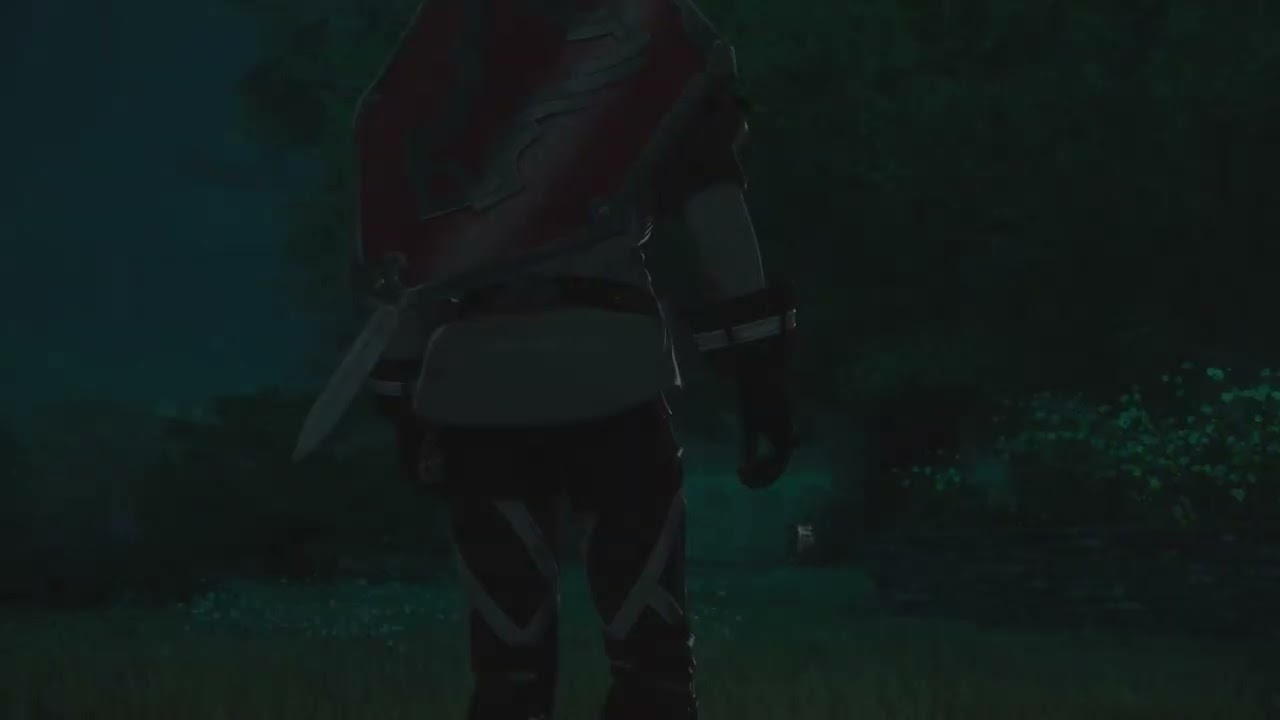
There’s a difference between paying attention and making things up, and we can stay on the safe side of that line by focusing on presentation choices. The teaser is described as minimal and mood-driven, which suggests Bandai Namco wants the reveal to be the first real information drop. That usually means the teaser exists to point everyone at the date and time, not to hide secret lore in every frame. If you’ve seen the kind of teaser that shows a character for a second, a hint of environment, and then cuts away, you know the vibe: it’s a tap on the shoulder, not a handshake. The practical takeaway is simple. We can note the tone and the intent, then stop there until the full trailer arrives. That approach keeps excitement intact while avoiding the trap of turning every shadow into a “confirmed feature.” Sometimes a shadow is just a shadow, and the best part is waiting to see what steps into the light.
Visual language and the “one image” strategy
Minimal teasers often rely on a single strong image or motion to do most of the work. A calm scene, a lone traveler, a weapon silhouette, a shift from day to night – these are visual shortcuts that communicate “adventure” without a word of dialogue. It’s like hearing the first two notes of a song and recognizing the genre instantly, even if you don’t know the title yet. The “one image” approach is also leak-resistant because it doesn’t reveal a UI, a party system, or a combat loop. It just tells you, “This has a vibe, and you’ll want to see more.” For us, the best way to enjoy that is to treat the teaser like a movie trailer’s first whisper: it’s not meant to answer questions, it’s meant to create them. And if it succeeds, you’ll find yourself thinking about that line – serenity, disturbed – at random times during the day, which is exactly what it was designed to do.
How to show up prepared for the reveal
We don’t need a complicated plan, but a little preparation keeps the moment fun instead of stressful. First, lock in the correct local time for March 5, 2026 at 3:00 p.m. PT. If you’re in the UK, that’s 11:00 p.m. If you’re on Central European Time, it ticks over to March 6 at 00:00 CET. Second, decide how you want to experience it. Do you want pure trailer energy, where you watch first and read later? Or do you want to watch with official channels open so you can grab the title, platforms, and any follow-up messaging immediately? Both are valid. Third, if you’re watching with friends, agree on one place to react together. Nothing derails a live moment like juggling five chats, three time zones, and someone who insists the reveal started “already” because they’re watching a fake reupload. A calm setup makes the reveal feel like an event, not a scramble.
Watchlist tactics so we don’t miss the moment
If you want a simple method that actually works, treat the premiere like a concert ticket time. Set a reminder on the YouTube premiere itself, then set a second reminder on your phone for five to ten minutes earlier. That buffer is the difference between arriving relaxed and arriving mid-countdown while your headphones are tangled like a boss fight you didn’t ask for. If you’re the type who hates spoilers, mute keywords or step away from social feeds shortly before the premiere. If you’re the type who loves chaos, embrace the chat and enjoy the collective hype, but remember that live chats are basically fireworks: bright, loud, and not always safe to stand under. After the trailer ends, expect a quick wave of official posts and reposts. If you want the cleanest facts fast, stick to official Bandai Namco channels first, then branch out to additional reporting once the basics are confirmed and consistent.
Quick checklist for a smooth stream
A smooth stream is boring in the best way, because it lets the reveal be the star. Make sure you’re logged into YouTube if you care about reminders or chat. Check your connection and consider lowering other bandwidth-heavy apps if your home network gets cranky at night. If you’re watching on a TV, open the premiere early so you’re not fumbling with sign-ins at the worst possible time. If you’re watching on mobile, bring a charger, because nothing is more tragic than your phone dying right as the title appears. And if you’re in Central Europe and the reveal lands at midnight, consider the next day’s schedule. A late reveal can be hype, but it can also be a gremlin that steals your sleep. The goal is to enjoy the moment, not spend it fighting your setup like it’s the final dungeon.
What happens after the reveal: the first hour playbook
The hour after a reveal is where confusion and clarity race each other. The trailer drops, people start posting screenshots, and suddenly everyone is certain they spotted a mechanic, a platform logo, or a release window that may or may not have actually been shown. The best approach is to let official details lead. Title, genre, platforms, release timing, and a short official description are the foundation. Everything else can wait until it’s corroborated. If Bandai Namco follows the usual rhythm, we can expect the trailer to be accompanied by official messaging that repeats the core facts in plain language, which is exactly what we should anchor to. Once those facts are clear, then the fun analysis can start: tone, art direction, and how the premise feels. But facts first. Otherwise we end up arguing about imaginary features like we’re debating what’s inside a wrapped present we haven’t opened yet.
Separating official facts from fast-moving chatter
This is the part where we keep our excitement without letting it turn into misinformation. If you see a claim right after the reveal, ask a simple question: did Bandai Namco say it, show it, or publish it? If the answer is no, treat it as unconfirmed chatter until it’s supported by something official. That doesn’t kill the fun, it protects it. Nothing deflates hype like realizing the “confirmed” release date was someone’s guess, or the “confirmed” platform list was a fan-made graphic that looked convincing for five seconds. The healthiest rhythm is: watch the reveal, check official recaps, then enjoy reactions and analysis with a clear boundary between what’s known and what’s being speculated. That way, when the real details hit, they land cleanly, and we get to enjoy the reveal for what it is instead of what we wished it was.
Conclusion
Bandai Namco has set a clear appointment: a new RPG reveal on March 5, 2026, broadcast on YouTube, framed by the teaser line “A serenity soon to be disturbed.” The times are straightforward once you lock them in: 3:00 p.m. PT, 6:00 p.m. ET, 11:00 p.m. in the UK, and 00:00 CET on March 6 for Central Europe. Until the premiere actually starts, the smartest and most enjoyable approach is to hold onto what’s confirmed and let the reveal do the talking. The teaser is already doing its job by creating a mood and a question mark in the same breath. Now it’s just about showing up on time, watching the curtain lift, and letting the game introduce itself properly – no forced assumptions, no accidental spoiler trap, just a clean moment where a new RPG finally gets a name and a face.
FAQs
- When is Bandai Namco revealing the new RPG?
- The reveal is scheduled for March 5, 2026 at 3:00 p.m. PT, which corresponds to 6:00 p.m. ET and 11:00 p.m. in the UK. In Central Europe, it lands at 00:00 CET on March 6, 2026.
- Where can we watch the reveal?
- The reveal will be broadcast on YouTube via an official premiere, meaning it has a scheduled start time and a countdown page ahead of the stream.
- What does the teaser text actually say?
- The teaser text reads: “A serenity soon to be disturbed.” It’s a tone-setting line rather than a detailed description of gameplay or story.
- Has Bandai Namco confirmed the game’s title yet?
- No. The announcement is framed as a “new RPG,” and the title is expected to be revealed during the scheduled broadcast.
- How can we avoid getting misled by spoilers or fake details?
- Stick to official Bandai Namco channels for the first wave of information, and treat early social claims as unconfirmed unless they match what was shown in the trailer or posted officially.
Sources
- Coming soon, a new RPG from Bandai Namco Entertainment, YouTube, March 3, 2026
- Bandai Namco to announce new RPG on March 5, Gematsu, March 3, 2026
- ‘A serenity soon to be disturbed’: Bandai Namco will reveal ‘a new RPG’ this week, Video Games Chronicle, March 3, 2026
- Bandai Namco Teases ‘New RPG’, to Be Revealed This Week, Push Square, March 3, 2026
- Bandai Namco teaser gives JRPG fans real hope for a new RPG reveal, GamesRadar+, March 3, 2026