














Summary:
Blizzard is kicking off 2026 with a run of developer-led spotlights that spotlight the next beats for World of Warcraft, Overwatch, Hearthstone, and Diablo, all while tying the moment to Blizzard’s 35th anniversary. Instead of cramming everything into one long broadcast, the plan is simple: give each universe its own stage, its own pacing, and its own time to breathe – with streams running on the official YouTube and Twitch channels for each game. The schedule is spaced out across late January and early February, making it easier to pick what you care about, watch live, and still have time to talk it through with friends afterward.
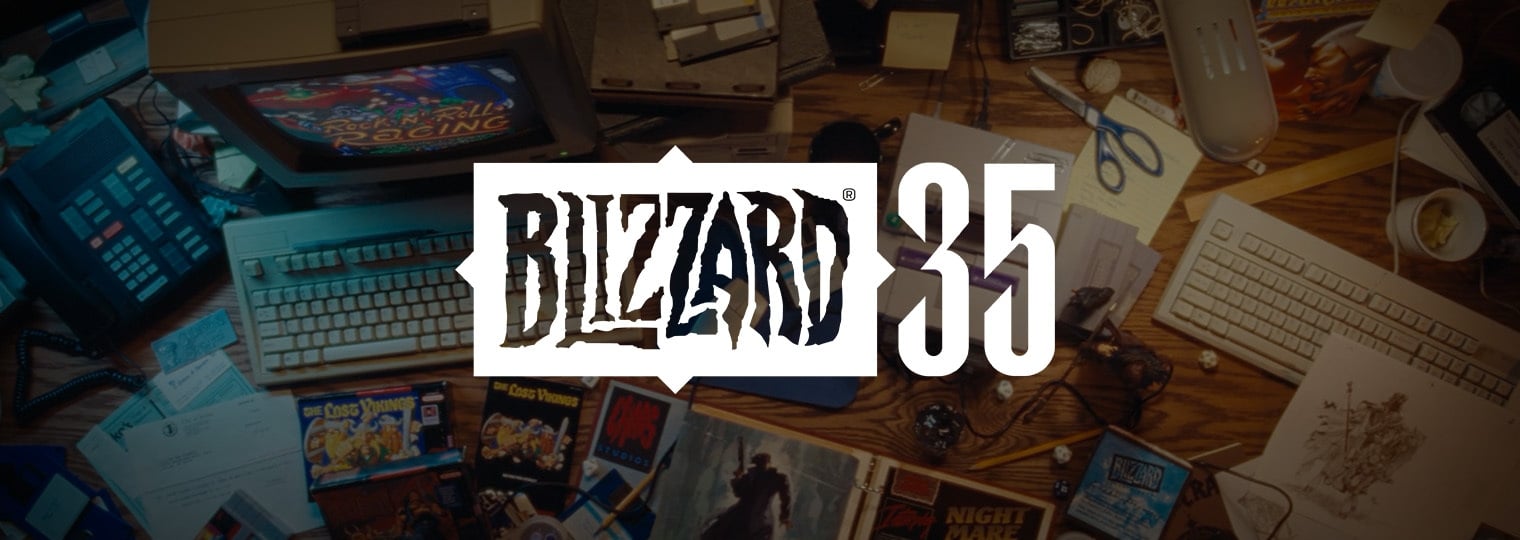
We also get a nostalgic anchor for the whole celebration in the form of “Blizzard: The Next Chapter,” a video that looks back across Blizzard’s history and highlights a “table is set” concept built around roughly 400 artifacts from the company’s physical archives. It’s a reminder that this isn’t only about patch notes and roadmaps – it’s also about the people, memories, and shared moments that made these worlds stick. And hanging over the entire run is a big, bright date on the calendar: BlizzCon’s return in September 2026 in Anaheim. If you’ve ever wanted an easy way to keep up without feeling like you need to be everywhere at once, this schedule is basically a neatly labeled set of doors – you just pick the ones you want to open.
Blizzard Showcase 2026 – what it is and why it matters
Blizzard’s 2026 Showcase is a set of separate, developer-led broadcasts that each focus on one major universe. Rather than one giant event where everything competes for oxygen, we get distinct spotlights for World of Warcraft, Overwatch, Hearthstone, and Diablo. That structure matters because it usually means clearer messaging, fewer rushed segments, and more room for teams to explain what they’re building and why. It’s also framed as part of Blizzard’s 35th anniversary celebration, which adds a “past meets future” energy to the whole thing. If you’ve ever watched a big stream and thought, “Wait, did they just speed-run the part I cared about?” – this format is the opposite. We get dedicated time blocks, dedicated channels, and a clean schedule you can actually plan around.
A 35-year milestone with a forward-looking tone
Anniversaries can be weird. Sometimes they’re just a victory lap, sometimes they’re a reset button, and sometimes they’re a polite way of saying, “We’re about to talk about what comes next.” Blizzard is clearly aiming for that third option here, pairing celebration with updates across its biggest franchises. That combination works because these worlds have long memories – players remember expansions, seasons, cinematic reveals, and even the tiny quality-of-life changes that made a game feel better overnight. A 35th anniversary theme also creates space for reflection without turning everything into a museum tour. Think of it like flipping through a photo album right before you head out the door for a new trip. You’re not staying home – you’re reminding yourself why the journey matters.
Where and how to watch – official YouTube and Twitch channels
Each spotlight is set to stream on the official YouTube and Twitch channels tied to the game it’s featuring. That’s a practical win because you don’t have to guess where to go at the last second, or hunt down a rehost with questionable audio. It also keeps the chat, the VOD, and the follow-up clips in familiar places where communities already gather. If you like watching with friends, this makes it easier to share a link and know you’re all seeing the same thing. If you prefer watching later, official channels are typically the fastest route to clean replays. And if you’re the kind of person who likes to watch while cooking dinner, you can hop between platforms depending on what works best on your device.
Why developer-led spotlights hit differently than a single mega stream
Developer-led spotlights tend to feel more grounded because the people talking are often the people making the calls. That usually means fewer vague promises and more “here’s what we’re focusing on” clarity. It also helps each game keep its own identity. World of Warcraft doesn’t have to fight for time with Overwatch, and Hearthstone doesn’t get squeezed between bigger trailers. The spotlight approach can also reduce whiplash – you’re not bouncing from fantasy raids to competitive shooters to card reveals in five minutes. Instead, you get a single lane and a smoother ride. If mega streams are like a fireworks finale where everything goes off at once, spotlights are like a well-paced concert set where each song gets its moment.
World of Warcraft State of Azeroth – January 29
The first broadcast on the schedule is “World of Warcraft State of Azeroth,” airing January 29 at 9:00 a.m. Pacific Time. Blizzard has positioned it as a look toward what’s coming next, with leadership on screen to share updates and direction. Even the title “State of Azeroth” tells you the vibe – this is meant to set the tone for the year and frame priorities. If you’re a WoW player, this is the one that can shape how you think about the next months of play, whether you’re into modern WoW, Classic, or you’re just waiting for a reason to resub. It’s also the first domino, and once it falls, the community conversation usually gets loud fast – in a good way.
Roadmaps, signals, and what “State of Azeroth” usually sets up
Blizzard has said this stream will include a look ahead and also points to sharing roadmaps, which is basically the gaming equivalent of someone unrolling a map on a table and saying, “Okay, here’s the route.” Roadmaps matter because they reduce guesswork. They help you decide when to play, when to take breaks, and what to prioritize if you’re short on time. Blizzard has also mentioned an unlock tied to watching, which adds a little extra incentive for catching it live. The smartest way to approach a “State of” stream is to listen not only for what’s announced, but how it’s framed. Are they emphasizing story, systems, or player freedom? Are they talking about pacing and cadence? Those signals often tell you as much as the bullet points.
Overwatch Spotlight – February 4
Next up is the “Overwatch Spotlight” on February 4 at 10:00 a.m. Pacific Time. Overwatch lives and dies by momentum – players want reasons to log in, reasons to try new strategies, and reasons to believe the next season will feel worth it. A spotlight format is a good match for that because it can focus on direction, philosophy, and what the team wants the experience to feel like. If you’re competitive, you’ll likely listen for how Blizzard talks about balance and the match experience. If you’re more casual, you’ll probably care about the fun factor – the stuff that makes you laugh, rage a little, and then queue again anyway. That’s Overwatch in a nutshell: chaos, teamwork, and the occasional “how did we win that?” miracle.
What a spotlight format means for a live service shooter
Live service shooters are like gardens – if you don’t tend them, weeds show up fast. A spotlight gives Blizzard space to talk about how they plan to keep things healthy, which can include pacing, feedback loops, and what they’re reacting to in the community. Even without listing specifics ahead of time, the framing is important. Are they talking about long-term goals or short-term fixes? Are they emphasizing player expression, competitiveness, or accessibility? Listening for that is useful because it tells you what kind of Overwatch year you’re stepping into. And if you watch live, you’ll see the immediate community temperature – hype, skepticism, memes, and the classic Overwatch tradition of arguing while still caring a lot.
Hearthstone Spotlight – February 9
The “Hearthstone Spotlight” is scheduled for February 9 at 9:30 a.m. Pacific Time. Hearthstone has a special kind of audience because the game sits at the intersection of strategy, surprise, and pure chaos. One match can feel like a chess puzzle, the next can feel like you slipped on a banana peel you didn’t see coming. A spotlight is a chance for Blizzard to set expectations for what’s next, and it’s also a moment where the community tends to latch onto any hint of direction – from design themes to how the team thinks about balance. If you’ve ever crafted a deck you loved and then watched it get nerfed into the ground, you already know why communication matters here.
Keeping the meta fun – what spotlight pacing can reveal
When Hearthstone is at its best, the meta feels like a living conversation. Players try something, the ladder responds, streamers popularize counters, and suddenly the whole ecosystem shifts. A spotlight doesn’t have to spoil every detail to be valuable – sometimes it’s enough to explain the “why” behind changes and the goals behind upcoming plans. Pay attention to the language Blizzard uses around variety, fairness, and experimentation. That’s where you often find clues about how bold or conservative the next phase might be. And let’s be honest: half the fun is watching chat react to the first big reveal like someone just threw a pie into a formal meeting.
Diablo 30th Anniversary Spotlight – February 11
The final scheduled broadcast is the “Diablo 30th Anniversary Spotlight” on February 11 at 2:00 p.m. Pacific Time. Thirty years is a serious milestone, and Diablo is a franchise built on atmosphere – dread, loot, power growth, and the constant temptation to play “just one more dungeon.” An anniversary spotlight is naturally positioned as both a celebration and a look forward. Blizzard is putting this one last in the sequence, which makes sense: it can act as a closing statement for the run of spotlights, and it arrives with the weight of the anniversary theme behind it. If you like Diablo, this is the date you circle with a marker, not a pencil.
Why anniversaries matter – and how Blizzard frames the moment
Anniversary moments tend to work best when they connect emotion to direction. Diablo’s legacy is strong enough that nostalgia alone could fill a stream, but Blizzard is pairing nostalgia with “what’s next” messaging across the broader showcase schedule. That matters because it signals intent – not only looking back, but using the anniversary as a platform to talk about the future. Watch for how Blizzard balances celebration with specifics. If the spotlight leans heavily on heritage, it’s likely aiming to reinforce identity and tone. If it leans more on upcoming plans, it’s a signal that the team wants players focused on what’s coming rather than what’s gone. Either way, it’s hard not to smile at the idea that a franchise built on darkness can still be a comfort game for so many people.
Blizzard: The Next Chapter – the anniversary video and the archive angle
Alongside the showcase schedule, Blizzard released “Blizzard: The Next Chapter,” a video meant to commemorate Blizzard’s heritage and history. It’s positioned as a celebration of the moments, releases, and memories that form the company’s foundation, from the beginning to now. The hook is wonderfully tangible: the “table is set” with approximately 400 artifacts from Blizzard’s physical archives. That detail matters because it turns nostalgia into something you can almost touch, even through a screen. It’s not just a montage of clips – it’s a curated sense of legacy. And it works because Blizzard games aren’t only products people played once. For many players, these worlds were social spaces, routines, and even lifelines during different stages of life.
The “400 artifacts” hook – why nostalgia can still feel fresh
Nostalgia can be cheesy if it’s only used to distract, but it can be powerful when it’s used to connect. The “400 artifacts” idea gives the video a grounded, archival feeling – like walking through a room where every object has a story attached. That’s why it lands for so many players: it taps into personal memory without having to over-explain it. You don’t need someone to tell you why a particular era mattered if you lived it. You just need the spark. And framing the archive as a “living legacy” is a clever move because it invites players to see themselves as part of what comes next, not only as spectators watching a highlight reel.
BlizzCon’s return in September 2026 – what we know right now
Blizzard has also confirmed that BlizzCon is returning as an in-person event in September 2026. The dates are Saturday, September 12, and Sunday, September 13, and the location is the Anaheim Convention Center in California. That’s not a vague “sometime later” promise – it’s a real calendar commitment. For fans, BlizzCon is more than announcements. It’s community energy, shared hype, and the feeling that the worlds you care about have a physical meeting place. The fact that Blizzard is pairing an early-2026 spotlight schedule with a September convention return gives the year a clear arc: early beats now, bigger beats later, and plenty of room for follow-up in between.
Dates, location, and what a return signals for the year ahead
When a company puts a convention on the calendar, it usually means they expect to have stories worth telling by then. That doesn’t mean every franchise will get equal time, but it does suggest Blizzard is thinking in milestones. The early-2026 showcase spotlights can set direction and momentum, while BlizzCon can serve as a larger gathering point for major reveals, deeper panels, and community celebration. If you’re planning travel, the dates and venue are already public, which makes it easier to think ahead. Even if you’re not going in person, knowing BlizzCon is locked in can shape how you interpret the early streams – like watching the opening act when you know the headliner is still coming.
Planning your watch schedule in Europe
If you’re in Europe, the easiest trap to fall into is thinking, “I’ll remember the time,” and then realizing you’re an hour late because you mentally mixed up time zones. The good news is Blizzard’s schedule is consistent and clearly listed, so you can convert once, set reminders, and relax. For Central European Time, Pacific Time in late January and early February typically translates to evening viewing. That’s a win if you like watching after work or after dinner. It also makes watch parties easier – your group chat doesn’t have to meet at 3:00 a.m. unless you enjoy that specific kind of chaos. And yes, some people do. We don’t judge. Much.
Quick time conversions from Pacific Time to CET
Here are the quick conversions to keep things simple for CET: January 29 at 9:00 a.m. PT lands at 6:00 p.m. CET. February 4 at 10:00 a.m. PT lands at 7:00 p.m. CET. February 9 at 9:30 a.m. PT lands at 6:30 p.m. CET. February 11 at 2:00 p.m. PT lands at 11:00 p.m. CET. If you want a no-brainer method, add nine hours to Pacific Time for CET during this period, then double-check on the day if you’re cautious. The real pro move is setting calendar alerts with the correct zone so you never have to do math while you’re also trying to decide what snack deserves the spotlight in your living room.
How to watch like a pro – before, during, and after each stream
Watching live is fun, but watching smart is even better. Before the stream, open the official YouTube or Twitch channel a few minutes early so you’re not fighting buffering or last-second logins. During the stream, keep one simple note file open with three buckets: “confirmed,” “dates,” and “follow-up questions.” That keeps you grounded when chat is moving at warp speed. After the stream, give it ten minutes before reacting to hot takes – the full picture often becomes clearer once Blizzard posts a recap, a blog update, or the community starts comparing notes. This approach also helps you avoid the classic problem of remembering a vibe but forgetting the details. Vibes are great, but dates and names are what you’ll actually search for later.
Small habits that make announcements easier to track
If you only steal one habit, make it this: write down exact phrases Blizzard uses when they describe what’s coming. Not because you need to quote them, but because wording reveals intent. “Soon” feels different than “this season.” “Testing” feels different than “shipping.” Also, watch the order of what’s shown. Companies tend to lead with what they want you to remember. Finally, if you’re watching with friends, assign roles like a goofy heist movie. One person tracks times, one tracks feature names, one tracks links. It sounds silly, but it turns a chaotic stream into a clean recap fast – and you get to feel like a small, nerdy newsroom for an hour.
Conclusion
Blizzard’s 2026 Showcase schedule is built for clarity: four spotlights, four universes, and a timeline you can actually plan around. With “State of Azeroth” on January 29, the Overwatch Spotlight on February 4, the Hearthstone Spotlight on February 9, and the Diablo 30th Anniversary Spotlight on February 11, we get a steady cadence of updates rather than one overloaded broadcast. Add in “Blizzard: The Next Chapter” as an anniversary touchstone and the confirmed return of BlizzCon on September 12-13, 2026, and the year starts to look like a story with chapters instead of random pages. If you want the best experience, set your reminders, watch on the official channels, and keep a simple list of confirmed details as you go. That way, you get the hype without losing the plot – and you’ll be ready for whatever Blizzard puts on the table next.
FAQs
- Where can we watch the Blizzard Showcase spotlights?
- Each spotlight is streaming on the official YouTube and Twitch channels for the featured game, as listed in Blizzard’s viewers’ guide.
- What are the four spotlight dates and times?
- January 29 at 9:00 a.m. PT (WoW), February 4 at 10:00 a.m. PT (Overwatch), February 9 at 9:30 a.m. PT (Hearthstone), and February 11 at 2:00 p.m. PT (Diablo).
- What is “Blizzard: The Next Chapter”?
- It’s an anniversary video released by Blizzard that looks back at its history and highlights a “table is set” concept featuring roughly 400 artifacts from Blizzard’s physical archives.
- When is BlizzCon returning in 2026?
- BlizzCon returns September 12-13, 2026, at the Anaheim Convention Center.
- What time are the streams in Central Europe?
- For CET: WoW is 6:00 p.m., Overwatch is 7:00 p.m., Hearthstone is 6:30 p.m., and Diablo is 11:00 p.m. on their respective dates.
Sources
- Blizzard Showcase: Viewers’ Guide, Blizzard News, January 26, 2026
- Tune in January 29 for the State of Azeroth, World of Warcraft (Blizzard), January 26, 2026
- Blizzard: The Next Chapter, Blizzard Entertainment (YouTube), January 26, 2026
- BlizzCon Returns In 2026, Blizzard News, March 11, 2025
- Event – BlizzCon, BlizzCon.com, Accessed January 27, 2026