














Summary:
Dynasty Warriors 3: Complete Edition Remastered was lined up for a March release, and then the brakes got slammed. Koei Tecmo has now postponed the game to an unannounced date, with the promise that a new release date will be shared later. That single sentence does a lot of heavy lifting, because it changes how we plan, how we spend, and how we set expectations. When a game slips by two weeks, we shrug. When a game loses its date entirely, we start treating it like a suitcase that got stuck at the airport: it will probably show up, but we stop pretending we know when.
We can still take useful things from the announcement without guessing at behind-the-scenes drama. The messaging points toward quality improvements, and the project itself has big ambitions: a modern remaster built with Unreal Engine 5 and packaged as a “Complete Edition,” which signals a bundle approach rather than a barebones re-release. The best move now is to stay grounded. We track official updates, keep our pre-orders sensible, and avoid building our entire gaming calendar around a date that no longer exists. While we wait, we can scratch the same itch with other Warriors-style games, revisit older favorites, and keep our hype in a healthy place so the eventual release feels exciting, not exhausting.
The Dynasty Warriors 3 remaster delay announcement
We’re dealing with a clean, simple update: Dynasty Warriors 3: Complete Edition Remastered has been postponed, and the release date is no longer locked. The important part is not the drama we can invent in our heads, but the concrete shift in status. We went from “see you in March” to “we’ll tell you later,” and that changes how we treat everything around the launch. If you had time booked off, a co-op partner lined up, or a backlog plan that assumed a fresh Musou binge in March, those plans now need a quick rewrite. It’s a bit like setting the table for dinner and then getting a text that says, “Running late, not sure how late.” The meal may still happen, but we stop staring at the clock and start living our life again.
The new status: postponed to a later date
“Postponed to a later date” sounds polite, but it’s a real shift in commitment. We no longer have a target day to anchor expectations, and that’s why the delay can feel heavier than a normal slip. A date on the calendar is a promise with structure. Without it, every rumor, store listing change, and social media reply can start to feel like a clue, and that’s where fans get stressed for no reason. The healthier approach is to treat the next official update as the next “real” moment. Until then, we’re in a waiting room, and there’s no point pacing the hallway. If we keep our hype steady, the game gets the space it needs to return with a solid plan and a release date that can actually hold.
The previously announced March release plan
Before the postponement, the game had a clear March window attached to it, and that matters because it tells us how far along the public rollout already was. Trailers, platform pages, and store listings tend to line up when a launch is close enough to commit. When a project steps away from that, we should assume the team wants the next date to be more than “good vibes” on a calendar. That’s also why the delay is being framed around delivering a better experience, rather than rushing something out the door. We do not need to invent specifics to understand the intent: a remaster only works if it feels good in our hands and looks clean on modern screens. If those pieces are not ready, a postponement is frustrating, but it beats paying full price for something that feels half-finished.
Why an indefinite delay feels different
A normal delay is like moving a couch from one wall to another. Annoying, but the furniture still exists and we know where it’s going. An indefinite delay is more like someone taking the couch out of the room and saying, “We’ll put it back when it’s ready.” Suddenly, the space feels weird, and we notice the absence more than we expected. That’s the emotional side of it, and it’s totally human. The practical side is simpler: we stop planning around a specific release day and start treating updates as checkpoints. That one mental shift keeps excitement intact without letting it turn into frustration. We can still be eager, we just don’t attach that eagerness to a date that no longer exists.
What “new date later” means for planning
When a publisher says a new release date will be announced later, it usually means the next step is internal scheduling, not public marketing. In other words, the team wants the next date to be something they can defend, not something they’ll have to move again. For us, that means we keep our calendar flexible. We do not plan weekend marathons around it, we do not build a streaming schedule around it, and we do not treat retailer placeholder dates as gospel. If you’re the type who likes to buy physical copies on day one, the smart move is to wishlist, follow official channels, and wait for the firm announcement. It keeps us informed without turning every day into a mini stress test.
How we keep expectations realistic without guessing
We can stay realistic by sticking to what’s actually been said and refusing to fill the silence with assumptions. Silence is not evidence of disaster, and it’s not evidence of a surprise early release either. It’s just silence. If we catch ourselves spiraling into “what if it’s canceled” or “what if it’s coming next month,” we can pull back and remember: the only reliable signal is an official date update. Until then, the best stance is calm curiosity. We keep our enthusiasm on a simmer instead of a boil, we leave room for other games, and we let the next announcement do the talking. That way, when the date drops, it feels like good news instead of a relief breath we didn’t realize we were holding.
Unreal Engine 5 and the promise of a modern remaster
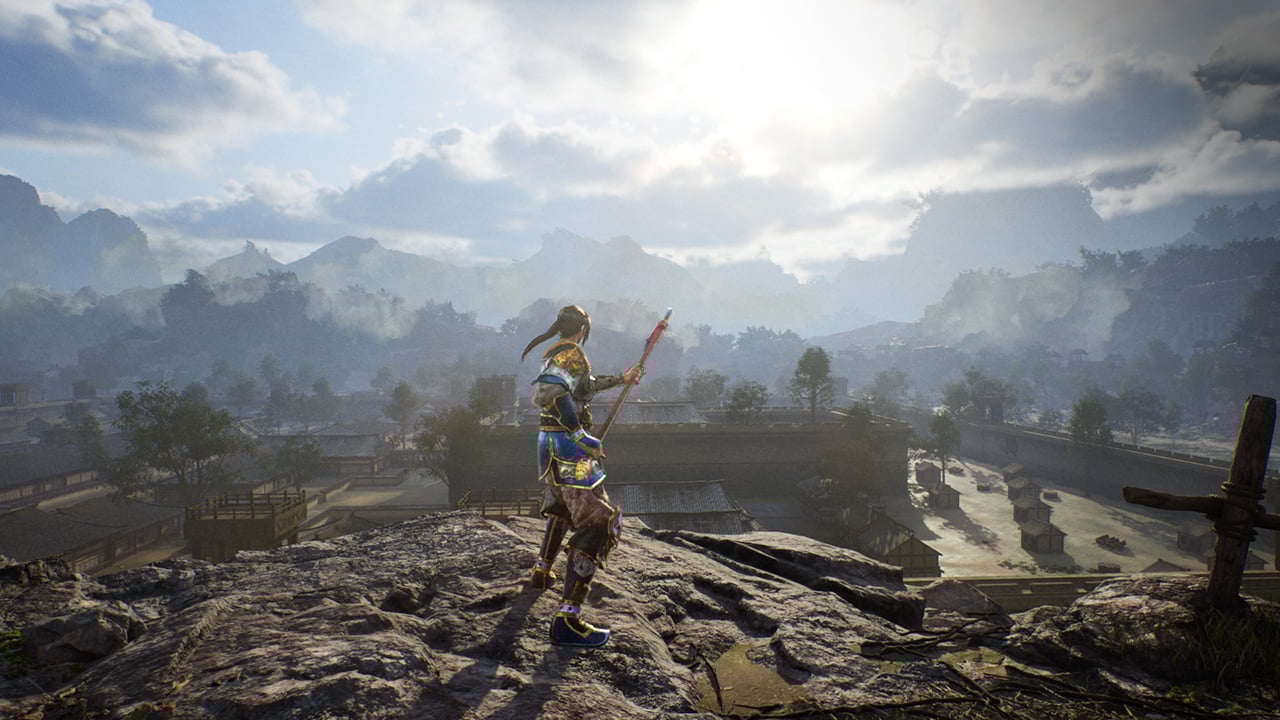
This remaster carries an extra layer of expectation because it’s positioned as a modern revival, not just a quick re-release with sharper textures. Unreal Engine 5 is often associated with upgraded lighting, improved asset detail, and modern rendering tools that can change how a game reads on screen. For a Warriors game, readability is everything. We’re often dealing with huge crowds, flashy effects, and split-second choices about when to attack, block, dodge, or retreat. If the screen becomes visual soup, the fun collapses. So when we hear “built with Unreal Engine 5,” it’s reasonable to think the team is aiming for cleaner clarity, smoother presentation, and a more modern feel without losing the classic identity.
Why engine changes matter for feel and readability
An engine is not just a graphics box, it’s the foundation for how movement, camera behavior, effects, and responsiveness come together. In a game where we mow through armies, the smallest stutters or odd camera angles can turn power fantasy into annoyance. If a delay buys time to refine performance targets, animation timing, input response, and how enemies react under pressure, that’s time well spent. We do not need technical jargon to understand it. Think of it like cooking: the ingredients matter, but the timing and temperature decide whether dinner is delicious or disappointing. A Warriors game should feel like a smooth rhythm, not a stubborn shopping cart with a wobbly wheel.
Visual clarity, performance, and quality-of-life goals
Visual upgrades are great, but the best remasters also respect our time. We’re talking cleaner menus, readable UI, sensible save options, and controls that do what our brain expects them to do in 2026. When quality gets mentioned in a delay message, those are the kinds of improvements that can make the difference between “neat nostalgia” and “we can’t put it down.” If we’re going to storm a battlefield for the hundredth time, we want that loop to feel frictionless. We want the chaos to be thrilling, not confusing. A delay that helps the team polish those rough edges can pay off every single time we boot the game up. That’s the sort of boring-sounding work that quietly makes games feel great.
A quick refresher on what made Dynasty Warriors 3 iconic
Dynasty Warriors 3 is remembered for the moment the series’ larger-than-life battles started to click for a lot of players. The appeal is straightforward: we take a legendary officer, step onto a battlefield packed with enemies, and carve a path through history with exaggerated style. It’s loud, dramatic, and intentionally over the top, like an action movie that decided subtlety was optional. The “one versus a thousand” vibe is not just marketing, it’s the core fantasy. We’re not meant to feel like a random soldier, we’re meant to feel like the storm. A remaster has to keep that storm intact while making it easier to read, smoother to play, and friendlier to modern habits. If the team needs extra time to pull that off, the delay makes more sense emotionally, even if it still stings.
“Complete Edition” and what that bundle implies
The phrase “Complete Edition” is a promise of value, and it also creates pressure. We expect a package that feels like the definitive way to play, not a version that requires extra purchases or awkward add-ons to feel whole. That expectation can be a blessing and a curse for the team. It’s a blessing because it gives a clear direction: we ship one solid package that honors the original. It’s a curse because it leaves less room for “we’ll fix it later.” When we buy something called complete, we expect it to be complete on day one. If the delay is connected to meeting that standard, it’s easier to understand why the project would rather step back now than limp forward and disappoint players later.
Dynasty Warriors 3 plus Xtreme Legends in one package
Bundling the base experience with Xtreme Legends content matters because it shapes pacing and variety. A larger set of scenarios, officers, and modes can turn a nostalgia trip into a long-lasting rotation, especially for players who love experimenting with different characters and playstyles. It also raises the bar for balance and polish, because more included material means more places where rough edges can hide. If we’re going to spend hours chasing the perfect run or replaying favorite battles, we want the package to feel consistent across the whole experience. The best “complete” releases feel like a carefully packed suitcase: everything fits, nothing is missing, and we do not have to sit on the lid to zip it shut.
Platforms and release logistics we can rely on
Even with the date moved, we can still treat the general release plan as useful context, because it tells us how broadly the project is aimed. Multi-platform releases come with extra coordination, certification steps, and performance targets that have to hold across different hardware. That alone can add pressure when the team wants to ship something that feels good everywhere, not just on one platform where it happens to run best. The delay does not automatically mean there’s a specific platform problem. It simply means the team wants more time before committing again. For us, the takeaway is simple: we stay alert for official platform updates, and we avoid assuming that one store listing or one retailer change tells the whole story.
Where it was planned to launch and why that matters
When a game is lined up for several platforms, the release date becomes a group decision, not a solo one. That matters because the final date has to work across submission timelines and launch logistics. If the team makes improvements late in the process, those improvements need to be tested and validated everywhere. That’s not glamorous work, but it’s the difference between a smooth launch and a messy one. It’s also why “we’ll announce later” can be a responsible move, because it gives the team time to lock in a date that holds across all the moving parts. We might not love waiting, but we love surprise day-one issues even less.
Pre-orders, wishlists, and keeping your wallet calm
When a release date disappears, our spending plan should become more relaxed, not more anxious. If you already pre-ordered, the key is to check the retailer’s rules and make sure you’re comfortable with how charges and cancellations work. If you have not pre-ordered, there’s no prize for paying early when the date is unknown. Wishlisting is the best middle ground because it keeps us in the loop without locking us in. It’s like putting a sticky note on the fridge instead of signing a contract. We can stay excited without making money decisions based on hope. And yes, hope is great, but hope is not a receipt.
Smart ways to track updates without overcommitting
The easiest routine is also the healthiest one: follow official channels, track major storefront updates, and let announcements come to you. We do not need to refresh pages every day like we’re waiting for concert tickets to drop. If the new date matters to you because you plan around work, family, or travel, set a simple alert system through your preferred news sources and move on. The goal is to keep the excitement fun, not turn it into a second job. When the new release date is ready, it will be shared loudly. Until then, we keep our energy for playing games, not chasing crumbs of information.
What we can play while we wait
Waiting is easier when our hands are busy. If what we want is that Warriors rhythm – the satisfying loop of crowd control, officer duels, and big dramatic moments – we have plenty of ways to scratch the itch. We can revisit other Dynasty Warriors entries, dip into crossover Warriors games, or even choose action titles with similar “flow state” combat where we cut through groups and feel unstoppable. This is the upside of a delay: it creates space. Space to clear the backlog, space to try something new, and space to return to the remaster fresh instead of burned out from months of anxious anticipation.
Other Warriors-style options to scratch the itch
If you want something familiar, older Warriors games can still deliver that comfort-food feeling, especially if you focus on short sessions and favorite characters rather than trying to 100 percent everything. Crossover Warriors games can also be a fun palette cleanser because they remix the formula with different worlds, different pacing, and different objectives. The point is not to “replace” Dynasty Warriors 3. Nothing replaces a specific nostalgia hit. The point is to keep the fun alive so the wait does not feel like dead time. Think of it like listening to other albums while your favorite band finishes a new record. It’s still music, it still hits, and it keeps the hype healthy.
What to watch for when the next update lands
When the new date arrives, we should look for signals that the plan is stable. Clear messaging, updated store pages that match each other, and a consistent platform list all help build confidence. We should also watch for details that show the extra time was used wisely: improved visuals, refined controls, better UI, and any modern touches that make the classic feel smoother without sanding off its personality. The next announcement is also a good time to re-check whether we want to buy at launch or wait for hands-on impressions. Neither choice is “more loyal.” It’s just about what fits how we play and how patient we feel.
The signs of a confident relaunch plan
A confident relaunch plan is boring in the best way. It’s consistent, it’s specific, and it doesn’t rely on vague hype. If we see a new date paired with updated trailers, clear platform confirmation, and messaging that lines up across official channels, that’s a strong sign the team is ready to commit again. If we also see practical details like performance targets, accessibility notes, or quality-of-life improvements, it suggests the delay was used to polish the parts that matter once the novelty wears off. The goal is not just to launch, but to launch well. If the remaster lands in great shape, the wait becomes a footnote instead of the main story.
Conclusion
Dynasty Warriors 3: Complete Edition Remastered being delayed indefinitely is frustrating, but it’s not confusing. The release date is no longer set, and a new one will be announced later. That’s the reality, and we can work with it. We keep our expectations grounded, we avoid guessing, and we make smart choices with pre-orders and wishlists so the delay does not mess with our mood or our budget. The upside is that extra time can help the remaster feel cleaner, smoother, and more satisfying when it finally arrives. Until that next announcement lands, we stay informed, we keep playing other great games, and we treat the eventual release as something to enjoy, not something to stress over.
FAQs
- Is Dynasty Warriors 3: Complete Edition Remastered canceled?
- No. The official update is that it has been postponed to an unannounced date, with a new release date to be announced later.
- Was there a specific new release date given?
- No. The game no longer has its previously announced date, and the next date has not been shared yet.
- Should we keep a pre-order active during an indefinite delay?
- If you already pre-ordered, it’s worth checking your retailer’s policy and deciding what feels comfortable. If you have not pre-ordered, wishlisting is a safer way to stay informed.
- Does an indefinite delay always mean something went wrong?
- Not always. It often means the team does not want to commit to a new date until quality and scheduling are confident enough to hold.
- How do we track updates without obsessing over rumors?
- Follow official channels and reliable outlets, then let announcements come to you. If the date changes again, official posts will reflect it quickly.
Sources
- Dynasty Warriors 3: Complete Edition Remastered delayed to unannounced date, Gematsu, January 26, 2026
- Dynasty Warriors 3 Remaster Delayed To Unannounced Date On Switch 1 And 2, Nintendo Life, January 26, 2026
- Dynasty Warriors 3: Complete Edition Remastered Delay Explained, PlayStation LifeStyle, January 26, 2026
- Relive the intense, classic action of Dynasty Warriors in Dynasty Warriors 3: Complete Edition Remastered, coming 19th March 2026, KOEI TECMO Europe, September 25, 2025