














Summary:
Grant Kirkhope, the musical genius who helped define Banjo-Kazooie’s whimsical identity, recently voiced his skepticism about seeing a new installment. His concerns hint at the emotional ties fans have to the original games, where nostalgia can sometimes overshadow a fresh release. Alongside these remarks, he suggested that the intense loyalty of dedicated players might actually work against a sequel, because any perceived shortcoming might lead to a wave of criticism. While some believe Microsoft Game Studios has the power to bring Banjo-Kazooie back, Kirkhope’s sentiment underlines a broader reality: reviving an old favorite can be fraught with creative risks, high stakes, and the delicate balance of pleasing a modern audience while honoring a cherished legacy. Many wonder how this reflects on the gaming landscape as a whole. Classic titles often receive renewed interest, but do they always maintain their original charm? Others question if Rare, the studio behind the series, will ever revisit the famous bear-and-bird duo in a way that satisfies both old and new players. Kirkhope’s apology for any perceived offense shows he understands the passion surrounding the beloved franchise. Despite the uncertainties, there’s an unwavering enthusiasm in the community that keeps Banjo-Kazooie relevant. Even if a new entry remains a distant dream, the discussions around it remind us that great games have an enduring impact on our imaginations and hearts.
The Legacy of Banjo-Kazooie
Banjo-Kazooie burst onto the gaming scene in the late 1990s, quickly capturing hearts with its playful characters, vibrant worlds, and clever puzzles. At the time, its world felt larger than life, inviting fans to explore towering mountains, sandy beaches, and eerie mansions filled with secrets. These surroundings never lost their whimsical charm, reinforcing why many hold the series in such high regard.
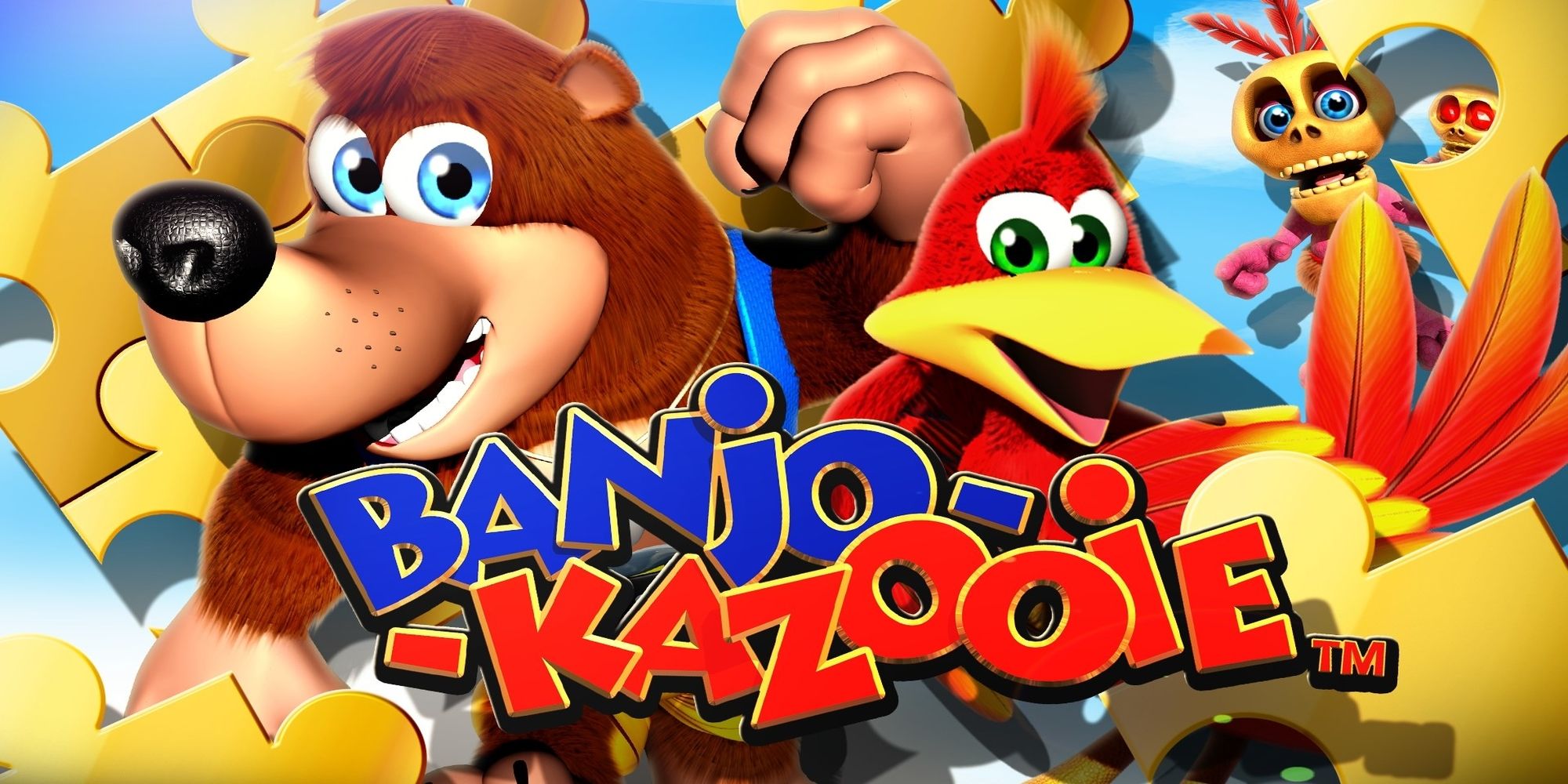
The duo’s dynamic brought a refreshing twist to 3D platformers, setting them apart from competitors. Banjo, the laid-back bear, and Kazooie, the snarky bird, complemented each other perfectly, forging a comedic partnership that defined the franchise’s identity. Whether it was collecting musical notes or scouring each environment for hidden collectibles, players found themselves in a consistently entertaining universe. This enduring appeal is the foundation upon which fans still hold tight to the idea that a new adventure might emerge someday.
Grant Kirkhope’s Role
Grant Kirkhope’s compositions provided the melodic heartbeat that pulsed through every stage in Banjo-Kazooie. Each tune he crafted aligned with the theme of the level, cleverly weaving together the visuals and the gameplay. Even today, many can’t help but hum those unforgettable tunes, where distinct xylophone melodies and playful shifts in tempo conjure up fond memories of treasure hunts and platform jumps.
Kirkhope’s involvement played a significant part in shaping the overall experience. His creative process involved playful experimentation, layering unconventional sound effects with traditional instruments. This gave the soundtrack a truly unique flavor. Reflecting on those days, he acknowledges how deeply fans still cherish that audio magic. Yet, he’s realistic about the complexities of resurrecting a game like Banjo-Kazooie, given the shifting terrain of the modern gaming world.
The Uncertainty of a New Game
In recent comments, Kirkhope mentioned that he has “zero hope” of a new Banjo-Kazooie adventure, capturing the sentiment that not every classic series can seamlessly re-enter the spotlight. Developers might face myriad challenges—spanning creative direction, technical updates, and aligning with modern gaming norms—that can make reviving a beloved property a tricky task. This goes beyond simple scheduling or studio availability; it involves the intangible spark that fans want to see rekindled.
One might question why a studio wouldn’t embrace a proven hit. In truth, what worked in the 1990s doesn’t always translate to the expectations of current players. Keeping the visual flair, comedic tone, and sense of camaraderie that defined the original might be daunting in a market that demands cutting-edge graphics and streamlined mechanics. Kirkhope’s frank stance resonates with the reality that it’s not just about code and art—it’s about recapturing a specific kind of magic that made Banjo-Kazooie shine back in the day.
Fan Reactions and Nostalgia
It’s no secret that devoted fans can be both the strongest champions of a franchise and its toughest critics. Nostalgia means that any change—even something minor like a new voice actor—may trigger intense responses. Kirkhope’s remark about “diehard fans” hating a new release, regardless of its quality, points to a phenomenon where heightened expectations leave little room for open-minded acceptance.
Yet, this strong attachment often arises from the deep emotional impact the original game left on people who grew up with Banjo-Kazooie. In many ways, fans want that same feeling of childlike wonder that captured them decades ago. However, game design has come a long way, introducing novel mechanics and technologies that might not align perfectly with classic formulas. Balancing these opposing desires can be an uphill battle. Developers may find themselves tiptoeing around beloved elements for fear of alienating the very audience they aim to please.
Potential Barriers to a Reboot
There are multiple hurdles a Banjo-Kazooie reboot might face. First, there’s the question of resources and priorities within a corporate environment. Studios need to weigh the financial viability of reviving an older title against creating entirely new intellectual property. Nostalgia certainly has a strong pull, but it doesn’t guarantee a profitable product. This uncertainty can keep a new game from receiving the green light.
Second, there’s a risk of overshadowing the original. Despite advances in game development, players might naturally compare any fresh release to the iconic predecessor. High-definition visuals could change the game’s overall look and feel, potentially losing some of the charm people associate with the original. Any move deemed too modern might raise eyebrows, while staying too faithful might be seen as outdated. Balancing these extremes can make the endeavor feel like walking a tightrope.
Why Nostalgia Can Be a Double-Edged Sword
Nostalgia is a powerful force that can spark excitement at the mere mention of a beloved classic. It can galvanize entire communities to campaign, petition, and yearn for the revival of a favorite game. Yet, as Kirkhope pointed out, that same energy might transform into fierce criticism if the end result strays too far from cherished memories. It’s akin to revisiting your hometown: you crave that warm familiarity, but time inevitably has altered the scene, leaving you torn between fond recollection and present reality.
The faithful recreation of a treasured experience can sometimes be at odds with modern innovations. A new Banjo-Kazooie release may need to adapt to current industry standards—like more robust online features or advanced physics—while still retaining the series’ signature humor and aesthetic. Achieving this balance can become a juggling act, where even well-intentioned tweaks cause fans to worry that the essence has been lost.
The Microsoft Connection
Microsoft Game Studios controls the Banjo-Kazooie license today, having acquired Rare many years back. While some fans believe that under Microsoft’s wing a new title could materialize, Kirkhope’s skepticism suggests bigger obstacles are at play. Decision-makers at large corporations often have to justify the budget for extensive development, and not every nostalgic property may clear those internal benchmarks.
Many wonder whether Rare itself has the interest or capacity to take on such a project. After all, the studio has diversified its portfolio since the era of Banjo-Kazooie. The push to create new intellectual properties like Sea of Thieves demonstrates how the team’s creative focus has evolved. For a Banjo-Kazooie reboot to succeed, there needs to be both executive backing and a passionate internal team determined to bring the bear-and-bird duo back to life in a way that resonates with fans old and new.
Implications of Rare’s Current Direction
With Rare’s continued work on live-service titles, some question whether the platformer genre even fits the studio’s priorities. Live-service games demand constant updates, community engagement, and feature expansions to remain relevant. By contrast, a traditional single-player platformer may face tough competition in a world where multiplayer experiences drive much of the revenue.
There’s also the question of whether the original spark can be reignited after such a long hiatus. Developers might need to assemble a team that fully understands Banjo-Kazooie’s DNA. Bringing back former staff or ensuring a new crew has the same level of creative insight are potential hurdles. Unless Rare is convinced this route is worth pursuing, the bear and bird could remain in hibernation.
The Composer’s Apology
Following his remarks, Kirkhope mentioned that if he offended any fans, he regretted that outcome. This showcases his awareness of how passionately people feel about the series. At times, even a playful comment can strike nerves in a community yearning for new developments. His candor might reflect the frustration of witnessing repeated discussions about a revival, only for them to fizzle out each time.
While some fans might bristle at his stance, others appreciate his honesty. After all, as one of the defining creative forces behind the series’ music, he has a unique perspective on what made Banjo-Kazooie special. His viewpoint underscores the reality that reactivating a franchise is no simple matter of flipping a switch. Instead, it’s a multi-layered process that relies on careful planning, significant investment, and perhaps a touch of the old creative genius that put the original on the map.
Potential Future for the Series
Despite Kirkhope’s doubts, there remains the possibility of the bear and bird returning in some form. The gaming industry has recently seen a surge of remasters and remakes. From the Crash Bandicoot series to Spyro the Dragon, many classic titles have found a new audience while reigniting old fans’ passion. If Banjo-Kazooie were to follow a similar path, it might involve a modern spin that updates controls, graphics, and camera systems without erasing the quirky humor that fans treasure.
Moreover, cameo appearances or cameo expansions—like featuring Banjo and Kazooie in crossovers—could keep the duo relevant. We’ve seen them pop up in games like Super Smash Bros. Ultimate, which generated excitement in the community. Sometimes these collaborations serve as a litmus test, measuring whether there’s still widespread enthusiasm for a fully fledged release. The question is whether positive responses to such cameos might eventually motivate Microsoft to greenlight a larger project.
Challenges in Modern Platformers
Reintroducing a classic platformer in today’s market isn’t always straightforward. Contemporary gamers often expect advanced physics, deeper storytelling, and online integrations that weren’t common in the genre’s heyday. Balancing these elements with Banjo-Kazooie’s fun-loving spirit could require extensive experimentation. Overdoing modern twists might water down the nostalgic essence, while a purely old-school approach risks alienating new audiences accustomed to more polished experiences.
Designers also need to consider how the gaming landscape has shifted to speedrunning, user-generated content, and social media interactions. The original Banjo-Kazooie enthralled players through comedic jabs at its own characters and playful humor that transcended age groups. Translating that comedic style into the modern era—especially when players have near-infinite gaming options—would be no small feat. But the core appeal of Banjo-Kazooie might still resonate with those searching for a playful, lighthearted escapade in a sea of hyper-realistic titles.
Preserving Creative Integrity
If a future Banjo-Kazooie endeavor materializes, preserving what made the series distinct is crucial. Longtime followers expect certain hallmarks: the duo’s witty banter, collectible-driven gameplay, and the enchanting tunes that elevate each level’s atmosphere. Diluting these elements to fit modern tastes could leave fans underwhelmed.
Yet, exploring new terrain can breathe life into a sequel, offering imaginative ways to interact with familiar characters. Maybe we’d see entirely new transformations for Banjo, or expansions that let Kazooie exhibit different abilities. These additions would need to complement the original approach rather than clash with it. Innovation should feel organic, blending seamlessly with the qualities that made the bear-and-bird duo stand out in the first place.
Reflecting on the Past
One crucial takeaway is that Banjo-Kazooie’s legacy is unbreakable, even if no new title emerges. The games remain accessible through older consoles, rare physical copies, or digital services that have reissued classic Rare titles. Players continue revisiting these whimsical worlds, sharing speedrun clips, fanart, and nostalgic anecdotes across social platforms. This enduring devotion underlines that Banjo-Kazooie has a permanent home in gaming history.
Observing the series’ evolution—or lack thereof—offers lessons on the dynamics between creators, studios, and audiences. Banjo-Kazooie’s original success wasn’t just about polygons and platforming; it was about an adventurous spirit that turned gamers into treasure hunters and puzzle solvers. The brand’s staying power is a testament to just how memorable a well-crafted experience can be.
Conclusion
Grant Kirkhope’s recent comments on Banjo-Kazooie have stirred up mixed emotions among loyal fans. Despite uncertainties and the challenges of adapting a retro series for modern audiences, the legacy remains strong. Whether or not a new Banjo-Kazooie emerges, the series has already carved out a special niche in the hearts of countless players. For now, we can only hope that if a revival ever happens, it does justice to the spirit that made the bear and bird’s adventure so memorable. Until then, their story stands as a delightful chapter in gaming history, reminding us of the magic that occurs when inventive gameplay and endearing characters come together.
FAQs
- Q: Why is Grant Kirkhope skeptical about a new Banjo-Kazooie game?
- A: He believes that the strong nostalgia attached to the series could lead fans to reject any modern iteration, no matter how well it’s designed.
- Q: Does Microsoft hold the rights to Banjo-Kazooie?
- A: Yes, Microsoft acquired Rare years ago, and with it, the rights to Banjo-Kazooie. Any new release would need their approval.
- Q: What made Banjo-Kazooie’s music so special?
- A: The composer, Grant Kirkhope, created whimsical tunes that matched each level’s theme, blending playful melodies with immersive sound effects.
- Q: Could we see smaller Banjo-Kazooie cameos in other games?
- A: It’s possible, and the duo has already appeared in crossovers like Super Smash Bros. Ultimate, which reignited fan interest.
- Q: Has the platformer genre changed since the original Banjo-Kazooie?
- A: Absolutely. Modern titles often incorporate advanced features like online modes, deeper storylines, and more realistic physics, making it a challenge to recreate the old-school vibe.
Sources
- Grant Kirkhope has “zero hope” of seeing a new Banjo-Kazooie game, says fans would hate it, My Nintendo News, January 23, 2025
- Banjo-Kazooie Revival Would Be ‘Instantly Hated’ By Some Fans, Says Original Composer, Pure Xbox, January 23, 2025
- Banjo-Kazooie Composer Has ‘Zero Hope’ for New Game, Game Rant, January 25, 2025
- Former Rare Dev Says There’s Not An Audience For A New Banjo-Kazooie, TheGamer, July 15, 2023
- Xbox head Phil Spencer acknowledges the demand for a new Banjo-Kazooie game – “Banjo fans, I hear you”, TechRadar, December 4, 2023