














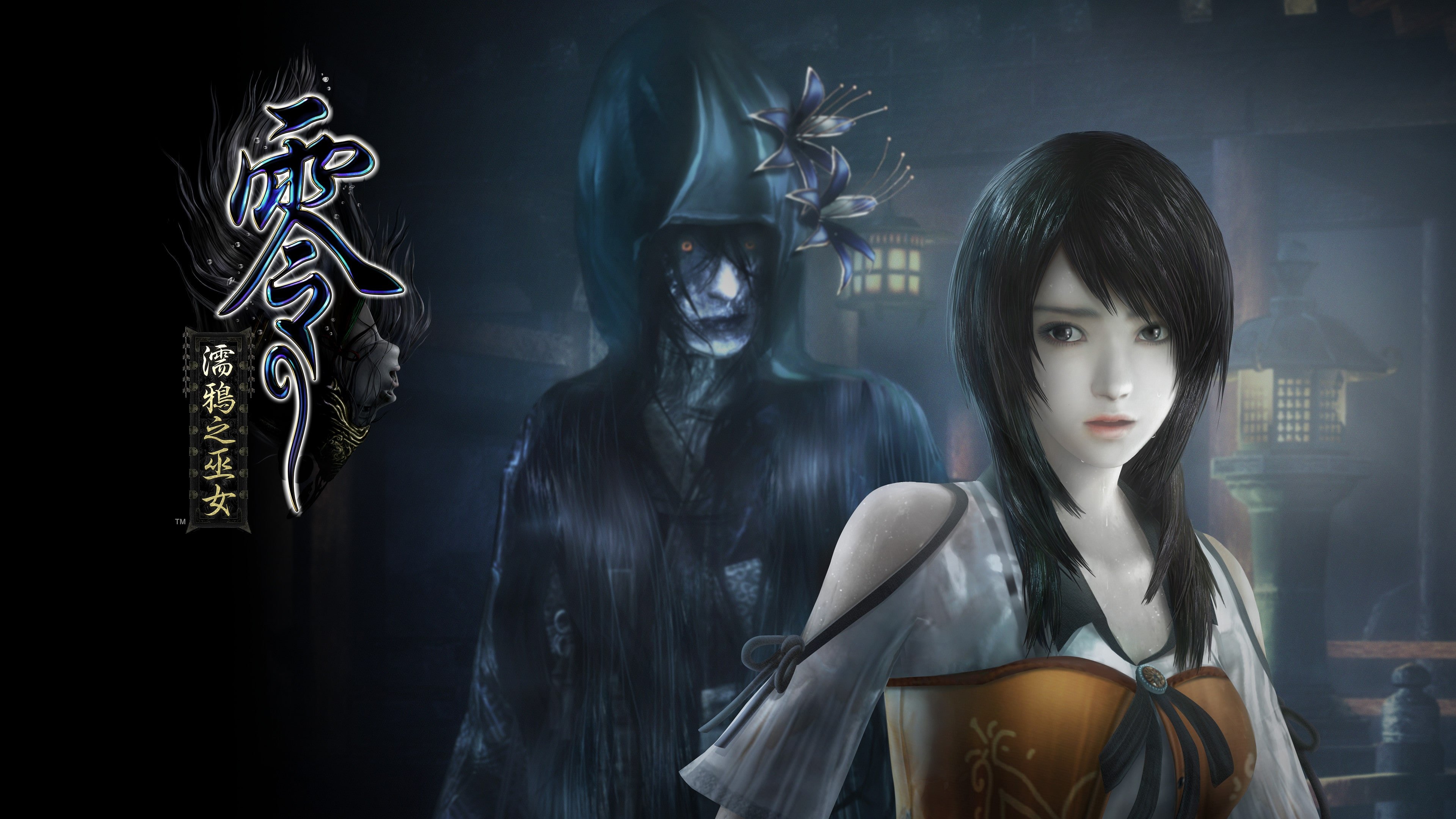
Summary:
Koei Tecmo’s recent remake direction has fans asking the obvious question: if older entries are getting rebuilt, where does that leave the very first Fatal Frame? In an interview with Japanese outlet 4Gamer, series director Makoto Shibata addressed that exact idea and his answer boils down to something surprisingly practical. The original game was praised because “photographing spirits” felt new at the time, but if you bring that first entry forward exactly as it was, you run into a scale issue. Shibata pointed out that the number of areas and characters is relatively low, and the story is short, which makes overall playtime short. That’s not a moral judgment on the original, it’s a remake reality check. When you rebuild something for modern audiences, players often expect a certain scope, and teams have to decide whether to expand, restructure, or take creative swings that go beyond a one-to-one recreation.
Shibata also explained why Crimson Butterfly was easier to pick as a starting point. With a longer story and more to work with, it becomes a more natural candidate for a full remake approach. The interesting part is that he didn’t shut the door on Fatal Frame 1. He said there is a possibility, especially if the team were to greatly evolve the game so it could deliver a new experience. That phrase matters because it frames a potential remake as more than upgraded visuals. It suggests added substance, redesigned pacing, and new ideas that still respect what made the original special. If Crimson Butterfly is well received, we should expect the conversation around the first game to keep getting louder, not quieter.
Why the first Fatal Frame remake question keeps returning
Let’s be honest – when a series starts revisiting its past, the first entry becomes the elephant in the haunted room. Fans don’t ask about a remake of Fatal Frame 1 because they’re trying to be difficult. They ask because origins matter. The first game is where the series’ identity clicked into place, and it’s also the cleanest way to introduce newcomers to the core idea without asking them to do homework. There’s also a simple emotional reason: people remember their first scare. The original Fatal Frame has that “I played this with the lights on and still regretted it” reputation. So when Koei Tecmo talks about remaking older titles, it’s natural for everyone to point at the beginning and say, “So… are we doing that too?”
What Makoto Shibata said about remaking the original
Shibata’s comments are refreshing because they don’t hide behind vague hype. He acknowledged that requests for a remake of the first game exist, and that it was discussed internally. Then he explained why it’s not an easy straight-line decision. The original was well received partly because the concept of taking photos of spirits felt new at the time. Over the years, the series added new elements, which means the baseline expectation for what a Fatal Frame experience feels like has changed. If you recreate the first game exactly as it was, modern players might be surprised by how small the scope is. That doesn’t make it bad – it just changes the remake equation in a very real way.
The content problem: areas, characters, and playtime
Shibata’s key point is scale. He noted that if the first game were remade “as it was,” the number of areas and characters is quite low, and many things would need reconsideration. He also said the story isn’t very long, which leads to a shorter playtime. This is the part some people hate hearing, but it’s also the part that makes sense once you sit with it. A modern remake is usually judged not only by atmosphere, but by how satisfying the full arc feels. If the credits roll and players go, “Wait, that’s it?” the conversation can quickly shift from praise to disappointment. It’s like serving a dessert that tastes amazing but comes in a spoon-sized portion – delicious, yes, but you can already hear the grumbling from the table.
Why the original concept landed so hard back then
The first Fatal Frame hit at the right time with the right idea. “Taking photos of spirits” sounds simple, but it flips the usual horror dynamic on its head. Instead of running away with a weak flashlight, you’re forced to look directly at what’s trying to kill you. That idea was novel enough that the experience could lean on it as a headline feature. Shibata’s point is that the series didn’t stand still after that. Later entries introduced additional mechanics and design choices, which means a modern audience might expect more variety and more layered pacing. If the first game returns, it has to be more than a museum piece with prettier textures. It needs to feel alive in the present.
The Camera Obscura as the series’ signature hook
The Camera Obscura is the beating heart of Fatal Frame, and it’s also the weirdest “weapon” in horror in the best way. It forces bravery through mechanics. You don’t win by looking away – you win by letting the danger get close, framing it, and pressing the shutter at the worst possible moment for your nerves. That’s why the original concept still matters today. It’s also why a first-game remake conversation never fully dies. Even now, the camera idea feels different from guns, knives, or magic. It’s intimate, personal, and a little cruel. If Koei Tecmo ever rebuilds Fatal Frame 1, the camera has to remain that uncomfortable handshake with fear, not a gimmick that’s been softened into something safe.
Why Crimson Butterfly was the better remake starting point
Shibata explained the choice in a way that’s hard to argue with: Crimson Butterfly has a longer story and more to work with, making it the better title to consider first. When you’re investing in a full remake effort, a larger narrative and richer structure can justify the time and cost more easily. It also gives developers more places to modernize without needing to invent huge chunks from scratch. Think of it like renovating a house. If the foundation is wider and the rooms are already there, you can add new wiring, better lighting, and stronger walls without rebuilding the whole neighborhood. Starting with a bigger game can simply be the cleaner path.
A longer story makes modernization easier
A longer story gives a remake more natural momentum. It supports stronger pacing, clearer chapter breaks, and more opportunities for variation in objectives and scares. It can also better handle modern expectations like richer character moments and more detailed environmental storytelling. That doesn’t mean horror needs to be bloated. It means the remake can offer a satisfying arc without feeling like it ends right as you’re getting invested. When Shibata points to story length and overall scale, he’s basically saying that Crimson Butterfly provides more material that can be rebuilt and enhanced while still feeling authentic to the original structure.
The twin-sister core that fans still talk about
Crimson Butterfly’s central relationship gives it emotional weight that’s easy to amplify in a remake. Horror hits harder when you care about who’s trapped in it. A strong bond between characters can turn a scary hallway into something worse – because now you’re not only scared for yourself, you’re scared for someone you can’t just abandon. That kind of emotional anchor also helps remakes feel purposeful. You’re not simply repainting walls. You’re re-staging moments players remember, then strengthening them with better presentation, stronger direction, and more expressive character work.
What “greatly evolving” Fatal Frame 1 could realistically mean
Shibata didn’t promise a remake of the first game, but he did say the possibility exists, especially if the team greatly evolves it to share a new experience. That phrase is doing a lot of heavy lifting. It suggests that a future version would need meaningful changes, not just a visual upgrade. The goal would be to respect the original’s identity while also addressing the content and playtime concerns he raised. That’s a tricky balance. If you add too little, people complain it’s too short. If you add too much, people complain it’s not the same game anymore. The sweet spot is evolution that feels like it was always meant to be there, like a director’s cut that finally matches the story the game was trying to tell all along.
Expanding the location without losing the tight fear
One obvious approach is expanding the setting in a way that reinforces dread instead of diluting it. More rooms and more routes can work if they increase tension and discovery rather than turning the experience into a checklist. A future remake could deepen the mansion’s history with optional spaces, locked wings, or shifting layouts that make the environment feel more alive and hostile. The important part is keeping the claustrophobic rhythm. Fatal Frame works when you feel trapped with your thoughts, listening for a sound you can’t place. Expansion should feel like the walls are closing in from more directions, not like you’re touring a bigger museum.
Modern systems that can add depth without padding
Modernization doesn’t have to mean stuffing in busywork. It can mean smarter systems that encourage exploration and replay without turning horror into errands. Optional cases, additional spirit encounters with unique backstories, and layered environmental clues can add substance while staying true to the tone. A remake can also improve how progression feels by making items, notes, and discoveries connect more clearly to the history of the setting. Done well, extra material should feel like peeling wallpaper and finding the ugly truth underneath. It’s not “more for the sake of more.” It’s more because the story world can handle it.
Accessibility and difficulty options that keep the tension
One of the best “new experience” upgrades is giving players more ways to engage with fear without removing it. Accessibility and difficulty options can help people who love horror but struggle with certain mechanics, while still preserving the core risk-reward photography. For example, optional assists that clarify camera timing or reduce frustration can keep the focus on atmosphere. Difficulty tuning can also preserve that fragile balance between “I can handle this” and “I should not be here.” A good horror experience feels like walking on thin ice. Options don’t have to thicken the ice. They can simply make sure more people get to step onto it.
How Koei Tecmo approaches remakes when fan requests pile up
Part of this story is simple human nature: fans ask loudly, repeatedly, and for years. Shibata and other team members have acknowledged how requests influence what gets considered, and the discussion around Crimson Butterfly shows how sustained demand can push a project forward. But there’s always a reality check behind the scenes. Remakes compete with new titles for time, staff, and budget, and teams have to pick battles they can win. Choosing a remake with more built-in scale can lower risk. It’s not glamorous, but it’s honest. If you want a franchise to keep existing, decisions have to be survivable, not just exciting.
Choosing what to rebuild first, and why order matters
Starting with a particular entry also sets expectations for what “remake” means for the series. If Crimson Butterfly establishes a certain level of production value, design ambition, and added systems, that becomes the new baseline. That’s another reason the first game is complicated. Once players see what a remake can look like, they’ll want that same energy applied to Fatal Frame 1. Order matters because it shapes the conversation. It’s like hearing your favorite band re-record one of their biggest hits with modern production – now you want the whole back catalog treated the same way, even the early tracks that were recorded in a garage.
Keeping a short horror game satisfying in a remake
Short horror can be brilliant. In fact, some of the scariest experiences work because they don’t overstay their welcome. The issue is that modern players often attach “value” to length, even when length isn’t the point. Shibata’s concern about the first game’s short story and playtime fits that reality. A remake can solve this without turning the experience into a marathon. The trick is offering depth that feels optional, rewarding, and tonally consistent. That way, players who want the classic pacing can get it, and players who want more can chase it without forcing everyone onto the same track.
Optional routes, side cases, and smart replay hooks
Optional content can add meaningful playtime while keeping the main path tight. Side cases might involve unique spirits, alternate story angles, or hidden rooms that reveal more about the location and its tragedies. Replay hooks can also be designed in a way that fits horror, like alternate spirit behaviors, subtle changes in key encounters, or a photo archive system that encourages players to capture rare moments. The goal is not to turn fear into collect-a-thon energy. The goal is to make the world feel deeper, like you’ve stepped into a place with layers of history that you can uncover if you’re brave enough to keep looking.
Camera mechanics, risk-reward fear, and series evolution
Fatal Frame’s combat is not about power fantasy. It’s about courage under pressure, and it works because it makes you face the threat rather than escape it. That philosophy has carried across the series, even as mechanics evolve. Any remake conversation, especially for the first game, has to start here. If the camera stops feeling scary to use, the whole thing collapses. A remake can modernize feel and feedback – smoother controls, clearer framing, improved responsiveness – but the core must stay uncomfortable. You should still feel your stomach drop when the best shot requires letting a ghost get closer than you want.
Timing the shot: why the camera still feels like a weapon
The tension of waiting until the last second is the signature. It’s the horror version of holding your breath underwater and daring yourself to stay down one more moment. This is where modern presentation can help without changing the rules. Better animations, stronger lighting, and more reactive audio can make the “now” moment clearer and more terrifying. A remake can also make the camera feel more like an actual device, with realistic handling and feedback that heightens immersion. But the point remains the same: you’re not winning because you’re strong. You’re winning because you didn’t blink.
Modern camera ideas like focus and filters in horror
Modern camera features can add depth if they’re designed to fit the theme. Focus systems can reward steady hands under stress. Filters can change what you see, pushing players to experiment in ways that create vulnerability. These ideas can also strengthen the fantasy that you’re using a strange tool that interacts with the supernatural, not a generic weapon skin. The best part is that these additions can feel natural to Fatal Frame. A haunted camera should have quirks, limitations, and odd advantages. It should feel like a bargain you made with something you don’t fully understand.
Atmosphere comes first: what cannot be lost in a remake
Horror remakes live or die on atmosphere. You can improve graphics and still fail if the mood is wrong. Fatal Frame’s fear is built from quiet spaces, unsettling clues, and the sense that the environment is watching you back. Any rebuild of Fatal Frame 1 would need to protect that tone like it’s the last candle in a windy corridor. Bigger scale and more systems mean nothing if the game stops feeling lonely, oppressive, and intimate. The goal is not to become louder. The goal is to become sharper – like turning up the resolution on a nightmare you already remember too clearly.
Sound, silence, and the dread of empty hallways
Sound design is the hidden monster. Footsteps, distant creaks, sudden quiet, and the wrong kind of whisper can do more damage than a jump scare ever could. A modern remake can make this even stronger with higher quality audio, more precise spatial cues, and smarter layering that reacts to player movement. Silence matters too. Silence is where your brain starts making its own ghosts. The first game’s atmosphere is tied to that uneasy emptiness, and a remake should treat it as a feature, not a gap to fill. If every moment is busy, nothing feels scary. If the hallway is quiet, your imagination does the screaming.
What to watch next after Crimson Butterfly
Shibata framed the possibility of a Fatal Frame 1 remake in relation to future remake efforts and how well Crimson Butterfly is received. That’s a practical signal for fans. It means the immediate focus is on making the current remake land, and the next decisions are shaped by how players respond. Reception isn’t only about sales chatter, either. It includes how people talk about the changes, whether the new ideas fit, and whether the remake earns trust. If fans feel Koei Tecmo respected the series while modernizing it, the appetite for a first-game remake becomes easier to justify internally.
Reception as the signal that unlocks future plans
When a remake hits, it doesn’t just succeed as a single release. It becomes proof that the franchise can thrive in the modern market. That’s important for a series with a distinct identity that doesn’t chase mainstream trends. Strong reception tells decision-makers that there’s room for more, and it also tells the development team that their approach works. If Crimson Butterfly’s remake direction is praised, the argument for evolving Fatal Frame 1 becomes more believable. It turns “maybe” into “we have a blueprint.”
The kinds of comments that usually hint at what’s next
Interviews like Shibata’s often function as soft temperature checks. Developers explain constraints, talk about possibilities, and watch how fans react. If you see repeated messaging around “evolving” older entries or addressing scale, that’s usually a sign the team is thinking in that direction. The key is not to chase rumors. The key is to pay attention to consistent language: talk about content, playtime, and delivering a new experience. Those are the practical pillars that will shape whether Fatal Frame 1 returns as a remake, and what form it would take if it does.
Why the original Fatal Frame still matters right now
The first game still matters because it’s pure. It’s a bold concept executed with confidence: face the ghost, take the photo, survive the moment. That simplicity is part of the charm, and it’s also why a remake has to be careful. You don’t want to sand down the edges until it feels like any other modern horror experience. At the same time, Shibata’s points about short length and limited scope are real. So the original sits in an interesting place: it’s historically important, still scary in its own way, and also the hardest to rebuild without changing what made it special. That’s exactly why the conversation won’t stop.
The power of a simple idea done with confidence
Sometimes the scariest thing is a single rule you can’t escape. Fatal Frame’s rule is that you must look at what you fear. That’s why the camera concept is so memorable, and why people keep imagining what the first game could be with modern visuals, sound, and system design. If Koei Tecmo ever chooses to remake it, the best outcome is a version that feels like the original’s spirit, but with the kind of evolution Shibata described – more substance, smarter pacing, and new ideas that still respect the core tension. In other words, the same nightmare, but with clearer eyes open in the dark.
Conclusion
Makoto Shibata’s comments make the situation clear: remaking Fatal Frame 1 isn’t off the table, but it can’t be treated like a simple rebuild. The original’s shorter story, limited number of areas and characters, and shorter playtime create a real challenge if Koei Tecmo tries to reproduce it exactly. That’s why Crimson Butterfly, with its longer story and broader structure, was a more natural remake starting point. The hopeful part is that Shibata left room for the first game to return if it’s greatly evolved to provide a new experience. If Crimson Butterfly is well received, the pressure and the opportunity both grow. For fans, the best mindset is patient curiosity: watch how the remake is received, watch how the developers talk about future plans, and remember that horror works best when it’s crafted carefully, not rushed. If Fatal Frame 1 comes back, it deserves to come back with intention, not just nostalgia.
FAQs
- Did Makoto Shibata say a Fatal Frame 1 remake will happen?
- He said there is a possibility, but he also explained that the original has content and length issues that would need major reconsideration, especially if it’s remade in a modern context.
- Why did Koei Tecmo choose Crimson Butterfly for a remake first?
- Shibata explained that Crimson Butterfly has a longer story and more built-in scope, making it a better candidate to remake compared to the shorter and smaller-scale first game.
- What is the main challenge with remaking the first Fatal Frame?
- The challenge is scale – fewer areas and characters, plus a shorter story and playtime, which can make a direct remake feel lighter than modern players expect unless it’s meaningfully expanded or reworked.
- What could “greatly evolving” Fatal Frame 1 look like?
- It likely means more than upgraded visuals – expanded locations, deeper story structure, and modern systems that add substance while keeping the core fear of using the camera up close.
- What should fans watch for that might hint at a first-game remake?
- Pay attention to how the Crimson Butterfly remake is received and to consistent developer language about expanding scope and delivering a new experience, since Shibata linked future possibilities to those factors.
Sources
- Koei Tecmo discusses the possibility of a Fatal Frame 1 remake, Nintendo Everything, January 18, 2026
- FATAL FRAME II: Crimson Butterfly Remake was created due to fan demand, GoNintendo, January 10, 2026
- [インタビュー]和風ホラー「零 ~紅い蝶~ REMAKE」は, 4Gamer, November 13, 2025
- For the first time since 2012, we’re getting a new Silent Hill, Fatal Frame and Resident Evil within a 6 month window, PC Gamer, November 11, 2025
- “This full remake gave us the perfect opportunity”: One of the scariest Japanese horror games is back after 20 years, GamesRadar+, September 26, 2025