














Summary:
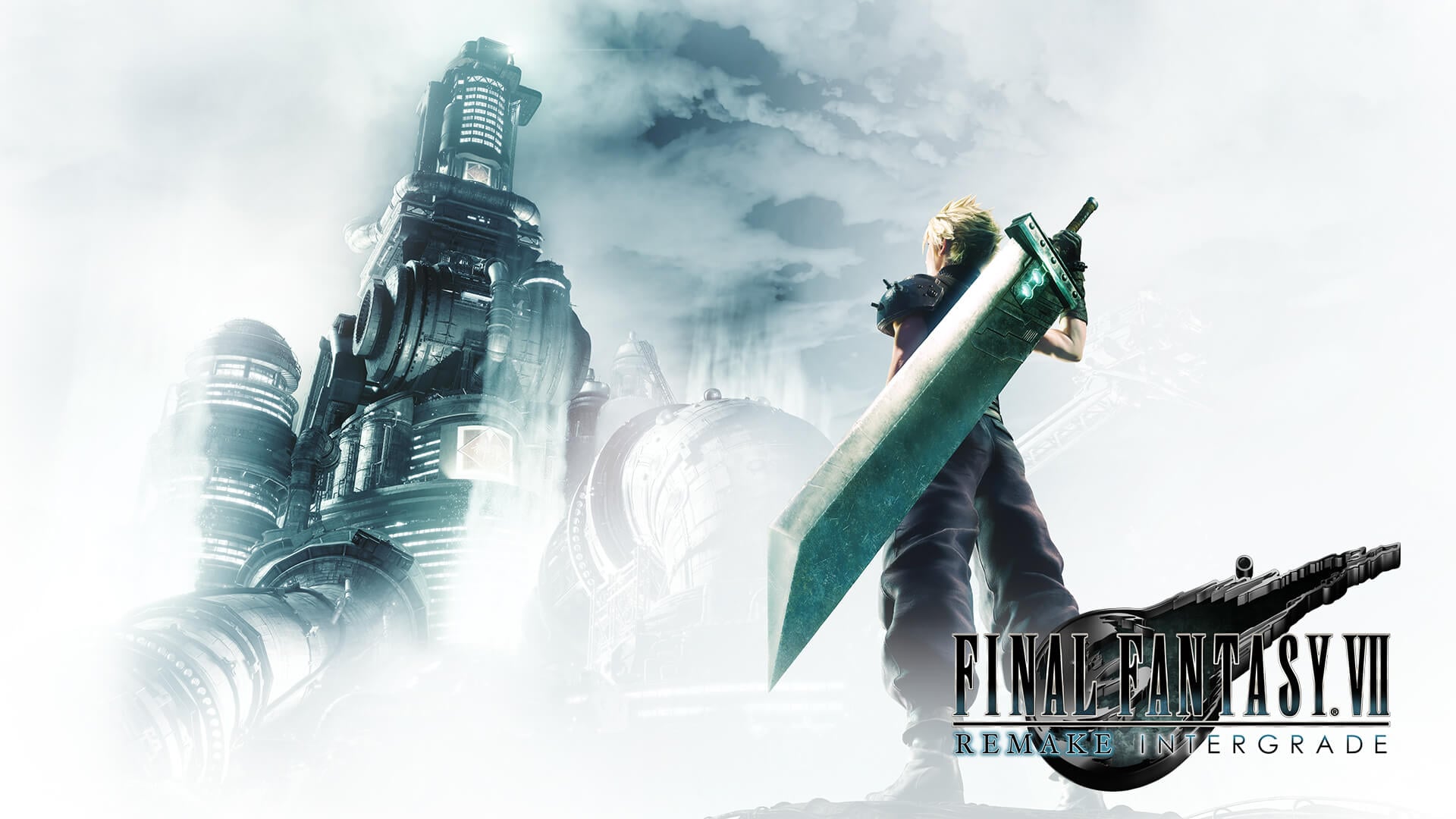
Final Fantasy VII Remake Part 3 is starting to sound less like a distant mystery and more like a game with real shape, momentum, and direction behind it. Recent comments from director Naoki Hamaguchi paint a picture of a project that is no longer trying to figure itself out from scratch. Instead, the team appears to have its gameplay base already established and is now working through the kind of fine-tuning and polishing that usually suggests confidence rather than confusion. That distinction matters. When a huge role-playing game reaches the stage where the core is in place, the conversation changes. It stops being about whether the vision exists and starts being about how sharp, cohesive, and memorable the final experience can become.
What makes this update stand out even more is Hamaguchi’s emphasis on staff retention. He explained that around 95 percent of the Rebirth team stayed on for the third project, and that is the kind of detail fans should pay close attention to. Big games often lose momentum when teams shift, knowledge gets scattered, or creative decisions have to be relearned by new people. Here, the opposite seems to be happening. The same developers who helped shape Remake and Rebirth are carrying that experience into the trilogy’s closing chapter. That gives Square Enix something every long-running project wants but does not always get – continuity, rhythm, and a shared understanding of what makes this version of Final Fantasy VII work. Put it all together, and the third game feels less like a leap into the unknown and more like a final stretch with the finish line finally in sight.
Final Fantasy VII Remake Part 3 suddenly feels much closer
There is a big difference between hearing that a game is in development and hearing that its gameplay foundation is already in place. One sounds broad and foggy. The other sounds tangible. That is why Naoki Hamaguchi’s latest comments land so well. They suggest that the third entry in the Final Fantasy VII Remake trilogy is no longer living in the sketchbook phase. The shape is there. The structure is standing. What remains is the careful work of sanding the edges, tightening the pacing, and making sure the full experience feels worthy of the name attached to it. For fans, that is a meaningful shift. This is not just any sequel. It is the closing chapter of one of Square Enix’s most important modern projects, and people have been waiting to see whether the finale can carry the same energy as the first two games. Right now, the signs are encouraging. The mood around the project feels steady, not frantic, and that kind of calm matters when expectations are towering over the whole production like the Shinra Building itself.
Why the gameplay foundation matters so much
When a director says the gameplay foundation is already set, that usually means the toughest creative questions have been answered. The team likely knows how exploration, combat flow, progression, and major systems are meant to work. That may sound obvious, but for a massive RPG with cinematic ambitions, layered combat, story-heavy progression, and huge fan expectations, those decisions are the beating heart of the entire experience. Without that core, polishing is just window dressing on an unfinished house. With it, polishing becomes powerful. It is where combat feel improves, transitions get smoother, animations tighten up, and all the little details that players cannot always name start making the game feel better in their hands. Anyone who played Remake and Rebirth knows how much those details matter. A dodge that feels cleaner, a menu that wastes less time, a boss encounter that better balances spectacle and pressure – these are the things that turn a good RPG into one that sticks in your memory for years. That is why this update feels promising. It points to a team refining, not scrambling.
A polished finale starts with a stable core
Polish is one of those words people hear all the time, but it is often used so loosely that it starts to lose meaning. In a project like this, polish is not just prettier lighting or an extra coat of visual shine. It is discipline. It is the process of making every moving part feel like it belongs exactly where it is. For the third Final Fantasy VII Remake game, that matters more than ever because the finale has to balance scale, emotion, combat, world design, and narrative payoff all at once. If the foundation is stable, the team can spend more of its energy improving how the game feels moment to moment instead of wrestling with unfinished systems behind the curtain. That creates a better chance at consistency, and consistency is often what separates a beloved ending from one that leaves players with a shrug and a tired sigh. Nobody wants a trilogy finale that feels stitched together with panic. Players want one that lands with force, clarity, and confidence.
Confidence is often quieter than hype
One of the most reassuring things about Hamaguchi’s remarks is their tone. They do not sound like wild promises or oversized marketing fireworks. They sound measured. That is usually a good sign. Loud claims can be exciting, but steady updates often inspire more trust because they feel grounded in actual progress. Final Fantasy fans have seen enough ambitious projects over the years to know the difference between excitement and stability. The better signal here is not noise. It is control. When a team sounds like it knows where the game is, what remains to be done, and who is doing that work, that creates a different kind of anticipation. It is less about speculation spiraling in every direction and more about confidence building piece by piece. Sometimes the strongest update is not the flashiest one. Sometimes it is simply hearing that the machine is running smoothly and the people behind it know exactly what they are building.
Staff retention may be the trilogy’s secret weapon
Hamaguchi’s comment that roughly 95 percent of the Rebirth staff remained on board for the third project might be the most important detail in this entire update. That figure says a lot without needing dramatic language around it. Large game development is messy even under the best circumstances. Teams change, priorities shift, and knowledge can disappear faster than a materia orb rolling off a cliff. When a project keeps that much of its experienced staff, it preserves creative memory. The people who solved problems on Rebirth are still there. The people who understand the combat rhythm, the cinematic language, the tone of the world, and the way this remake trilogy balances nostalgia with reinvention are still there. That continuity is not glamorous, but it is gold. It helps a team move faster, make decisions with confidence, and avoid the kind of stop-start development that can quietly weaken even the most exciting game. In many ways, this may be one of the biggest reasons the third entry feels so stable already.
Why continuity changes everything in a project this big
Continuity matters because games of this scale are not built only from documents and design pillars. They are built from shared instincts. One department knows how another likes to work. Leads understand what visual targets are realistic. Combat designers know what story teams are trying to support. Artists know how far they can push spectacle without losing the texture that defines the world. When new teams constantly rotate in, all of that chemistry has to be rebuilt. It is like trying to perform a symphony while swapping out half the orchestra between movements. You might still get music, but the rhythm gets shaky. A retained team keeps the rhythm intact. For Final Fantasy VII Remake Part 3, that means the people shaping the finale are not starting cold. They have already lived inside this trilogy’s version of Gaia. They know its pace, its emotional weight, and its design language. That knowledge can save time, reduce friction, and strengthen the final result in ways players may not consciously notice but will absolutely feel.
Rebirth’s success did not happen by accident
It is hard to talk about the third game without acknowledging how much Final Fantasy VII Rebirth raised the bar. Rebirth was not praised only because it carried a famous name. People responded to its scale, its character work, its combat variety, and the way it gave the world more room to breathe. That success created both momentum and pressure. Momentum, because the team now has proof that its approach works. Pressure, because players are going to expect the final game to build on that standard rather than merely repeat it. This is where staff retention becomes such a powerful advantage. The same people who helped make Rebirth resonate with players are still involved. That gives the third game a better shot at feeling like a true continuation instead of a finale made by committee. Fans do not want the closing chapter to lose its voice right before the curtain falls. Keeping the team together helps protect that voice.
Experience beats panic every time
There is a reason veteran teams are so valuable late in a trilogy. They have already made mistakes, fixed them, and learned what works. That kind of lived experience is incredibly hard to replace. New talent can be fantastic, of course, but there is a special strength in a team that has gone through the full cycle together and still knows how to move as one. For Part 3, that means fewer growing pains and more focused refinement. It means the developers are not spending precious time learning the project’s identity from scratch. They already know what belongs and what does not. That is the kind of advantage that keeps a project from wobbling when the stakes are highest. In a finale, wobbling is dangerous. Players will forgive a rough edge here or there, but they will not easily forgive a game that feels unsure of itself. Experience helps keep that from happening.
Hamaguchi’s comments suggest calm confidence, not chaos
What stands out most in this latest update is how settled everything sounds. There is no sense that Square Enix is rushing to invent the last game at the eleventh hour. Instead, the impression is of a team that already knows the road and is focused on making sure the ride is as strong as possible. That is exactly what fans should want to hear at this stage. Final chapters carry unusual pressure because they have to satisfy on two fronts at once. They need to work as games in their own right, and they need to feel like the proper conclusion to everything that came before. That is not easy. One weak decision can echo across the entire trilogy. So when Hamaguchi talks about a stable gameplay base and strong continuity across the team, it points to a development environment that seems more organized than anxious. That does not guarantee perfection, of course, but it does suggest that the finale is being built from a position of strength rather than desperation.
What this means for players waiting on the full reveal
For players, this kind of update changes the mood. Instead of only asking when the game will finally be shown in full, people can start asking what shape that reveal might take. A project with a gameplay foundation already locked in is in a stronger position to present itself clearly. That matters because reveal events live or die by confidence. If the team is ready, it can show systems with conviction, spotlight key story directions without seeming vague, and give fans a better sense of how this closing chapter will stand apart from Remake and Rebirth. There is also something emotionally satisfying about hearing that the same creative core is still carrying the torch. Players invest in trilogies differently from standalone games. They get attached not only to the characters, but also to the style, pacing, and personality of the series as it evolves. Knowing that the same hands are shaping the final stretch helps preserve trust. And in a fandom this passionate, trust is not a tiny thing. It is everything.
Why the third game carries unique pressure
The final entry always has the hardest job. The first game gets to introduce a vision. The second gets to expand it. The third has to finish the conversation in a way that feels earned. That is especially true for Final Fantasy VII, where nostalgia, expectation, and scrutiny all collide in the same crowded room. Fans are not simply waiting for another RPG. They are waiting for payoff. They want the emotional arcs to land, the world-building choices to make sense, and the gameplay to feel like the strongest version of everything the trilogy has been building toward. That is a lot to carry. It is the kind of burden that can crush a shaky project. But it can also sharpen a strong one. If the team really is in a fine-tuning phase with most of Rebirth’s staff intact, that gives the third game a real chance to meet that pressure head-on. The mountain is still steep, but at least they are climbing it with the same boots that got them this far.
Square Enix now has a chance to finish strong
There is still plenty we do not know about the final game, and that is fine. What matters right now is the signal coming from the people making it. That signal suggests stability, continuity, and a clear direction. Those are not flashy promises, but they are the right ingredients for a strong ending. Square Enix has already shown that this remake project is not content to simply replay familiar beats in a prettier package. It wants to reinterpret, expand, and reshape one of the company’s most treasured stories while still delivering the emotional hits players care about. That ambition only works if the execution remains sharp. Based on Hamaguchi’s remarks, the team appears to understand exactly that. The finale still has to prove itself when it is finally shown and eventually released, but right now it feels like the trilogy is moving toward its ending with purpose. And honestly, that is the kind of update that can make a fan grin like they just found an extra Phoenix Down before a boss fight.
Conclusion
Final Fantasy VII Remake Part 3 is beginning to sound like a finale with real momentum behind it. The most encouraging takeaway is not just that the game is progressing, but that it appears to be progressing in the right way. Hamaguchi’s comments point to a project with its gameplay base already established, a team focused on refinement, and a remarkably high level of staff continuity from Rebirth. That combination matters because final chapters rarely succeed on excitement alone. They succeed when vision, experience, and execution line up at the same time. Square Enix still has a major task ahead of it, but the current signs suggest a team building from confidence rather than uncertainty. For anyone invested in this trilogy, that is exactly the kind of energy you want heading into the last stretch.
FAQs
- What did Naoki Hamaguchi say about Final Fantasy VII Remake Part 3?
- He said the team already has the gameplay foundation in place and is now focused on fine-tuning and polishing the game. He also noted that around 95 percent of the Rebirth staff stayed on for the third project.
- Why is staff retention important for Final Fantasy VII Remake Part 3?
- It helps preserve creative consistency, technical knowledge, and team chemistry. For a trilogy finale, that continuity can make the difference between a smooth finish and a game that feels uneven.
- Does this update mean Final Fantasy VII Remake Part 3 is close to release?
- The latest remarks suggest strong progress, but they do not confirm a release date. What they do show is that development appears to be in a more advanced and stable stage.
- Why do fans see this as a positive sign for the trilogy finale?
- Because it suggests the final game is being built by an experienced team with a clear gameplay direction already established. That usually points to better refinement and stronger overall cohesion.
- What makes the third game more important than a normal sequel?
- It has to close the full remake trilogy in a satisfying way. That means it must deliver strong gameplay, emotional payoff, and a sense of conclusion while still meeting the high expectations set by Remake and Rebirth.
Sources
- ‘Final Fantasy VII Remake’ Director Teases The Trilogy’s Finale, Bloomberg, March 6, 2026
- Final Fantasy 7 Remake director reveals new Part 3 details, GamesRadar+, March 7, 2026
- Final Fantasy 7 Remake Part 3 Will Take To The Skies, Visit Wutai, GameSpot, March 7, 2026
- Naoki Hamaguchi On Final Fantasy VII Remake Part 3 Release: ‘I’m Hoping It’s Not Going To Be Too Far In The Future’, PlayStation Universe, March 9, 2026
- Final Fantasy 7 Remake Part 3 still uses Unreal Engine 4 because it’s more beneficial to have something we’re already familiar with, GamesRadar+, February 2026