














Summary:
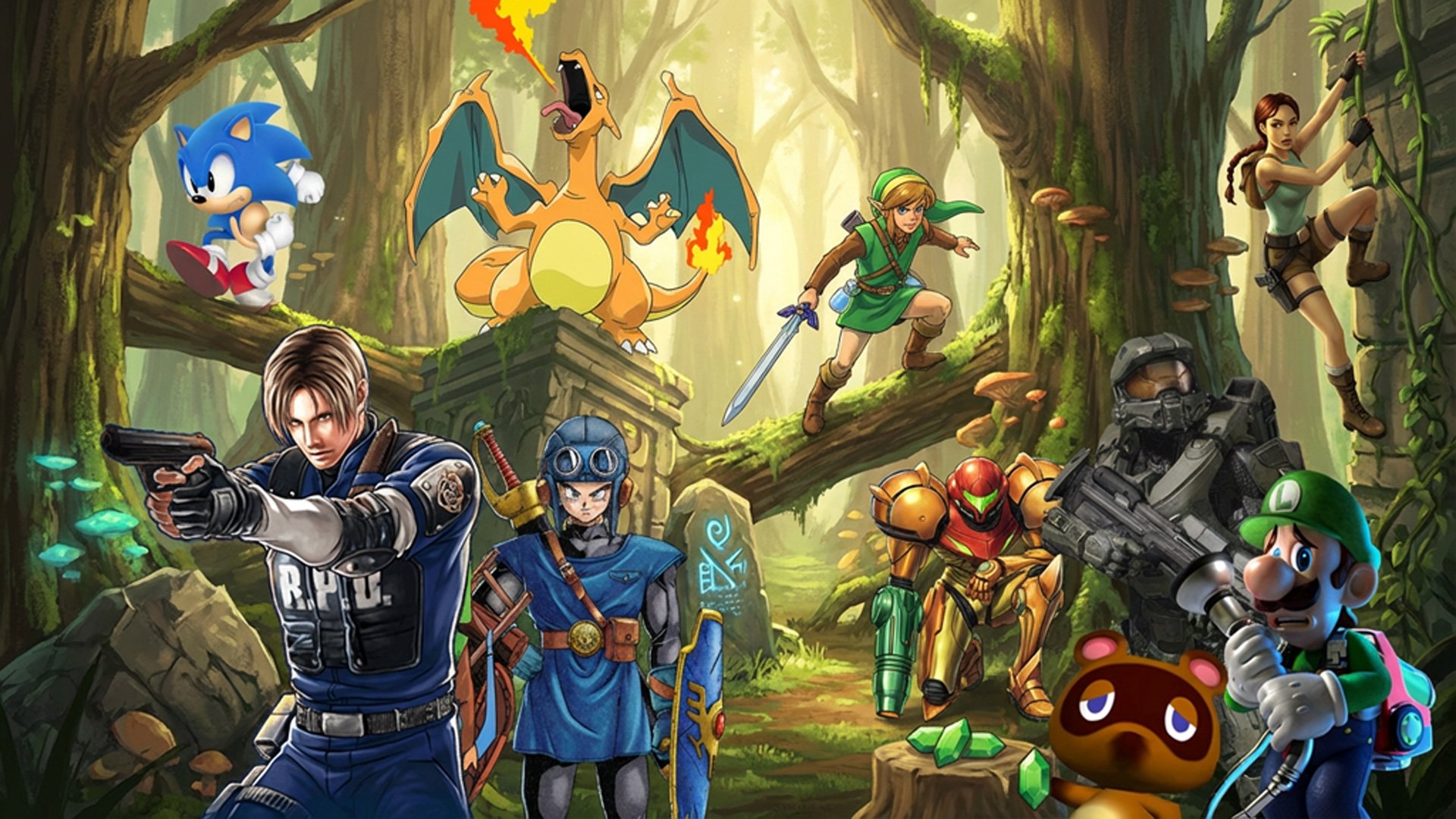
2026 lines up like one of those rare calendar years where your backlog suddenly feels personal. A bunch of series hit big, clean-number anniversaries at the same time, and that stacks the odds in favor of celebrations, spotlights, and plenty of nostalgia-fueled chatter. We’re talking about the 1986 heavy hitters reaching 40 years, including The Legend of Zelda, Metroid, Dragon Quest, Kid Icarus, and Castlevania. On top of that, Sonic the Hedgehog hits 35 years, while Persona and Pokémon reach 30. Then the 2001 crowd joins the party with Animal Crossing, Luigi’s Mansion, and Pikmin turning 25.
Instead of treating these milestones like random trivia, we can use them as handy “anchors” for how we follow announcements, replay older favorites, and share memories with other fans. Dates matter here. Zelda’s early history ties to February 21, Metroid’s to August 6, Dragon Quest’s to May 27, Sonic’s to June 23, and Pokémon’s to February 27. Even if you don’t care about exact days, these markers help explain why certain months tend to get louder for certain series. Most importantly, we can enjoy the hype without turning it into homework. A good anniversary year should feel like a celebration, not a second job.
Why 2026 feels packed … with gaming anniversaries
Some years in gaming feel “normal,” and some years feel like a fireworks show where every brand wants a piece of the sky. 2026 leans toward the fireworks side because multiple long-running series land on milestone anniversaries at once. When we say “Zelda: 40 years” or “Pokémon: 30 years,” we’re not just tossing out trivia – we’re pointing at decades of shared memories, hardware eras, and the weird little moments we still talk about like they happened yesterday. You might remember your first dungeon map, your first failed boss run, or the first time a save file vanished and you stared at the screen like it personally betrayed you. Anniversary years tend to bring those stories back to the surface, and they also give publishers a neat reason to highlight a series again. Even if nothing new is announced, the conversation gets louder, and that alone can make the year feel bigger.
How anniversaries are counted
Anniversaries usually trace back to a series debut, meaning the earliest release date of the first entry that kicked the whole thing off. That’s why 1986 matters so much for 2026. In 1986, several franchises that still shape gaming culture today launched their first main entries, which makes 2026 their 40th year. Sonic’s big origin point is 1991, so 2026 marks 35 years. Pokémon and Persona date back to 1996 for their roots, making 2026 the 30-year mark. Then 2001 shows up for the Nintendo trio that helped define a certain cozy and quirky era – Animal Crossing, Luigi’s Mansion, and Pikmin – which land at 25 years in 2026. If you ever wonder why fans love round numbers, it’s because they act like a big, bright sticky note on the calendar that says: “Hey, remember this?”
The difference between series debut and regional release
This part trips people up, so it’s worth getting straight. A debut date often refers to where the first release happened, which is frequently Japan for a lot of classic series. Regional releases can follow later, sometimes months later, sometimes longer. That doesn’t mean anyone is “wrong” when they celebrate – it just means they’re using different reference points. For example, a series might have a Japan launch date that becomes the historical anchor for anniversaries, while North America or Europe might have their own “this is when it arrived here” memories. Both can be true at the same time, like two birthdays for the same friend – one official, one personal. When we talk about anniversaries in 2026, we’re generally using the original debut dates that mark when the first spark happened, while still remembering that many players met these series later depending on where they lived.
The 40-year group from 1986
If 2026 had a “legendary class” photo, 1986 would be front and center. That year is tied to multiple series that helped define what console adventures could be, from exploration and atmosphere to RPG structure and gothic action. In 2026, The Legend of Zelda, Metroid, Dragon Quest, Kid Icarus, and Castlevania all land on 40 years. That’s not just a lot of candles on a cake – it’s a sign of how durable these ideas have been. Think about it: the basic feelings these series deliver are still recognizable today. Zelda still sells the thrill of discovery, Metroid still leans on isolation and curiosity, Dragon Quest still embodies classic RPG tradition, Kid Icarus still has that mythic Nintendo oddball charm, and Castlevania still carries that spooky castle vibe that never really goes out of style. When so many long-running names share a milestone, the whole year feels like a reunion.
Zelda – 40 years since February 21, 1986
Zelda’s 40th anniversary in 2026 traces back to February 21, 1986, when the original entry first released for the Famicom Disk System. That date matters because it marks the start of a series that taught generations of players to trust their curiosity. Zelda has always been good at making you feel like you’re one step away from a secret, even when you’re just wandering around with a few hearts and questionable confidence. The fun part is how widely Zelda’s “adventure DNA” spread. Even people who don’t play Zelda can often recognize its influence in puzzle design, dungeon pacing, and the simple idea that exploration should be rewarded. In an anniversary year, it’s common to see fans replay older entries, compare their first Zelda memories, and argue about the best item like it’s a serious academic debate. Spoiler: it’s always more emotional than academic.
Metroid – 40 years since August 6, 1986
Metroid’s 40th anniversary in 2026 points back to August 6, 1986, the debut of the original game. Metroid is a series that thrives on mood. It’s not just about blasting enemies – it’s about stepping into an unknown place, hearing that eerie soundtrack, and realizing you’re going to earn every shortcut you unlock. Over the decades, Metroid’s identity has stayed surprisingly consistent: exploration, upgrades that change how you move, and a sense that the environment is one big puzzle box. That’s why anniversaries fit Metroid so well. The series makes players remember not only what happened, but how it felt to find a hidden route or finally crack a tricky area. In 2026, “40 years of Metroid” isn’t just a number – it’s a reminder of how much patience, curiosity, and stubborn determination the series has trained into its fans.
Dragon Quest – 40 years since May 27, 1986
Dragon Quest hits 40 years in 2026, anchored to May 27, 1986, when the first Dragon Quest released in Japan. For RPG fans, Dragon Quest is one of those foundational pillars you can’t really ignore, even if you’ve never played it. It helped shape how console RPGs communicate progression, party building, and that comforting rhythm of town – field – dungeon – back to town. Dragon Quest also has a special relationship with tradition. Instead of constantly reinventing itself, it often polishes familiar ideas until they shine. That consistency is part of why milestone years matter here – they highlight how a series can stay recognizable across decades without feeling stuck. If you’re looking for a perfect “anniversary replay” vibe, Dragon Quest is like comfort food: it’s not trying to shock you, it’s trying to make you smile.
Kid Icarus and Castlevania – two 40-year throwbacks
Kid Icarus and Castlevania both sit in that 1986 launch window that makes 2026 their 40th year. What’s funny is how different they feel, despite sharing the same milestone. Kid Icarus has that myth-inspired Nintendo weirdness, a kind of “Saturday morning legend” energy where you can almost hear the old-school sound effects in your head just thinking about it. Castlevania, on the other hand, leans into gothic drama, monster hunting, and the idea that a creepy castle is basically the world’s worst Airbnb. Yet both series share something important: they represent an era when games were experimenting with identity fast. They weren’t afraid to be bold, sometimes punishing, and often unforgettable. In 2026, celebrating these series can be as simple as revisiting their roots and appreciating how much personality was packed into those early designs.
A quick date cheat sheet for 1986
If you like having a clean set of “anchors” for the year, 1986 gives us a handy lineup for 2026’s 40th anniversaries. Zelda traces to February 21, Metroid to August 6, and Dragon Quest to May 27, while Kid Icarus and Castlevania sit in the same classic-era debut timeframe that makes 2026 their 40th year as well. This isn’t about being pedantic – it’s about having reference points that explain why certain parts of the year feel louder for certain fanbases. When February rolls around, Zelda talk tends to spike. When late spring hits, Dragon Quest anniversaries get attention. When summer arrives, Metroid fans start watching the calendar. Think of it like seasonal weather patterns, but for gaming nostalgia. You don’t need to track every day, but knowing the “why” behind the timing makes the celebrations feel less random.
Sonic at 35 – June 23, 1991
Sonic the Hedgehog reaching 35 years in 2026 ties back to June 23, 1991, when the original game released in North America. Sonic anniversaries tend to feel energetic because the series identity is built on speed, attitude, and that bright, arcade-like confidence that practically bounces off the screen. Even people who don’t follow Sonic closely usually recognize what Sonic “means” as a brand: fast platforming, bold music, and a mascot that’s impossible to separate from the era that made mascots a serious business. A 35th anniversary is a fun number because it’s not the biggest roundest milestone, but it still feels significant enough to bring attention and celebration. For fans, it’s also a reminder that Sonic’s story includes plenty of highs, some very public stumbles, and a lot of passionate debate. Basically, Sonic doesn’t do quiet anniversaries.
Persona and Pokémon at 30 – 1996 roots
2026 also marks 30 years for Persona and Pokémon, both tied to 1996 origins. That’s a huge deal because these series shaped entire generations of players in completely different ways. Persona built a reputation for style, character-driven storytelling, and music that sticks in your head at the worst possible moments – like when you’re trying to sleep and your brain decides it’s concert time. Pokémon became a cultural phenomenon by turning collecting and trading into a social ritual, not just a game mechanic. When we talk about “30 years,” we’re talking about the point where a series has outlasted trends, hardware cycles, and even the attention spans of people who swear they’ve moved on. A 30th anniversary also hits a sweet spot: it’s old enough to be legendary, but recent enough that many adult fans can trace their own childhood right back to it.
Pokémon’s recurring marker: February 27
Pokémon’s key date is February 27, tied to the original 1996 launch of the first games in Japan. That date has become a recurring marker for celebrations over the years, which is why it stays relevant when we talk about 2026 being the 30th anniversary. Pokémon works so well as an anniversary series because it’s naturally built around “moments”: your first starter choice, your first trade, your first time you realized a certain battle theme makes your heart race for no rational reason. In 2026, “30 years of Pokémon” isn’t just a factoid – it’s a shared timeline for millions of players. Even if you don’t keep up with every new release, February 27 tends to pull you back in, at least long enough to remember the simple magic of starting with nothing but a dream and a handful of Poké Balls.
The 25-year wave from 2001
While 40 and 30 grab the headlines, 25 years is quietly powerful because it lands right in the heart of many players’ childhood memories. In 2001, Nintendo saw the arrival of series that didn’t just chase action – they chased mood, routine, and quirky identity. That’s why 2026 marks 25 years for Animal Crossing, Luigi’s Mansion, and Pikmin. These series have very different tones, but they share a certain “Nintendo personality” that’s hard to copy: the ability to be charming without being shallow, and to be simple on the surface while hiding surprising depth. A 25th anniversary is also a great excuse to revisit older entries without feeling like you’re studying history. It’s recent enough to feel familiar, but old enough that replaying it can feel like opening a time capsule you forgot you buried.
Animal Crossing, Luigi’s Mansion, and Pikmin turn 25
Animal Crossing, Luigi’s Mansion, and Pikmin all land at 25 years in 2026, and it’s hard to imagine Nintendo’s modern identity without them. Animal Crossing turned daily life into a gentle ritual, where “progress” could mean planting flowers, writing a letter, or just showing up. Luigi’s Mansion took a familiar character and put him in a setting where being nervous is the whole point, making bravery feel earned rather than automatic. Pikmin delivered strategy through tiny helpers, mixing cute visuals with the quiet guilt of realizing you definitely marched a bunch of them into danger. These series also age in interesting ways. What felt new in 2001 can feel comforting now, like a favorite hoodie that still fits. In an anniversary year, revisiting them isn’t about chasing novelty – it’s about remembering why their vibe worked so well in the first place.
Three different flavors of Nintendo comfort
It’s fun to think of these three as different comfort “flavors,” because they scratch different itches. Animal Crossing is the slow-simmer comfort – the kind where you can relax, take your time, and let the world feel kind for a while. Luigi’s Mansion is comfort with a flashlight and a nervous laugh, like telling yourself a spooky story but keeping one eye on the hallway. Pikmin is comfort with a strategy twist, because it’s adorable until you realize you’re basically managing a tiny squad’s survival. Together, they show why 2001 matters when we talk about 2026 anniversaries. Nintendo wasn’t just making games – it was creating moods people could return to. If you want a simple way to celebrate 25 years, pick one title from each “flavor” and treat it like a three-course meal of nostalgia.
How to enjoy the anniversary year without burning out
With so many big milestones in 2026, it’s easy to fall into the trap of trying to keep up with everything. Don’t. Anniversary years are supposed to be fun, not a checklist that makes you feel behind. A better approach is to choose the series that actually matter to you and build your own little celebration rhythm around them. Maybe you replay one classic, watch a documentary-style retrospective, or simply share your favorite memory with a friend who gets it. The goal is to enjoy the shared excitement without turning it into pressure. Think of it like a theme park: you don’t have to ride every ride to have a great day, and forcing yourself to do it all usually ends with you exhausted and holding a very overpriced drink. Pick your highlights, savor them, and let the rest be background noise you can smile at.
Conclusion
2026 stands out because it stacks milestone anniversaries across multiple generations of gaming. The 1986 class hits 40 years with Zelda, Metroid, Dragon Quest, Kid Icarus, and Castlevania. Sonic lands at 35 years, Persona and Pokémon reach 30, and the 2001 trio of Animal Crossing, Luigi’s Mansion, and Pikmin hits 25. Those numbers aren’t just trivia – they’re a reminder of how long these series have been part of people’s lives. The best way to treat an anniversary year is to make it personal. Use the dates as anchors if you like, but don’t let them boss you around. Replay what you love, revisit the moments that mattered, and enjoy the fact that these series are still sparking conversation decades later. That’s the real celebration: not just that the games existed, but that they stayed with us.
FAQs
- Why do so many franchises have anniversaries in 2026?
- Because several major series debuted in the same landmark years – especially 1986, 1991, 1996, and 2001 – which line up as 40, 35, 30, and 25 years in 2026.
- Which series hit 40 years in 2026?
- The list here highlights Zelda, Metroid, Dragon Quest, Kid Icarus, and Castlevania, all tied to 1986 roots that make 2026 their 40th year.
- What’s the easiest way to celebrate without spending a lot?
- Replay a classic you already own, listen to a soundtrack, or watch a community playthrough. Anniversaries are about memories, not mandatory purchases.
- Do anniversaries use Japan release dates or local release dates?
- Usually the original debut date is used as the historical anchor, which is often a Japan launch for older series. Fans in other regions may celebrate based on when it arrived locally too.
- Which 2001 series hit 25 years in 2026?
- Animal Crossing, Luigi’s Mansion, and Pikmin are the 2001-era names in this list, which makes 2026 their 25th year milestone.