














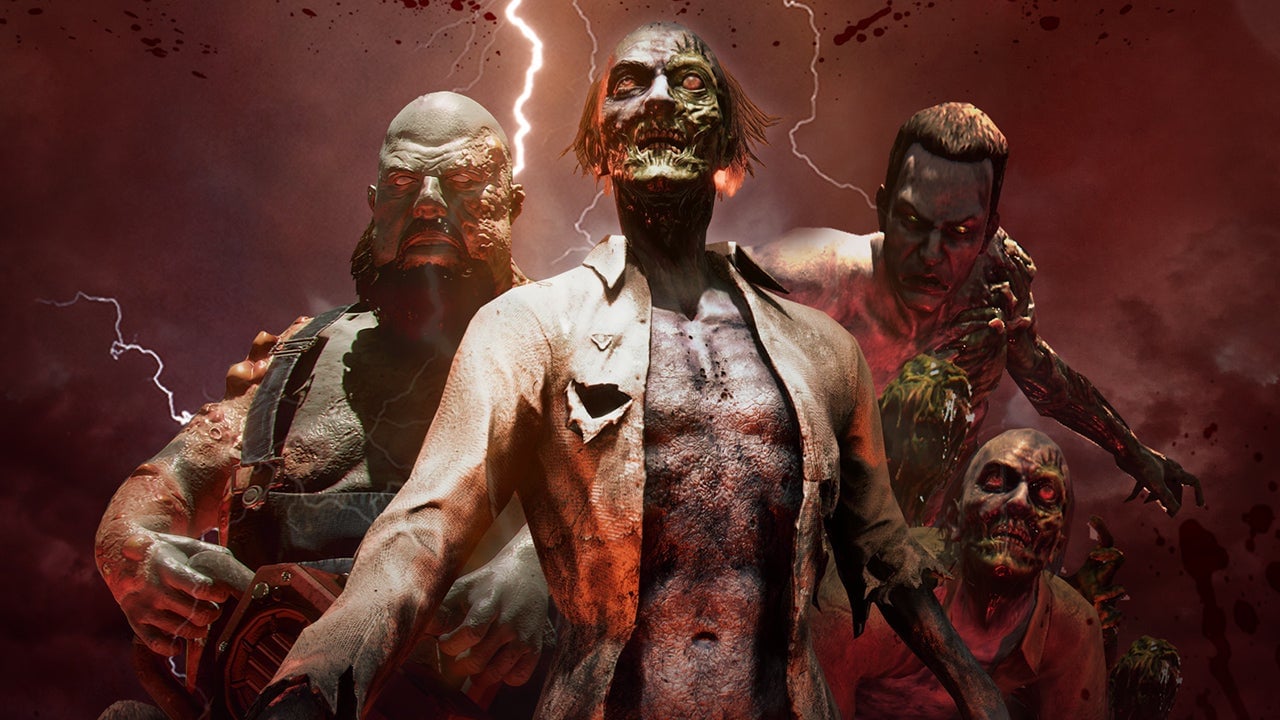
Summary:
House of the Dead is stepping back into the spotlight with a new live-action movie in development, and this time the ingredients look a lot more deliberate. Paul W.S. Anderson is set to direct, and Isabela Merced is attached as the lead, which instantly changes the vibe from “random nostalgia grab” to “real studio push with a real star.” That matters because House of the Dead carries baggage. The 2003 adaptation became a punchline for a lot of people, so any new attempt has to prove it understands what made the games fun, tense, and weirdly addictive in the first place.
The big signal here is that the project is being framed as a major SEGA focus coming off the momentum of the Sonic the Hedgehog movies. That does not mean House of the Dead should copy Sonic’s tone, but it does suggest SEGA is thinking in franchises and long-term planning, not a single one-off gamble. Anderson’s own comments point in the same direction. He is talking about a larger series of films and a world with lore to explore, which is basically the opposite of a “get in, get out” adaptation. The challenge is obvious, though. House of the Dead has to feel like House of the Dead, not just any zombie movie wearing an old arcade logo like a costume.
If the team gets the essentials right, the path is there. The games thrive on urgency, escalating set pieces, and that arcade rhythm where danger keeps arriving before you have time to breathe. Translate that into a modern horror-action movie with strong characters, a clean set of rules, and a style that embraces the series’ energy instead of apologizing for it, and suddenly this is not a risky bet. It is a chance to turn a classic light-gun legacy into something that actually belongs on a big screen in 2026 and beyond.
The new House of the Dead movie is finally moving
House of the Dead is not just being talked about again, it is actively lining up pieces that usually show a project has real traction. We have a director with a long history in action-horror, we have a lead actor with current mainstream heat, and we have reporting that frames the adaptation as a serious priority for SEGA. That combination is the difference between a rumor that floats around for years and a production that starts getting discussed in industry settings like film markets. If you have watched video game adaptations for long enough, you know the pattern: once the cast starts locking in and the project gets positioned as a flagship, the chances of it actually reaching cameras go way up.
There is also a practical reason fans are reacting so strongly. House of the Dead is one of those names everyone recognizes, even if they have not touched the series in ages. You can still feel the memory of an arcade cabinet, the plastic gun, the loud audio, and the pure chaos when a wave of enemies rushes you at the worst possible moment. A movie has to recreate that feeling in a different language, and the fact that this one is moving forward with recognizable talent suggests the plan is to translate the sensation, not just borrow the title.
Why SEGA is treating House of the Dead as a priority right now
Calling something a priority is not just a hype line, it is a clue about strategy. SEGA has seen what happens when an adaptation lands with the general audience, not only fans who already know every reference. The Sonic the Hedgehog films proved the brand can build momentum, attract families, and keep returning to theaters, which changes how the company views its library. When a studio sees a pattern that works, the next move is usually to apply that confidence to other recognizable names. House of the Dead fits because it is iconic, visually clear, and built around a genre that has a permanent audience appetite. Zombies never truly leave the party, they just change outfits.
There is another angle here too: House of the Dead is tailor-made for marketing. The hook is instantly understandable. You do not have to explain complex systems or dense backstory to sell the basic idea. It is survival, it is horror, it is forward momentum, and it is the kind of premise you can put into a trailer that plays well even for someone who has never picked up a controller. That simplicity is gold, especially when paired with a lead actor who already has a fanbase that spans TV and blockbuster film.
Paul W.S. Anderson’s track record with game-to-film horror
Paul W.S. Anderson is one of the most recognizable names in video game adaptation history, especially when the genre leans toward monsters, biohazards, and fast-moving danger. His style tends to favor slick momentum, big set pieces, and a clear sense of visual identity. That can be a strength for House of the Dead because the games are not subtle. They are loud, urgent, and built around spikes of panic followed by split-second relief. You can argue about taste all day, but Anderson knows how to keep an audience moving through a threat-filled corridor without losing the thread.
The best way to think about the fit is like this: House of the Dead is an arcade rollercoaster, not a quiet haunted house. If a director tries to turn it into slow, whispery dread for two hours, the result could feel like the brand is being drained of its personality. Anderson’s instincts usually push in the opposite direction. That does not guarantee success, but it does suggest the adaptation will aim for that “you barely got out of that room” tempo the games are famous for.
What Anderson has to nail to make this feel like House of the Dead
The tricky part is not zombies, everyone can do zombies. The tricky part is the specific rhythm and tone that makes House of the Dead stand out. We need clear escalation, clear rules, and clean geography so the action feels readable, not like a blender of noise. We also need the movie to embrace the series’ slightly heightened flavor. House of the Dead has always lived in that space where it is scary, but it also knows it is pulpy, like a midnight snack that tastes better because it is a little ridiculous. If Anderson leans too far into grim seriousness, we lose the arcade spirit. If he leans too far into goofy parody, we risk repeating the mistake of treating the brand like a joke. The sweet spot is intensity with a wink, not smug irony.
Isabela Merced as the lead and why that casting matters
Isabela Merced leading is one of the clearest “this is real” signals the project could have. Casting is not just about acting ability, it is about the kind of audience the project can attract on day one. Merced has built momentum through major roles across TV and film, and that gives the adaptation a strong center of gravity. House of the Dead needs a lead who can sell fear without turning every scene into melodrama, and who can sell toughness without feeling like a cardboard action figure. A good zombie movie lives or dies on whether you care who gets out alive.
There is also a tonal advantage to her casting. Merced can play intensity, but she can also play warmth, and House of the Dead needs both. If every character is stone-faced and miserable, the movie becomes exhausting. You need moments where the audience can breathe, laugh, and connect, because that makes the scares hit harder. Think of it like a heartbeat: tension rises, relief arrives, then tension spikes again. A lead who can carry that rhythm makes the whole machine run smoother.
The “final girl” idea, updated for an arcade apocalypse
Horror has a long tradition of the “final girl,” but House of the Dead does not have to copy that template. It can remix it. The lead can start as someone thrown into chaos, then evolve into a problem-solver who learns the rules of the nightmare quickly because the nightmare will not wait. That matches the game fantasy. In the arcade, you do not get time to overthink, you react. Translating that into a character arc can be genuinely fun. We can watch someone become sharper, faster, and more decisive in real time, like leveling up but without a menu screen. If the script gives Merced a lead who earns her competence through close calls and hard choices, the payoff becomes emotional, not just visual.
What House of the Dead is at its core, and why the arcade roots matter
At its heart, House of the Dead is urgency. It is the feeling that the next threat is already around the corner and you are not ready for it. The games work because they keep you moving through spaces that feel cursed, scientific, and theatrical all at once, like a mad experiment staged in a haunted attraction. The zombies are not just background, they are timing devices. They force decisions. They force panic. They force teamwork if you are playing with someone next to you, both of you pretending you are calm while your hands betray you.
A movie should treat that arcade DNA as a strength, not a limitation. Arcade storytelling is simple on purpose, because the real story is the experience. That means the adaptation can focus on momentum, atmosphere, and character chemistry without needing to bury the audience under lore in the first act. Give us a hook, give us rules, give us escalating threats, and let the environment do the talking. When House of the Dead is firing on all cylinders, it feels like being chased through a museum of nightmares where every exhibit tries to bite you.
The 2003 House of the Dead movie and the baggage it left behind
We cannot talk about a new adaptation without acknowledging the 2003 film’s reputation. That movie became infamous, and not in a cute cult way for most people. It was widely panned, and it left the franchise with a scar in the film space that has lasted for decades. That history is actually useful now, because it creates a clear checklist of what not to do. A new version needs to respect tone, avoid sloppy execution, and stop treating the premise like it is embarrassing. Audiences can smell embarrassment. If a movie looks like it is apologizing for existing, people laugh at it, and not in the fun way.
The good news is that the landscape has changed since 2003. Video game adaptations have improved, horror has evolved, and the audience is more open to stylized genre work as long as it is confident and well-made. The 2003 baggage is real, but it is not a life sentence. If anything, it creates a built-in narrative for marketing: “this time we actually did it right.” That is a powerful angle if the final result backs it up.
The tone question: campy fun vs serious horror
House of the Dead sits in a tone sweet spot that is easy to mess up. The games are not straight-faced realism, but they are not pure comedy either. They are adrenaline with a splash of B-movie flavor, like a horror ride where you scream and laugh because your body cannot decide which reaction comes first. A movie that nails this tone can feel fresh because it does not have to choose one extreme. It can be scary, stylish, and a little outrageous, all in the same sequence, as long as it stays sincere about the danger.
The simplest way to aim is “serious stakes, playful energy.” The characters should believe the threat is real. The camera should treat the zombies like a lethal problem, not a joke. But the movie can still enjoy itself through pacing, design, and the occasional line that sounds like someone trying to stay sane while everything collapses. That is human, and it is relatable. If you were trapped in a nightmare full of undead chaos, you would probably crack a joke too, even if it came out shaky.
Story and lore: how we can build a franchise without getting lost
Anderson has talked about exploring a richer world across multiple films, and that idea can work if the story stays grounded in clear goals. A franchise plan does not mean we dump ten mysteries into the first movie and answer none of them. It means we plant a few strong hooks that feel natural, then expand outward once the audience is invested. House of the Dead has plenty of room for that. Secret experiments, cursed bloodlines, hidden facilities, and escalating outbreaks can all connect, but the audience should never feel like they need a wiki open in another tab to understand what is happening.
A good approach is to treat the first movie like a locked-door nightmare with one big question: how do we survive and stop this from spreading? Then, as the characters uncover the “why,” we get just enough lore to tease a larger system behind the horror. Think of it like finding a map while you are running for your life. You glance, you get the shape of things, and you keep moving. Later, when you have a safe room, you study it. That pacing keeps the story exciting and makes the franchise setup feel earned.
The monster design rule: make them memorable, not generic
Zombies are everywhere, so House of the Dead needs a signature. The series has always leaned into grotesque variety, and the movie should lean into that too. Different enemy types, different movement patterns, and different “oh no, not that one” moments can create the same tension curve the arcade experience delivers. This is not about gore for gore’s sake. It is about identity. When you can recognize the threat instantly, the audience starts playing along, predicting danger, feeling dread before the jump arrives. That is when horror becomes a game inside the viewer’s head, and that is exactly where this franchise belongs.
Practical scares: zombies, action rhythm, and set piece design
The biggest adaptation challenge is translating the feeling of aiming, reacting, and barely keeping up. A movie cannot hand you a plastic gun, but it can mimic that rhythm through staging and editing. We want sequences that feel like waves. A quiet corridor. A sudden rush. A scramble. A brief victory. Then the next door opens and something worse is waiting. The set pieces should not feel random. They should feel like levels, with distinctive environments that you can remember after the credits roll. “That tunnel scene.” “That lab scene.” “That staircase scene where everything went wrong.” That kind of mental highlight reel is what people loved about the games.
There is also room for smart, practical horror craft. Sound design that makes footsteps feel too close. Lighting that turns a safe corner into a trap. Physical effects and creature performance that feel tactile instead of weightless. When a zombie grabs someone, it should look like mass and intent, not like a video overlay. The more real the threat looks, the more the audience buys the stakes, and the less the movie needs to rely on cheap tricks.
The Sonic effect: what SEGA learned from recent wins
The Sonic movies did not work because they were perfect, they worked because they were confident, accessible, and built around characters people wanted to spend time with. That lesson matters for House of the Dead too, even though the tone is wildly different. The core takeaway is that an adaptation needs a clear identity and a clear audience promise. Sonic promised fun, heart, and speed. House of the Dead should promise fear, momentum, and a nasty night you will not forget. If SEGA is applying the same level of attention and long-term thinking, the result should feel like a real release, not a throwaway experiment.
It also means the project should have a plan for how it talks to fans without alienating newcomers. Fan nods are great, but they cannot be the whole meal. The best kind of reference is the kind that feels like good storytelling even if you do not recognize it. That is how you build a franchise that lasts longer than opening weekend buzz.
When we might hear more and what to watch for next
Once a movie starts showing up in industry conversations and gets positioned for promotion around film markets, the next milestones tend to follow a familiar path. We watch for official studio announcements that confirm key roles beyond the lead, like supporting cast and producers, because those names can hint at tone and budget. We watch for a clearer statement of which game, or which blend of games, is shaping the story. We also watch for any early talk about rating, because House of the Dead without real horror teeth would feel like a haunted house with the lights on.
Most of all, we watch for signs that the creative team understands what they are adapting. A short director statement can reveal a lot. If the messaging emphasizes urgency, immersion, and the series’ specific flavor, that is promising. If it sounds generic, that is a red flag. For now, the pieces on the table suggest this is being treated seriously. The real test will be whether the movie looks like House of the Dead in motion, not just in a headline.
Conclusion
House of the Dead getting another film adaptation could have been an easy eye-roll moment, but the current setup makes it harder to dismiss. Paul W.S. Anderson brings genre experience and a style that naturally fits the series’ fast, level-based urgency, while Isabela Merced as the lead signals that the project is aiming for scale, not cheap nostalgia. The “top priority” framing also matters, because it suggests SEGA is thinking about this the way it thinks about successful franchises, especially after seeing what Sonic accomplished in theaters. The shadow of the 2003 movie is still there, but it can be used as a clear lesson: take the premise seriously, keep the rhythm tight, and make the horror feel confident instead of embarrassed. If the team treats the arcade DNA as a blueprint for pacing and set piece design, and if the characters feel human enough that we actually care who survives, this has a real shot at becoming the kind of adaptation that changes the conversation around the brand.
FAQs
- Who is directing the new House of the Dead movie?
- Paul W.S. Anderson is set to direct the new live-action adaptation, continuing his long history with action-horror and video game films.
- Who is starring as the lead?
- Isabela Merced is attached to star as the film’s lead, a key sign the project is moving forward with major talent in place.
- Why are people calling this a big SEGA priority?
- Reporting frames the project as a “top SEGA priority,” which lines up with the company leaning harder into adaptations after the Sonic movies’ success.
- Is this connected to the 2003 House of the Dead movie?
- Nothing suggests it is a continuation. The 2003 film is mostly referenced as a cautionary example because it was heavily criticized.
- What should we watch for next if we want real updates?
- Look for official announcements on additional cast, producers, and story direction, plus any early hints about tone, rating, and which parts of the game series it is drawing from.
Sources
- Light guns at the ready: House of the Dead movie is reportedly a “top Sega priority”, with The Last of Us breakout Isabela Merced now onboard, GamesRadar+, February 7, 2026
- The House Of The Dead Movie Casts Superman Actor As Its Lead, GameSpot, February 6, 2026
- Paul W.S. Anderson casts Isabela Merced in House Of The Dead, The A.V. Club, February 6, 2026
- ‘Last of Us’ Season 2 Casts Isabela Merced as Dina, Variety, January 11, 2024
- ‘Superman’ cast: See the massive cast of heroes and villains populating James Gunn’s bold new vision, Entertainment Weekly, July 2025
- 60 Worst Horror Movies of All Time, Rotten Tomatoes, November 2025