














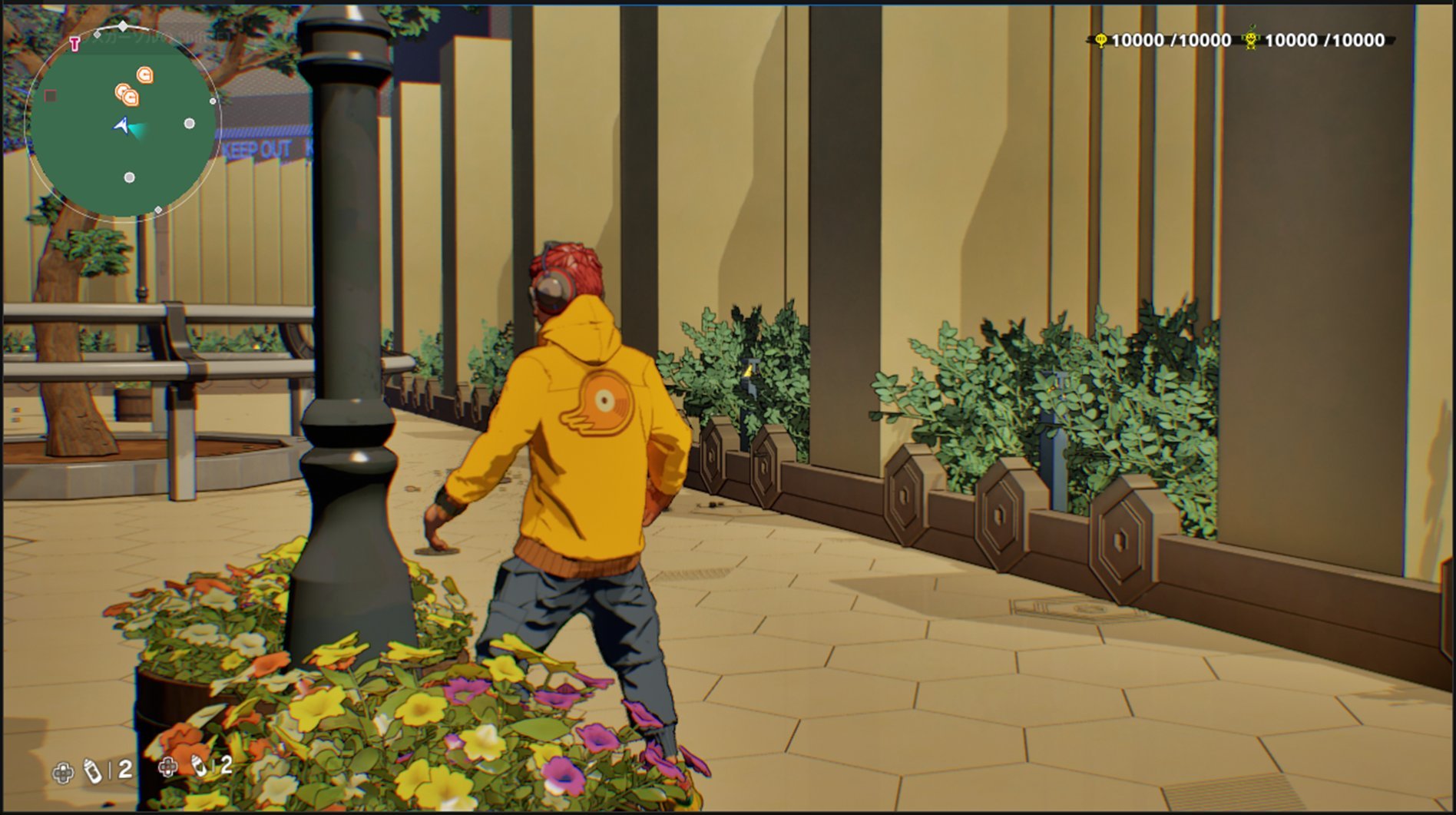
Summary:
Jet Set Radio captured hearts with its distinct visuals, funky soundtrack, and energetic gameplay. Now that SEGA has announced a renewed focus on projects from its back catalogue, excitement is swirling around the return of this beloved franchise. We’re stepping back into the rollerblading, graffiti-spraying world of Tokyo-to, where bright neon streets and vibrant characters create an unforgettable experience. Masayoshi Kikuchi’s recent comments shed light on the upcoming reboot, which happens to coincide with the 25th anniversary of Jet Set Radio in 2025. While details remain scarce, fans are anticipating a fresh twist on the original formula, hoping the franchise’s signature attitude and rebellious spirit remain intact. Whether you’ve been a fan from the Dreamcast era or are curious about this funky rollerblading game for the first time, there’s plenty to be excited about. We’re all eager to discover how SEGA will merge nostalgia with modern gameplay mechanics, giving new life to one of the most iconic titles from its extensive collection. The conversation surrounding Jet Set Radio’s revival is only heating up as we inch closer to its milestone anniversary, promising a future where the streets of Tokyo-to might once again echo with the beat of upbeat tunes and colorful spray cans.
SEGA Teasing a Jet Set Radio Reboot?
When SEGA took center stage at The Game Awards 2023, many people expected the usual round of new releases. Instead, we got a delightful surprise that played to our nostalgia: SEGA confirmed that some of its dormant properties would be returning. Among those mentioned was the stylish and rhythm-infused Jet Set Radio. Hearing the name of this classic perked up countless ears, especially those who remembered carving neon trails across Tokyo-to on rocket-powered skates.
The excitement skyrocketed even more when the company revealed it was aiming to preserve the core essence of what made the original so magnetic. Jet Set Radio stood out in its time, thanks to a combination of cel-shaded art, a funky soundtrack, and a rebellious attitude that made spraying graffiti feel heroic. This announcement teased not just a reboot but a broader commitment to tapping into SEGA’s storied back catalogue. For anyone yearning to revisit iconic Dreamcast titles, this felt like an early holiday present.
Behind all the hype, there remains a sense of curiosity. Fans are wondering how SEGA will update the title for modern audiences without losing the sharp edges that defined it. The original Jet Set Radio was more than just a skateboard game with a twist; it became a cultural icon. As we stand on the threshold of a new era for Jet Set Radio, the conversation blends anticipation with cautious optimism, setting the stage for a thrilling comeback.
The Iconic Style of Jet Set Radio
One of the reasons Jet Set Radio made such a splash in the early 2000s was its signature cel-shaded art style. This approach gave the game an almost cartoon-like flair, making each frame pop with color and vibrancy. Pair that with an energetic soundtrack, packed with funk, hip-hop, and electronica, and you had a sensory feast that appealed to gamers around the world. Even years later, that style remains instantly recognizable.
Beyond the visuals, Jet Set Radio’s punk-infused aesthetic played a huge role in shaping its identity. The characters wore bold streetwear, their skates left glowing contrails in their wake, and each environment felt like it belonged in a high-energy music video. It was easy to see how the city of Tokyo-to became a beloved setting: it felt alive, electric, and unapologetically cool. When you strapped on your skates, you weren’t just playing a game; you were part of a counterculture rallying cry.
As talk of a reboot spreads, longtime fans are eager to see how developers will preserve that iconic style. Will we see the same bright color palette but with more detail? Could there be a brand-new soundtrack that features today’s up-and-coming artists? These questions keep the community buzzing. After all, Jet Set Radio isn’t merely a title you load up; it’s a vibe you slip into—a swirling mixture of rebellious energy and uplifting tunes.
Gameplay Evolution Over the Years
While Jet Set Radio’s original skate-and-spray formula was a blast, times have changed, and so have player expectations. Years ago, the thrill of grinding on rails and painting over rival graffiti was enough to keep us occupied for hours. In a new release, fans often crave richer mechanics, deeper storylines, and multiplayer components that connect them with fellow enthusiasts. This fresh installment has the chance to weave in modern gaming conveniences without compromising that beloved spirit.
Imagine the possibilities. Perhaps there will be an open-world structure that allows you to roam freely through massive cityscapes. Maybe customization will be taken to a new level, letting you dress your character in a wider range of streetwear options or even create custom graffiti to express yourself. Players who loved the challenge of outrunning the authorities might enjoy updated AI that tracks you across the city, spurring cat-and-mouse chases that raise the stakes. The challenge lies in choosing which upgrades fit seamlessly with Jet Set Radio’s vibe.
At its core, the Jet Set Radio series thrived on fluid motion. There’s something mesmerizing about soaring across the rooftops, chaining together grinding combos, and capping it off with a well-placed graffiti tag. However, modern gamers might expect more replay value and advanced challenges. Whether it’s a community-driven tournament or a scoreboard for epic trick combos, the future Jet Set Radio could carve out a niche that honors the original while daring to break new ground.
The Role of Masayoshi Kikuchi
Masayoshi Kikuchi’s name instantly resonates with fans who’ve followed SEGA’s biggest releases. His involvement in Jet Set Radio’s reboot has sparked both curiosity and excitement. Known for guiding various SEGA projects, Kikuchi brings a blend of creativity and practical know-how that could help Jet Set Radio soar to new heights. On the one hand, he understands the importance of safeguarding the game’s classic flavor. On the other, he isn’t afraid to explore fresh possibilities.
In a recent interview, Kikuchi acknowledged the significance of Jet Set Radio’s 25th anniversary and hinted at potential celebrations. While the director didn’t provide in-depth details, his passion for the project shines through. It’s not just another reboot to him; it’s a chance to reintroduce a beloved universe to new and returning fans alike. His dedication suggests that every decision, from art direction to gameplay additions, will be made with the fans’ love for the original in mind.
While the gaming industry often sees figureheads talk about ambition, Kikuchi has a track record that underlines his ability to follow through. That track record leaves many hopeful that Jet Set Radio’s new chapter will blend the old-school flair with modern gaming’s polish. Will we see major modifications to the storyline? Might there be crossovers or collaborations with other SEGA properties? Time will tell, but his leadership certainly provides reason for excitement.
Community Impact and Fanbase
Jet Set Radio may have launched decades ago, but the community that grew around it never really disappeared. Online forums still buzz with discussions, fan art circulates on social media, and countless gamers hold cherished memories of perfecting tricky grinds or nailing that final graffiti tag. Even in the face of more advanced graphics and expansive gaming experiences, Jet Set Radio’s charm proved enduring, largely due to the energy of its fanbase.
With each new whisper or confirmed detail about the reboot, those fan spaces come alive. Many are nostalgic fans who played the original on the Dreamcast, but there’s also a newer generation discovering the game via streaming services or retro re-releases. That multi-generational curiosity creates a potent mixture of reverence and demand. Some fans hope the game remains faithful to its original formula, while others look forward to modern twists that might invite more people into the Jet Set Radio universe.
This sense of community isn’t just about celebrating the past. It also fosters collaboration, as fans create custom graffiti designs or organize online gatherings to swap theories on gameplay. SEGA, too, could benefit from tapping into this reservoir of creativity. If the company remains receptive to fan feedback, the resulting experience might feel like a collective labor of love. By merging fan energy with the developers’ vision, Jet Set Radio could return bigger and better than ever.
The Influence of Jet Set Radio on Modern Gaming
When Jet Set Radio originally launched, critics and fans alike marveled at its pioneering cel-shaded graphics. That bold visual style paved the way for other games to embrace a more animated aesthetic, proving realism wasn’t the only path to immersive experiences. In the years that followed, many developers cited Jet Set Radio’s vibrant look as inspiration, leading to a ripple effect in the industry. Whether you notice a whimsical design choice or a focus on dynamic music integration, it’s not uncommon to trace some aspect back to SEGA’s rollerblading gem.
But Jet Set Radio’s impact extended beyond just graphics. The concept of mixing extreme sports with free-form expression resonated with players, opening the door for future titles to experiment with similar mechanics. The notion of skill-based movement combined with creative tasks still appears in recent releases. Some indie developers have even paid homage to Jet Set Radio with tributes or spiritual successors that incorporate rollerblading, graffiti, or rebellious undertones.
This lasting influence attests to the franchise’s innovative design. By blending energetic gameplay, high-octane music, and a stylized world, Jet Set Radio proved that creativity could take center stage. Now, with a reboot on the horizon, it’s fascinating to ponder what new ideas might spring forth. Will other studios be inspired by the reboot’s approach to modernization? The future might bring fresh waves of vibrant, expressive games that owe a nod to the series that made tagging walls cooler than ever.
Embracing the 25th Anniversary
Anniversaries often motivate studios to do something special, and Jet Set Radio’s 25th anniversary is no exception. The timing of the reboot couldn’t be better. In the words of Masayoshi Kikuchi, 2025 marks a milestone that invites reflection on the legacy of a game that dared to be different. Beyond a simple homage, this celebration offers a chance to reintroduce Jet Set Radio to a new generation while rewarding longtime fans with nods to the past.
Sometimes, studios mark such anniversaries with limited editions, exclusive merch, or celebratory events. Could we see physical collector’s packages filled with soundtracks, art books, or figurines of our favorite characters? Or maybe digital offerings like behind-the-scenes documentaries or retrospective features that shed light on the game’s early development and cultural impact? The possibilities are as vast as Tokyo-to’s neon-lit streets. For those who have faithfully waited, it’s a moment to relish in the franchise’s staying power.
In celebrating this milestone, SEGA also highlights a broader commitment to honoring its classic titles. Jet Set Radio isn’t the only game from its archives seeing renewed attention, but it’s arguably the one that evokes an unbridled sense of fun. By choosing this moment to breathe new life into the franchise, SEGA taps into a wave of nostalgia that also resonates with modern tastes. Just like donning a new pair of skates, the anniversary feels like the perfect time to jump in and take this ride once again.
Possible Directions for the Reboot
When pondering the future of Jet Set Radio, one can’t help but wonder where the franchise will go next. Will it expand its narrative to explore the motivations of Tokyo-to’s colorful inhabitants? Perhaps we’ll see a dynamic weather system that challenges players to maintain balance during sudden downpours or winter snows. Then there’s the possibility of branching storylines, where different crew choices lead to unique missions and alliances. The foundation is solid, which leaves room for imaginative innovation.
Another question is whether SEGA might consider co-op or competitive multiplayer. Picture teaming up with friends to tag the largest mural in Tokyo-to, or racing rival crews across labyrinthine city districts. The spirit of friendly (or not-so-friendly) competition seems at home in Jet Set Radio’s world, and a robust online mode could keep players returning for new challenges. Even expansions or seasonal events might fit, celebrating real-world holidays with thematic graffiti or fresh tunes.
Of course, new directions must also consider time-honored elements. Traditional fans might riot if the developers stray too far from the game’s roots. Still, the franchise has always celebrated creative expression. Balancing the old and new is a tightrope act, but if done well, Jet Set Radio’s revival might become a gold standard for how to modernize a classic while respecting its essence. For now, we can dream of all the ways the next Jet Set Radio might break boundaries again.
Building on Old-School Mechanics
It’s worth noting that Jet Set Radio’s original trick-based mechanics could serve as a launchpad. Some fans enjoyed mastering each rail, half-pipe, or rooftop jump to execute perfect combos. Incorporating advanced physics and smoother animations could make those stunts feel more dynamic than ever. At the same time, reward systems, such as unlocking new gear or graffiti packs, might encourage players to explore every corner of Tokyo-to. By expanding on these beloved mechanics, the upcoming reboot could deliver the best of both worlds—familiar fun and fresh complexity.
Music and Vibe: A Core Element
The Jet Set Radio soundtrack wasn’t just background noise; it was a vital character in the game’s narrative. Tunes like “Let Mom Sleep” or “Humming the Bassline” continue to resonate with fans who recall busting out combos to those beats. For the reboot, music could act as a powerful way to bridge old and new. Imagine iconic tracks returning for nostalgic flair, supplemented by modern hits or up-and-coming artists whose sounds parallel the original’s funky undertones.
Of course, the game’s vibe extends beyond music. Characters in Jet Set Radio exuded individuality, from their outlandish outfits to their personal graffiti tags. Bringing that sense of style into the modern day might mean new customization tools or a robust social component where players can exchange designs. Maybe the city itself shifts based on in-game trends, with popular graffiti or certain areas drawing crowds for virtual concerts or spontaneous skate-offs. Embracing creativity is part of the franchise’s identity.
At the end of the day, music and vibe aren’t just aesthetic choices; they’re the heartbeat of Jet Set Radio. When you accelerate on your skates, weaving through alleyways and marking walls with fresh paint, you’re dancing to the game’s pulse. Sustaining that tempo in a new release will be crucial. Fans don’t just want a spiritual successor; they want an evolution that keeps them grooving through every digital street and storyline.
Future Prospects and Release Hopes
Speculation abounds on when we might finally get our hands on the new Jet Set Radio. Some hope for a surprise reveal in tandem with the franchise’s 25th anniversary celebrations. Others anticipate a more traditional lead-up, featuring developer diaries and teasers to ease us into the hype. While the official details remain under wraps, there’s no denying the enthusiasm swirling around this project, reignited by The Game Awards announcement and Kikuchi’s recent comments.
The potential success of Jet Set Radio’s reboot carries implications for SEGA’s broader strategy. Should this revival resonate with both longtime fans and newcomers, it may open the floodgates for more dormant titles to reemerge. We’ve seen a growing interest in retro-inspired experiences, and Jet Set Radio’s unique flavor could act as a beacon for other classics waiting in the wings. On the flip side, if the game fails to capture audiences, SEGA might hesitate to invest in lesser-known back catalogue entries.
Yet with the 25th anniversary as a natural focal point, it feels like the stars are aligning. There’s excitement, a committed development team, and a fanbase eager to see their favorite rollerblading rebels tear up the streets again. As we inch closer to 2025, the question isn’t if Jet Set Radio will return with a bang, but rather how big that bang will be. For now, all eyes are on Tokyo-to, waiting for the day we can slip on those futuristic skates once more.
Conclusion
We’re standing at the threshold of a new era for Jet Set Radio, where the promise of reinvention mingles with fond nostalgia. This legendary title made waves when it first burst onto the scene, carving out a distinct space with its cel-shaded flair, pumping soundtrack, and free-spirited rebellion. As SEGA gears up for the 25th anniversary, fans hope the reboot channels that same energy, blending classic elements with innovative twists that keep things fresh. There’s no doubt that a lot of eyes are trained on Masayoshi Kikuchi and his team, waiting to see if they can deliver an unforgettable new ride through Tokyo-to. While we don’t know every detail, we do know one thing: excitement is in the air, and Jet Set Radio’s return is poised to paint the gaming world in vibrant hues.
Frequently Asked Questions (FAQs)
- Q: Which platforms will the new Jet Set Radio be on?
- A: SEGA hasn’t confirmed official platforms, but many hope it will span both consoles and PC for maximum accessibility.
- Q: What made the original Jet Set Radio so popular?
- A: Its cel-shaded art, funky soundtrack, and rebellious street culture vibe set it apart, creating a unique experience that’s still celebrated today.
- Q: Will the new game feature the same characters?
- A: Details remain under wraps, though fans anticipate returning favorites alongside fresh faces to keep the roster dynamic and exciting.
- Q: How important is the soundtrack to Jet Set Radio’s appeal?
- A: The music is one of its key attractions, fueling the game’s energetic pace. Many expect a blend of classic tunes and new tracks in the reboot.
- Q: When can we expect more news on Jet Set Radio’s reboot?
- A: SEGA has hinted that updates may come closer to 2025, aligning with the 25th anniversary celebrations.
Sources
- Jet Set Radio Reboot: Everything We Know So Far – Dexerto, Published: 2023
- Jet Set Radio Creators Back For SEGA’s Reboot – The Escapist, Published: 2023
- Creators of Jet Set Radio Are Involved in Reboot, Sega Says – IGN, Published: 2023
- Sega Just Announced New Jet Set Radio, Golden Axe, Crazy Taxi, and Shinobi Games – PC Gamer, Published: 2023