














Summary:
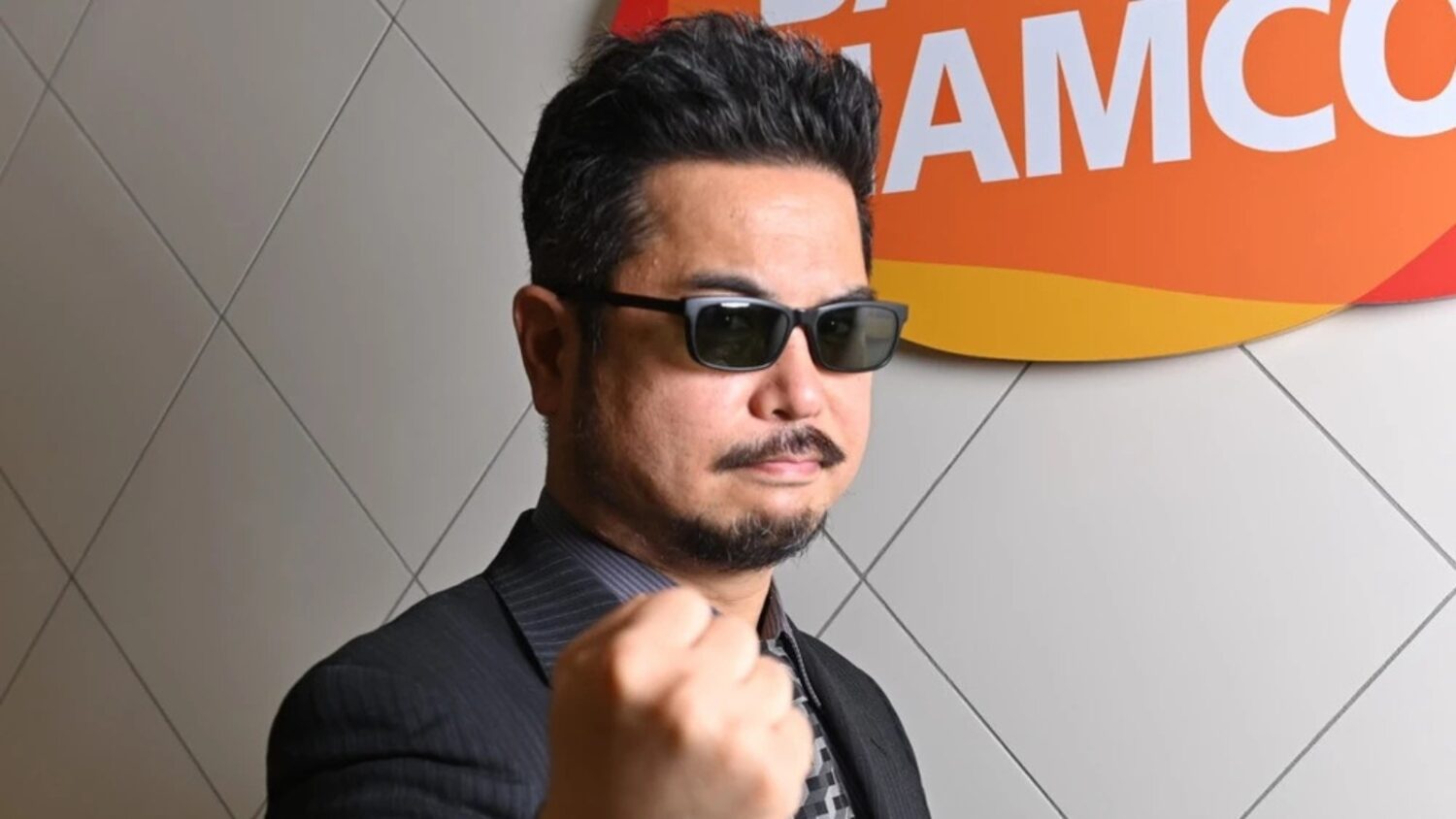
Katsuhiro Harada, the face of Tekken for three decades, has confirmed that he will leave Bandai Namco at the end of 2025. His decision lands right as Tekken celebrates its 30th anniversary, turning a huge milestone into a natural closing chapter for his time at the company. In his emotional statement, Harada looks back on the early arcade days, where he carried cabinets, hyped small tournaments and talked directly with players who shaped his vision of what Tekken should be. He also opens up about recent personal losses and the passing or retirement of respected colleagues, which pushed him to think carefully about how he wants to use the creative years he has left.
Over the last four to five years, Harada has already been quietly handing over responsibilities, stories and worldbuilding to his team, making sure Tekken can keep moving without him. That slow transition means Tekken 8 and future entries will be guided by people who have worked beside him for years. At the same time, his departure raises big questions: what will he do next, who will become the public face of Tekken and how will the fighting game community react when tournament stages feel a little emptier without his presence. Even so, the tone of his message is not one of regret, but of gratitude, closure and cautious excitement for whatever comes after this long era with Bandai Namco.
Harada’s farewell and Tekken’s 30 year milestone
When Katsuhiro Harada announced that he will leave Bandai Namco at the end of 2025, it instantly felt like a line being drawn in the sand. For many players, Tekken and Harada are so closely linked that hearing he is stepping away sounds almost surreal, like someone quietly switching off a neon sign that has been glowing in the background of gaming for thirty years. He chose this timing deliberately. Tekken has reached its 30th anniversary, and Harada describes that milestone as the right moment to close one chapter of his life. Turning an anniversary into a farewell makes his departure feel less like a sudden shock and more like a carefully staged curtain call. You can almost picture him bowing with a smile, not because he is tired of Tekken, but because he wants to respect the rhythm of his own life and the franchise that defined so much of his career.
From arcade floors to global stages
Harada’s statement spends a lot of time looking back, and that is where the story gets really personal. He talks about supporting tiny tournaments in Japanese arcades, carrying heavy cabinets on his own and asking people one by one to give Tekken a chance. Those memories are not just nostalgic details, they explain how he sees game development in the first place. For him, it has always started with real people standing in front of a machine, laughing, shouting and sometimes complaining loudly. The conversations in cramped halls and community centers overseas taught him what players cared about, what made them come back after a loss and what made a match feel fair. That direct feedback loop became the foundation of his identity as a creator. Later, when Tekken moved from smoky arcades to glossy esports stages and streaming setups, he still tried to keep that same energy: the feeling that the person at the top is watching, listening and willing to walk into the crowd for a chat.
Personal loss and reflecting on his time as a creator
Behind the professional milestone sits something much more human. Harada explains that in recent years he has lost several close friends in his personal life, while also seeing respected seniors retire or pass away in the industry. When that happens again and again, it becomes impossible not to think about your own timeline. He describes it as thinking about the time he has left as a creator, which is a very honest way to frame a decision like this. Instead of focusing on burnout, sales pressure or office politics, he talks about how fragile life feels when the people who walked ahead of you start disappearing. He even reached out to Ken Kutaragi, often called the father of PlayStation, and treated him like a second father figure for advice. That conversation, and the encouragement he received, helped him see that stepping away from Bandai Namco now is not a failure but a responsible choice about how and where he wants to spend his remaining creative energy.
Passing the torch to the next generation of Tekken creators
One detail that should calm a lot of worried fans is how long Harada has spent preparing for this moment. He mentions that over the last four to five years he has gradually handed over his responsibilities, along with the stories and worldbuilding he used to oversee directly. That means Tekken’s future is not being thrown into chaos overnight. Instead, there has been a slow, deliberate transition that most people simply did not see happening in the background. The team still at Bandai Namco has already been steering the ship, taking on more ownership of systems, narrative beats and long term planning. Harada staying on during this period was like having a safety net under the tightrope. Now he is simply stepping away and trusting that the performers can walk it alone. For fans, this should be a reminder that Tekken is no longer the work of one person, but of a generation of developers who grew up under his mentorship.
What Harada’s exit means for Tekken 8 and future entries
With Tekken 8 still fresh in players’ minds, it is natural to worry that his departure might derail future patches, balance changes or new installments. The current message from Bandai Namco and from Harada’s own wording points in the opposite direction. The company has already reassured people that work on Tekken 8 and its competitive scene will continue, and Harada himself emphasizes that he has handed off the vision, not just a checklist of tasks. Balance teams, esports staff and producers who have been shaping the franchise in recent years are still there, and in many cases they were already carrying a lot of weight. So rather than imagining Tekken suddenly drifting, it is more realistic to expect a steady evolution based on foundations Harada helped define. Future entries might take bolder risks or focus on different aspects of play, but they are unlikely to abandon what made Tekken feel like Tekken in the first place: layered movement, expressive characters and a constant tug of war between accessibility and depth.
Harada’s wider legacy beyond Tekken
It is easy to forget how many other projects Harada has touched when Tekken dominates the headlines, but he has had a hand in a wide range of games and initiatives inside Bandai Namco. He has worked on experimental VR projects like Summer Lesson, helped bring Pokkén Tournament to life and supported series such as SoulCalibur while juggling executive roles across the company. These projects tell you that he is not just a one series director who wants to repeat the same formula forever. Instead, he has constantly looked for playful, sometimes risky ideas that explore what fighting, interaction and character presentation can feel like in different formats. That curiosity is a big part of why his departure has people wondering what he might create next. When someone has already proved they can move from arcade fighters to VR and crossover experiments, the door is wide open for surprises once they are free from the expectations tied to a single long running franchise.
Summer Lesson, Pokkén Tournament and other experiments
If you zoom in on those side projects, you can see the same design instincts that shaped Tekken, rerouted into new directions. Summer Lesson used VR to explore intimate character interaction in a small space, asking how it feels to be present in a room with a virtual character rather than simply watching them on a flat screen. Pokkén Tournament combined the weighty feel of Tekken style strikes with the personality and spectacle of Pokémon, creating an unusual hybrid that still found a loyal audience. SoulCalibur projects he supported leaned into weapon based duels and flashy presentation, but the idea of spacing, risk and reward still echoes Tekken’s DNA. All of these experiments show that Harada likes playing with format and expectations. They also hint at how his skills could translate into whatever he chooses to do next, whether that is another fighting game, a new experimental project or something that mixes genres in unexpected ways.
How Harada helped shape Bandai Namco’s fighting game ecosystem
Inside Bandai Namco, Harada’s influence stretched far beyond a single development team. Over time he moved into roles that involved overseeing multiple franchises and helping steer esports strategy across the company. That meant thinking about how tournaments are run, how online features support competition and how different fighting games can coexist without stepping on each other’s toes. His public persona, with jokes on stage and candid comments on social media, made him the unofficial spokesperson for the company’s fighting lineup. When players were upset about netcode, balance or monetization, they often expected him to be the one stepping up to answer. That can be exhausting, but it also helped build trust. The fact that Bandai Namco now has a visible competitive infrastructure for Tekken and other titles owes a lot to the long years he spent making sure the company took tournaments and community interaction seriously, rather than treating them as an afterthought.
The emotional bond between Harada and the Tekken community
One of the most striking things about his farewell is how much of it is dedicated to the fans and tournament regulars who have met him over the years. He mentions people challenging him at venues, inviting him out for drinks and casually treating him like an old friend. That is not the usual dynamic between a corporate executive and a game’s audience. Harada leaned into this informal relationship, often walking the floor at events, posing for photos and sometimes accepting money matches or playful grudge sets. That visibility made him feel like part of the furniture in the fighting game community, especially at majors like EVO. For many players, hearing that he is leaving feels less like reading a press release and more like getting a message from a friend who says they are moving to another country. You are happy for them, but you also know that the next party, the next stream and the next finals will feel slightly different without them in the room.
Grassroots tournaments, late night conversations and shared stories
Before Tekken became a polished esports product with official circuits and polished broadcasts, there were grassroots events held in cramped venues, hotel ballrooms and local arcades. Harada spent years showing up to those gatherings, sometimes with official support and sometimes just as a guy who believed in the game and wanted to see people enjoy it. Late night conversations at bars, last minute setups in community centers and long flights to visit smaller regions all helped forge stories that still circulate today. People remember him joking about balance changes, reacting live to crowd pop offs or staying behind after events just to listen. These stories feed into the myth of Tekken as a game built hand in hand with its players rather than in isolation behind studio doors. Losing that direct presence will be hard, but those memories also set a standard for how future leaders of the series might behave if they want to keep the same spirit alive.
Why the fighting game community feels this moment so strongly
The fighting game community is built on long memories, rivalries and shared rituals, so big transitions hit with extra force. When someone like Harada steps back after thirty years, it feels similar to a legendary player retiring or a classic venue closing. It is not just about the product people play at home, it is about the entire ecosystem of streams, locals, majors and online debates that grew around his work. Many fans discovered Tekken during very different eras, from the arcade explosion of the 90s to the online boom of Tekken 7 and Tekken 8, yet the same face anchored all of those periods. That kind of continuity is rare. The strong reaction to his announcement is really a reflection of how much trust he built over time. Even those who have criticized certain decisions still recognize that the series would not be where it is today without his stubborn, sometimes chaotic, always passionate presence behind it.
What Harada might do next after Bandai Namco
Right now, Harada is keeping his next steps deliberately vague. In his statement, he promises to talk about future plans later, which gives him space to breathe after such a huge announcement. Given his track record, it is easy to imagine several paths. He could found or join a new studio focused on experimental projects, consult on fighting game design for other companies or even step into a more educational role, sharing what he has learned about community building and long term franchise management. There is also the simple possibility that he might take time off to recharge, travel and reconnect with life outside of constant production schedules. Whatever he chooses, his experience and name carry serious weight, so it is unlikely he will disappear completely. For now, the most concrete thing fans can look forward to is seeing him appear as a guest at the Tekken World Tour Finals, where his farewell will probably feel very real for the first time.
Why Tekken is likely in safe hands going forward
Even if emotions are running high, there are plenty of reasons to stay optimistic about Tekken’s future. The series is not being left to strangers. Many of the people currently leading Tekken 8 and shaping updates have worked under Harada for years, absorbing his priorities and understanding which parts of the formula are untouchable. The franchise is also healthier than ever in terms of visibility, with strong competitive circuits, active online communities and a large roster of players who discovered the series in recent generations. That gives Bandai Namco a strong incentive to treat Tekken with care, rather than making reckless changes. Change is always a bit scary, especially when it involves someone as iconic as Harada stepping away, but long running series need fresh perspectives to keep growing. If the team can balance respect for his legacy with the courage to evolve, Tekken could enter a new chapter that still feels deeply connected to the story he started back in those crowded arcades.
Conclusion
Katsuhiro Harada’s decision to leave Bandai Namco at the end of 2025 closes a huge chapter for Tekken, but it does not read like a sad ending. It feels more like a carefully chosen stopping point, marked by a 30 year anniversary, deep reflection on personal loss and a desire to make the most of the creative time he has left. His farewell shows how much he values the communities, colleagues and friends who shaped his journey, from the days of lifting arcade cabinets to the bright lights of global tournaments. At the same time, it highlights how seriously he has taken succession, spending years handing over responsibilities so the series can stand without him. For fans, there will always be a sense that Tekken and Harada belong together, but the foundation he built is strong enough to carry on. Whatever he does next, the impact of his work will keep echoing through every round, every tournament and every new player who picks up a pad and learns their first juggle.
FAQs
- When is Katsuhiro Harada leaving Bandai Namco?
- Harada has confirmed that he will leave Bandai Namco at the end of 2025, turning Tekken’s 30th anniversary into the moment where he closes this long chapter of his career with the company and prepares for whatever comes next.
- Why did Harada decide to step away from Tekken now?
- He explains that recent personal losses and the retirement or passing of respected colleagues made him think seriously about how much time he has left as a creator. Combined with Tekken reaching its 30 year milestone, that reflection convinced him this was the most fitting time to bring one chapter to a close on his own terms.
- Will Harada’s departure affect Tekken 8 and future games?
- According to his own statement and reports from Bandai Namco, he has spent the last four to five years gradually passing responsibilities and worldbuilding to his team. That long transition is meant to ensure Tekken 8 and future entries can move forward smoothly, guided by people who have worked closely with him for many years.
- Is Katsuhiro Harada retiring from game development completely?
- He has not described this move as a full retirement from creating games. Instead, he talks about closing his Bandai Namco chapter and says he will share more about his next steps later. That leaves the door open for new projects, collaborations or roles in the wider games industry.
- Who will lead Tekken after Harada leaves?
- Specific names and titles for the post Harada era have not been the focus of his statement, but many key staff members have already been taking on larger roles in recent years. Producers, designers and competitive staff who worked alongside him are expected to guide Tekken’s direction, building on the vision and foundations he established.
Sources
- Tekken Boss Katsuhiro Harada Leaving Bandai Namco, NintendoSoup, December 8, 2025
- Tekken boss Katsuhiro Harada is leaving Bandai Namco, GameDeveloper, December 8, 2025
- Tekken lead Katsuhiro Harada to leave Bandai Namco: “I felt this was the most fitting moment to bring one chapter to a close”, TechRadar, December 8, 2025
- Katsuhiro Harada Will Leave Bandai Namco, Siliconera, December 8, 2025
- Tekken Boss Katsuhiro Harada Is Leaving Bandai Namco After 30 Years Of Iron Fist Tournaments, GameSpot, December 8, 2025