














Summary:
A fresh wave of Nintendo rumor chatter has taken on a sharper edge after former Nintendo marketing lead Kit Ellis reacted to claims from NateTheHate about two attention-grabbing projects: a remake of The Legend of Zelda: Ocarina of Time and a brand-new Star Fox game. On the surface, that kind of rumor cycle sounds familiar. Nintendo fans are used to whispers, wish lists, and half-believed predictions floating around every few weeks. What makes this moment feel different is the scale of the conversation and the way Ellis framed it. His comments suggest this is not just another case of online noise. From his perspective, Nintendo’s leak problem has grown into something much more serious.
That matters because Nintendo has always relied heavily on surprise. It does not simply announce games. It stages moments. The reveal itself is part of the magic, almost like the curtain lifting at exactly the right second in a theater. When a rumor lands early and spreads fast, some of that magic evaporates before Nintendo even gets a chance to step on stage. Ellis’s argument points directly at that weakness. If the company is indeed dealing with major information slipping out ahead of time, it is not just losing control of headlines. It is losing control of momentum, expectation, and the emotional timing that has defined so many of its biggest announcements.
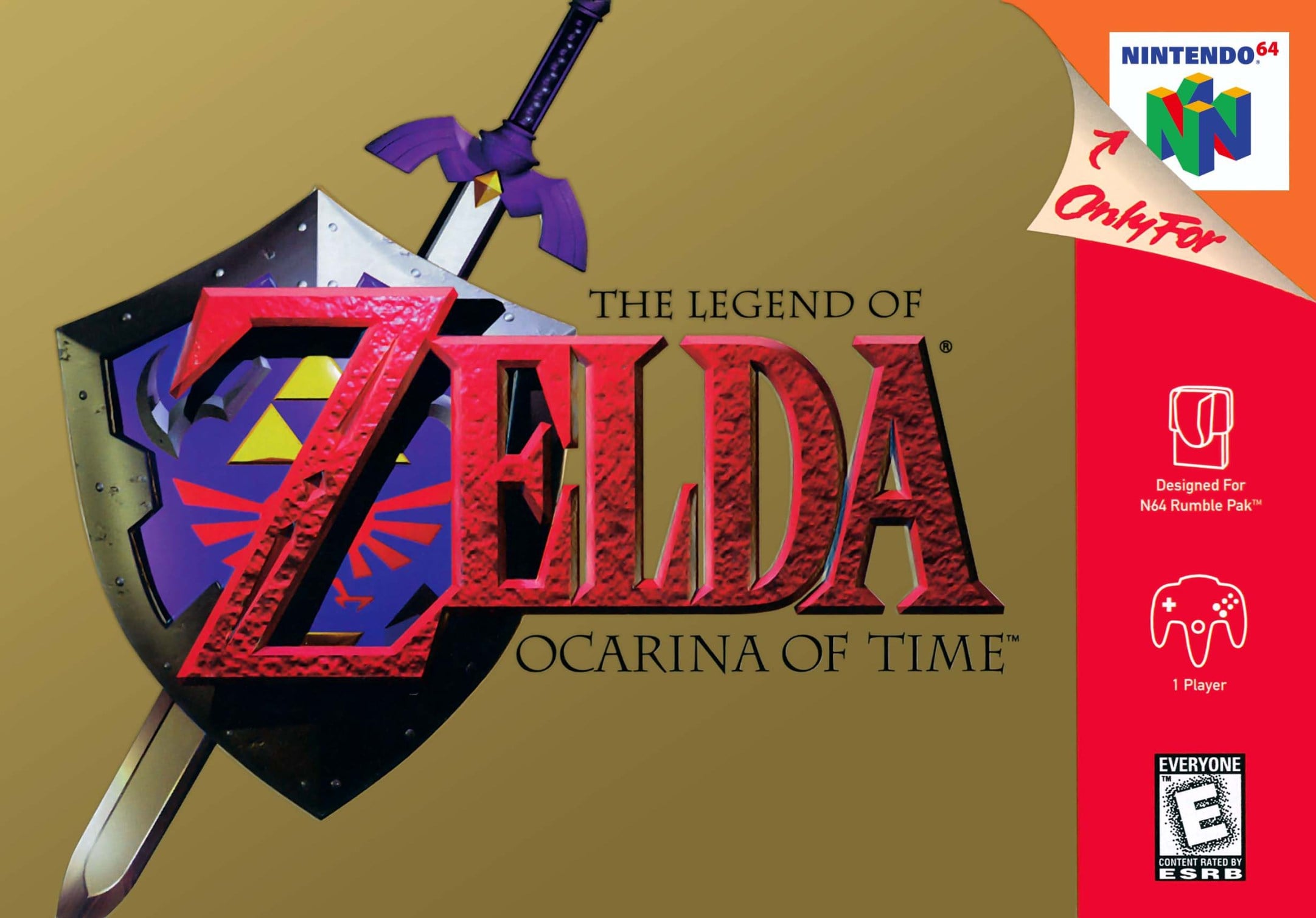
The rumored projects themselves only add fuel to the fire. Ocarina of Time is not an ordinary Zelda name. It is one of those titles that carries almost mythic weight, the sort of game that can send longtime fans into instant speculation mode. Star Fox is different, but no less interesting. It is a series that many players feel Nintendo has left sitting on the runway for too long. Put those two names together and the result is obvious: huge attention, huge excitement, and huge pressure. Whether these claims prove accurate or not, Ellis’s comments have turned the conversation away from simple rumor and toward a bigger question about how Nintendo manages secrecy, anticipation, and trust when the spotlight is already blazing.
Nintendo to be furious regarding leak
Rumors around Nintendo are nothing new, but this one landed with a different kind of thud. It did not feel like a vague whisper tossed into the wind. It felt more like someone had kicked open a side door and let a burst of sensitive planning rush into public view. The claims tied to NateTheHate pulled in two names that immediately light up the imagination: The Legend of Zelda: Ocarina of Time and Star Fox. That alone would have been enough to dominate conversation for a while, because both series carry a lot of emotional weight. One is an undisputed giant in Nintendo history, while the other is a franchise fans have been quietly hoping to see return in a meaningful way. Once those names started circulating together, the conversation stopped being casual speculation and turned into a broader debate about whether Nintendo’s internal walls are holding up the way they once did.
Why Kit Ellis’s reaction carries weight
Kit Ellis is not just another observer tossing hot takes into the social media furnace. His comments stand out because he understands how Nintendo communicates from the inside. When he says the company is furious, that lands differently than a random prediction from a fan account with a dramatic username and a profile picture of a pixel mushroom. He knows how carefully Nintendo tends to shape its messaging, and that matters here. Ellis pointed to a bigger structural issue, arguing that Nintendo is heavily supported by surprise. That idea rings true because the company has spent years turning reveals into events. A Nintendo announcement is rarely just a list of facts. It is a controlled spark designed to create wonder, curiosity, and momentum all at once. When that spark is stolen early, the effect changes immediately.
Why his point about surprise matters so much
Surprise is not a decorative extra in Nintendo’s playbook. It is one of the central engines that drives attention. Think about how often Nintendo has transformed a single reveal into a massive talking point simply by holding back information until the right moment. That strategy works because fans do not just react to what is announced. They react to when it is announced, how it is introduced, and what emotional beat it hits. Ellis’s point is that a major leak interrupts that rhythm. It is like hearing the punchline before the joke is told. The ingredients may still be there, but the timing is broken, and timing is half the magic.
The frustration is easy to understand
If Nintendo really is dealing with this level of internal leakage, the frustration is not hard to imagine. A company can spend months planning the perfect reveal only to watch the internet tear the wrapping paper off days or weeks in advance. That is not just annoying. It can ripple through scheduling, partner coordination, social strategy, and even investor expectations. Ellis’s comments frame the issue less as gossip and more as a serious business headache, and that is why people have latched onto them so quickly.
What NateTheHate actually put into the conversation
The core reason this rumor cycle exploded is simple: the claims were not small. The suggestion that Ocarina of Time could be getting a remake is already enough to dominate discussion by itself. Add in talk of a new Star Fox game, and the rumor suddenly feels like one of those oversized holiday gift bags where every item rattles with possibility. Fans hear those names and immediately start filling in blanks. Will the Zelda project be a visual overhaul, a reimagining, or something closer to a respectful rebuild? Will Star Fox return to its arcade-style roots, or will Nintendo try to push it into a different direction again? Those questions spread quickly because the rumor touched two powerful pressure points at once: nostalgia and franchise revival.
Why Ocarina of Time creates instant heat
Ocarina of Time is not just another old Nintendo release pulled from a shelf of beloved classics. It is one of the most iconic games the company has ever made, and for many players it sits in that sacred category of titles people measure other adventures against. A rumor about remaking that game does not drift by quietly. It crashes into the room wearing boots. Fans immediately start debating visuals, controls, dungeon design, quality-of-life updates, and whether Nintendo should even touch something so revered in the first place. There is a built-in emotional intensity around the name that guarantees conversation, and that makes any leak tied to it especially combustible.
Why Star Fox adds another layer of intrigue
Star Fox hits differently. With Zelda, the question is whether Nintendo would revisit a crown jewel. With Star Fox, the question is whether Nintendo is finally ready to treat a long-dormant series like a serious priority again. That changes the emotional tone. Instead of pure reverence, there is a blend of hope, curiosity, and a little caution. Fans have wanted Fox McCloud back in a meaningful way for years, but there is also a sense of fragility around the series. Every rumor feels a bit like hearing the engines hum on a ship that has been parked in the hangar for too long. You want to believe it is finally taking off, but you also do not want another false start.
Nintendo’s marketing strength has always been timing
Nintendo has long understood that presentation is part of the product. That may sound dramatic, but it is true. A reveal is not just a delivery method for information. It is an emotional frame. Nintendo often builds anticipation through silence, then releases just enough information at the perfect moment to trigger a wave of excitement. That approach works especially well for a company with a fan base that reads every tease like a secret code hidden under the floorboards. Ellis’s comments about Nintendo being propped up by surprise are memorable because they get to the heart of that system. Nintendo does not simply benefit from surprise. It organizes much of its public-facing identity around it.
The company loves the controlled spotlight
That controlled spotlight is part of why Nintendo announcements often feel bigger than the raw facts on paper. A logo fade-in, a sudden character reveal, a music cue, a brief gameplay clip, and suddenly the internet is on fire. It is showmanship, but very precise showmanship. If major details escape too early, the company loses control of how the audience first experiences the idea. Instead of wonder, there is analysis. Instead of delight, there is fact-checking. Instead of one big shared moment, there is a fragmented argument spread across timelines, videos, and forum threads. That is not the atmosphere Nintendo usually wants when it is preparing to sell excitement.
Leaks change the emotional temperature
That shift in emotional temperature is easy to underestimate. When a reveal comes directly from Nintendo, the mood usually feels celebratory, polished, and intentional. When the same information leaks out through rumor channels, the mood becomes suspicious, messy, and defensive. People start arguing over credibility before they even talk about the games themselves. That creates a very different first impression. It does not mean an official reveal loses all power, but it does mean part of the oxygen has already been burned away before the company enters the room.
The real damage leaks can cause behind the scenes
Fans tend to focus on the fun side of leaks, because speculation can feel like dessert before dinner. You get the sugar rush early. Behind the curtain, though, leaks can create all kinds of trouble. Teams may be forced to adjust messaging, rethink timing, tighten access, or even question whether a planned reveal still lands the way it was meant to. Partners may need new instructions. Internal trust can take a hit. The mood inside a company can shift from excitement to damage control in a hurry. Ellis’s reaction suggests that Nintendo views this kind of situation as more than a brief annoyance. It points to disruption, and disruption is costly even when nothing public changes on the surface.
Morale and trust are part of the story
One piece that often gets overlooked is morale. Creative teams work for years on projects they want to reveal properly. Marketing teams build entire moments around surprise and pacing. When information leaks early, it can feel deflating. Imagine planning a fireworks show only to find out someone set off half the rockets in a parking lot the night before. The lights still flash, but the experience is smaller and stranger than intended. On top of that, every major leak raises uncomfortable questions about where the breach came from. That can affect trust inside and outside the company, and once that suspicion enters the room, it rarely leaves quietly.
Could a leak really affect Nintendo’s stock price
Ellis also raised the possibility that a substantial leak could affect Nintendo’s stock price, and that comment grabbed attention because it widened the conversation beyond fans and rumor culture. In broad terms, it makes sense why he would say that. Public companies are constantly judged through expectations, momentum, and perceived control. When a leak shifts what people think is coming next, it can change the conversation around timing, lineup strength, and business confidence. That does not mean every rumor sends the market spinning like a runaway Kart on Rainbow Road, but it does mean information can shape perception, and perception matters in financial markets. In that sense, Ellis’s point is less about guaranteed market chaos and more about the risk that uncontrolled information can alter how outsiders read the company’s position.
The bigger issue is investor perception
The stronger point is probably not about one headline instantly rewriting the numbers. It is about the cumulative effect of uncertainty and lost control. Investors pay attention to how a company manages its pipeline, its messaging, and its credibility. If a major entertainment company begins to look unable to protect important plans, that can raise questions. Again, this is not about panic. It is about image, confidence, and predictability. Nintendo works very hard to appear deliberate. A loud leak works against that image by making the company look reactive instead of composed.
The fan reaction is excitement mixed with suspicion
What makes this situation so fascinating is that fans are reacting in two directions at the same time. On one side, there is obvious excitement. Ocarina of Time and Star Fox are the kind of names that can make people sit up straight even if they were half-asleep a second earlier. On the other side, there is suspicion, because Nintendo rumors often arrive dressed like kings and leave dressed like clowns. Players have seen that cycle enough times to know better than to hand over full trust too quickly. The result is a strange emotional cocktail. People want the rumors to be true, but they also do not want to look foolish for believing them too early.
That tension keeps the story alive
Ironically, that push and pull is exactly what keeps the conversation moving. If everyone dismissed the claims outright, the story would shrink. If everyone accepted them instantly, the debate would cool. Instead, the rumor lives in that electric middle ground where hope and doubt keep trading punches. Ellis’s reaction added even more fuel because it gave the situation a layer of insider-flavored gravity. Suddenly the story was not just about whether fans should believe NateTheHate. It became about whether Nintendo has a deeper problem with leaks than many people realized.
What this could mean for Nintendo’s next moves
If Nintendo sees this moment as seriously as Ellis suggests, the company may respond in ways fans never directly notice. Security around plans could tighten. Announcement timing could change. Internal access might narrow. Messaging may become even more carefully managed than it already is. Nintendo is famously guarded, so the idea of it becoming even more guarded almost sounds comical, like a treasure chest growing another three locks and a moat. Still, that may be the natural response when sensitive information keeps slipping into public view. The company’s challenge is not only stopping leaks. It is doing that without choking the flow of creative and promotional work that has to happen for major releases to come together smoothly.
The official silence will likely continue
One thing that probably will not change is Nintendo’s willingness to ignore rumor cycles in public. The company rarely jumps into the mud to wrestle with speculation. It tends to stay silent until it is ready to speak on its own terms. That silence can be frustrating for fans, but it is also part of the strategy Ellis is talking about. Nintendo wants the reveal to belong to Nintendo. It does not want to validate every rumor by reacting to it. So even if the company is furious behind closed doors, the public face may remain cool, blank, and unreadable.
Why Nintendo now faces a trust and control problem
The most interesting part of this whole situation may be that it exposes a tension Nintendo never wants to show publicly. The company thrives on wonder, but wonder depends on control. The audience has to feel surprised at the right moment. The moment has to feel curated, not leaked, not half-spoiled, not dragged through three days of rumor debate before the curtain rises. Ellis’s comments suggest that Nintendo may be struggling to preserve that control, at least in the face of high-profile leaks that spread fast and receive serious amplification. Whether NateTheHate’s claims ultimately prove true in full, in part, or not at all, the broader issue remains. Once the perception takes hold that Nintendo cannot keep major plans under wraps, every future rumor starts sounding a little louder.
That may be the real story here
And that is why this is about more than a possible Zelda remake or a possible Star Fox return. Those rumors are the spark, but the larger fire is about process, secrecy, and trust. Nintendo has built an empire on carefully timed excitement. If that machine starts sputtering because too much is escaping early, the company does not just lose a few surprise moments. It risks weakening one of its most effective strengths. That does not mean the sky is falling. Nintendo is still Nintendo, and it knows how to command attention better than almost anyone. But it does mean this episode has put a spotlight on a pressure point the company would much rather keep in the dark.
Conclusion
Kit Ellis’s reaction has given this rumor cycle a sharper and more serious edge. The claims surrounding an Ocarina of Time remake and a new Star Fox game were already big enough to capture fan attention, but his comments reframed the whole discussion around Nintendo’s dependence on surprise and the damage major leaks can do. That is why this story has stuck so firmly. It is not only about what might be in development. It is about how Nintendo protects the reveal, shapes anticipation, and keeps control of the spotlight. For fans, the rumors are exciting. For Nintendo, if Ellis is right, they may feel like someone has reached into the company’s playbook and started reading key pages out loud.
FAQs
- What did Kit Ellis say about the recent Nintendo leak?
- Kit Ellis said Nintendo has a serious leak problem and stressed that the company is absolutely furious about the situation. He also argued that Nintendo depends heavily on surprise when it comes to marketing and announcements.
- What are the main claims tied to NateTheHate’s rumor?
- The claims that drew the most attention were that The Legend of Zelda: Ocarina of Time is being remade and that Nintendo is also working on a new Star Fox game. Those names are a major reason the discussion spread so quickly.
- Why would Nintendo care so much about leaks?
- Nintendo carefully times reveals to maximize excitement and control the first impression. When major details appear early, that strategy weakens and the company can lose part of the impact it planned to create.
- Could a leak actually affect Nintendo’s stock price?
- It can influence perception around the company’s plans, timing, and internal control. That does not mean every rumor causes dramatic market movement, but substantial leaks can shape how investors and analysts view Nintendo’s momentum.
- Has Nintendo confirmed the Ocarina of Time remake or the new Star Fox game?
- No official confirmation has been given by Nintendo. The conversation is being driven by reported claims, reactions, and wider discussion rather than a formal announcement from the company.
Sources
- Sources: Nintendo is planning a new Star Fox and a major Zelda remake this year, but no 3D Mario, Video Games Chronicle, March 27, 2026
- The Legend of Zelda: Ocarina of Time remake could be launching this year on Switch 2, prominent Nintendo leaker claims, but don’t expect a new 3D Mario until 2027, GamesRadar+, March 27, 2026
- Nintendo Has A Big Leak Problem That’s Not Going Away, Kotaku, March 30, 2026
- “Nintendo is absolutely furious” about Zelda: Ocarina of Time remake leaks, former marketing lead assures, who says dealing with leakers will likely become a “major priority”, GamesRadar+, March 30, 2026
- Former Nintendo marketing lead says Nintendo will be “absolutely furious” about recent leak, My Nintendo News, March 29, 2026
- Why Are There More Nintendo Leaks Than Ever Before?, Kit & Krysta, March 2026