














Summary:
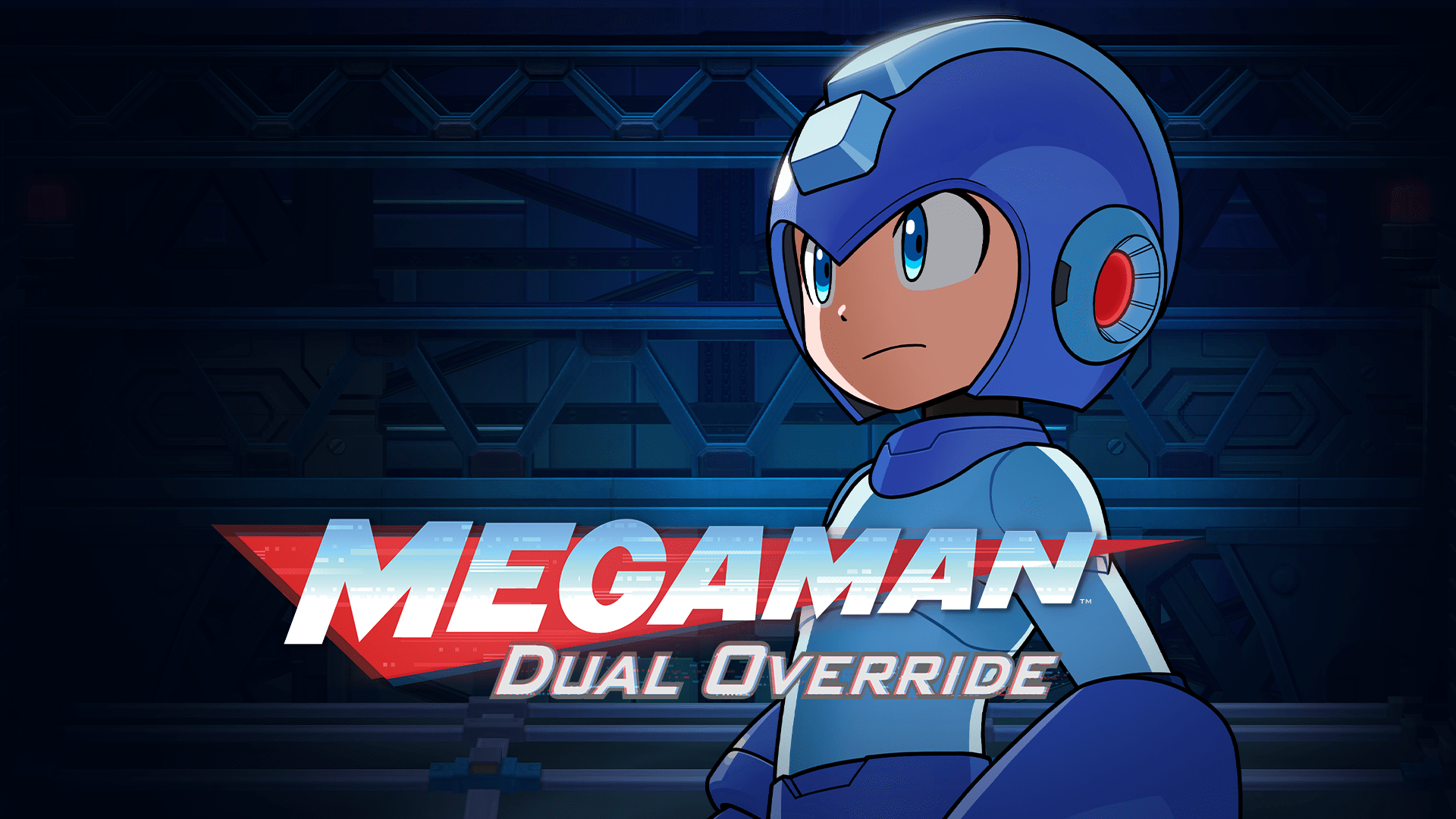
Mega Man Dual Override didn’t sneak into the spotlight – it kicked the door open at The Game Awards and reminded everyone that Capcom still knows how to make a reveal feel like a fireworks show. The big, clean headline is simple: a brand-new 2D Mega Man is in development and it is scheduled for 2027. That alone is enough to make long-time fans sit up straight, because it signals a real forward step rather than another collection, cameo, or nostalgia lap. Capcom has also tied the timing to a milestone year for the series, which makes the 2027 window feel less random and more like a deliberate “this matters” moment.
Then the fan conversation got an extra jolt thanks to Rockman Corner’s Protodude, who teased that there is “more coming sooner than you think” and clarified that the line relates to Dual Override. That kind of phrasing lands like a spark in dry grass. It does not promise a release date, but it does suggest we may not be waiting until 2027 to see real details. Between the official framing, the early hints in the reveal, and a community already guessing what “Dual Override” might mean in practice, we have a rare mix of confirmed facts and clearly signposted next steps. The waiting game is still real, but it suddenly has a heartbeat.
What Capcom revealed at The Game Awards
The reveal for Mega Man Dual Override landed with the kind of energy that only comes from a series that has been missed, not merely remembered. Capcom positioned it as a classic-style 2D action platformer, which is a meaningful choice in itself. When a franchise has enough history to fill shelves, going back to a clean side-scrolling format is not playing it safe – it is planting a flag and saying, “This is the core.” The announcement also made the 2027 timing official, which matters because it gives expectations a real anchor. No vague “in development” fog, no teasing without a window. We know what it is, we know the rough when, and we know Capcom wanted the world to hear it on a stage built for big moments.
Why the 2027 window matters
On paper, 2027 sounds far away. In practice, it is a loud signal about intent and planning. Capcom is not pretending this is around the corner, and that honesty helps. It also lines up with a milestone year for the franchise, which adds a layer of “event game” energy rather than “random sequel drops on a Tuesday.” For fans, that framing can feel like a promise that the team wants to get it right, not rush it out the door. For everyone else, the timing suggests a longer runway of marketing beats – more trailers, more screenshots, more system explainers, and probably at least one moment where the internet argues about a single animation frame like it is courtroom evidence. That is just how Mega Man fans show love.
A classic 2D format with modern expectations
A new 2D Mega Man in 2027 is not the same thing as a new 2D Mega Man in 1991, and that is the interesting part. Players still want tight jumps, readable enemy patterns, and bosses that feel like puzzles you solve with your hands. At the same time, expectations around responsiveness, clarity, accessibility options, and quality-of-life features are higher than ever. The sweet spot is a game that feels instantly familiar but refuses to feel old. Think of it like a favorite jacket that has been repaired and tailored over the years – still the same vibe, but it fits better, moves better, and does not fall apart when you put your phone in the pocket. That is the challenge Dual Override now gets to tackle.
Protodude’s tease and why it caught fire
When Rockman Corner’s Protodude says there is “more coming sooner than you think,” it lands differently than a generic “stay tuned.” It reads like someone trying to sit calmly in a chair while the chair is on a trampoline. The follow-up clarification – that the line relates to Dual Override – narrows the meaning and keeps it from drifting into vague hype. The practical takeaway is simple: we may get another information drop before the long march to 2027 starts feeling endless. That could be a deeper trailer, a mechanics breakdown, a developer message, or even just a clean platform list and a clearer look at what makes Dual Override “Dual.” It is not a guarantee of anything specific, but it is enough to keep the fan radar switched on.
The “Dual Override” hook and what it could mean
The title is doing real work here. “Dual” implies two modes, two forms, two characters, or two layers of play that can interact. “Override” implies switching, bending rules, or temporarily rewriting how Mega Man normally works. Put those together, and it suggests a mechanic that is more than “shoot, jump, slide, repeat.” That is exciting, because Mega Man’s formula is strong, but it also thrives when a new entry adds a single twist that changes how you approach stages and bosses. The key is restraint. If Dual Override is a sharp tool, it can deepen decision-making without turning every moment into a messy control panel. Nobody wants to feel like they need an instruction manual mid-jump.
How overriding could work moment to moment
If we treat the idea literally, an override could be a temporary state you trigger – something like a limited burst mode that changes movement, damage, or how weapons interact. It could also be a swap between two loadouts, letting you pivot on the fly instead of pausing to reorganize your entire plan. That would fit the pacing of Mega Man, where success is often about rhythm: bait the shot, clear the gap, punish the opening, repeat. A smart override system could add an extra beat to that rhythm, like adding a second drum to the song without changing the melody. The best version would be readable at a glance, quick to activate, and meaningful enough that you actually care when it is available.
Why switching states changes boss fights
Boss fights are where Mega Man turns into a conversation between you and the game. The boss asks a question with a pattern, and you answer with timing. If Dual Override introduces switching states, that conversation could get spicier fast. Imagine a boss that forces you to change how you approach distance, or a phase where your normal weapon plan stops working unless you override at the right moment. That could create fights that feel less like “memorize and execute” and more like “read and respond.” The danger, of course, is turning bosses into gimmicks that only work one way. The sweet spot is a system that rewards skillful use but still lets you win by mastering fundamentals. Mega Man is at its best when it respects both types of players.
Stage flow, checkpoints, and replay value
Stages are the real meat of Mega Man, and any dual-mode system will live or die based on how it interacts with level design. If overriding changes movement, then stages can be built with alternate routes, risk-reward shortcuts, or puzzle-like gates that reward smart switching. If overriding changes combat, then enemy placement and weapon drops become more strategic, not just decorative. Replay value is also a big opportunity here. Mega Man fans already replay stages to optimize routes, hunt for clean clears, or just vibe with the music while bullying the same robot for the twentieth time. A well-designed Dual Override loop could make replays feel fresh because your approach is not locked to one “correct” solution. It becomes less like solving a maze once and more like learning a parkour route that you can run in different styles.
Robot Masters, fan contests, and community fingerprints
Robot Masters are the series’ calling card. They are the reason people still argue about which weapon is secretly the best, and they are also the reason the franchise has such a strong visual identity. Dual Override leaning into fan involvement through a design contest is a smart move because it invites the community to put a literal stamp on the game. There is something very Mega Man about that, like the series is tossing you a marker and saying, “Go on then, draw something weird.” The detail about a suction-powered arm concept is also the kind of specific hook that gets artists brainstorming immediately. Even if you never submit anything, watching the community cook up designs is part of the fun, like a pre-release festival where the fanbase becomes its own hype machine.
Art direction, sound cues, and nostalgia without cosplay
Mega Man does not need photorealism. It needs clarity, personality, and a style that makes enemies readable even when everything is moving fast. Early impressions point to a look that respects the classic silhouette while still feeling like a modern production, which is the balance fans usually hope for. Sound matters just as much. A single familiar cue can hit harder than a thousand words, because Mega Man is a series built on muscle memory. When the audio and animation are snappy, the game feels responsive even before you understand every system. The trick is to be nostalgic without dressing up like a tribute act. The best Mega Man entries feel like they belong to their era while still being unmistakably Mega Man, like the character walked forward in time instead of being pulled out of a museum case.
Platforms, availability, and what is not dated yet
Right now, the most concrete timing detail is the 2027 window. That is useful, but it also leaves plenty of blanks that fans will naturally want filled. There is no exact day, no confirmed month, and no public roadmap of when to expect the next major reveal. That is normal at this stage, especially for a game with a long runway. What matters is that Capcom has started the conversation early, which usually means a steady drip of updates is more likely than total silence. Until Capcom drops a full breakdown, the safest approach is to treat anything beyond the official window and the basic premise as unconfirmed. Hype is fun, but hype without guardrails turns into disappointment fast, and nobody wants that.
How this fits Capcom’s bigger “core IP” momentum
Dual Override also makes sense as part of Capcom’s broader messaging about strengthening key franchises. When a company signals that it wants certain series to stand alongside its biggest names, that usually means more than one project, more than one strategy, and more than one release type. A new mainline Mega Man fits that picture perfectly because it is a brand with global recognition and a fanbase that has proven it will show up when given something real. It is also a series that benefits from momentum. When Mega Man is active, it tends to spill into collections, collaborations, merchandise, and community events. In other words, a new game is not just a new game – it is a spark that can light a lot of other candles.
What to watch for next and where updates may land
If “more coming sooner than you think” holds true in the near term, the next update will likely aim at one of two things: gameplay clarity or structural clarity. Gameplay clarity means showing what makes Dual Override different in your hands – not just vibes, but the actual loop. Structural clarity means details like a clearer platform list, early developer notes, or a timeline for future reveals. Keep an eye on official Capcom channels and major event windows, because Mega Man reveals tend to ride moments where the whole industry is paying attention. Also watch for small official posts that feel easy to miss, because those are often where contests, community prompts, and teaser details pop up. Sometimes the loudest clue is not a trailer – it is a single line of text that fans turn into a thousand theories overnight.
Keeping expectations sane while hype does backflips
It is easy to treat a 2027 release window like a personal challenge from the universe, especially if you have been waiting a long time for a fresh classic-style entry. The healthier move is to enjoy the fact that the series is getting real attention again and let the details arrive when they are ready. The announcement already did the hardest part: it turned wishful thinking into an actual upcoming game with a name and a window. Everything after that is refinement. The best way to survive the wait is to stay curious, not convinced. Be excited, sure, but leave room for the game to surprise you. Mega Man has always been about adapting mid-level when a new hazard shows up, and honestly, that is a pretty good mindset for the lead-up too.
Conclusion
Mega Man Dual Override feels like a statement: Capcom is bringing the Blue Bomber back to a classic 2D format, giving it a clear 2027 target, and lighting the fuse on a longer run of updates. Between the official framing, the milestone-year context, and the extra heat from Protodude’s “sooner than you think” tease, the series suddenly feels active again in a way that is hard to ignore. The smartest move now is simple – enjoy the reveal, watch for the next concrete drop, and keep expectations grounded in what has actually been said. The wait might be long, but at least now it is a wait with a name, a direction, and momentum.
FAQs
- What is Mega Man Dual Override?
- Mega Man Dual Override is a newly announced 2D Mega Man action platformer from Capcom, scheduled for release in 2027.
- When is Mega Man Dual Override coming out?
- Capcom has announced a 2027 release window, but there is no confirmed day or month yet.
- What does “Dual Override” mean?
- Capcom has not fully explained the title’s mechanic yet, but the name strongly suggests a dual-mode or switch-based system tied to “overriding” normal abilities.
- Is there more news coming before 2027?
- Rockman Corner’s Protodude has indicated “more coming sooner than you think” related to Dual Override, suggesting additional updates may arrive well before release.
- Is there a fan Robot Master contest connected to the game?
- Yes, Capcom has opened a Robot Master design contest tied to Mega Man Dual Override, encouraging fans to submit boss designs under specific requirements.
Sources
- Capcom The Game Awards recap: Resident Evil Requiem, Pragmata, and Mega Man: Dual Override, PlayStation.Blog, December 11, 2025
- Mega Man: Dual Override Announced – New Game, 2027, Rockman Corner, December 11, 2025
- Rockman Corner: “There’s more coming sooner than you think” in Mega Man Dual Override reveal, My Nintendo News, December 12, 2025
- Capcom announces the first new mainline Mega Man game in 7 years – Mega Man: Dual Override, GamesRadar+, December 12, 2025
- Everything announced at The Game Awards 2025 – Xbox, gaming handhelds, PC, and more, Windows Central, December 12, 2025
- Capcom says it wants Mega Man, Devil May Cry, and Ace Attorney to be “core IPs” like Monster Hunter and Street Fighter, PC Gamer, December 10, 2025
- Capcom Wants You to Design a Mega Man: Dual Override Boss Who Sucks, Push Square, December 15, 2025