














Summary:
Sanzaru Games is gone, and the reason it stings is that this was not a studio that only lived in one lane. Some of us remember Sanzaru most clearly through the Nintendo 3DS era, where the team helped shape the Sonic Boom side of Sonic’s world with Shattered Crystal and Fire & Ice. Others know Sanzaru for its later VR work under Oculus Studios, where the studio became part of Meta’s push to make premium games feel like a reason to own a headset, not just a fun accessory. Either way, the shutdown is a hard stop that turns a long-running studio story into a sudden past tense.
The closure did not happen in isolation. Meta also shuttered Armature Studio and Twisted Pixel, two teams that had been working under the same broader Reality Labs umbrella. Meta’s explanation was blunt and corporate, but still revealing: it had already said it was shifting some investment away from metaverse efforts toward wearables, and these closures were framed as part of that move. That single choice of direction tells you a lot. When a company says “savings” and “reinvest” in the same breath, we are looking at a reshuffle of priorities, not a small trim around the edges.
For players, the immediate question is simple: what happens to the kind of VR games that used to be funded like big events? For developers, the question is more personal: what does stability look like in VR when even acquired studios can be switched off? Sanzaru’s shutdown is a reminder that talent and past hits do not guarantee a future when strategy changes at the top. It is frustrating, it is messy, and it is a little like watching someone redecorate a house by removing entire rooms. We can still appreciate what Sanzaru made, while also being honest about what this signals for VR’s next chapter under Meta.
What happened to Sanzaru Games, the Sonic Boom developer
Sanzaru Games, the studio known to Nintendo fans for Sonic Boom: Shattered Crystal and Sonic Boom: Fire & Ice on Nintendo 3DS, has been shut down by Meta. That same shutdown also hit Armature Studio and Twisted Pixel, making it feel less like a one-off decision and more like a sweep through a specific part of the company. If you are trying to picture it, think of a stage crew being told the show is changing genres overnight – the lights are still on, the building still exists, but the band you came to see has been sent home. The toughest part is how final this kind of move is. Studios do not “pause” in a meaningful way when they are closed, because the people scatter, the internal momentum breaks, and the future of whatever was in progress becomes a question mark that rarely gets a satisfying public answer.
The studio we knew before VR – Sonic Boom on Nintendo 3DS
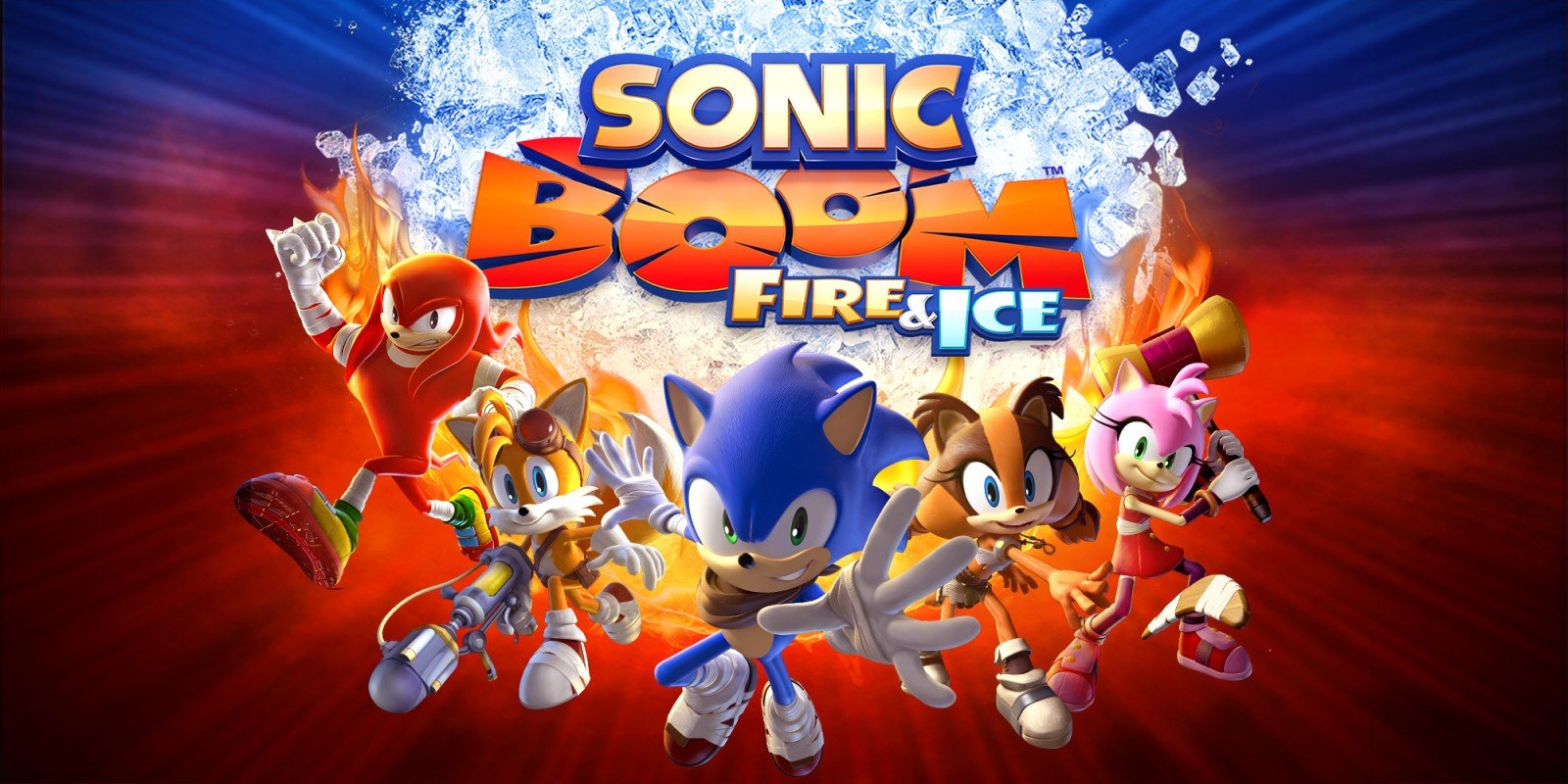
Before VR became Sanzaru’s day job, the studio had already built a reputation for shipping recognizable, licensed experiences, and Nintendo players met them through Sonic Boom’s handheld entries. Sonic Boom: Shattered Crystal and Sonic Boom: Fire & Ice were not trying to be the entire Sonic universe in your pocket, and that was kind of the point. They were focused adventures that leaned into platforming, character swapping, and that familiar Sonic energy where speed is a promise, even when the hardware is asking for mercy. For a lot of players, those games are a timestamp – a reminder of the 3DS era, the dual-screen habits, and the way handheld games could be both smaller and oddly more personal. When a studio like that disappears, it is not just the latest project that vanishes. It is a chunk of gaming history that suddenly stops having a “next.”
How Sanzaru became part of Meta
Sanzaru eventually moved deeper into VR work and became part of Meta’s ecosystem through Oculus Studios. That shift matters because it changes what a studio is built to do day-to-day. In the console and handheld world, you usually ship to a broad audience across multiple platforms, and you learn to survive on variety. Under a platform owner, especially one trying to grow hardware adoption, the mission often becomes clearer and narrower: make experiences that justify the platform. That can be exciting, because budgets and visibility can rise, and you might get to build things that would be risky elsewhere. It can also be fragile, because the studio’s fate becomes tied to a single corporate strategy. If that strategy pivots, the studio does not get to vote. It just gets moved, reshaped, or, in this case, closed.
Meta’s message about shifting money from metaverse work to wearables
Meta’s public explanation for the closures boiled down to a shift in priorities. The company said it had already communicated that it was moving some investment from metaverse efforts toward wearables, and it framed the studio shutdowns as part of that effort, with savings being reinvested to support wearables growth this year. On paper, that reads like a standard reallocation statement. In practice, it is a bright flare that tells you where the company wants momentum and headlines. Wearables are a product category that can scale fast if the market bites, because the pitch is easy: put on glasses, get smarter, stay connected. VR games are a slower burn, because games take time, hits are unpredictable, and you cannot manufacture cultural obsession on a quarterly schedule. When a company chooses the faster narrative, studios that live in the slower narrative get squeezed.
Why Armature Studio and Twisted Pixel were closed too
The fact that Armature Studio and Twisted Pixel were shuttered alongside Sanzaru makes the decision feel systematic. These were not random names floating at the edge of the business. They were part of the same VR-focused family, acquired and positioned to help build a stronger library for Meta’s headset ecosystem. Closing multiple studios at once suggests a belief that the return on investment for first-party style VR game development is not matching what Meta wants right now. It also suggests a desire to reduce ongoing costs that come with running full development teams, especially when the company can still support VR through partnerships, smaller internal groups, or publishing deals. If you are a player, it can feel like the chef just quit mid-meal. If you are a developer, it can feel like the kitchen is being remodeled into a coffee bar because coffee sells faster.
What this means for VR game development under Reality Labs
When a platform owner closes studios that were explicitly meant to help build platform value, it changes the mood of the entire ecosystem. Developers outside the company start asking practical questions: how long will funding last, what does “support” really mean, and how does a pitch survive when priorities shift toward hardware-adjacent categories like glasses? Internally, it can change how projects are approved, how ambitious teams are allowed to be, and how risk is tolerated. VR games, especially big ones, are expensive experiments because the audience is smaller than traditional consoles and the design challenges are unique. That is not a deal-breaker, but it does require patience. If patience is no longer the dominant virtue, VR game development under Reality Labs may tilt toward safer bets, smaller scopes, and experiences that serve as product demos rather than full-course meals.
What Quest players might feel next
Players tend to feel corporate shifts in indirect ways first. You might notice fewer “big event” releases, longer gaps between headline games, or a heavier reliance on third-party ports and timed exclusives rather than new, built-for-VR showcases. You might also see more attention on features that make the headset fit into a broader lifestyle pitch – fitness, social, media, mixed reality utilities – because those align more neatly with a wearables-first worldview. None of that means the headset suddenly becomes worthless, but it can change the emotional reason you buy one. People do not fall in love with a headset because it exists. They fall in love with the moments it creates. If studio closures reduce the number of moments that feel impossible anywhere else, the platform risks feeling more like a gadget and less like a place.
The human cost behind studio closures
It is easy to talk about studios like they are chess pieces, but they are really clusters of people who have built shared instincts over years. When a studio shuts down, it is not just “jobs lost,” even though that alone is heavy. It is friendships broken across teams, creative momentum cut off, and personal plans rerouted overnight. Developers who joined an acquired studio often did so believing the acquisition would bring stability, resources, and a longer runway. A shutdown flips that promise on its head. It also injects a particular kind of anxiety into the broader community, because everyone watching starts asking, “If it can happen to them, why not us?” That question is not dramatic. It is survival math, and it changes how people choose projects, companies, and even the platforms they build for.
The wearables bet – what Meta is prioritizing now
Meta’s wearables emphasis is not a small side quest. It is a strategic choice that treats devices you can wear all day as the next big interface, especially if those devices can blend AI features with everyday convenience. That direction can make sense from a business standpoint because it aims at a wider market than dedicated VR enthusiasts. You do not have to convince someone to clear space in their living room or learn motion controls. You just have to convince them that glasses can be useful, stylish, and worth the upgrade. The tricky part is what gets deprioritized to fuel that bet. VR games are often the spark that makes people care about VR beyond novelty, so reducing internal investment there can weaken the emotional glue that keeps players engaged. It is a bit like building a new highway while letting the best local restaurants close – you might get more traffic, but you lose the reasons people loved the place.
Where VR still fits in this picture
Even with a wearables push, VR does not vanish. The headset business still exists, the platform still needs software, and players still want reasons to stay invested. The difference is likely in how those reasons are created. Instead of relying on owned studios to produce large tentpole experiences, Meta can lean more heavily on external partnerships, publishing deals, and selective funding that targets specific genres or audience segments. That approach can still produce great games, but it can also become less predictable, because the platform owner’s identity becomes less tied to a steady internal pipeline. For players, the experience may feel more like a marketplace with occasional fireworks rather than a curated theme park with scheduled parades. For developers, it may mean more opportunities for deals, but also more pressure to prove near-term value quickly.
What this signals for the wider games industry
There is a broader lesson here that extends beyond Meta. Acquisitions do not guarantee permanence, even when they seem like validation. The last decade trained the industry to see studio purchases as a sign of safety, but closures like this underline a harsher reality: studios can be bought for a strategy, and strategies can be replaced. That is not a moral judgement, it is just how large companies move. The challenge is that creative work does not behave like a spreadsheet. A studio’s value is not only the next release. It is the team’s accumulated trust, the internal tools, the shared design language, and the weird little “we know how to solve this” reflexes that only form after years together. When that is broken, you cannot instantly rebuild it by hiring new people and assigning a new project title. The industry loses something real, even if the balance sheet looks cleaner.
What we can take away from Sanzaru’s story
Sanzaru’s timeline is a reminder that studios are often defined by reinvention. This was a team that could go from console and handheld licensed work to VR development inside a major tech company’s platform strategy. That adaptability is a skill, and it is worth respecting. The shutdown does not erase what the studio made, and it does not invalidate the people who built those games. If anything, it highlights how much modern development depends on decisions made far from the dev floor. If you are a player, it is okay to feel frustrated. If you are a developer, it is okay to feel wary. The healthiest takeaway might be the simplest one: celebrate the work while it exists, support the people behind it, and remember that “owned by a giant” is not the same thing as “safe forever.”
Conclusion
Sanzaru Games being closed by Meta, alongside Armature Studio and Twisted Pixel, is the kind of news that lands with a dull thud and then keeps echoing. It matters because Sanzaru was not a footnote studio. It had a real legacy across very different eras, from Sonic Boom on Nintendo 3DS to VR development under Oculus Studios. Meta’s explanation points to a clear priority shift toward wearables, and that shift is not just a budget line – it is a choice about what kind of future the company wants to build. For VR players, the worry is whether big, bold VR games become rarer. For developers, the worry is whether the ground under VR development stays stable enough to plan a career around. We can appreciate Sanzaru’s work, feel the loss, and still be honest about the signal this sends: in VR, strategy changes can close doors quickly, even for teams with a track record.
FAQs
- Which studio made Sonic Boom: Shattered Crystal and Sonic Boom: Fire & Ice on Nintendo 3DS?
- Sanzaru Games developed both Sonic Boom: Shattered Crystal and Sonic Boom: Fire & Ice for Nintendo 3DS.
- Which other VR studios were closed alongside Sanzaru Games?
- Meta also shuttered Armature Studio and Twisted Pixel as part of the same Reality Labs-related move.
- What reason did Meta give for closing these studios?
- Meta said it was shifting some investment away from metaverse efforts toward wearables, and planned to reinvest the savings to support wearables growth.
- Does this mean Meta is abandoning VR games entirely?
- No. VR is still part of Meta’s business, but the closures suggest a change in how aggressively Meta wants to fund and run internal VR game development teams.
- What might Quest players notice after these studio closures?
- Players may see fewer first-party style tentpole releases and a bigger reliance on external partnerships, ports, and selective publishing deals for major VR releases.
Sources
- Meta is closing down three VR studios as part of its metaverse cuts, The Verge, January 2026
- Meta Closes Twisted Pixel, Sanzaru Games, And Armature Studio, Game Informer, January 14, 2026
- Meta has closed three VR studios as part of its metaverse cuts, Engadget, January 2026
- Meta layoffs mean big cuts in VR gaming, as 3 studios close, Polygon, January 2026
- Meta shuts down Armature Studio, Sanzaru Games, and Twisted Pixel, Gematsu, January 2026
- The Studio Behind The Sonic Boom Games On 3DS Has Been Shut Down, Nintendo Life, January 2026