














Summary:
Shigeru Miyamoto doesn’t often hand out “favorite game” shoutouts to other publishers, which is why this little Samba de Amigo detail hits like a cymbal crash in a quiet room. In an interview with Satoshi Okano, one of the developers tied to Samba de Amigo’s early days, Okano explained how he learned Miyamoto was a fan: not through a press quote, not through a public cameo, but through a New Year’s greeting card from Satoru Iwata. The note was simple and almost casual, basically the kind of thing you’d scribble because you can’t keep a fun fact to yourself: Iwata told Okano that Miyamoto also liked Samba de Amigo. That’s it. No spotlight. No marketing push. Just a genuine “you’ll appreciate this” message shared between creators.
That simplicity is exactly why it matters. It shows a side of game culture we don’t always get to see from the outside: respected designers paying attention to what other teams are building, even when it’s not their company’s logo on the box. Samba de Amigo is colorful, physical, and instantly readable, and it rewards timing in a way that feels welcoming rather than stern. When we connect that to Miyamoto’s long-running taste for playful clarity, the puzzle pieces line up fast. We’re not just staring at a random trivia nugget. We’re seeing how great ideas travel, how joy can be a serious design goal, and how a small human moment between Iwata and Okano can reveal what kinds of experiences even industry icons can’t put down.
How Sega rhythm game Samba de Amigo caught Nintendo’s eye
Some facts land with a thud because they sound obvious, and others land with a grin because they feel oddly personal. Miyamoto liking Samba de Amigo is the second kind. He’s usually discussed in the context of Nintendo’s own pillars, so when a Sega rhythm game pops up in the conversation, it immediately changes the vibe. It’s like spotting a famous chef quietly ordering street food and realizing, oh, they’re chasing the same joy we are. This story also reminds us that the games industry isn’t made of sealed bubbles. Teams watch each other, borrow energy, and sometimes just fall in love with a good idea. And Samba de Amigo is exactly that kind of idea: bright, physical, and easy to understand in seconds, even if you’re only half-paying attention at first.
The moment Okano heard the name “Miyamoto”
What makes this moment pop is how it arrives, not just what it says. Satoshi Okano didn’t learn about Miyamoto’s interest through a formal compliment or a headline interview. Instead, it came through a developer-to-developer connection that feels almost old-fashioned now: real correspondence, real relationships, and a tiny spark of shared excitement. Okano described being interviewed by game magazines, with those interviews being read in Kyoto by Satoru Iwata, who at the time had already become a central figure at Nintendo. That context matters because it frames the story as something that happened naturally in the flow of people paying attention to each other’s work. No fanfare, no stage, no cameras. Just someone reading, noticing, and then passing along a detail that felt worth sharing.
A New Year’s card from Satoru Iwata
The heart of it is the New Year’s card. Okano said he and Iwata used to exchange greetings, and on a card from around 2000 or 2001, Iwata wrote a short line that basically boiled down to: “You know, Shigeru Miyamoto also likes Samba de Amigo.” That sentence carries a lot of weight without trying to. It’s friendly, a little mischievous, and oddly warm, like someone nudging you in the ribs with a fun secret. It also shows Iwata’s role as a connector. He wasn’t just a leader managing a company from the top floor. He was a person who read interviews, kept tabs on what other teams were making, and enjoyed sharing little creative sparks that might make someone’s day.
Why this detail matters more than trivia
It’s tempting to treat this as a “cool fact” and move on, but it has more bite than that. When a creator of Miyamoto’s stature likes something outside his own company, it can hint at what he values as a player, not just as a figurehead. Samba de Amigo is built around immediate readability: you see the prompt, you move, you get feedback, and you feel the rhythm lock in. That’s not a complicated pitch, and it doesn’t need a lecture to sell itself. It’s also a reminder that taste isn’t always about genre loyalty or brand loyalty. Sometimes it’s about the feeling a game creates in your hands, the kind that makes you lean forward without thinking. If we care about how games influence each other, these small personal endorsements can be more revealing than a thousand corporate statements.
What Samba de Amigo is, and why it felt different
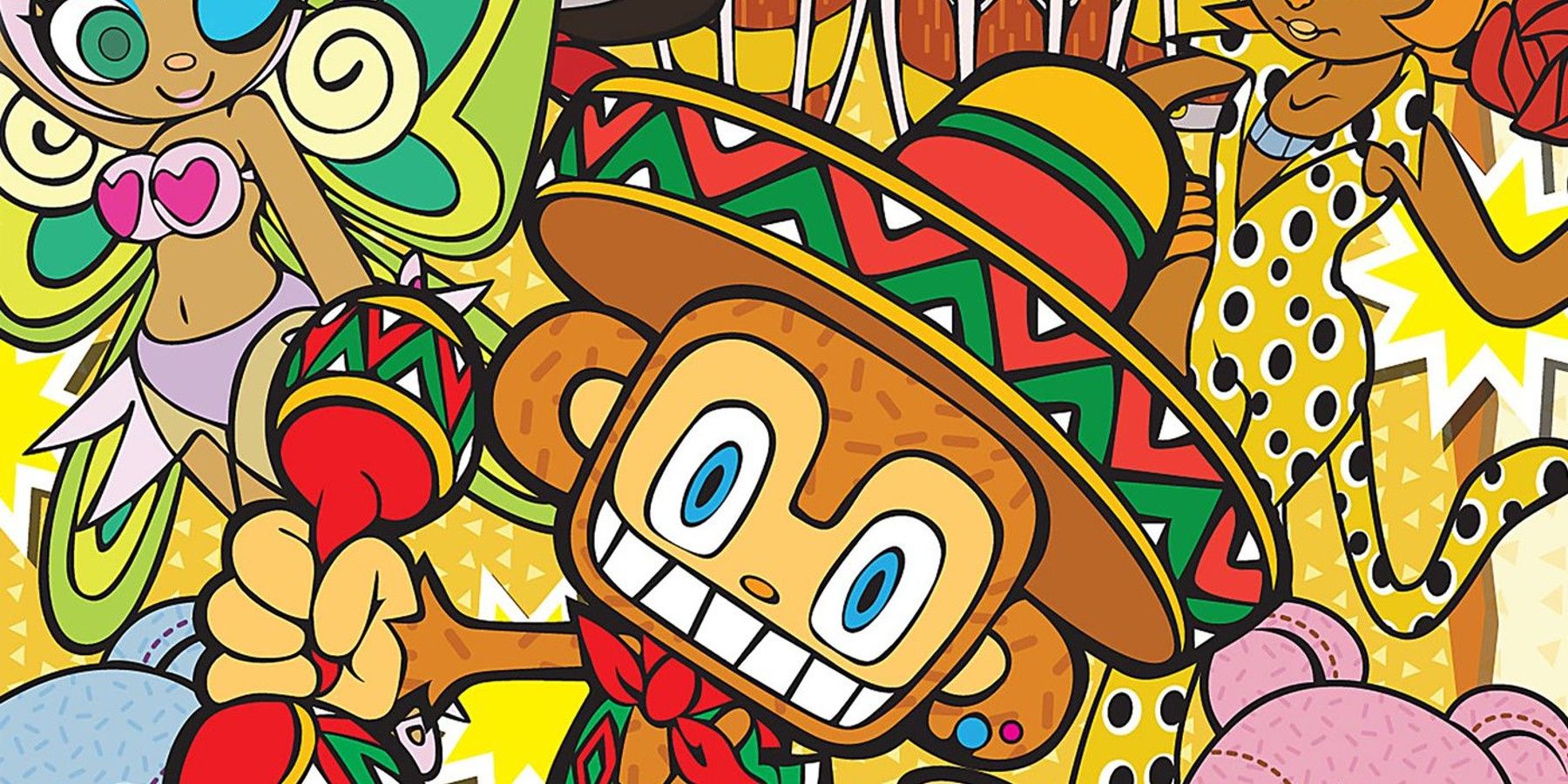
Samba de Amigo isn’t shy. It practically kicks the door open with color, music, and a premise that sounds silly until you try it and realize you’re smiling like an idiot. The core concept is rhythm action with maracas, where motion and timing are the main conversation. Historically, it arrived in arcades in 1999 and then hit the Dreamcast in 2000, which matters because that era loved bold hardware experiments and weird peripherals that made your living room look like a party gone slightly off the rails. It later expanded to other platforms, and the series has continued to reappear in new forms over the years. The point is not nostalgia for nostalgia’s sake. The point is that this series earned attention by being instantly legible and physically expressive.
Maracas, motion, and the joy of simple feedback
There’s a special kind of magic in games that tell you what to do without making you feel dumb. Samba de Amigo does that by turning rhythm into a physical gesture that matches the fantasy. You’re not just pressing buttons while a character dances. You’re shaking, posing, and moving in space, which makes the whole thing feel less like a test and more like play. The feedback loop is also clean: when you nail the timing, it feels crisp, like snapping a rubber band in the best way. When you miss, it’s obvious what happened, but it doesn’t feel like the game is scolding you. That tone matters. It’s welcoming, but it still leaves room for mastery, and that balance is hard to get right.
Timing as a language, not a barrier
Rhythm games can sometimes feel like they’re judging you, especially when they hide their rules behind complicated UI or demand perfect precision from second one. Samba de Amigo tends to do the opposite. It teaches timing like a language you can pick up through repetition, not a wall you bounce off. The prompts are meant to be readable at speed, and the physicality helps your brain “get it” faster because you’re matching movement to sound. It’s a bit like learning a dance from a friend instead of reading choreography off a sheet of paper. You don’t need to know every step in advance. You need to feel the beat, and the game gives you a fair chance to find it. That approach makes it the kind of experience you can share with someone who doesn’t usually play games, which is a rare and powerful trick.
The “feel-good loop” that keeps you playing
Here’s the sneaky part: once the loop clicks, it’s hard to stop. You start a song to “test it,” then you want to fix the one messy section, then you want to top your score, then you’re picking another track because your arms are already in motion anyway. It’s the same reason you keep tapping your foot when a catchy song comes on, except now the tapping has goals and fireworks. The game also leans into celebration. When you do well, it makes you feel like you did well. That sounds obvious, but plenty of games forget to celebrate the player. Samba de Amigo celebrates constantly, and it does it with a wink, like it’s saying, “Yes, you’re absolutely crushing this, keep going.” If Miyamoto liked it, it’s easy to see why: the fun is immediate, and the feedback is honest.
Miyamoto’s design fingerprints and the surprise overlap
If we step back, the overlap between Miyamoto’s design instincts and Samba de Amigo’s personality starts to look less surprising and more inevitable. Miyamoto is often associated with games that feel readable, playful, and tactile, where the learning curve is something you climb without realizing you’re climbing. Samba de Amigo fits that mold in its own Sega-flavored way. It’s not trying to be grim, mysterious, or overly complicated. It’s trying to make you move, smile, and keep time. That sounds light, but it’s also disciplined. Rhythm games live or die on clarity and responsiveness, and when those parts are right, you get a kind of joy that feels physical. That’s the kind of joy that tends to outlast trends, and it’s the kind of joy a veteran designer can appreciate instantly.
Color, clarity, and readable chaos
Samba de Amigo is loud in the best way. It throws bright characters, bold shapes, and energetic music at you, but it still keeps the important information readable. That’s a delicate balance. Too much visual noise and you lose the beat. Too little personality and the whole thing feels like a metronome with a face. The game threads the needle by making the chaos decorative while keeping the timing cues clear. That design discipline is something we also recognize in many Nintendo favorites: the world can be playful and stuffed with details, but the player always knows what matters right now. If you’ve ever played a game where you died because you couldn’t see what the game wanted from you, you know how valuable that clarity is. Samba de Amigo doesn’t just hand you the beat. It highlights it like a friend pointing at the dance floor.
Playfulness that still respects skill
There’s a common misunderstanding that “playful” means “shallow.” Samba de Amigo pushes back against that. It’s goofy and joyful, sure, but it’s also built on timing, coordination, and pattern recognition. If you want to improve, you can. If you want to mess around and laugh, you can also do that. That flexibility is part of what makes it feel inviting, and it’s also the kind of design that ages well because it doesn’t lock itself to one type of player. You can treat it like a party toy, or you can treat it like a score chase. Either way, the game meets you where you are. That “meet you where you are” mindset is a hallmark of games that stay beloved, and it’s a strong clue for why a designer like Miyamoto could enjoy it without needing it to look or sound like anything Nintendo makes.
Iwata as a bridge between dev worlds
Satoru Iwata’s role in this story isn’t just “the guy who wrote the note.” The note shows a habit: paying attention. Iwata read interviews from other developers, kept correspondence going, and enjoyed the human side of game creation. That matters because creative fields can get tribal fast. Companies compete, fans argue, and online discourse turns every preference into a team sport. Iwata’s small gesture cuts through that noise. It suggests that behind the corporate borders, people were still talking, still curious, still impressed by good work. There’s also something charming about the idea of Iwata, in Kyoto, reading magazine interviews and thinking, “Oh, this will make Okano smile.” That’s leadership with personality, and it helps explain why so many developers speak about him with genuine affection.
Reading interviews, noticing sparks, sharing them
We often talk about interviews as publicity, but in this case, the interviews acted like a signal flare between creators. Okano’s team did the work, magazines asked questions, Iwata read the results, and a tiny chain reaction happened. That’s a reminder that public conversations can have private impact. A single line in print can reach the right person at the right time and lead to a moment of connection. It’s also a reminder that appreciation isn’t always loud. Sometimes it shows up as a sentence on a holiday card. And honestly, that might be the best kind, because it’s not trying to sell anything. It’s just someone acknowledging that a game made an impression. If we’re looking for the human heartbeat behind big names like Miyamoto and Iwata, this is it: curiosity, attention, and a willingness to share delight.
What this says about creative curiosity at big studios
Big studios can look like machines from the outside, but the best work still comes from people who stay curious. This story hints at a culture where curiosity was not only allowed, it was normal. A Nintendo leader reading about a Sega game, corresponding with a Sega developer, and casually mentioning Miyamoto’s enjoyment paints a picture of a medium where ideas are respected across company lines. That doesn’t erase competition, but it does soften it. It says, “Good work is good work.” And for players, it’s a helpful reality check. The games we love aren’t created in isolation. Designers play other games, absorb what works, and carry those lessons into new projects. Sometimes that influence is technical, sometimes it’s emotional, and sometimes it’s as simple as wanting to recreate the feeling of joy you had while shaking pretend maracas like your living room was a stage.
Admiration without rivalry
Here’s the part that feels refreshing: admiration doesn’t have to be a surrender. Miyamoto liking Samba de Amigo doesn’t mean Nintendo wanted to be Sega. It means a good idea landed, and a great designer noticed. That kind of appreciation is healthy, and it’s how mediums grow. Movies borrow from theater, music borrows from older music, and games borrow from other games. When we frame everything as rivalry, we miss the more interesting truth: creators are often fans first. They know how hard it is to make something that feels effortless, and they can spot craft when they see it. Samba de Amigo’s craft is in its clarity, its feel, and its confidence. If we ever wonder why certain games become classics while others fade, this is a clue. Classics don’t just entertain. They make other creators lean in and pay attention.
How we can apply the lesson when we play and create
So what do we do with this, besides smiling at the mental image of Miyamoto enjoying a maraca rhythm game? We use it as permission to keep our taste wide. If you only play one genre, you can still love it, but you might miss the weird little mechanics that could change how you think about play. Samba de Amigo is a reminder that “simple” can be sophisticated and that joy can be engineered with real precision. Whether you’re making games, making art, or just trying to figure out what you enjoy, it helps to chase experiences that surprise you. Sometimes a bright, silly rhythm game teaches you more about feedback and flow than a serious, dramatic blockbuster ever could. And if an industry icon can be delighted by something outside his own company’s catalog, we can definitely give ourselves permission to do the same.
Spotting “good ideas” in unexpected places
Next time you try something new and it clicks, pause and ask why. Was it the clarity of the goal? The way the game taught you without nagging? The way success felt in your hands, not just on a scoreboard? That’s how we build a personal library of “good ideas,” and it’s also how creators sharpen their instincts. Samba de Amigo offers a masterclass in making timing feel friendly, in turning motion into expression, and in celebrating the player without turning the experience into a joke. It’s playful, but it’s not careless. If we bring that mindset into anything we do, we end up making things that welcome people in instead of daring them to keep up. And really, isn’t that what we want from the best games – to feel invited, not interrogated?
Conclusion
Miyamoto being a Samba de Amigo fan is a small story with a big shadow. The reason it sticks is not because it’s shocking, but because it feels human. A developer learns something delightful through a New Year’s card, a Nintendo leader acts like a curious reader instead of a distant executive, and a famous creator is revealed to have the same kind of “I love this” reaction any of us can have when a game feels right. Samba de Amigo earned that reaction through clarity, physical fun, and a feedback loop that makes rhythm feel approachable. The takeaway isn’t that we should chase trivia. The takeaway is that joy travels. Great ideas don’t respect company borders, and neither does genuine admiration. When we notice what makes a game feel good, we’re not just appreciating it – we’re learning the language of play.
FAQs
These questions come up naturally once we start talking about Miyamoto, Iwata, and a Sega rhythm game crossing Nintendo’s orbit. We keep it practical here: what was actually said, what it suggests, and how Samba de Amigo fits into a broader pattern of creators learning from each other. If you’ve ever wondered how “inspiration” really works in games, this is the kind of small, credible moment that helps the bigger picture make sense.
- Where did the claim about Miyamoto liking Samba de Amigo come from?
- It comes from an interview with Satoshi Okano, where he explained that Satoru Iwata mentioned Miyamoto’s enjoyment of Samba de Amigo in a New Year’s greeting card.
- What exactly did Iwata say in the New Year’s card?
- Okano recalled that Iwata wrote a short note along the lines of “You know, Shigeru Miyamoto also likes Samba de Amigo,” dating the card to around 2000 or 2001.
- Why does Samba de Amigo stand out compared to other rhythm games?
- Its identity is strongly physical and readable, built around maraca-like motion and clear timing cues that make the experience feel welcoming while still rewarding skill.
- Did Samba de Amigo have a history on Nintendo platforms?
- Yes. The series has appeared beyond its original arcade and Dreamcast era, including a Wii entry and later releases that brought the maraca-shaking concept to newer audiences.
- What’s the bigger lesson from this story?
- It highlights how creative curiosity works in games: great designers notice great ideas wherever they appear, and small, personal moments can reveal real cross-studio admiration.
Sources
- Best Of 2025: The Making Of Samba De Amigo, Sega’s Rhythm Action Classic That Nintendo Fell In Love With, Time Extension, April 29, 2025
- Shigeru Miyamoto is a fan of the Samba de Amigo franchise, My Nintendo News, December 25, 2025
- Samba de Amigo: Party Central is Out Now! Rev Up the Party with DLCs!, SEGA CORPORATION, August 30, 2023