Summary:
Moon Studios has garnered widespread praise thanks to Ori and the Blind Forest and its sequel, Ori and the Will of the Wisps. Both experiences offer visually captivating worlds brimming with emotional storytelling and invigorating gameplay. The success of these titles on Nintendo Switch underscores the studio’s dedication to bringing memorable adventures to fans on multiple platforms. Thomas Mahler, the CEO of Moon Studios, has voiced enthusiasm for forgotten or underutilized properties like Banjo-Kazooie, believing in the potential to reignite passion for classic games. Even though Microsoft holds the Banjo-Kazooie rights, Mahler envisions how a truly imaginative 3D platformer could stand alongside modern giants like 3D Mario, should the right creative approach be taken. This sentiment highlights the broader conversation around reviving older franchises in ways that resonate with both seasoned gamers and newcomers alike. By reflecting on Mahler’s perspective and the path of Moon Studios, there is a growing interest in how classic IPs might thrive with the right stewardship. Keeping the charm and soul of beloved titles alive, while embracing innovation, can breathe new life into gaming’s historic gems. This viewpoint sets the stage for future possibilities, revealing an exciting horizon where fresh ideas merge with iconic characters for a brand-new generation of players.
A Bit of Background on Moon Studios
Moon Studios emerged as a creative force in the gaming industry, blending elegant art styles with immersive, heartfelt storytelling. Founded by a team of passionate developers from different parts of the world, the studio quickly garnered attention for its commitment to crafting magical experiences. Each member brought diverse backgrounds and skills, which shaped the studio’s culturally rich and collaborative atmosphere. This global dynamic helped spark fresh ideas that would later blossom into the much-loved Ori series. At the center of this innovative environment is the desire to inspire players of all ages to experience wonder and excitement. Rather than focusing on boundaries or conventional methods, Moon Studios thrives on pushing what can be achieved with platformers. It’s a journey that’s both exhilarating and challenging, opening doors to future endeavors that may surprise fans and critics alike. The energy driving these creators often leads them to explore uncharted territory, forging new paths for imaginative worlds and unforgettable characters.
The Birth of Ori and the Blind Forest
Ori and the Blind Forest, launched in 2015, introduced players to an ethereal realm brimming with breathtaking visuals and a narrative that tugged at the heartstrings. The game’s production involved weaving intricate environmental details with challenging yet rewarding gameplay. As players guided Ori through forests, caves, and mystical ruins, they encountered stories of friendship, sacrifice, and personal growth. Each step in the creative process carried a sense of exploration, with developers experimenting to deliver a visually stunning experience that felt balanced, exciting, and deeply meaningful. One of the remarkable aspects of Ori’s journey lies in how it appeals to both casual players and those yearning for a more demanding platforming challenge. The design balances puzzle-solving, traversal skills, and emotional storytelling, capturing an atmosphere that resonates long after the final credits. This harmony between art, gameplay, and narrative continues to define the essence of Moon Studios. Their dedication to uniting visual splendor with immersive storytelling sets a precedent for other developers aiming to craft memorable experiences within the platformer genre.
Inspiration and Influences
When shaping Ori’s world, the creators drew inspiration from classic platformers, poignant tales in animated films, and even traditional folktales. You can feel those influences in the game’s lush environments, haunting musical score, and precisely timed gameplay segments. Despite these nods, Moon Studios strove to avoid merely replicating old formulas. Instead, they combined beloved elements of the genre with their own ideas, bringing something fresh to the table. You might compare Ori’s leaps through eerie forest canopies to a graceful dance, reflecting a subtle influence from older 2D platformers. Yet, the studio’s approach also borrows from cinematic storytelling, ensuring each moment carries emotional weight. This synergy showcases the company’s ability to blend retro comfort with modern flair. Through delicate balancing acts between homage and innovation, Moon Studios has captured the attention of gamers looking for genuine depth within an engaging world.
The Nintendo Switch Connection
The Ori series eventually found its way onto Nintendo Switch, delighting fans who wanted to experience Ori’s adventures on a handheld console. The process of optimizing the game for Switch took careful planning, requiring the team to adapt visuals and performance without sacrificing quality. By preserving every delicate detail, they allowed players to immerse themselves in the same captivating journey originally introduced on other platforms. This Switch release reinforced how flexible Moon Studios could be in reaching broader audiences. Nintendo’s portable hybrid console encouraged people to explore Ori’s realm at home or on the go, opening the door for new fans who previously might have missed out. Such collaboration highlights the potential for creative teams to transcend hardware barriers while maintaining artistic vision. Ultimately, the game’s presence on Switch exemplifies how new partnerships can unlock opportunities for innovative experiences that span multiple gaming communities.
Ori and the Will of the Wisps: A Natural Progression
Building on the success of Ori and the Blind Forest, Moon Studios introduced Ori and the Will of the Wisps, which further refined the platformer’s mechanics and storytelling. The sequel expanded the beloved universe by deepening the emotional core of the story while offering enhanced gameplay features. Players encountered new companions, hidden pathways, and intense boss battles that tested Ori’s agility and wit. It was a testament to the studio’s commitment to evolving its vision while retaining the series’ signature charm. Beyond gameplay improvements, the sequel tackled themes of hope, perseverance, and interconnectivity. The sense of progression mirrored Ori’s own personal growth, making the story more than just a continuation. It felt like an evolution for the entire universe. The design, world-building, and mesmerizing soundtrack captured hearts worldwide, ensuring the title stood out in a genre often crowded with derivative experiences. This sequel demonstrated that with genuine creativity and dedication, developers can breathe new life into familiar territory.
Leadership Insights from Thomas Mahler
Thomas Mahler, CEO of Moon Studios, often discusses game design with a blend of technical acuity and heartfelt passion. His perspective on the industry hints at the philosophy driving Ori’s success. He believes in nurturing a setting where originality, top-notch artistry, and meaningful connections form the pillars of game creation. This focus on harmony between all elements — from narrative arcs to the smallest lighting detail — resonates throughout the team’s products. By championing collaboration and pushing for consistent quality, Mahler fosters an environment where developers and artists can experiment fearlessly. This spirit of exploration fuels the studio’s pursuit of innovative worlds and stories. For Moon Studios, it’s never just about releasing another title; it’s about elevating the platformer genre and surprising the audience. Mahler’s passion not only guides the company’s direction but also inspires fans eager to see how Moon Studios will tackle fresh endeavors.
Banjo-Kazooie: A Missed Opportunity?
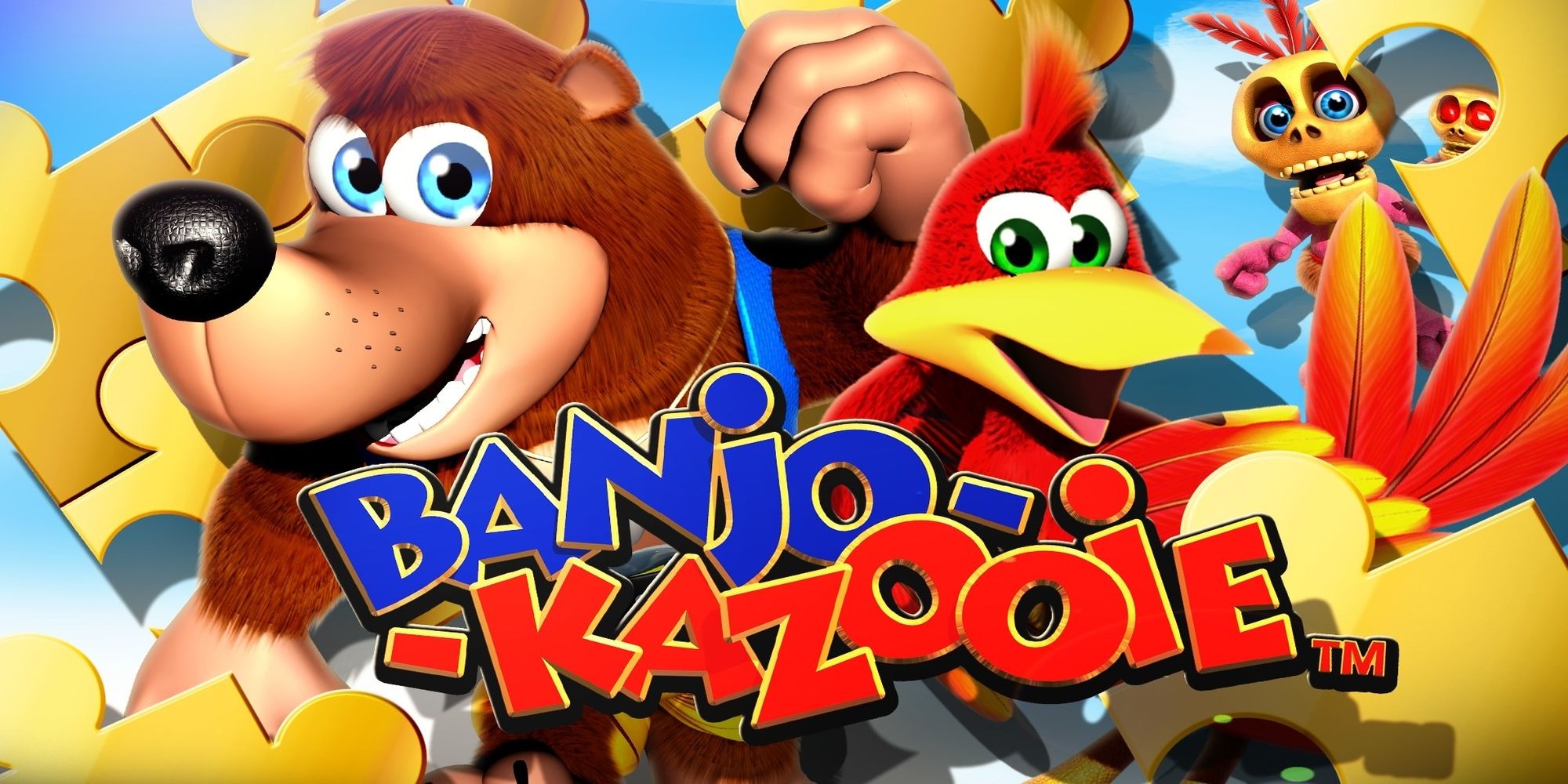
During an interview, Mahler expressed frustration over Banjo-Kazooie’s dormancy under Microsoft. The brand once symbolized a golden era for 3D platformers, capturing the charm and excitement of exploring whimsical landscapes with comedic flair. Despite its warm place in gaming history, the franchise hasn’t seen a new main installment in years, leaving many long-time fans hoping for a revival. Mahler’s remarks suggest that if Banjo-Kazooie were given the attention it deserves, the results could be transformative. He believes a talented team could deliver an experience on par with revered titles like 3D Mario. For those who’ve grown up chasing jiggies and jiggling puzzle pieces, the thought of a modern Banjo release ignites nostalgia and excitement. It’s a reminder that sometimes beloved classics just need the right care to shine once more.
How the Right Approach Could Challenge 3D Mario
The mention of Banjo-Kazooie potentially rivaling 3D Mario underscores a bigger conversation about what makes a platformer shine. Games under the 3D Mario banner consistently combine polished mechanics, creative level design, and universally appealing themes. Banjo-Kazooie shares some of these traits but has long remained in a slumber, waiting for renewed inspiration. Thomas Mahler’s comments prompt us to think about how a modern Banjo-Kazooie might inject fresh energy into the 3D platforming realm. A well-executed revival could weave in contemporary gameplay innovations, timeless humor, and a storyline that resonates across generations. This prospect raises the question of whether other nostalgic platformers could achieve a similar resurgence. Fans of the genre often cherish the enchanting blend of exploration, puzzle-solving, and character-driven charm. If those elements align with today’s technological advancements, there’s potential for a new wave of vibrant 3D adventures that can hold their own beside Nintendo’s iconic plumber.
Microsoft’s Role in Reviving Beloved Franchises
As the rights holder for Banjo-Kazooie, Microsoft has control over the future of that cherished series. Their broader gaming strategy, which includes systems like Xbox and publishing relationships, heavily influences the fate of classic IPs. While the company focuses on major franchises and subscription-based models, certain beloved properties remain idle, creating a sense of curiosity and hope among longtime supporters. For fans who grew up with these games, the real question is whether Microsoft will invest in reawakening nostalgic favorites with a modern flair. Banjo-Kazooie stands out as a particularly intriguing candidate, given its historically robust fan following. If a new project were to emerge, it could reflect Microsoft’s readiness to cater to various demographics, blending tradition with technological sophistication. This willingness to revisit past gems can help expand their ecosystem and demonstrate the company’s dedication to a diverse gaming portfolio.
Overcoming Technological Hurdles
Relaunching older properties isn’t just about brand recognition. It also involves tackling new hardware capabilities, player expectations, and modern standards of production. From advanced graphics engines to intricate audio design, every aspect must be carefully updated to strike a balance between honoring the original identity and appealing to contemporary audiences. Even small missteps could jar fans out of the experience, so development teams must refine each element thoroughly. In addition, a relaunch has to contend with the complexity of evolving player habits. The days of simple console play have expanded into realms of digital storefronts, cross-platform connectivity, and streaming services. Designers might question how to incorporate such features without losing the classic flavor. By approaching these challenges with patience and creativity, developers can orchestrate a revival that resonates with both first-time players and those longing for a trip down memory lane.
The Road Ahead for Moon Studios and Iconic IPs
Moon Studios’ trajectory could intertwine with other beloved series if the right partnerships emerge. Ori’s success shows that this team has the skill to craft thoughtful, visually striking universes brimming with emotional depth. Should Microsoft decide to entrust a property like Banjo-Kazooie to such a capable group, it might produce a platforming experience that rekindles the spirit of classic games while pushing innovation forward. The notion of synergy between major studios and dormant IPs opens endless possibilities. As gaming evolves, fans increasingly value unique, emotionally resonant adventures. Ori has demonstrated the power of infusing stories with compassion, heartbreak, and hope, and applying that same care to an older franchise could yield surprising results. It’s a matter of timing, negotiation, and creative freedom. Whatever path Moon Studios chooses, the lessons learned from creating Ori suggest a bright future for players yearning for platforms that combine artistry and narrative depth.
Balancing Nostalgia and Innovation
In reviving cherished properties, developers walk a tightrope between nostalgia and modern innovation. Engaging older fans might demand a return to the style, humor, and pacing that originally made these games popular. Yet, new players may crave updated systems, refined visuals, and a fresh take on storytelling. Achieving this balance is far from easy, requiring a flexible mindset and a willingness to experiment. Teams that succeed in this endeavor often weave classic elements in ways that feel familiar but not dated. They refine mechanics, incorporate new gameplay twists, and adapt the title’s visual identity for contemporary platforms. While it’s tempting to rely solely on retro charm, a complete remake or sequel with enhanced features usually stands the best chance of resonating widely. The process of reinventing a legacy calls for striking a harmony between what made the series special and how gaming has progressed since then.
Collaborative Creative Potential
A fascinating aspect of potentially pairing a studio like Moon Studios with an established IP such as Banjo-Kazooie is the creative synergy that might surface. By combining the Ori team’s penchant for emotive storytelling with the whimsical humor of Banjo-Kazooie, a modern platformer could appeal to an array of players. Many of these fans might recall collecting musical notes and honeycombs in the 90s, while others may have only read about the series in gaming retrospectives. Building on that nostalgic spark without trapping the project in the past involves brainstorming imaginative new puzzles, vibrant level designs, and dynamic storytelling techniques. Even bridging the gap between 2D design sensibilities and a 3D environment could open new doors. Innovation may come through refined physics, cooperative gameplay modes, or an interactive hub world that grows with the player’s progress. Ultimately, it’s about translating the sense of wonder from old-school adventures into the modern era.
Conclusion
Moon Studios’ rise to prominence illustrates how passionate development, combined with a clear artistic vision, can yield experiences cherished by players worldwide. From Ori’s first steps to the possibilities of breathing new life into franchises like Banjo-Kazooie, the studio’s journey reveals the importance of uniting creativity with purpose. Whether forging original stories or refining timeless properties, the pursuit remains the same: to captivate the hearts and minds of gamers looking for something truly memorable.
FAQs
- 1. Is Moon Studios part of Microsoft?
- Moon Studios operates independently, though it has partnered with Microsoft for publishing in the past. This gives the studio creative freedom while benefiting from Microsoft’s distribution channels.
- 2. What makes Ori and the Blind Forest special?
- Many consider its art style, stirring soundtrack, and engaging gameplay the biggest draws. The game’s touching storyline and tight platforming have helped it stand out among 2D titles.
- 3. Why is Banjo-Kazooie important to so many people?
- Banjo-Kazooie left a lasting impression in the late 90s as a vibrant, humorous 3D platformer. Its unique level designs and lovable characters made it a fan favorite.
- 4. Could a Banjo-Kazooie revival actually match 3D Mario’s success?
- Thomas Mahler suggests that the right creative approach might let Banjo-Kazooie reach a broad audience, indicating strong potential if given the proper resources and direction.
- 5. What is next for Moon Studios?
- While the studio’s future projects remain mostly under wraps, its commitment to inventive storytelling and polished design suggests more immersive adventures lie ahead.
Sources
- Ori and the Blind Forest: Definitive Edition, Nintendo, Published: 5.3 years ago
- Ori and the Will of the Wisps, Nintendo, Published: 4.3 years ago
- Moon Studios On Ori And The Will Of The Wisps’ Journey From Xbox To Switch, Nintendo Life, Published: 4.3 years ago
- Moon Studios Head Calls Out Lack Of Banjo-Kazooie Game, Gameranx, Published: today
- Rumor: Insider says new Banjo-Kazooie game is in development, Nintendo Wire, Published: last year