Summary:
Ninja Gaiden has long held a special place in the hearts of action-game enthusiasts. When we heard Platinum Games was stepping in to develop a new iteration under Microsoft Game Studios, excitement soared. Yet, this wave of optimism arrived alongside notable news: Takahisa Taura, known for his visionary work on Astral Chain and design contributions to Nier Automata, seems to have left Platinum Games. Reports suggest he’s founded Eel Game Studios, a fresh face that may herald new possibilities in the action-game sphere. While details remain scarce, fans are intrigued by how this transition will shape upcoming Ninja Gaiden entries and the fate of beloved franchises like Astral Chain. There’s a sense of anticipation swirling around both the revived Ninja Gaiden series and any future projects Taura might bring to life under his new banner. This content explores the vibrant history that led to Ninja Gaiden’s current path, Microsoft’s involvement in fueling the project, and what Taura’s departure might mean for Platinum Games moving forward. We’ll also take a look at the legacy of Astral Chain, the creative spark behind Nier Automata, and how Eel Game Studios could influence the next evolution of action gaming.
The Return of Ninja Gaiden
Ninja Gaiden has a reputation for gripping combat, acrobatic feats, and a hero who effortlessly slices through formidable foes. For fans, the news that Platinum Games has stepped in to develop a new version of this iconic series arrived like a sudden lightning bolt. After all, Platinum Games carries a strong track record of delivering heart-pounding, fast-paced action titles that demand your full attention. They’re the minds behind some of the most memorable hack-and-slash experiences, and their involvement is already drawing comparisons to their past successful collaborations.
Yet, while excitement blossoms over this bold direction for Ninja Gaiden, the departure of Astral Chain director Takahisa Taura from Platinum Games has left many questions in its wake. Sometimes, changes within a studio spark new possibilities, but they can also introduce uncertainties. Fans wonder about the game’s future and what Taura’s new endeavor, Eel Game Studios, might mean for the broader action genre. Is the Ninja Gaiden rebirth in safe hands, and what role will Microsoft Game Studios play in shaping its destiny? There’s a lot to unpack, so let’s dive into the epic tale behind Platinum Games’ involvement, Taura’s intriguing departure, and what might lie on the horizon for action-game enthusiasts everywhere.

The Rise of Ninja Gaiden with Platinum Games
For anyone who’s followed Ninja Gaiden from its early console days, the mere mention of a series revival sparks instant curiosity. Renowned for demanding gameplay and a storyline that often veered into supernatural territory, Ninja Gaiden became synonymous with unrelenting difficulty. When rumors began circulating that Platinum Games was taking up the reins, fans got even more excited. After all, Platinum Games made its mark with high-octane combat in titles like Bayonetta, Vanquish, and Metal Gear Rising: Revengeance. Their signature style involves fluid movement, stylish combos, and visually stunning battles that keep you on the edge of your seat.
A cross-company team-up between Platinum Games and Microsoft Game Studios raises the stakes considerably. On one hand, you have Platinum Games’ flair for cinematic, fast-paced action, and on the other, Microsoft’s considerable resources, marketing prowess, and ecosystem. This means that every pixel, every slash of the sword, could be powered by top-notch technology, ensuring that the next Ninja Gaiden installment stands tall among action games of this generation. Will it live up to the legendary reputation of its forebears? The community can’t wait to find out.
Microsoft Game Studios’ Role
Microsoft Game Studios has historically showcased a broad range of titles, from platformers to first-person shooters. Seeing them partner with Platinum Games on Ninja Gaiden indicates a strategic move into the heart of hack-and-slash territory. It’s a bold statement that they’re committed to enriching their library with genres that captivate a more niche, albeit dedicated, audience. When a powerhouse like Microsoft invests in a classic franchise known for its difficulty and cult following, it signals confidence in the developer’s ability to deliver.
Financial backing and technical support are crucial, but what about creative freedom? Microsoft’s involvement often comes with extensive quality checks, marketing resources, and a push for broad appeal. For some fans, there’s excitement in seeing a beloved franchise potentially receive the budget it deserves. But there’s also caution: will the hardcore identity of Ninja Gaiden remain intact? Can we still expect punishing difficulty that made the series legendary, or will it be softened for a wider user base? Questions swirl around how deeply Microsoft will shape this project, although their backing is likely to ensure the game receives attention from a global audience. Only time will reveal the complete scope of their influence.
Departing Vision: Takahisa Taura
Shortly after the big Ninja Gaiden announcement, word spread that Takahisa Taura, known for his work as Astral Chain’s director and a key designer on Nier Automata, might have left Platinum Games. This departure has taken many by surprise. Taura’s creative mark at Platinum Games was hard to miss, especially if you’ve experienced the vibrant cityscapes and unique combat system in Astral Chain. His departure timing—so close to the announcement of a major new project—raised eyebrows among fans and industry insiders.
Taura’s reputation as a designer who blends innovation with nostalgic elements of classic action gaming has contributed significantly to Platinum Games’ identity. So, as one of the studio’s brightest talents steps away, discussions have sprung up about how his absence might affect not only Ninja Gaiden’s direction but also any future expansions or sequels to Astral Chain. Nonetheless, fresh creative perspectives can emerge in the wake of a departure. Platinum Games has no shortage of gifted developers, but Taura’s unique vision will undoubtedly be missed. The only question is: will Eel Game Studios, his rumored new venture, carry the same spark?
Eel Game Studios: A Fresh Chapter
Fans discovered early indications that Taura established Eel Game Studios, although official statements remain sparse. The name alone conjures curiosity—like some creature lurking beneath the surface, waiting for the right moment to strike. We’re left with tantalizing possibilities about the style, genre, and level of ambition this new studio might embody. Would they focus on hack-and-slash adventures, or branch into uncharted territory? Given Taura’s artistic flair, Eel Game Studios could turn out to be a hotbed of bold ideas.
Departures from established studios often spark innovation. Look at how many iconic spin-off companies have emerged from major publishers, each adopting a distinct approach to game design. Eel Game Studios could be a laboratory for creative experimentation, particularly in the action genre. It’s also possible they’ll collaborate with larger publishers, just as other smaller studios have done, leveraging big partners for distribution while retaining a nimble core team to bring visionary concepts to life. We can’t help but wonder if Eel Game Studios will mirror the essence of Platinum Games’ trademark style or carve out its own identity. Only time—and perhaps a couple of revealing trailers—will shed light on this promising new studio’s fate.
Reflecting on Astral Chain
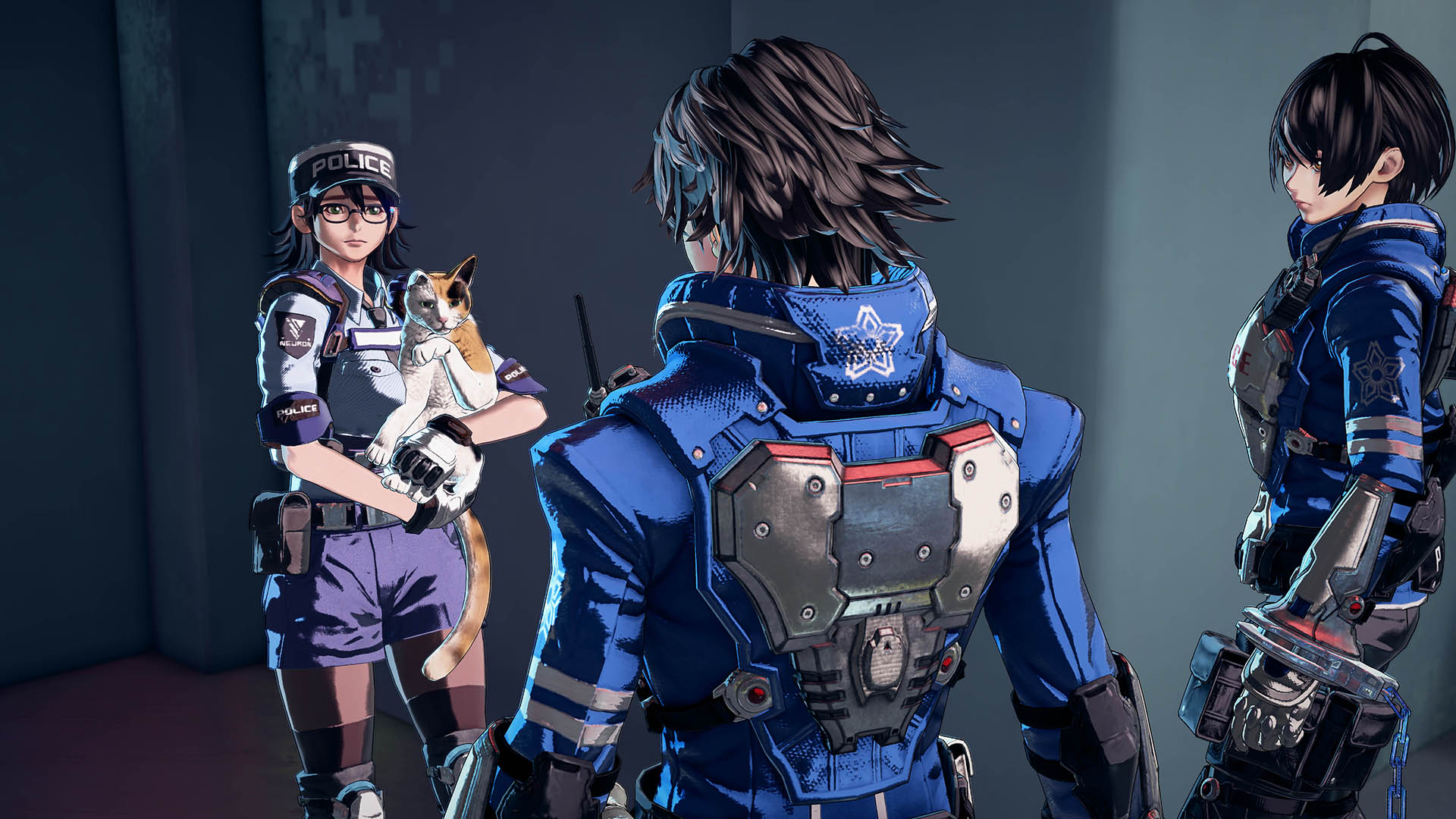
Astral Chain, with its cyberpunk flair and dual-character combat, remains a pinnacle of Platinum Games’ creative output. Directed by Taura, it broke ground by coupling stylized swordplay with futuristic policing. Each mission felt like a dynamic dance between you and your Legion companion, forging a fluid synergy that tested quick thinking and reflexes. Its storyline, blending a dystopian future with underlying themes of humanity’s resilience, struck a chord among those who adore both intense action and meaningful narratives.
For many fans, the question of a sequel lingers. The abrupt nature of Taura’s departure and the swirl of rumors around the next Ninja Gaiden have overshadowed the possibility of Astral Chain 2. While no official statement confirms or denies a sequel, fans fervently hope the brand still has potential. Astral Chain was more than just an action game—it offered puzzle elements, detective work, and a unique buddy mechanic that made it stand out. If another installment ever materializes, will it maintain Taura’s distinct flavor? Or could a fresh perspective at Platinum Games reinvigorate the series with new ideas? The uncertainty lingers, and anticipation is an emotion that the gaming world thrives on.
The Legacy of Nier Automata
Nier Automata emerged as a surprise hit, blending philosophical musings with adrenaline-pumping combat, courtesy of Platinum Games’ dynamic approach. While Yoko Taro was the visionary behind the project, Taura’s influence in shaping Nier Automata’s exhilarating combos and shifting perspective segments should not be underestimated. The game’s success rests as much on its profound storytelling as on its mesmerizing gameplay loops. Combat transitions seamlessly between bullet-hell sequences and ground-level sword fighting, a formula that Platinum Games honed to near perfection.
This same synergy between narrative depth and fluid action has turned Nier Automata into a modern classic. It also showcased how an imaginative design team can fuse gameplay and story to forge something truly memorable. Taura’s involvement confirmed that he excels at bridging traditional action-game tropes with narrative intrigue. As such, his departure from Platinum Games evokes a swirl of emotions among fans of Nier Automata. Could Eel Game Studios draw on this background to produce similarly boundary-pushing titles? If so, the gaming community could witness the birth of another cult sensation. There’s a certain thrill in knowing that brand-new ideas can be birthed from the legacy of successful franchises.
Platinum Games’ Creative DNA
Platinum Games has cultivated a unique blend of style and substance over the years, translating intense combat mechanics into fluid, cinematic experiences. Consider Bayonetta, with its combination of bullet arts and time-slowing dodges. The thrilling dance of attack and evade gave players a heightened sense of control and satisfaction. Even in partnerships like Metal Gear Rising: Revengeance, the studio brought flashy swordplay and interactive slicing, bringing fresh excitement to established franchises.
That distinctive creative DNA won’t simply vanish because one influential figure departed. While Taura’s work significantly shaped projects like Astral Chain and Nier Automata, Platinum Games is known for an ensemble of talented designers, artists, and programmers. Collaboration is at the heart of their success. These teams thrive on exchanging ideas and challenging each other to reach new heights. As they embark on Ninja Gaiden with Microsoft, they’re poised to pour that same imaginative energy into every slash, dodge, and finishing move. It’s plausible we’ll see a synergy of old-school Ninja Gaiden difficulty meshed with Platinum Games’ trademark flair for spectacle. The result might be an adrenaline rush that sets the tone for modern action titles.
Future Prospects for Ninja Gaiden
Ninja Gaiden’s future holds immense potential, particularly under the guidance of a studio renowned for breathing new life into action-heavy franchises. Gamers across the globe are eager to witness the synergy between the game’s signature difficulty and Platinum Games’ refined combat style. Could we see new characters, co-op features, or expansions that delve deeper into the lore of ninjas in a tech-infused setting? The possibilities seem endless, and the hype is building fast.
One aspect that garners strong speculation is how the next Ninja Gaiden will differentiate itself from other action titles. With so many big releases in the hack-and-slash realm, it takes something truly special to stand out. Platinum Games has a proven track record of injecting humor, drama, and high-stakes intensity all at once, delivering an experience that feels fresh yet familiar. If the partnership with Microsoft unlocks additional resources and marketing muscle, the new Ninja Gaiden might become a flagship title, shining brightly on modern consoles. Fans are crossing their fingers that the game’s spirit remains intact, offering that legendary challenge which made the series both loved and feared.
Bridging Fan Expectations
Fans of the original Ninja Gaiden might be craving the near-impossible boss fights and swift reflexes that made the series a hallmark of action gaming. Meanwhile, newcomers enticed by Platinum Games’ reputation might be drawn to the fluid combos and cinematic style. Balancing these two groups is no small feat. Lean too heavily on old-school difficulty, and you risk alienating players who prefer more accessible gameplay. Go too easy on the challenge, and you disappoint those who relish the punishing nature of the classic installments.
This balancing act reflects the broader strategy for any studio reviving a legacy franchise. Yet, it also shines a spotlight on Microsoft’s role in shaping the experience. Will they endorse the bold approach that made Ninja Gaiden a cult favorite, or push for a more user-friendly path to reach mainstream gamers? Whichever direction the team chooses, it’s likely to spark lively debate across gaming forums and social media. In the end, a well-executed approach could attract new fans while still honoring the legacy. Ultimately, this is the dance of modern game development: paying tribute to tradition while embracing innovation. If the final product can walk that line, we could be looking at a game that becomes an instant must-play among action aficionados.
Behind the Scenes: Development Hurdles
Launching a major title under a prominent publisher inevitably involves intricacies. From budget allocations to tight production schedules, every development team faces hurdles. For Ninja Gaiden, there’s the added pressure of reviving a beloved name that’s been silent for a while. Fans carry strong memories of blistering difficulty and iconic characters, which means any misstep risks tarnishing a cherished legacy. At the same time, evolving market demands call for experiences that stay fresh, whether through storytelling or gameplay twists.
Platinum Games has shown it can handle pressure before, stepping into established franchises and reinventing them in exciting ways. But success is never guaranteed, especially when high-profile deals invite intense scrutiny. Ensuring synergy between creative freedom and publisher requirements is a balancing act. Sometimes, even the best studios face stumbling blocks: last-minute design overhauls, engine limitations, or staff changes that can throw off the carefully orchestrated timeline. Nevertheless, adversity often fosters invention. The new Ninja Gaiden’s journey may be fraught with challenges, but overcoming them could result in a memorable title that resonates with fans for years to come.
Potential Crossovers and Special Features
Collaborations and crossover content have become a popular trend in modern gaming. Imagine discovering Easter eggs nodding to Astral Chain or hidden references honoring Taura’s design style. Or perhaps a cameo from other Platinum Games properties. If developers decide to weave smaller elements of familiarity throughout the game, it could spark a sense of community among fans. These hidden treats not only reward long-time supporters of Platinum Games but also entice new players to explore the studio’s catalog.
Beyond cameos, the potential for special modes—like time trials, wave-based challenges, or co-op experiences—could become a staple in breathing longevity into Ninja Gaiden. Think about how side missions in Astral Chain gave players break-the-mold tasks that offered both tension and fun. A similar approach here might inject the updated Ninja Gaiden with new replay value. Even the possibility of expanded difficulty modes that range from a moderate challenge to soul-crushing extremes could keep the conversation going well after launch. Because let’s face it, many love a good dare.
Conclusion
The evolution of Ninja Gaiden, under the helm of Platinum Games and Microsoft Game Studios, marks a fascinating chapter for the action-genre faithful. It’s a journey colored by the departure of a key creative force, Takahisa Taura, and the emergence of Eel Game Studios. Astral Chain enthusiasts are left to ponder what’s next, while the collective gaming community waits to see how Ninja Gaiden will capture hearts once again. Above all, this marks a time of transformation—a moment where creative ambitions, nostalgic reverence, and the promise of cutting-edge development tools converge. Whether you’re a seasoned ninja, a curious newcomer, or someone eagerly following Taura’s next move, these unfolding stories offer something for everyone. Here’s to the twists, turns, and unforgettable battles that lie ahead.
FAQs
- Question: Is Takahisa Taura confirmed to be at Eel Game Studios?
- Answer: While official statements are limited, clues from job listings and social media posts suggest Taura has indeed left Platinum Games and joined Eel Game Studios.
- Question: Could Astral Chain get a sequel without Taura?
- Answer: There’s no official news, but Platinum Games has a talented team. Another director might take the helm if the company decides to revisit the Astral Chain universe.
- Question: How challenging will the new Ninja Gaiden be?
- Answer: Platinum Games has a knack for intense combat, and Ninja Gaiden is known for its high difficulty, so it’s likely the updated version will be just as demanding, if not more.
- Question: Does Microsoft Game Studios have creative control over the project?
- Answer: Microsoft provides resources and support, but Platinum Games typically maintains creative autonomy. They’ll likely collaborate closely to shape the final product.
- Question: Will Eel Game Studios focus on action games too?
- Answer: Though not much is known, Taura’s background suggests they may delve into action titles. That said, new studios sometimes explore several genres before settling.
Sources
- The ‘Year of the Ninja’ Commences: NINJA GAIDEN 4 Is Coming, Xbox Wire, January 23, 2025
- Ninja Gaiden 4 is coming to Xbox, PC, and PS5, The Verge, January 23, 2025
- Everything announced at Microsoft’s January Xbox Developer Direct, Polygon, January 23, 2025
- Astral Chain Director Seemingly Forms New Studio After Leaving PlatinumGames, Nintendo Life, January 24, 2025
- Evidence grows that Astral Chain director Takahisa Taura could have quit PlatinumGames, Video Games Chronicle, January 24, 2025