














Summary:
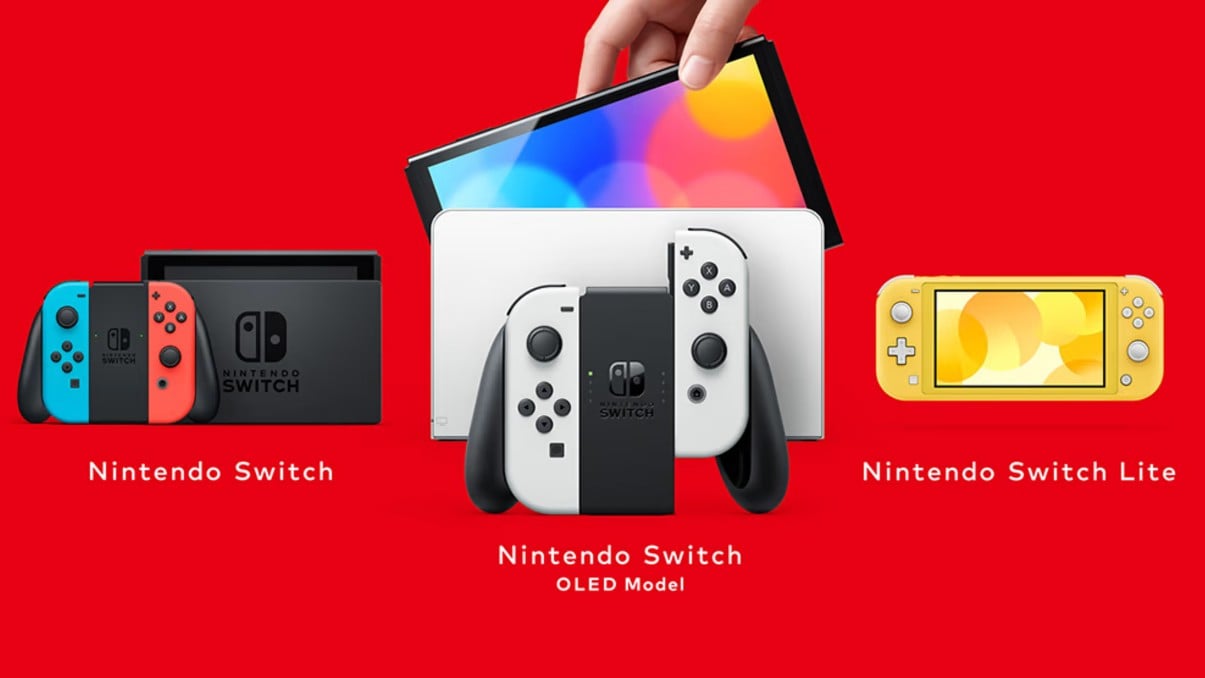
Nintendo’s latest results paint a clear picture of a platform entering its sunset while still pulling serious weight. The Switch family has reached 154.01 million units sold worldwide, putting it within a whisper of the Nintendo DS’s 154.02 million all-time tally. Hardware projections for the legacy system were trimmed from 4.5 million to 4 million units for the current fiscal year, acknowledging the natural slowdown late in a lifecycle. Yet the brighter signal is software: Nintendo raised its Switch software projection from 105 million to 125 million units, underscoring ongoing demand for titles that remain sticky years after launch. The updated top-selling Switch games list confirms that sticking power. Mario Kart 8 Deluxe leads with 69.56 million, followed by Animal Crossing: New Horizons at 48.62 million, Super Smash Bros. Ultimate at 36.93 million, Breath of the Wild at 33.34 million, and Super Mario Odyssey at 29.84 million. Pokémon entries and Zelda’s more recent Tears of the Kingdom continue to chart, while Super Mario Party keeps its place as a casual favorite. Elsewhere, Super Mario Party Jamboree has climbed to 8.64 million sold, reinforcing the franchise’s broad appeal. For players, this means plenty of life left in the library; for Nintendo, it’s a reminder that software keeps the lights bright even as hardware winds down.
Nintendo’s Worldwide Sales at a glance
Nintendo’s newest results confirm the Switch family’s remarkable staying power, even as the hardware generation transitions. The headline figure is straightforward: 154.01 million units sold for the original Switch family as of September 30, 2025, alongside a refreshed picture of software demand that keeps climbing. Hardware shipments have slowed—no surprise in year nine—but the library continues to work overtime, pulling in new players and reengaging long-time owners who still find reasons to buy. Nintendo adjusted forecasts accordingly: fewer consoles expected, more games anticipated, and a strategy that leans on best-in-class evergreen titles to fill the revenue sails. If you’re tracking momentum lines, the curve for games still points up, and that matters most this late in the cycle.
Switch hardware: edging toward the DS benchmark
The Switch sits just a hair’s breadth from the DS’s peak, a milestone many thought untouchable a few years back. At 154.01 million, it’s essentially tied with the DS’s 154.02 million lifetime number, with the advantage that retail presence and holiday promotions can still nudge incremental sales. The revised forecast—from 4.5 million to 4 million for the fiscal year—acknowledges the reality of a mature platform with competition from its successor. Still, the installed base remains enormous. That base translates into a receptive market for new releases, budget reprints, and expansions, which is precisely why software remains the star of the show even as the hardware growth rate cools.
Software strength: why games carry the late-cycle momentum
Games keep the heartbeat steady when a console nears its twilight. Nintendo increased its software projection for Switch from 105 million to 125 million units for the fiscal year, signaling confidence that the catalog—and ongoing promotions—will continue converting shopper interest into purchases. The ingredients are simple but effective: price-dropped hits, special editions, and word-of-mouth classics that still feel fresh for newcomers. Add the Switch’s pick-up-and-play nature and it becomes easier to understand why parents, students, and lapsed players still stock up. When your library features multiple evergreen leaders across racing, life-sim, fighting, platforming, and adventure, the runway for software sales stays long.
Updated top 10 Switch games: what the ranking tells us
The new ranking tightens the story. Mario Kart 8 Deluxe leads with 69.56 million, proving that a perfectly tuned racer can be a system’s anchor for years. Animal Crossing: New Horizons sits at 48.62 million, reflecting how comfort games can transcend trends. Super Smash Bros. Ultimate at 36.93 million continues to be the definitive crossover fighter; The Legend of Zelda: Breath of the Wild at 33.34 million remains the blueprint for modern open-air adventure; Super Mario Odyssey at 29.84 million showcases the enduring pull of precision platforming. Pokémon’s twin pairings—Scarlet/Violet at 27.61 million and Sword/Shield at 26.96 million—underline franchise power, while Tears of the Kingdom at 22.15 million shows that sequels can thrive even deep into a cycle. Rounding things out, Super Mario Party at 21.23 million and New Super Mario Bros. U Deluxe at 18.53 million reinforce family-friendly staying power. Each slot in the chart isn’t just a number; it’s a use case for why the catalog keeps selling.
Mario Kart 8 Deluxe and Animal Crossing: the evergreen anchors
Mario Kart 8 Deluxe is more than a hit; it’s a habit. With 69.56 million copies sold, it functions like a shared language for Switch owners—easy to start, hard to put down, and forever relevant for parties, dorms, and family rooms. Animal Crossing: New Horizons, at 48.62 million, represents the other half of the Switch’s soul: quiet, creative, and endlessly personal. These two titles demonstrate why the platform refuses to fade with time. One delivers instant excitement and bite-size races that fit into busy days; the other offers a slower cadence that people return to for comfort. Together, they teach a useful lesson about catalog design: variety plus accessibility creates staying power.
Zelda’s dual impact: Breath of the Wild and Tears of the Kingdom
Breath of the Wild and Tears of the Kingdom prove that innovation doesn’t age quickly when freedom is the design pillar. Breath of the Wild at 33.34 million retains its pull because every playthrough can feel different; it’s a sandbox where curiosity is the compass. Tears of the Kingdom, charting at 22.15 million, adds a mechanical twist that turns experimentation into a creative art. When a platform has two entries in the same series selling at this level years apart, you’re looking at a library with depth, not just breadth. For late adopters picking up a used console or a discounted OLED, these games are often the first two in the cart—and for good reason.
Pokémon’s two pillars: Scarlet/Violet and Sword/Shield
Pokémon remains as dependable as sunrise. Scarlet and Violet at 27.61 million and Sword and Shield at 26.96 million illustrate how dual-release strategies keep momentum through regional bundles, special editions, and community events. Even players who finished a campaign months ago still find reasons to return for trading, competitive battles, or seasonal raids. On a platform where portability matters, that loop is golden. For retailers, Pokémon drives attach rates for accessories and subscriptions; for parents, it’s a safe bet that holds attention beyond the first weekend. The brand’s cross-media presence only amplifies this, feeding steady demand with every update and event.
Party power: Super Mario Party and Jamboree’s new milestone
Few genres sell living-room fun like party games, and the numbers back it up. Super Mario Party sits comfortably in the top ten at 21.23 million, a testament to pick-up-and-play design and timeless minigames. The newer Super Mario Party Jamboree has now reached 8.64 million units sold across its versions, showing strong legs after an already fast start. The appeal is obvious: mini-games that are easy to explain, sessions that fit any schedule, and a social loop that rewards “one more round.” In a late lifecycle, games that bring people together often overperform because the installed base is broad and households are hungry for something everyone can enjoy.
Forecast changes: hardware trimmed, software raised
Nintendo’s forecast adjustments strike a pragmatic balance. The reduction in Switch hardware expectations from 4.5 million to 4 million recognizes that late-cycle sales have headwinds, from supply allocation to the gravitational pull of newer hardware. On the other hand, upping software expectations from 105 million to 125 million signals confidence that the catalog—and seasonal promos—can deliver. This blend is financially savvy: software carries higher margins and keeps engagement high, which in turn sustains digital revenue, DLC interest, and online subscriptions. It’s a flywheel effect where great games create time spent, and time spent drives more purchases across the ecosystem.
What this means for Switch owners and late adopters
If you already own a Switch, the take-away is simple: your library still has momentum, and deals will be plentiful. Expect recurring discounts on the long-tail hits, retailer bundles that pair best-sellers with accessories, and a steady drumbeat of events that resurface older favorites. If you’re a late adopter, the value proposition is arguably at its peak. The hardware is affordable relative to launch, and the must-plays are well documented, battle-tested, and supported by active communities. With the top-selling list as your map, it’s easy to build a collection that feels fresh without guesswork, whether you’re chasing big adventures or family game nights.
Implications for publishers and retailers this holiday
For publishers, the message is to meet the audience where it lives: familiar IP, polished expansions, and cross-promotion with accessories or collectibles. Catalog visibility matters more than ever, so refresh trailers, update store assets, and plan lightweight events that bring lapsed players back. For retailers, bundles built around evergreen leaders—Kart, Animal Crossing, Zelda, Pokémon—will convert. Add in add-on SKUs like controllers and storage, and the basket size climbs. The Switch’s extraordinary base means even modest conversion rates add up. Lean on the numbers: when a platform’s best-sellers continue to chart years later, endcaps and homepage blocks do real work.
The bigger picture: how Switch 2 tailwinds support Switch 1
Curiously, the successor’s strength props up the predecessor. Switch 2 headlines draw attention back to the ecosystem, and the original Switch benefits from a lower entry price and a legendary library. Backward-looking buyers often pick up discounted software alongside hardware for kids’ rooms, travel, or secondary setups. Meanwhile, publishers can stagger releases across both platforms with tailored features, keeping older owners engaged and creating hand-offs when players upgrade. In that sense, the updated sales figures—154.01 million hardware units and a refreshed top-10 that still moves—are not just a capstone, but a bridge to the next chapter. The software keeps singing while the stage lights shift.
Why the top 10 still matters for discoverability
Charts act like signposts for undecided shoppers. Seeing Mario Kart 8 Deluxe at the top reassures newcomers that they’re buying into a classic that friends likely own, smoothing the path to multiplayer. Spotting Animal Crossing high up hints at cozy gameplay that fits busy lives. Zelda’s presence tells story-seekers and explorers there’s wonder on tap, while Pokémon signals a lively community. When the list is this strong, discovery gets easier and returns get rarer. That feedback loop—confidence leading to purchase, purchase leading to advocacy—is one reason the Switch catalog continues to outperform late in its life.
How forecast tweaks ripple across pricing and promos
Raising software guidance tends to coincide with sharper seasonal planning. Expect aggressive digital storefront deals, themed sales around fan-favorite franchises, and retailer bundles that pair evergreen games with hardware or accessories. On the physical side, watch for reprints of best-sellers with updated cover labels or value stickers that spotlight their sales milestones, nudging fence-sitters to act. For buyers, this means timing a wishlist can pay off. For Nintendo, each promo cycle becomes a proof point that the library’s draw isn’t fading; it’s evolving with the audience and meeting them where they want to play and pay.
What to watch next
Keep an eye on how close the Switch creeps to, or slips past, the DS’s lifetime total. Track seasonal boosts to the top ten, especially if Tears of the Kingdom and Mario Kart 8 Deluxe pick up end-of-year lift. And don’t overlook party titles—Jamboree’s latest milestone suggests more upside when families gather. If the software forecast holds, we’ll see continued strength from bundles, expansions, and sale events. For anyone building a library today, the numbers aren’t just trivia; they’re signposts pointing to purchases that will still feel good months from now.
Conclusion
The headline may be hardware, but the heartbeat is software. With 154.01 million Switch units in the world and a top-ten list stacked with proven favorites, Nintendo’s library continues to do the heavy lifting in a late lifecycle. Hardware projections dipped, software expectations rose, and players benefit through value and choice. Whether you’re racing with friends, tending an island, diving into Hyrule, or queuing up mini-games, the updated figures confirm what everyday play already suggests: the Switch era still has gas in the tank, and its best-sellers remain the easiest way to enjoy it.
FAQs
- How many Nintendo Switch consoles have been sold to date?
- The latest figure is 154.01 million units for the original Switch family as of September 30, 2025, reflecting base, Lite, and OLED models across all regions.
- Has the Switch surpassed the Nintendo DS yet?
- It’s effectively neck-and-neck: Switch stands at 154.01 million versus the DS at 154.02 million. Seasonal sales could push Switch past the DS, but the two are essentially tied right now.
- Which Switch game has sold the most?
- Mario Kart 8 Deluxe leads with 69.56 million copies sold, showcasing unmatched longevity for multiplayer racing and party sessions.
- What changed in Nintendo’s forecast?
- Nintendo trimmed legacy Switch hardware expectations from 4.5 million to 4 million units for the fiscal year while raising Switch software guidance from 105 million to 125 million units.
- How is Super Mario Party Jamboree performing?
- It has reached 8.64 million units sold, reinforcing the franchise’s broad appeal and the platform’s appetite for social, couch-friendly play.
Sources
- IR Information: Sales Data – Dedicated Video Game Sales Units, Nintendo, November 4, 2025
- Top Selling Title Sales Units – Nintendo Switch Software, Nintendo, November 4, 2025
- Switch 2 worldwide sales top 10.36 million, Switch tops 154.01 million, Gematsu, November 4, 2025
- Nintendo financial results – November 2025: Switch 2 at 10.36 million units, Switch at 154.01 million, Nintendo Everything, November 4, 2025
- Here are the top ten best-selling Nintendo Switch games as of September 2025, Nintendo Life, November 4, 2025