














Summary:
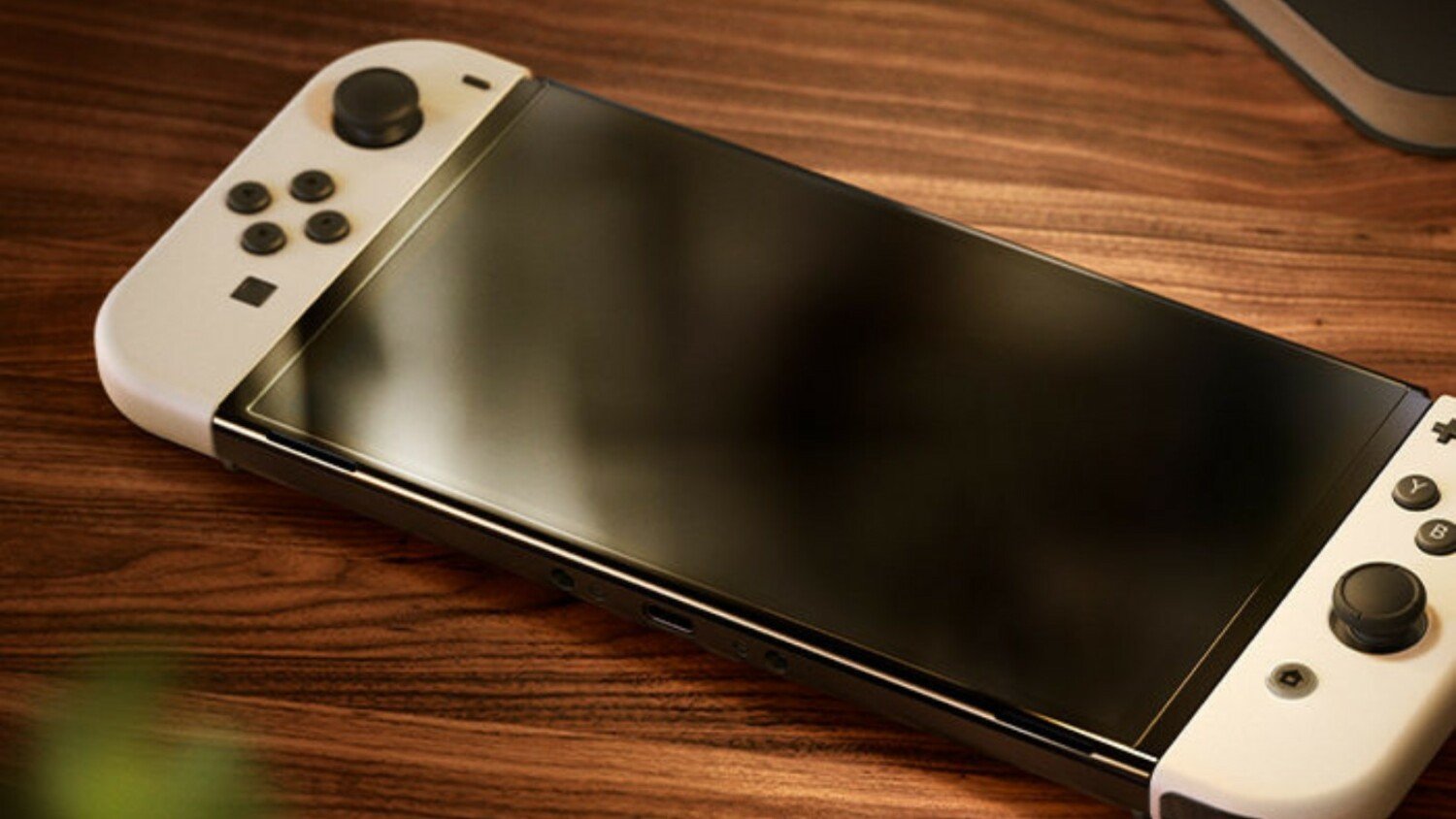
The ongoing rumors about a potential Nintendo Switch successor have taken center stage for many fans and industry insiders. At this year’s Consumer Electronics Show, a company called Genki showcased accessories purportedly designed for a next-generation device that Nintendo has yet to announce. That news quickly caught everyone’s attention, sparking immediate discussions about how real these early glimpses might be. Shortly after these displays made their rounds online, Genki clarified that their product concepts were based only on leaked information, not firsthand knowledge of a new console. Meanwhile, Nintendo has officially stated that nothing Genki exhibited was endorsed by the company, adding that no hardware was provided to accessory makers in advance. Still, curiosity remains sky-high, and for good reason. Enthusiasts are eager to discover how Nintendo might build upon the Switch’s massive success, with speculation centering on hardware improvements, upgraded Joy-Con designs, and more immersive gaming experiences. As the dialogue evolves, fans and tech aficionados continue to hunt for fresh details, analyzing every rumor and interview snippet to see which might hold genuine insights. Until Nintendo pulls back the curtain, the flood of leaks and speculation about the next Switch is likely to keep flowing for months to come.
The Background on Genki’s CES Showcases
Genki, known for its inventive accessories for the original Switch, surprised onlookers at the Consumer Electronics Show by featuring products they claim would be suitable for a future iteration of Nintendo’s platform. People walking through the booth saw glimpses of possible protective cases and adaptors, leading many to assume Genki had insider knowledge. After all, trade shows are often where companies tease upcoming technology. It’s not uncommon for accessory makers to display prototype items, giving the public a taste of what might arrive once the hardware officially launches. These early displays generate excitement, though they can also cause confusion if details aren’t communicated carefully.
According to early rumors, Genki representatives suggested the prototypes were built using actual specifications from Nintendo’s next console. Fans latched onto that information, confident that the presence of these accessories pointed to the Switch 2’s imminent debut. Social media platforms lit up with photos and first impressions, urging everyone to speculate about hardware features, potential size modifications, and improvements that might address concerns with the current Switch. The anticipation skyrocketed because many enthusiasts have been waiting years for a hardware refresh. As more tidbits spilled out, it seemed like the Switch 2 hype train was powering full steam ahead, fueled by CES announcements and the tantalizing idea that Genki had privileged insights.
Origins of Switch 2 Speculation
Talk about a possible Switch successor has been ongoing for quite some time. Tech analysts have closely watched sales trends, noticing that the original system, while still popular, is on the verge of reaching its natural peak. Market observers began predicting the next big thing from Nintendo, leading to whisperings of a new handheld-home console hybrid brimming with advanced features. In the gaming community, it’s become second nature to track every patent Nintendo files, every developer comment that surfaces, and every rumor that catches fire on social media.
The seeds for a Switch 2 rumor began sprouting when notable industry figures started alluding to a console that could build on the Switch’s concept. Some predicted a faster processor, more robust online capabilities, or a redesigned set of controllers. Others speculated that Nintendo might pivot to a different form factor altogether, offering something akin to a tablet-laptop gaming device. The Genki situation added gasoline to this speculation, as it appeared to confirm that behind closed doors, people were already engineering accessories specifically tailored to an upcoming system. Whether or not those glimpses were accurate, the hype was enough to keep the rumor mill churning nonstop.
Nintendo’s Official Response
Nintendo didn’t remain quiet for long. After journalists and fans buzzed about Genki’s alleged “official” accessories, major outlets like CNET and Japanese publications asked Nintendo for clarification. Nintendo quickly stated that none of the hardware or designs at CES came from them, nor were they endorsed in any official capacity. This confirmation cast doubt on the earlier assumptions, but it also left open the question: where did Genki get the data they used to construct their prototypes? With no definitive answer, the Switch 2 chatter continued with a fresh angle—if Genki wasn’t working directly with Nintendo, then perhaps the next console’s specs had been derived from industry leaks, forum posts, or supply chain gossip.
Despite the firm denial, Nintendo’s statement didn’t quell the broader speculation; it merely ensured fans had more material to discuss. In fact, some saw the company’s response as standard corporate procedure designed to protect announcements for a strategic reveal later. Enthusiasts often cling to the notion that “if Nintendo is denying it, maybe the truth is too big to share.” Others, though, take the official word at face value, cautioning that unverified accessories can be based on incomplete or outright incorrect data. Either way, the conversation shifted toward analyzing Nintendo’s official words: was there a hidden hint? Could the rumored timeframe for a successor still be accurate? Until the company decides to speak openly about its future hardware plans, each new statement ignites further speculation.
How Leaks Influence Consumer Hype
Leaks and rumors in the gaming world often take on a life of their own, pushing consumer hype to levels that might or might not be warranted. When images or alleged details emerge, the internet collectively races to dissect every pixel and every sentence, frequently magnifying even the smallest hint into a full-blown theory. For fans, leaks serve as puzzle pieces that hint at future excitement, while for companies, they can be a double-edged sword, generating buzz but also risking disappointment if the final product diverges from what people initially imagined.
This dynamic can shape purchasing decisions, as some users might opt to hold off on current hardware in anticipation of a better version. At the same time, hype can also stoke brand loyalty if the rumors paint the next console in an especially positive light. There’s a delicate balance: too many leaks can overshadow a planned launch event, whereas too few details can lead to general apathy or frustration. For the Switch 2 specifically, the wave of speculation has been mostly positive, indicating that fans are hungry for whatever Nintendo has in store. Genki’s involvement simply gave rumor chasers one more piece of perceived evidence that something big was on the horizon.
Potential Features for the Next Console
A key reason so many people are excited about a possible Switch successor is the promise of enhanced features. Since its release, the Switch has changed how many of us perceive console gaming, blending portability with traditional home console power. The next step might refine that formula even further by providing a more powerful processor, a sturdier build, or a better screen. There’s talk of sharper display resolutions, possibly supporting advanced technologies for smoother visuals or more vivid color representation. Then there’s the question of Joy-Con improvements—some players hope for controllers with drift-proof analog sticks, stronger vibration feedback, or new forms of motion control.
Online play and user experience might also see a significant upgrade, with speculation pointing toward improved network capabilities, a more unified account system, and new interactive features that tie in with mobile devices. Whether it’s cloud gaming support or cross-platform multiplayer, the possibilities seem nearly endless. Nintendo often prioritizes innovation over raw power, so fans are curious to see how the company might combine novel concepts with the well-established hybrid model. Any official announcement would likely trigger a closer look at how Genki’s accessories fit into the bigger picture, potentially revealing whether they were mere guesses or eerily accurate predictions of what’s to come.
Industry Reactions and Fan Theories
The moment word spread about Genki’s showcase, the gaming industry and fan communities wasted no time formulating their own theories. Major media outlets covered the developments, offering a mix of skepticism and excitement. Tech experts debated whether these accessories were truly feasible if Nintendo’s next console had yet to be finalized. Could Genki have gleaned enough information from supply chain leaks to produce near-accurate prototypes? Or was this a clever marketing tactic aimed at catching the spotlight during CES, where countless products compete for attention?
Online forums erupted with hot takes, and countless video creators published breakdowns of every possible design detail. Some users posted side-by-side comparisons of Switch 2 “predictions” from a year ago, trying to see if Genki’s designs matched any known rumors. Others pointed to the repeated disclaimers that these accessories were unofficial. The divide between believers and skeptics widened daily: one camp argued that where there’s smoke, there’s fire, insisting these prototypes were proof of an impending reveal. Another camp countered that early accessory designs often fall short, as they’re based on loose chatter and incomplete data. Either way, the story dominated gaming discussions for weeks.
The Role of Accessory Makers
Accessory manufacturers like Genki occupy a unique space in the tech world. They strive to launch their products alongside major hardware releases so they can capitalize on the public’s eagerness to accessorize new gadgets. This is especially true in gaming, where fans often purchase protective cases, extra controllers, charging docks, and performance-enhancing gear the moment a new console hits the shelves. Being first to market with these accessories can give a company a competitive edge. As a result, some makers seek out insider knowledge or reliably sourced leaks to get a head start on designing products.
However, if the leaks they rely on aren’t accurate, they risk investing time and resources into items that might be incompatible or outdated by the time the console arrives. This is why most reputable manufacturers aim to partner officially with console makers. In rare cases, a company might use public leaks or rumored specs to design generic accessories in hopes they will closely match the final hardware. If that gamble pays off, they can ship merchandise earlier than competitors. But if it fails, they’ll have to make rapid changes or scrap entire projects. Genki’s CES display highlights this fine line between pioneering initiative and risky speculation.
Challenges of Unofficial Information
Working with unofficial information inevitably leads to challenges. Errors in spec sheets or rumors can result in accessories that fit poorly, fail to function as intended, or simply look nothing like the real product once it’s revealed. For a brand’s reputation, launching mismatched items can be disastrous. Gamers can be quite vocal if a case or grip doesn’t align with their new console’s dimensions or if it fails to address user concerns, like comfort or usability. Thus, companies must weigh the cost of potential redesigns against the reward of being first on the scene.
When Genki clarified that their Switch 2 accessories were based solely on leaked data, they were effectively stating, “We’re operating with partial information.” Although that might sound risky, it’s also not unheard of in a competitive market. Many third-party accessory makers choose to roll the dice when they sense a major hardware update on the horizon. By the time the official announcement drops, they might only need to tweak a few details rather than start from scratch. But the line between innovative agility and wild guessing is razor-thin, and consumers become the final judges once actual hardware is in their hands.
Timeline Possibilities for the Switch Successor
The big question: when will Nintendo actually lift the curtain on its next console? While rumors abound that the Switch 2 could appear in late 2024 or sometime in 2025, there’s no official confirmation. Observers base their estimates on the typical console life cycle, supply chain activities, and broad trends in gaming hardware evolution. Nintendo often follows its own schedule, which is why so many predictions have fallen flat in the past. The company has a history of springing announcements with minimal lead time, particularly if it can leverage an unexpected reveal to generate maximum excitement.
Still, speculation thrives on patterns. Some watchers note that the original Switch launched in 2017, hinting that an eight-year or so lifespan could be enough time for a proper successor. Others argue that Nintendo might wait longer to ensure the existing user base has thoroughly experienced the current generation, especially considering how successful it remains. Regardless of the exact date, industry chatter suggests that Nintendo is undoubtedly researching and developing new hardware behind the scenes. When it does finally arrive, the entire gaming world will pivot to analyzing every feature and how well it meets the hype that’s been stoked for so long.
Looking Ahead: What Fans Can Expect
Even with all the uncertainty, one thing is clear: the arrival of a successor to the Switch is bound to be a landmark event in gaming. The original system introduced a novel way to play that resonated with a massive audience, bridging handheld and console experiences. Fans are naturally eager to see how Nintendo can top that achievement. Will we see a bigger display or a unique new way of controlling games? Will there be advanced networking features that enable more collaborative play? And will the company address some of the design issues, like the infamous Joy-Con drift, that have frustrated users?
Genki’s accessories, official or not, have captured the imagination of players who can’t wait to get their hands on the next big thing. The company’s CES display might have been a mix of ambition and speculation, yet it’s a reflection of the community’s eagerness to peek around the corner of gaming’s future. As we wait for Nintendo’s formal unveiling—whenever that might be—the rumor mill shows no signs of slowing. Every leaked screenshot, every supply chain whisper, and every patent filing is bound to renew excitement about what lies ahead. Until then, fans continue to weigh the possibilities, dream about upgraded hardware, and debate how well any rumored details align with their vision of the Switch 2.
Conclusion
The unfolding story around Genki’s CES showcases offers a glimpse into how passionate the gaming community can be when hints of a new console emerge. Although Nintendo has made it clear that these accessories were not developed under official guidance, they still sparked curiosity and extended the conversation about what a Switch successor might look like. For those eager to see how Nintendo evolves its hybrid approach, the wait might feel endless, but it’s also part of the thrill. By balancing excitement with a grain of skepticism, fans can enjoy the rumor mill without letting it overshadow the actual experiences and games currently available. Whenever the official announcement comes, it’s likely to usher in a new era of fun, innovation, and more than a few surprises.
FAQs
- Is Genki directly involved with Nintendo’s future plans?
- There’s no official partnership. Genki based its prototypes on leaked information and has not confirmed any direct collaboration with Nintendo.
- When might Nintendo announce a Switch successor?
- No confirmed timeline exists. Many speculate it could be within the next couple of years, but Nintendo has not revealed any formal release dates.
- Could Genki’s designs hint at real Switch 2 features?
- It’s possible, but the company made clear these are unofficial concepts. Any resemblance to a final console would be coincidental or based on industry chatter.
- What are fans hoping to see in the next Nintendo console?
- Many want a powerful processor, improved Joy-Cons, and better online features. The overall expectation is that Nintendo will refine the hybrid concept.
- Why do accessory makers showcase products before an official console reveal?
- It can be advantageous to have designs ready early. Being first to market with new accessories can give them a competitive edge, even if it involves some risk.
Sources
- Genki says it’s never seen the Switch 2, mock-ups were based on other leaks – Polygon, Published: January 11, 2025
- Is this the Nintendo Switch 2? – The Verge, Published: January 8, 2025
- Switch 2 accessory announcement aligns with many of the console’s leaks – Polygon, Published: January 8, 2025
- New videos show off larger Nintendo Switch 2, snap-on Joy-Cons – Ars Technica, Published: January 8, 2025
- Is the official unveiling approaching? Accessory manufacturer provides possible information – Gaming Deputy, Published: January 8, 2025