














Summary:
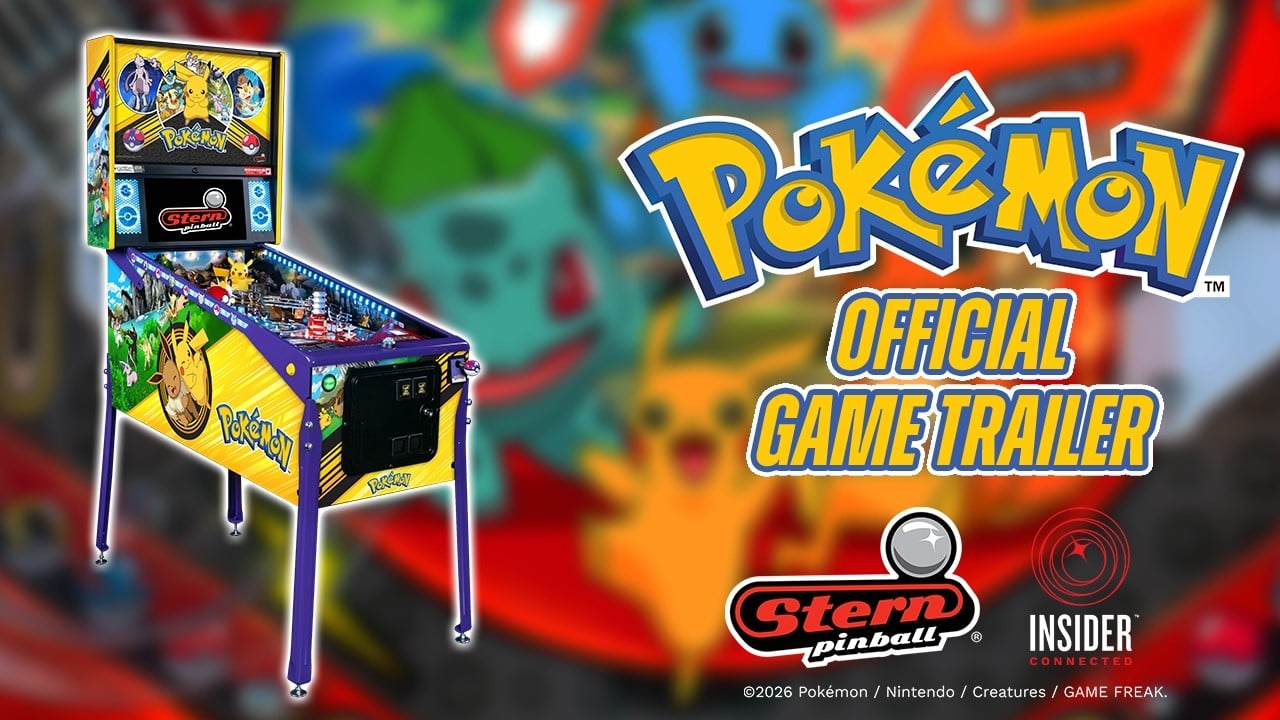
Stern Pinball’s Pokémon lineup lands with the kind of energy that makes you do a double take, because this is not a small theme drop. It is a full-on Pokémon experience built into a modern pinball package, sold in three models: Pro, Premium, and Limited Edition. The big headline is that you are not choosing between totally different games. You are choosing different trims and feature highlights wrapped around the same core idea: a table that leans hard into the early Pokémon era and the feel of the original animated series, complete with memorable touches like Team Rocket flavor and a Meowth balloon toy.
What makes this lineup feel special is how it blends nostalgia with modern pinball habits. The rule set is framed around catching Pokémon, building progress, and turning your run into a story you want to repeat. On top of that, Stern’s Insider Connected system adds a “profile” layer, so players can track progress and return to the table with a sense of continuity. If you have ever wanted pinball to feel less like a one-and-done credit and more like a hobby you grow into, this is the kind of feature that keeps you coming back.
The choice between Pro, Premium, and Limited Edition comes down to how much you care about premium extras, collector finish, and a few playfield elements that change the feel of specific moments. The Pro is the clean entry point. The Premium adds extra physical spectacle and mechanical spice. The Limited Edition pushes collectability, cosmetic upgrades, and that “this belongs in a trophy room” vibe. If you are buying, the smartest move is knowing what you value before you fall in love with the shinier box. We are going to walk through what matters, what to ask, and how to make sure your purchase matches how you actually play.
Pokémon by Stern Pinball is here and it is built for fans and operators
Stern Pinball has released Pokémon by Stern Pinball as a full lineup rather than a one-off machine, and that matters because it signals confidence. When a manufacturer offers Pro, Premium, and Limited Edition models, it is basically saying, “We expect this to live in arcades, bars, family entertainment centers, and private game rooms.” Pokémon fits that idea perfectly because it has the rare superpower of being instantly readable. You do not need a tutorial to understand why a Poké Ball on a playfield is exciting. You walk up, you flip, and your brain already knows the fantasy: catch, battle, win. The table also leans into nostalgia without feeling stuck in the past, so it can hook lifelong fans and curious first-timers in the same room. Think of it like a theme park ride where the queue is full of adults humming the theme song and kids pointing at Pikachu like they just met a celebrity.
Video credits: NintendoWire
Pro, Premium, and Limited Edition: what changes and what stays the same
Let’s clear the fog right away. You are not picking three different games, you are picking three ways to experience the same foundation. The rule set, the overall theme direction, and the “Pokémon energy” are meant to be consistent across models, so the soul of the table stays intact. Where things shift is in physical features, presentation upgrades, and how dramatic the table can feel in specific moments. If you are the kind of player who cares about flow, shot satisfaction, and repeatable goals, the Pro can be plenty. If you want more physical spectacle and extra mechanical surprises, you start looking at Premium. If you want collectible finishing touches and you like owning something that feels rare on sight alone, that is where the Limited Edition steps in. The trick is being honest with yourself: are you buying to play every day, to show off, or a bit of both?
Pro Edition: the baseline experience and why it matters
The Pro is the version that tends to show up on location first, and that is not an accident. It is built to be the dependable workhorse: durable, approachable, and designed for high play volume. For buyers, the Pro is also the cleanest way to judge whether the core experience is your thing. If you love the rules, the callouts, the objectives, and the way shots feel on the Pro, you already love the table. Everything above that is bonus. The Pro also tends to be the easiest to justify if you are an operator who wants return plays and a theme that pulls people across the room. Pokémon is a magnet for attention, and the Pro lets that theme do the heavy lifting without requiring the highest spend. It is like ordering the classic burger first. If the patty is great, you can come back for the fancy toppings later.
Premium Edition: extra toys, extra chaos, and the feel of the playfield
The Premium is where the table starts to feel like it is putting on a show. This is the model for players who want more “pinball theater” while they play, meaning more moments where something physical on the playfield reacts, interrupts, or raises the stakes. On a theme like Pokémon, that kind of feedback is a big deal because it makes the world feel alive, not just printed on the cabinet. Premium also tends to be the model many home buyers aim for, because it sits in that sweet spot between practical and premium. You get the heart of the game, plus extra spectacle that keeps sessions feeling fresh when you play the same table repeatedly. If Pro is the clean Kanto starter route, Premium is that route plus extra side quests you keep stumbling into.
The electromagnet twist and why it changes the vibe
One of the Premium highlights is an interactive electromagnet that can add chaos to the battle arena. In plain terms, it can mess with the ball in ways you do not fully control, and that is exactly why people love it. Pinball is already a dance between skill and chaos, and a magnet is like a mischievous wind gust in the middle of your perfect jump shot. Used well, it can create memorable “how did that happen?” moments that you tell friends about later. Used cruelly, it can humble you in half a second, which is also kind of funny if you have ever watched a confident player suddenly go silent. The key point is that it changes feel, not just looks. If you want the table to surprise you more often, this feature is a real argument for Premium.
Limited Edition: collectability, finish details, and why it sells fast
The Limited Edition is the “this is the centerpiece” model. It is for the person who wants the rare version, the upgraded presentation, and the bragging rights that come with a numbered run. Stern has positioned the Limited Edition as highly collectible and limited in quantity globally, which naturally increases demand the moment it is announced. Beyond rarity, Limited Editions typically pile on upgraded lighting and cosmetic enhancements that change how the machine looks in a room, even before you hit start. If you are someone who treats a pinball machine as part game and part display piece, you understand the appeal immediately. It is like owning a special print of a poster instead of the standard one. The image is the same, but the feeling of ownership is different.
Collector features and availability reality check
Limited Edition models often include upgraded lighting systems, premium cabinet and backglass presentation, higher-end trim, and other extras that make the machine feel more “finished” as a collector item. The practical reality is that availability can be tighter and windows can be shorter, so planning matters. If you are tempted by the Limited Edition, you need to move with intention: know your distributor, understand your deposit terms, ask about delivery timing, and confirm what is included in your specific region. This is also where patience helps. The flashiest option is not always the best option for how you play. If you are mostly chasing gameplay, you might be happier putting that extra money into a great sound setup, room lighting, and a few other machines to rotate. If you are chasing the collectible feeling, the Limited Edition scratches an itch nothing else does.
Gen 1 and anime energy: why the theme lands immediately
This table leans heavily into the earliest era of Pokémon and the feel of the original animated series. That decision is smart because Gen 1 is a shared language. Even people who have not kept up with newer generations usually recognize the icons, the tone, and the idea of becoming a trainer. Using video and audio that evoke that era also taps into a specific emotional shortcut: it makes the machine feel familiar within seconds. When you hear recognizable musical cues and see classic vibes on the display, it is like opening an old toy box and instantly remembering the smell of plastic and cardboard. The theme also works well for pinball because Pokémon naturally lends itself to goals. Catching and collecting translate cleanly into objectives, and battling translates cleanly into modes. The theme is not just decoration, it is a rules engine waiting to happen.
Team Rocket spotlight: the Meowth balloon moment and villain flavor
One of the most memorable physical callouts is the Team Rocket Meowth balloon toy swooping into the battle arena to challenge the player. That is the kind of detail that makes people laugh the first time they see it, because it feels lifted straight from the cartoon’s attitude. Villains matter in pinball themes because they give the table a “push back” personality. You are not just flipping to score points, you are flipping against something. Team Rocket is perfect for that because it is dramatic, silly, and persistent, which mirrors pinball itself. You can be playing great, then the ball takes a bad hop and suddenly it feels like Meowth is cackling at you. That emotional hook is important. People return to machines that feel like they have character, and this is a character-heavy choice.
How the table plays: catching, battling, and building a team
The core fantasy is straightforward: you are a trainer, and your goal is to catch Pokémon, build progress, and handle battles that test your control. Mechanically, this comes down to repeating satisfying shots, stacking objectives, and turning a good run into a bigger run. A strong Pokémon-themed pinball experience needs to do two things at once: give beginners quick wins and give experienced players long-term goals. Catching is the beginner-friendly side because it is intuitive and rewarding. Battling is the skill test because it forces you to execute under pressure. Building a team ties it together by giving you a reason to care about what you caught earlier, not just what you are doing right now. It is the difference between a snack and a meal. One is fun quickly, the other keeps you coming back hungry.
Habitats, modes, and momentum: how progression keeps you flipping
Stern frames the journey across distinct habitats, and that structure is a smart way to keep progression readable. Pinball can become noise if the player cannot tell what matters. A habitat structure gives you mental landmarks: you know where you are in the journey and you know what you are chasing next. That makes the table feel less like random scoring and more like a route you can learn. Momentum matters too. Great pinball sessions have a rhythm where you feel in control, then the table throws a curveball, then you recover and feel clever. Pokémon as a theme supports that rhythm naturally, because “catching” feels like control and “battling” feels like pressure. When those two bounce off each other, it keeps the experience lively instead of flat.
Multiball and risk-reward moments you can actually feel
Pinball’s best drama often happens during multiball and high-stakes sequences, because that is when your hands have to think faster than your brain wants to. Pokémon-themed objectives make those moments even juicier because you can frame them as battles or big catches. The important thing is risk-reward. A table is more fun when you are tempted to go for something dangerous because the payoff feels worth it. You know the feeling: the safe shot is right there, but the risky shot is calling your name like a dare. A good Pokémon table should make that dare feel thematic. If you miss, it feels like you got punished by the battle. If you land it, it feels like you landed the clutch catch. That emotional loop is what turns a “one more game” night into a “how is it 2 AM?” night.
SPIKE 3 and Insider Connected: modern pinball under a familiar skin
Under the theme, this machine is still a modern Stern release, which means modern hardware and network features are part of the pitch. SPIKE 3 is the platform behind the scenes, and it supports the kind of audiovisual integration people now expect from new machines. That matters because Pokémon is an audiovisual franchise. The more the table can sync video, callouts, and effects with what is happening on the playfield, the more it feels like Pokémon rather than “pinball with Pokémon stickers.” Insider Connected adds a layer that makes repeat play more meaningful. Instead of every game being isolated, you can treat your play sessions like chapters in a longer story. If you have ever wanted pinball to remember you the way your favorite game does, this is that direction in real life.
Profiles, collections, and why returning players get hooked
Insider Connected can tie your play to an account, which opens the door to tracking achievements, progress, and other long-term hooks. For Pokémon specifically, the idea of a collection is basically the franchise’s heartbeat, so bringing that concept into the ecosystem makes sense. The biggest benefit is psychological. When a machine can reflect your history, you feel like you are building something over time, not just dropping coins into a black hole. Operators like it because it can drive repeat plays. Home owners like it because it adds structure to casual sessions. And let’s be honest, Pokémon fans are already wired to collect things. Give them a reason to collect within pinball too, and you have a recipe for obsession that feels oddly wholesome.
Ordering and trying one first: the smartest path to buying
If you are thinking about buying, the smartest move is simple: try to play one first, then order through the proper channels for your region. Pinball is tactile. Videos help, but they cannot tell you how a ramp shot feels, how forgiving the outlanes are, or whether the table’s rhythm matches your taste. If you cannot play one immediately, the next best move is researching the official machine page, then contacting an authorized distributor or dealer. Buying a pinball machine is closer to buying a vehicle than buying a controller. You want clarity on warranty, delivery, setup, support, and service options. It is also worth asking about lead times and whether the distributor can help with future parts and maintenance. The goal is a purchase you feel good about months later, not just a hype impulse.
What to ask before you put money down
Before you commit, ask practical questions that protect your wallet and your sanity. What is included in the price for your region? Does delivery include inside placement, or is it curbside? What happens if the machine arrives with shipping damage? How does warranty support work if you need parts or service? If you are choosing between Pro, Premium, and Limited Edition, ask the distributor to spell out the differences in plain language, not buzzwords. Also ask yourself one honest question: where is this going to live? A pinball machine deserves space, power planning, and a bit of respect. If you cram it into a corner like a forgotten treadmill, you will not play it as much. Give it a proper home and it will pay you back in playtime.
Where to find reliable ordering details
The most reliable starting point is the official Stern Pokémon game page, because it is designed to direct you toward availability and proper purchasing routes. From there, an authorized distributor can handle the real-world steps. If you see a Limited Edition option tied to special access windows, treat those windows seriously. Limited runs are not theoretical, they are a real supply constraint. If you miss the window, you may be shopping on the secondary market, and that can get pricey fast. If you are an operator, you also want to ask about commercial considerations like coin door settings, durability expectations, and how to keep the machine earning steadily on location. A well-placed Pokémon table can be a crowd magnet, but only if it is set up and maintained like a professional machine, not a fragile museum piece.
Who this is really for: collectors, arcades, families, and first-timers
This lineup is for multiple audiences, and that is part of why it feels like such a big deal. Operators get a theme that drags attention across a room, plus a modern feature set that can encourage repeat plays. Collectors get a nostalgic centerpiece that looks and sounds like Pokémon, not a generic theme skin. Families get something that can be social and approachable, where people take turns, cheer, and laugh at the ridiculous moments. First-timers get a theme that makes pinball less intimidating, because they already understand what “catching” and “battling” mean. The only people who might not vibe with it are those who want pinball themes to be gritty, heavy, or ultra-serious. Pokémon is playful at its core, and this table leans into that playfulness with confidence.
Trailer and demo watch list: what to look for before you commit
You can learn a lot from the official trailer and hands-on coverage if you watch with the right eyes. Do not just watch for flashy edits. Watch for ball movement, shot repeatability, and how the machine communicates objectives. Can you tell why the player is shooting a particular shot, or does it look like random flailing? Listen for callouts and music. Do they feel like they belong, or do they feel like background noise? Also pay attention to how physical features interact with the ball. A toy that looks cool but never affects play can be a letdown over time. A toy that meaningfully changes ball behavior can become the moment everyone talks about. If you are a buyer, your goal is simple: figure out whether this table will still feel fun on your 200th game, not just your first.
Little tells that separate “looks cool” from “plays great”
Here are the tells that matter. First, look for flow. Does the ball return to flippers smoothly after key shots, or does it constantly stop and reset? Second, look for clarity. Can you tell when a mode starts, when a battle is happening, and what success looks like? Third, look for punishment. Every table has drains, but some drains feel unfair. Videos can hint at that by showing how often the ball rockets toward outlanes after specific shots. Finally, look for joy. That sounds cheesy, but it is real. When a player nails something and the machine celebrates in a way that makes people grin, that is a good sign. Pokémon should feel like a celebration when you succeed, not like a spreadsheet that happens to have Pikachu on it.
Buying checklist: the questions that save money and headaches
Before you order, run this checklist and be ruthless about it. Do you want Pro because you value value and gameplay first, or are you going to regret not getting extra physical features later? If you are considering Premium, are you paying for features you will actually feel, not just features you will point at once? If you are considering Limited Edition, are you buying it because you love it, not because you are afraid of missing out? Have you confirmed who handles warranty support in your region? Have you confirmed delivery details and placement? Have you measured your space, planned power, and thought about noise for neighbors or family? Pinball is a long-term relationship. If you start it with clear expectations, you will spend more time flipping and less time stressing.
Conclusion
Stern’s Pokémon lineup succeeds on a simple idea: take a theme people already love, tie it to objectives that make sense in pinball, and wrap it in modern features that reward repeat play. Pro, Premium, and Limited Edition all share the same core heartbeat, so the choice is less about “which game is best” and more about “which version fits how we play and why we are buying.” If we want the clean entry point that still delivers the Pokémon fantasy, Pro is the practical winner. If we want more mechanical spice and extra showmanship, Premium is the tempting middle ground. If we want the collectible centerpiece with the rare-run energy, Limited Edition is the trophy. The smartest move is not chasing the flashiest option by default. The smartest move is matching the machine to your habits, your room, and your reasons, then letting the table do what pinball does best: turn a few minutes into a whole evening you do not want to end.
FAQs
- What are the three versions of Pokémon by Stern Pinball?
- They are sold as Pro, Premium, and Limited Edition models. The foundation is the same, while features and presentation upgrades vary by model.
- Is the table focused on a specific era of Pokémon?
- Yes. The theme leans strongly into the early Pokémon era and the feel of the original animated series, including recognizable Team Rocket flavor.
- Does Premium play differently from Pro?
- It can, because Premium adds certain physical features that can change how specific moments feel, including ball behavior in key areas of play.
- What is Insider Connected and why should we care?
- It is Stern’s connected system that can link play to an account, enabling progress tracking and other long-term engagement features that make repeat sessions feel more meaningful.
- What is the safest way to order one?
- Start from Stern’s official Pokémon machine page, then work through authorized distributors or dealers for your region so warranty, service, and delivery support are clear.
Sources
- Become a Top Pokémon Trainer with Stern Pinball’s Newest Line of Machines, Stern Pinball, February 13, 2026
- Pokémon, Stern Pinball, February 2026
- Stern announces Pokémon pinball machine – Watch the teaser!, Nintendo Wire, February 6, 2026
- Stern’s new pinball machines are for Pokémon fans with deep pockets., The Verge, February 13, 2026
- Stern Pinball Reveals Pokemon Pinball, Kineticist, February 13, 2026