














Summary:
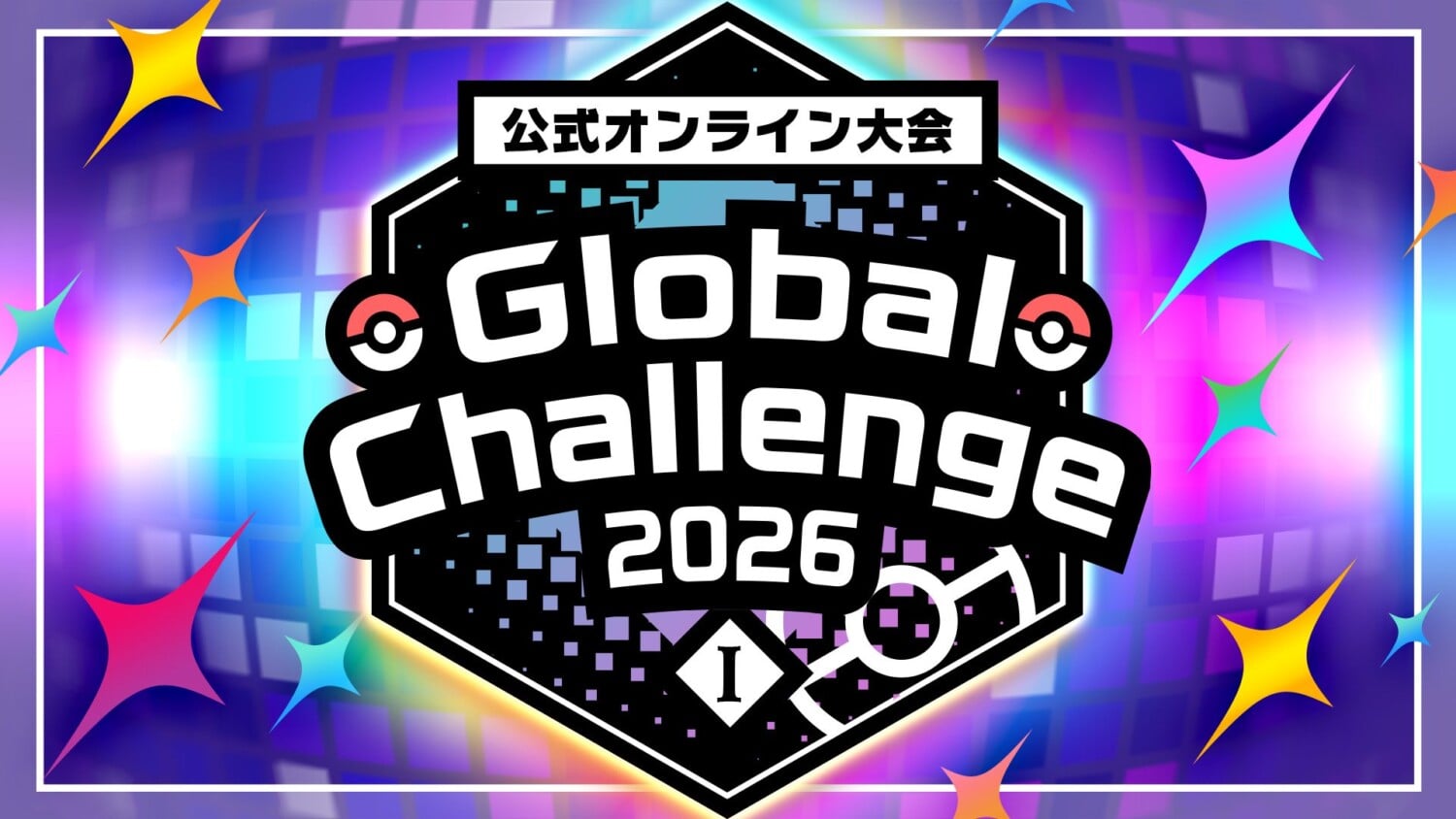
Pokemon Champions has officially locked in its first online competition, and that alone says plenty about how The Pokemon Company wants this new battle-focused experience to enter the spotlight. Rather than easing in quietly and waiting for the wider scene to settle, the game is moving straight into organized play with Global Challenge 2026 I. Registration is set to run from April 23 through May 4, while the competition itself will take place from May 1 through May 4 under Regulation M-A rules. The full details of that ruleset have not been published yet, but the early structure already gives players something important: a clear sign that competitive play is not being treated like an afterthought.
That matters because first impressions can shape a game’s identity for months. A title built around battling needs a strong opening statement, and this one does the job. There is a participation reward in the form of Venusaur, which gives casual players a reason to jump in, while the added PJCS2026 qualifier incentive for top players in Japan brings real weight for the more serious side of the scene. It creates a nice balance. On one side, there is a welcoming nudge to get people through the door. On the other, there is a genuine competitive ladder beginning to form almost immediately.
The timing is just as interesting as the announcement itself. Pokemon Champions is already confirmed for Nintendo Switch in April 2026, so the new tournament schedule reinforces the idea that the game will be live and ready before its first official online challenge gets underway. That makes this reveal feel like more than a simple date drop. It feels like the opening whistle for a new competitive chapter, with The Pokemon Company making it clear that Pokemon Champions is stepping onto the field with purpose rather than just warming up on the sidelines.
Pokemon Champions is wasting no time getting competitive
Some games launch, settle in, and then slowly work their way toward organized competition. Pokemon Champions is taking a different route. The announcement of Global Challenge 2026 I gives the impression of a game that already knows what it wants to be. This is not being framed as a side mode that may or may not matter later. It is being introduced as a title with competitive ambitions right out of the gate. That kind of confidence matters. In a battle-focused Pokemon experience, players want to know whether the structure around ranked and official play will feel lively, supported, and worth investing in. By confirming the first online competition so early, The Pokemon Company is sending a simple message: the battling scene is part of the main attraction, not a decorative extra bolted on after launch.
Global Challenge 2026 I sets the tone for launch season
The name Global Challenge 2026 I may sound straightforward, but it carries a lot of weight. A first official competition is more than a scheduled event on a calendar. It acts like a mission statement. It tells players how quickly the game plans to move, how much emphasis is being placed on tournament structure, and how the community might gather around the experience in its opening stretch. In this case, the tone feels decisive. The title itself suggests a wider global framework, and the timing makes it clear that Pokemon Champions is not waiting around to see whether competitive interest appears naturally. It is actively creating that moment. That is often how strong multiplayer ecosystems begin. Somebody blows the whistle, opens the gates, and suddenly the training room becomes a stadium.
The registration window gives players a clear runway
Registration for Global Challenge 2026 I will run from April 23 until May 4, which gives players a defined stretch to get prepared, sign up, and decide how seriously they want to take the event. That clarity helps more than it might seem at first glance. When competition windows are vague, players tend to hover on the edge, waiting for extra details before committing. A fixed registration period creates momentum. It lets returning competitive fans start planning immediately, and it also gives curious newcomers a reason to pay attention. Even players who are not chasing top placements can look at the calendar and think, maybe this is the perfect moment to test the waters. Good competitive ecosystems do not only serve the experts. They also make room for the players who are still figuring out where they fit.
The competition dates matter just as much as the format
The event itself is set to run from May 1 through May 4, and those dates matter because they turn the announcement from a general promise into something concrete. A release window is one thing. A live competition window is another. Once official battles have dates, the atmosphere changes. Suddenly team building feels more urgent, speculation becomes sharper, and community discussion starts to revolve around practical preparation rather than broad curiosity. It is a bit like watching storm clouds gather before a big match, except in this case the storm is made of move sets, matchup theory, and last-minute roster debates. The opening days of any competitive title are always full of energy, but a scheduled first event gives that energy a place to land. That is where the excitement begins to harden into routine, and routine is how a real scene starts to grow.
Regulation M-A is the biggest early mystery
The competition will use Regulation M-A rules, but the finer details are still being saved for later. That missing information is doing a lot of work right now. It creates a layer of intrigue around the event because players know the framework matters, even if they do not yet have the full rulebook in hand. Formats shape everything. They influence which Pokemon rise, which strategies stumble, and how quickly the early metagame becomes predictable or chaotic. Without the complete breakdown, the community is left in that familiar pre-tournament state where every possibility feels just open enough to spark debate. For Pokemon fans, that is almost part of the fun. The rules have not fully stepped into the room yet, but everybody is already pulling out chairs and preparing for a long conversation.
That uncertainty is not a weakness yet
At first glance, holding back the full Regulation M-A details might sound frustrating. In practice, it is not necessarily a bad thing at this stage. The event has been announced early enough to build interest, while the unrevealed rule specifics leave room for an official spotlight later. That can help sustain momentum between now and the competition period. It also keeps the conversation active. Players can discuss likely structures, likely limitations, and likely standout choices without feeling that the entire format has already been solved before the game is even widely in players’ hands. Competitive scenes can sometimes burn too hot too fast when every detail drops at once. By spacing information out, The Pokemon Company gives the community time to build anticipation in layers rather than all at once.
Formats shape first impressions more than trailers do
A flashy reveal can attract attention, but a ruleset shapes whether players stay invested. That is especially true for a game like Pokemon Champions, where battling sits at the heart of the experience. The first real format will influence how the game is discussed in videos, streams, Discord servers, and tournament circles. If the rules create variety and room for discovery, excitement can snowball. If the format feels too narrow too quickly, that opening buzz can flatten out. That is why Regulation M-A matters so much even before its full details are public. It is not just a label. It is the frame around the first major impression the competitive community will get. In many ways, it is like the stage lighting at a theater performance. The audience may focus on the actors, but the lighting quietly decides what stands out.
Venusaur is a smart reward for the first competition
Participation rewards can say a lot about how welcoming an event is meant to be. In this case, players who take part will receive a Venusaur to use in Pokemon Champions, and that feels like a savvy choice. Venusaur is recognizable, popular, and loaded with franchise identity. It is the sort of reward that can catch the attention of both longtime fans and players who simply like the idea of earning something tangible for showing up. That matters because first events need broad appeal. If the reward only speaks to elite tournament players, the event risks feeling closed off before it even begins. Venusaur, on the other hand, works as a friendly handshake. It says you do not need to be a world-class strategist to have a reason to join in.
Participation rewards help bring casual players into the room
Not everybody enters an online competition expecting to dominate the bracket. A lot of players just want a reason to participate, learn the system, and feel like they were part of the opening moment. That is where a reward like Venusaur really earns its place. It lowers the emotional barrier. Suddenly the question is not, am I strong enough to compete with the best players in the world? It becomes, why not jump in and come away with something cool? That shift is important. Healthy competitive ecosystems need a middle ground between total beginners and hardened experts. Rewards help build that bridge. They give newer players a small but satisfying win, even if the actual battles do not go their way. And honestly, that is often how long-term interest begins. One reward today can turn into serious practice tomorrow.
Venusaur also fits the tone of an opening event
There is something fitting about Venusaur being tied to the first official competition. It gives the event a familiar Pokemon face without making the reward feel too obscure or overly calculated. A first competition should feel memorable, and attaching a classic creature to it helps achieve that. It creates a stronger identity for the event itself. Years from now, players may remember that the first Pokemon Champions online competition was the one with the Venusaur reward, and those small associations matter more than they might seem. Competitive history is full of tiny details that end up becoming part of the culture. The reward is not just a gift. It is part of the atmosphere, part of the memory, and part of the story the community will tell about how this whole thing began.
Japan’s qualifier path raises the stakes immediately
The announcement is not only about participation rewards and event dates. It also includes a more serious competitive hook: the top players in Japan will gain entry into the PJCS2026 qualifier ahead of the Pokemon World Championships. That detail gives the event a very different layer of importance for high-level competitors. Suddenly this is not just a launch-season novelty or a warm-up tournament. It becomes part of a real qualification pathway. That matters because competitive credibility is built through stakes, and stakes do not get much clearer than a route connected to championship-level play. The Pokemon Company is effectively planting a flag here and saying that Pokemon Champions belongs in the conversation when people talk about meaningful competitive Pokemon action.
This changes how serious players will view the event
Once an event offers a path tied to larger championship ambitions, the mood changes. Top players do not just show up to experiment and have fun. They start evaluating the event as part of a real competitive calendar. Preparation becomes more focused. Practice becomes more disciplined. Discussion becomes more exact. For viewers, that raises the excitement too. It is one thing to watch people testing a new format casually. It is another to know that some participants are battling for a meaningful competitive foothold. That extra tension tends to sharpen everything. Matches matter more. Decisions feel heavier. Every turn starts to carry a little more electricity. Even players outside Japan can look at that structure and understand the message: this game is being taken seriously from the start.
The Worlds connection gives Pokemon Champions immediate legitimacy
Any connection to the road leading toward the Pokemon World Championships carries symbolic weight, even when the qualifying specifics apply to a particular region. It links the new game to the broader competitive tradition that fans already recognize and respect. That is important because new competitive titles always face the same question: will this become a real pillar of the scene, or just a temporary curiosity? Tying the first official event to a qualification route helps answer that question early. It does not solve everything on its own, of course. Long-term support, smart balancing, and consistent event planning will still matter. But as an opening move, it is a strong one. It tells the community that Pokemon Champions is not standing outside the stadium asking to be noticed. It is already walking through the front gate.
The launch window is starting to come into focus
Pokemon Champions has already been announced for Nintendo Switch in April 2026, and this competition schedule adds more practical context to that release window. Because registration begins on April 23 and the competition itself starts on May 1, the game’s competitive systems will need to be in place in time for players to prepare and participate. That does not pin down an exact release date by itself, but it does make the April launch window feel more meaningful. Instead of floating as a broad month on a calendar, it now sits directly next to a real competitive milestone. That helps the release picture feel more grounded. The game is not just arriving in April in some abstract sense. It is arriving with a clear runway toward its first official online test.
This is why the timing feels deliberate
There is a rhythm to the dates that feels purposeful. Announce the April release window, reveal the first official competition, open registration on April 23, and let the first tournament begin on May 1. That sequence creates momentum rather than leaving players to wonder when the competitive scene might begin. It is a tidy handoff from launch excitement to organized play. New players get a short period to explore the systems, experienced battlers get time to start building teams, and the wider community gets a focal point to rally around. That is smart pacing. Too much delay would risk letting the early buzz cool off. Too little breathing room would make the event feel rushed. This timing lands in a middle space that feels active without becoming chaotic.
Why this matters for players watching from day one
For players planning to jump in as soon as Pokemon Champions launches, this announcement offers a useful sense of direction. It suggests that the first days with the game will not exist in a vacuum. There is already something on the horizon to prepare for, whether that means competing seriously, collecting the Venusaur reward, or simply following the first big community talking points. That gives the launch period more shape. Instead of feeling like a loose opening week where everyone is wandering around asking what comes next, the path ahead is clearer. There is a destination. There is a date. There is a reason to learn quickly. That sort of structure can be incredibly helpful for a new competitive game, especially one carrying the expectations that come with the Pokemon name.
Why this announcement matters for competitive players
Competitive players tend to notice the details that casual fans can safely ignore. They watch for scheduling patterns, reward structures, format naming, and whether official support arrives quickly or slowly. This announcement checks several of the right boxes at once. It confirms that Pokemon Champions will not be shy about organized online play, it introduces a reward that can pull in broader participation, and it establishes a meaningful connection to the high-level scene in Japan. That combination is encouraging because it suggests a layered approach rather than a one-note one. The event has something for collectors, something for ladder climbers, and something for players with championship ambitions. It is difficult to build long-term energy if only one slice of the audience feels seen. This first competition seems designed to avoid that problem.
Early structure builds trust in a new competitive platform
Trust may sound like a dramatic word for a video game competition, but it matters. When players invest time into a new competitive platform, they want signs that the publisher has a real plan. They want evidence that tournaments will happen, that rewards will exist, and that official support is not just marketing smoke drifting across the battlefield. Announcing Global Challenge 2026 I this early helps create that trust. It gives players a concrete example of how Pokemon Champions may function as a living competitive space rather than a static release. Nobody wants to train for a stage that might never open. This announcement opens the curtain and turns on the lights. It tells players there will be somewhere to stand once they are ready.
The opening signal feels stronger than a simple date drop
What makes this reveal land so well is that it does more than place numbers on a calendar. It paints a picture of how Pokemon Champions wants to operate. There is a scheduled event, a ruleset label, a reward, and a competitive pathway. Those pieces together form a stronger first impression than a release reminder ever could. It is the difference between hearing that a race exists and actually seeing the track, the prize table, and the starting line. Players can begin imagining their role in that space right away. Some will show up to test their instincts. Some will chase the Venusaur. Some will study every clue about Regulation M-A like detectives with a whiteboard and too much coffee. That mix of motivations is healthy, and this first announcement leans into it nicely.
Conclusion
Global Challenge 2026 I feels like the right kind of opening move for Pokemon Champions. It is clear, timely, and packed with enough incentive to reach different parts of the player base at once. Casual players have a reason to participate thanks to the Venusaur reward, while more serious competitors can already see the outline of a meaningful official structure through the PJCS2026 qualifier connection in Japan. Add in the April 2026 Nintendo Switch release window and the event’s May 1 to May 4 battle period, and the message becomes hard to miss: Pokemon Champions intends to arrive with momentum, not hesitation. For a game built around battling, that is exactly the kind of first step you want to see.
FAQs
- What is the first online competition for Pokemon Champions called?
- The first official online competition is called Global Challenge 2026 I.
- When can players register for Global Challenge 2026 I?
- Registration is scheduled to run from April 23, 2026 through May 4, 2026.
- When will the actual competition take place?
- The competition itself is scheduled for May 1, 2026 through May 4, 2026.
- What reward do participants receive?
- Players who take part will receive a Venusaur to use in Pokemon Champions.
- What does this reveal suggest about the game’s release timing?
- Since Pokemon Champions is already set for Nintendo Switch in April 2026, the tournament schedule shows the game will be in place ahead of its first official online competition in early May.
Sources
- Pokémon Champions Arrives on Nintendo Switch in April 2026!, Pokémon Champions, February 27, 2026
- Pokémon Champions, Pokémon.com, February 27, 2026
- Pokémon Continues 30th Celebrations with the Unveiling of Pokémon Wind, The Pokémon Company International Press Site, February 27, 2026
- Global Challenge 2026 I – Pokémon Champions, Serebii.net, March 6, 2026
- First Pokemon Champions Online Competition Announced, NintendoSoup, March 6, 2026