














Summary:
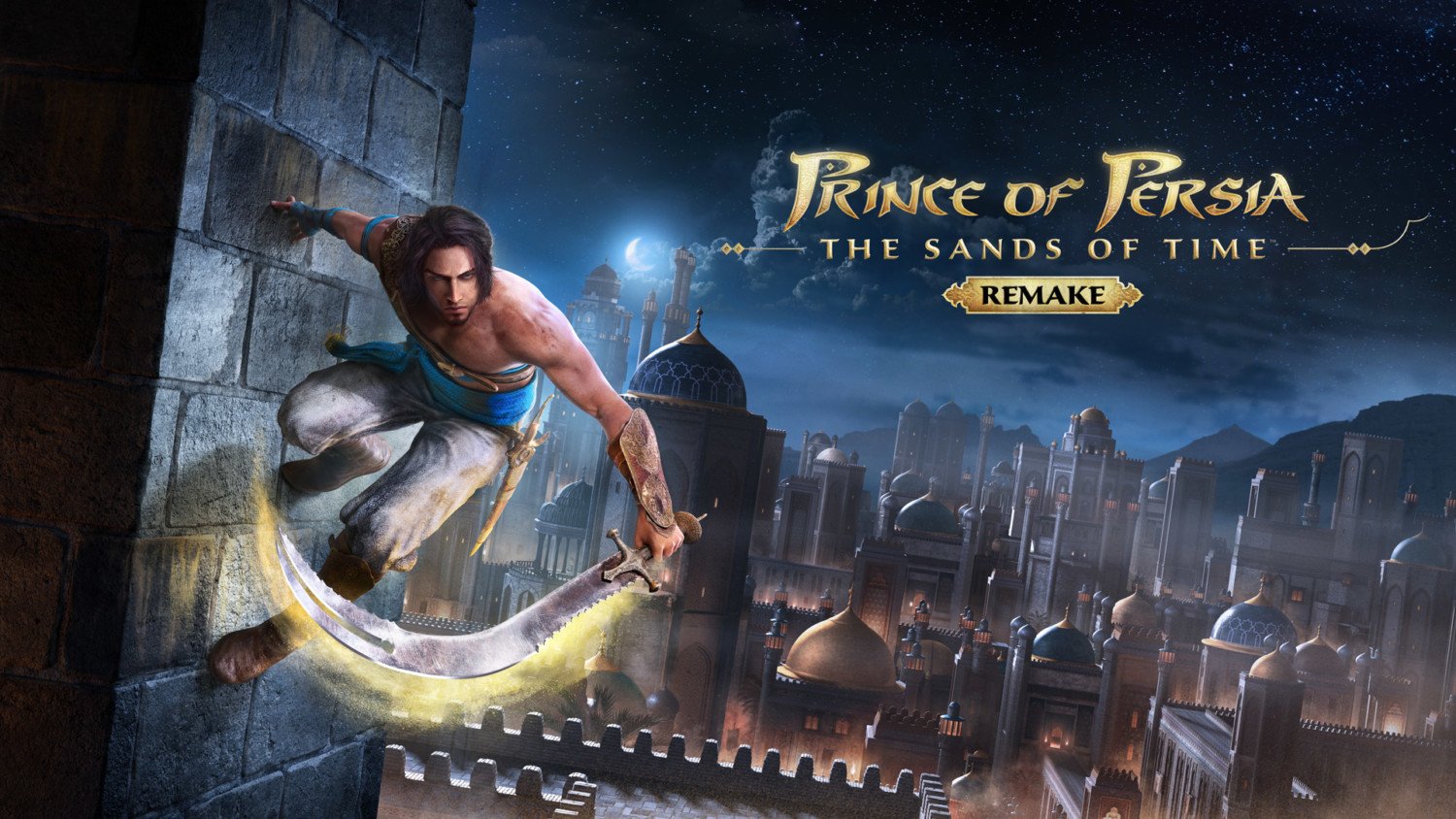
After years of stop-start momentum, Ubisoft has cancelled Prince of Persia: The Sands of Time Remake. It’s the kind of headline that lands with a thud, especially for anyone who’s been rooting for a classic to get a second life. But the bigger story is the reasoning Ubisoft attached to it: a company-wide reset that reshapes how teams are organized, how projects are evaluated, and how much time Ubisoft is willing to spend to hit its new quality bar. In plain terms, Ubisoft reviewed what was in production, cut what didn’t fit the new benchmark, and delayed other games to give them more runway. Sands of Time Remake ended up on the wrong side of that line.
This cancellation didn’t happen in isolation. Ubisoft has said it discontinued six projects in total and delayed seven others, including one that shifted from a 2026 plan to 2027. That combination of cuts and delays points to a publisher trying to steady the ship, even if it means taking the painful option now instead of the messy option later. For Prince of Persia, it creates a weird emotional mix: disappointment that this specific remake is done, and curiosity about what Ubisoft does next with a series it still lists among its key brands. Add the Nintendo angle – years of speculation about a Switch version that never got official confirmation – and you’ve got a cancellation that feels personal to fans in a very modern way. We’re not only reacting to what got cancelled, we’re reading the signals about what Ubisoft wants to be next.
What Ubisoft’s reset means – and why Prince Of Persia: Sands of Time got cut
Ubisoft didn’t frame this as a single project failing in a vacuum. It described a “major organizational, operational and portfolio reset” built to reclaim creative leadership and restore sustainable growth, and that wording matters because it sets the tone: this is a structural decision, not a one-off mood swing. When a publisher says it’s resetting the portfolio, it’s basically admitting the calendar, the budgets, and the internal expectations all needed a hard reboot. In that kind of moment, projects get judged less on nostalgia and more on trajectory. Are we getting closer to the finish line, or just moving it every year like it’s a treadmill set to “cruel”?
Within that reset, Ubisoft said it discontinued six games because they didn’t meet its new “enhanced” quality expectations. Sands of Time Remake was specifically included in that set. That tells us something blunt: Ubisoft didn’t want to ship it in its current direction, and it also didn’t want to keep spending time and money to see if it could eventually become the version fans imagined. That’s harsh, but it’s also a familiar pattern in big-budget development – sometimes a project isn’t “bad,” it’s just not getting better fast enough to justify the next year of work.
The remake’s rocky road from reveal to repeated delays
Even before this cancellation, Sands of Time Remake had become known for uncertainty. It was announced, it drew strong reactions, it got pushed back, and then it kept getting pushed back. Over time, that cycle changes how people experience the project. At first, a delay can feel like a promise – “we’re fixing it, hang on.” After multiple delays, it starts to feel like a question mark wearing a trench coat, quietly sneaking past every release window. Fans don’t just want a date, they want proof of direction.
And direction is the tricky part with remakes. You’re not starting from zero. You’re carrying an old game’s identity, tone, and expectations like a backpack that gets heavier every time the internet remembers a cutscene it loved. That makes every decision louder: art style, animation, combat feel, voice work, lighting, even how the camera sits behind the character. When a remake stalls, it’s often because the team is trying to satisfy two audiences at once – people who want a faithful upgrade and people who want a modern reinterpretation. If that balance never locks in, time doesn’t heal the project, it just turns the wait into a running joke that nobody enjoys.
Why remake expectations have changed since 2020
Remakes used to be judged mostly on whether they were prettier and smoother than the original. Now they’re judged on whether they feel like they belong in the present. That’s a different bar. Players expect refined movement, readable combat, modern accessibility options, stable performance, and a level of visual polish that matches the current generation. And because we’ve seen remakes that nailed it, the “good enough” middle ground has basically evaporated. If a remake looks dated, it gets compared to the best in class immediately, not to what was technically possible on older hardware.
This shift makes long-running remake projects especially vulnerable. The longer development drags on, the more the target moves. What looked acceptable in early footage years ago might look unfinished today, even if the team has improved it. It’s like renovating a house while the neighborhood keeps upgrading – by the time you finish the kitchen, everyone else has already rebuilt the entire street. In that environment, Ubisoft’s decision to cancel projects that didn’t meet its enhanced expectations becomes easier to understand, even if it’s still disappointing.
The business side: six cancellations, seven delays, two studio closures
Ubisoft’s reset came with real numbers and real consequences. The company said it discontinued six games and delayed seven to give them more time to meet quality benchmarks. It also described a new operating model centered around five specialized Creative Houses, supported by shared services. This is Ubisoft reorganizing how decisions get made – who owns what, who gets resources, and how accountability works. If that sounds corporate, it is. But it also affects what we actually play, because the structure behind a game often determines whether it gets the time it needs or gets rushed out the door with a “we’ll patch it later” shrug.
The reset also included changes to Ubisoft’s studio footprint. In the same announcement cycle, Ubisoft discussed studio closures and restructurings as part of its effort to rightsize the organization and improve efficiency. That matters because it signals a shift toward concentrating development capacity around fewer priorities. When a company is trimming, it tends to protect the projects that best match the strategic pillars and cut the ones that require extra investment to reach the new bar. From that angle, Sands of Time Remake wasn’t just competing against other remakes – it was competing against everything else Ubisoft believes can drive its future.
Quality bar and timing: why one 2026 plan moved to 2027
One of the most telling details is that Ubisoft said one unannounced game planned for a fiscal year 2026 window was delayed to fiscal year 2027. That’s not a tiny slip. That’s Ubisoft choosing extra development time over the short-term benefit of shipping earlier. It suggests the company wants fewer “almost ready” launches and more releases that land cleanly. Of course, that creates a new challenge: delays also raise expectations. If you ask players to wait, you’re basically saying “trust us, it’ll be worth it.” If that delayed game eventually arrives and feels average, the extra year becomes part of the criticism.
But in the context of this reset, the logic is consistent. Ubisoft is trying to rebuild confidence in its lineup. Delaying to hit quality benchmarks is one way to do that. Cancelling projects that aren’t on track is the other, uglier way. Together, they form a pretty clear message: the company would rather take pain now than stack more risk into future release windows. Sands of Time Remake became a casualty of that strategy.
How Creative Houses can speed up decisions – and cause friction
Ubisoft’s Creative Houses model is meant to create clearer ownership. Instead of a huge publisher where responsibility can blur across layers of teams, each house is tied to specific genres and brands, with end-to-end accountability. In theory, that can speed up decisions because fewer committees need to sign off, and priorities can be set faster. If a project is drifting, leadership can intervene earlier. If a game needs more time, it can be granted without a tug-of-war between disconnected departments.
The flip side is friction. When accountability tightens, tolerance for ambiguity drops. A project that’s still searching for its identity can feel like a risk nobody wants attached to their name. That doesn’t mean the model is “bad,” it just means creative experiments have to prove themselves faster. And for something like Sands of Time Remake – a project carrying legacy expectations and needing meaningful investment to reach a modern standard – it’s easy to imagine it being viewed as expensive uncertainty rather than reliable momentum.
What this means for Prince of Persia fans right now
Let’s not sugarcoat it: cancellation stings. It’s not only about losing a game, it’s about losing the version of the future you pictured. A good remake can feel like opening a time capsule and finding it still smells like your childhood, in the best way. Sands of Time has that kind of emotional pull for a lot of people. So when Ubisoft cancels it, it can feel like the company is turning away from its own history.
At the same time, a cancelled remake doesn’t automatically mean a dead franchise. Ubisoft has continued to list Prince of Persia among the brands it organizes under its narrative-driven fantasy umbrella in the new structure. That implies the company still sees value in the universe, even if this specific project didn’t survive the reset. The hard part is patience: fans now have to wait for Ubisoft to prove what “Prince of Persia matters” looks like in practice. Is it new entries, smaller experiments, remasters, or something else entirely? Right now, all we can say with confidence is that Ubisoft has not abandoned the name, but it has abandoned this remake.
Where the franchise goes next after recent wins and hard choices
Prince of Persia has already shown it can still work when it’s given a clear vision. That’s important because it changes the conversation from “bring it back” to “bring it back with purpose.” Ubisoft’s reset is, at least on paper, about putting its projects in the best conditions to meet higher expectations. So the optimistic interpretation is that the franchise’s next step will be chosen more carefully – a project that fits the new structure, the new quality bar, and the current market. The pessimistic interpretation is that anything not immediately scalable could struggle to secure resources.
Either way, the opportunity is still there. Prince of Persia has flexible DNA – acrobatic movement, time-bending ideas, and story-driven adventure. That’s a strong foundation, and it plays well with modern design if handled thoughtfully. If Ubisoft wants to rebuild trust, a clear, confidently communicated Prince of Persia plan would go a long way. Fans don’t need wild promises. They need clarity, consistency, and a sense that Ubisoft isn’t treating the series like a guest who only gets invited over when the schedule is empty.
The Nintendo angle: why Switch rumors stuck around
Now for the part that always lights up comment sections: the rumored Nintendo Switch version. Over the years, plenty of people assumed Sands of Time Remake would land on Switch because Ubisoft has supported Nintendo hardware with a steady stream of releases, and because remakes often feel like a natural fit for portable play. Add a few retailer listings and the general chaos of long development timelines, and suddenly the rumor becomes a “well, obviously” in fan discussions.
But here’s the key distinction: a rumor can be persistent without ever being official. Ubisoft’s cancellation announcement doesn’t change that. What it does change is the emotional arc. Some Nintendo fans weren’t only waiting for a remake – they were waiting for confirmation that it would be playable on their platform of choice. That waiting creates its own momentum, and when cancellation hits, it can feel like the rug got pulled out from under a plan you never actually saw on paper. It’s a painful reminder that until a publisher confirms platforms directly, everything else is just smoke drifting into the shape we want to see.
How Switch-era ports and remasters fueled expectations
Ubisoft has spent years showing that Nintendo platforms can be part of its business plan, whether through legacy releases, collections, or ongoing support for big brands. That history trained fans to expect “eventually.” And honestly, it’s not irrational. If you’ve watched a publisher bring major series to Nintendo hardware repeatedly, you start to assume the next project will follow. It’s like seeing the same food truck park on your street every Friday – after a while you stop checking the schedule and you just show up hungry.
But development reality is messier. A project can be planned for multiple platforms early, then narrowed later as timelines shift and technical goals increase. Or it can be evaluated as “not worth it” if the team is already fighting core issues. When a remake is struggling, adding additional platform targets can become a multiplier on complexity. That doesn’t prove a Switch version ever existed behind the scenes, but it explains why rumors thrive around long-delayed projects: the silence leaves room for everyone to write their own version of the plan.
Conclusion
Ubisoft cancelling Prince of Persia: The Sands of Time Remake is disappointing, but it also fits the shape of the company’s January 2026 reset. Ubisoft says it reviewed what it had in development, cancelled six projects that didn’t meet its enhanced expectations, and delayed seven others to give them the time needed to hit a higher bar, including one shift from a 2026 plan to 2027. That tells us the cancellation wasn’t a random cut – it was a portfolio decision made inside a larger restructuring that reorganizes Ubisoft around five Creative Houses and a revised roadmap.
For fans, the healthiest takeaway is this: the remake is done, but Prince of Persia as a brand is still on Ubisoft’s board. The next step is whether Ubisoft can turn that into a clear plan that respects the series and delivers something that feels worthy of the name. And for Nintendo fans, this is also a reminder to treat platform rumors like weather forecasts – useful for conversation, but not a promise you can plan your weekend around.
FAQs
- Is Prince of Persia: The Sands of Time Remake officially cancelled?
- Yes. Ubisoft confirmed it discontinued the project as part of its January 2026 portfolio reset.
- Why did Ubisoft cancel it after so many delays?
- Ubisoft said it cancelled six projects that did not meet its new enhanced quality expectations, and it chose to refocus resources while delaying other games to meet higher benchmarks.
- How many other Ubisoft projects were affected?
- Ubisoft said it discontinued six games in total and delayed seven others, including one unannounced title shifting from a fiscal year 2026 plan to fiscal year 2027.
- Was a Nintendo Switch version ever confirmed?
- No. Switch talk circulated for years, but Ubisoft did not publicly confirm a Switch release for the remake before cancelling it.
- Does this mean Ubisoft is done with Prince of Persia?
- Not necessarily. Ubisoft’s new structure still groups Prince of Persia among its brands, but it has not announced what the franchise’s next step will be.
Sources
- Ubisoft announces a major organizational, operational and portfolio reset to reclaim creative leadership and restore sustainable growth, GlobeNewswire, January 21, 2026
- Ubisoft unveils sweeping restructuring, updates targets, Reuters, January 21, 2026
- Ubisoft cancels Prince of Persia remake as part of major reorganization, The Verge, January 21, 2026
- Ubisoft details ‘major company reset’: 6 games canned, 7 delayed, and 2 studios closed, Video Games Chronicle, January 21, 2026
- Ubisoft cancels Prince of Persia: The Sands of Time remake and more as part of company-wide reset, Gematsu, January 21, 2026