














Summary:
We delve into the intriguing story behind why a memorable boxing series may be stuck in limbo. We explore insights from Imran Khan, a notable figure with connections inside the gaming world, who suggests that the combination of cultural backlash and underwhelming sales has led to a hesitant approach toward future installments. We also look at the role of Next Level Games, the creative force behind the last release, and how their experiences shaped their perspective on whether it’s worthwhile to continue. We examine the shift in gaming culture and how today’s audience reacts more sensitively to stereotypes that might slip under the radar. On top of that, we discuss the practicalities—like the profitability of working on newer, fresher titles compared to revitalizing older IPs. We acknowledge the sentimentality fans hold, yet also shine a spotlight on the tension that arises when game developers try to modernize classic characters. Our journey highlights past successes and present hurdles, laying bare the tightrope Nintendo must walk between preserving what made the original entries so beloved and steering clear of pitfalls that could offend modern sensibilities. We also ponder how other studios might try their hand at breathing new life into a franchise that, in the eyes of some, may have thrown its final punch.
The Future of Punch-Out
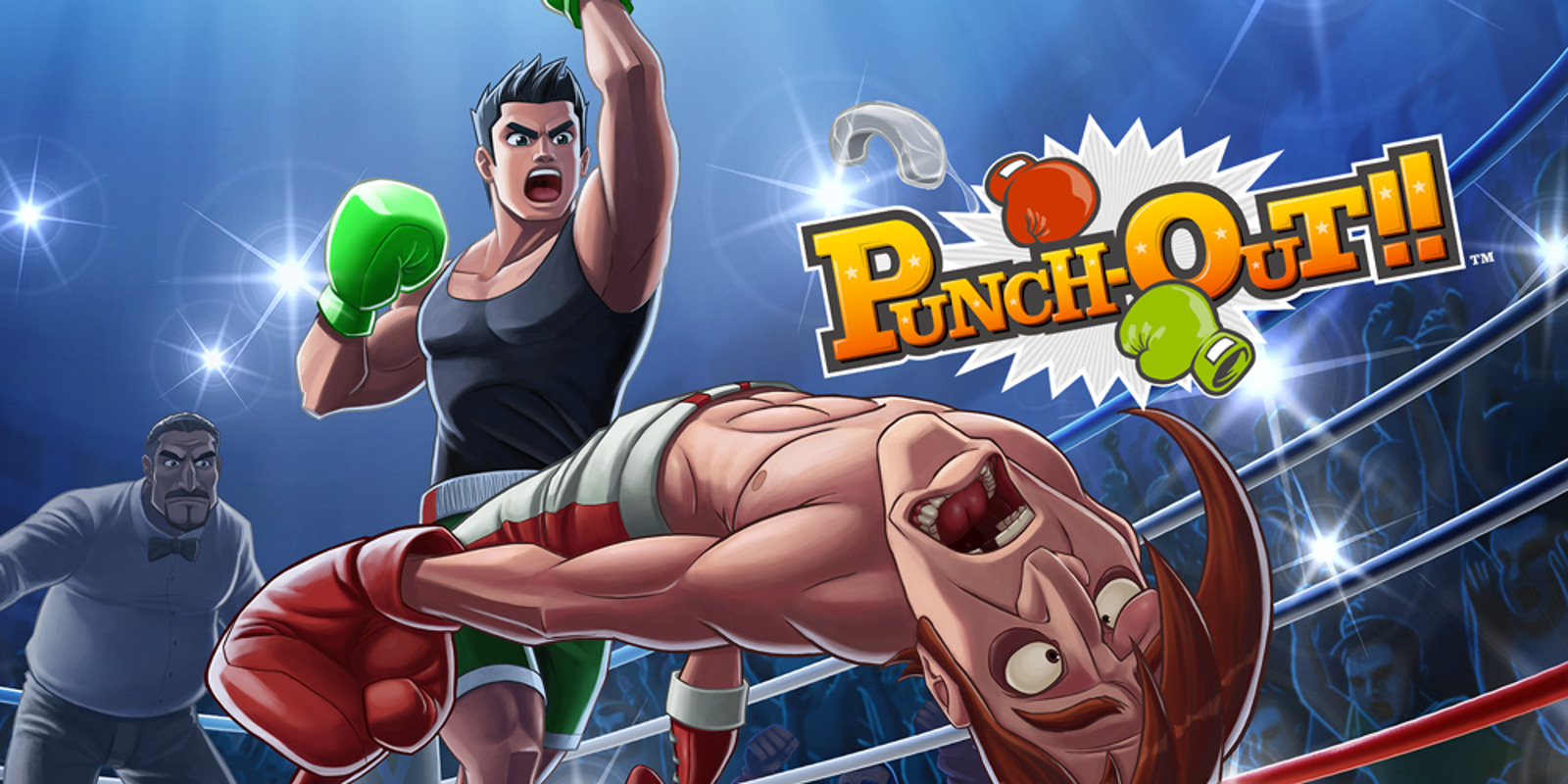
Punch-Out has long been cherished by those who love jumping into the ring with quirky, larger-than-life characters. Generations of enthusiasts fondly remember the thrill of finally landing that knockout after dodging a flurry of jabs from an animated opponent. In its early days, Punch-Out carved a path for itself by showing that Nintendo could offer more than colorful platformers and puzzle games. It provided something refreshingly different, coupling reflex-based combat with memorable personalities like Glass Joe and King Hippo. The franchise earned a loyal following through multiple installments and console generations, each one building on the legacy of tight gameplay mechanics and over-the-top humor. The simple premise of boxing matches between little Mac and his often towering opponents was both comical and challenging, leading many players to develop a fierce attachment to the brand. Over the years, however, the gaming landscape shifted in directions unimagined back in the series’ heyday, presenting challenges that would eventually shape its fate.
Early Arcade Roots
Long before Punch-Out stepped into living rooms worldwide, it started as a humble arcade title. People gathering around, pumping quarters into a cabinet, and trying to outlast that final boss felt almost heroic. It symbolized a golden era when bright, pixelated screens captivated audiences looking for instant fun. Over time, arcades waned, but the premise of stepping into the ring with a formidable boxer remained appealing, paving the way for home console versions that garnered even greater fame.
Iconic 8-Bit Memories
Anyone who grew up on the original system knows the tension of trying to read your opponent’s tells. That moment when you dodged just in time and counterpunched for a knockout sparked an adrenaline rush. Although limited by the hardware’s capabilities, those old titles burned themselves into gaming history through crafty game design and a playful sense of humor. These building blocks eventually shaped the tone of later releases, including the Wii edition that would stoke some controversies.
How Imran Khan Sparked the Discussion
Not too long ago, a prominent figure in gaming media stirred conversation about Punch-Out’s future. Imran Khan, widely known for his insights and occasional insider knowledge, mentioned that a private chat left him convinced the series was effectively sidelined. This caught the attention of fans who had spent years hoping for a revival. Suddenly, everyone was guessing what information Khan might have gleaned during that fateful discussion at a bar. Many folks were taken aback because they didn’t realize just how severely the last entry’s reception had impacted potential sequels. Yes, the Wii version gave Punch-Out a fresh coat of paint, updated visuals, and motion controls, but beneath the excitement was a ticking time bomb of public reaction that would eventually push Nintendo to reconsider whether it was worth the effort to move forward. Khan’s candid comments revealed that not all creative decisions are made in the boardroom. Sometimes, a developer’s offhand conversation can shed more light on why certain projects end up collecting dust in a vault.
The Role of Next Level Games
Next Level Games had a pivotal role in the recent chapter of Punch-Out history. Having worked on the last console version, their team poured passion into the characters, the comedic timing, and the gameplay that recalled the charm of earlier hits. Yet, their efforts to bring classic boxers into the modern age met challenges they hadn’t fully anticipated. Public opinion around cultural representation was evolving rapidly, and certain stereotypes that previously passed without scrutiny were now under the microscope. When sales figures emerged, it became clear that while there was a dedicated niche of fans celebrating the comeback, the overall numbers fell short of blockbuster territory. Next Level Games continued to deliver on other projects, some of which saw much bigger commercial success. Whether they wanted to keep working on Punch-Out or not, the math eventually spoke for itself, nudging them to invest their resources and creativity in titles that promised a higher return on investment.
Striking a Balance
Developers often find themselves trying to strike a delicate balance: remain faithful to beloved traditions while also adapting to a world that’s often quick to point out oversights or missteps. With Punch-Out, certain character portrayals left people torn. Were these individuals whimsical homages or borderline offensive clichés? Next Level Games aimed to update some aspects, but there was only so much they could alter before veterans of the series started crying foul.
Hidden Challenges in Game Production
Game production is like juggling on a tightrope: you have investors, fans, designers, and marketing experts, all with distinct demands. If one group feels slighted, it can throw a wrench into the entire operation. Next Level Games likely found themselves weighing the risks of another Punch-Out project: potential controversy might overshadow the fun factor, and the commercial payoff might be limited, especially compared to newer intellectual properties.
Character Backlash Controversies
Everyone loves a good cast of foes, but the Wii revival of Punch-Out ignited debates about whether certain boxers ventured too close to unpleasant stereotypes. For some, these were harmless caricatures reminiscent of older cartoon humor. For others, they were caricatures that treaded into tasteless territory. As awareness of cultural sensitivity has grown, developers have fewer places to hide when characters can be misconstrued as offensive. People often wonder, “Why not just redesign them?” That sounds straightforward, but part of Punch-Out’s charm lies in its roster of outlandish fighters who aren’t always politically correct by modern standards. Removing or drastically changing them would risk dampening the nostalgia that draws fans back. On the other hand, leaving them as-is might evoke backlash that stains the entire project. This tricky position made some at Next Level Games hesitant to plunge headfirst into a new installment.
The Fine Line between Humor and Offense
Some comedic elements work perfectly in certain eras but don’t age well as sensibilities evolve. It’s not a matter of forcibly censoring the past, but it does become a conundrum when a beloved franchise hinges on characters who may now be perceived as outdated or worse. Creators can walk on eggshells, unsure if they’re delivering fan service or offending new players, which can significantly impact everything from storyline direction to marketing campaigns.
A Cautionary Tale for Other Series
Punch-Out’s controversies serve as a cautionary tale for any franchise with vintage characters. Today’s gaming audience is broader and far more vocal, spanning multiple demographics, cultures, and backgrounds. What might have been overlooked decades ago can spark social media outcries in the blink of an eye. Developers across the industry now scrutinize older IPs for any questionable elements before considering a revival, often concluding that a brand-new concept might be safer and more profitable.
The Impact on Nintendo’s Decision
Nintendo, known for its attention to quality and family-friendly image, had to think carefully about whether Punch-Out was a safe bet. On one hand, it boasts historical significance and a loyal fan base. On the other, the brand risk seemed high if another outcry surfaced. After all, Nintendo has plenty of other beloved titles. Why pour resources into a series that might spark a debate, especially if it’s not guaranteed to bring in massive sales? Multiple reports suggest that Nintendo decided to move forward with projects that cater to broader audiences, like multiplayer experiences that avoid thorny cultural pitfalls. Rather than diving into complicated controversies, they used their time and budgets to expand hits that bring guaranteed returns. In an environment where any creative misstep can lead to public relations nightmares, Punch-Out may have simply lost its seat at the table.
Sales Performance and the Studio’s Perspective
Video game development isn’t just about making something fun; it’s also a business. Companies have to weigh the costs of development, marketing, distribution, and potential brand damage if things go south. According to Imran Khan’s conversation, sales figures for the Wii edition didn’t blow away expectations. Given the resources needed for a major sequel, many decision-makers decided it was more prudent to focus on franchises with stronger performance and fewer risk factors. Studios thrive on hits that can spawn multiple releases, spawn merchandise, or become cultural icons. If there’s not enough momentum behind a product, it often gets sidelined, regardless of how much fans love it. This might be why the success of other Next Level Games endeavors—such as those set in iconic Nintendo universes—encouraged them to stick to safer waters. Meanwhile, Punch-Out’s uncertain profitability, coupled with the possibility of backlash, made it a far less appealing project.
Competing Priorities
Next Level Games didn’t vanish after Punch-Out; they channeled their efforts into developing titles that racked up sales in the millions. As demand grew for their work on big-name properties, the window for revisiting a quirky boxing series grew smaller. Like any creative workforce, the team likely wanted to focus on projects with the greatest potential for innovation, financial rewards, and positive reception.
A Case of Missed Momentum
When a game stumbles commercially or causes enough uproar to taint its brand, it loses that elusive spark known as momentum. Renewed efforts to pitch a sequel can feel like trying to climb a slippery slope. It’s not impossible, but it requires more resources and a laser-focused vision. Without the right environment, the project can quickly find itself collecting dust in the studio’s archives.
Potential for Another Studio to Revive the Series
Imran Khan hinted that another studio could someday resurrect Punch-Out if they found a way to navigate the tricky waters of character design and modern expectations. Perhaps a fresh perspective could reimagine the formula. Instead of leaning heavily on the established cast, they might craft new, imaginative boxers who maintain the zany spirit without veering into harmful stereotypes. Or they might adopt a different creative angle altogether, giving Punch-Out a new identity that appeals to both longtime fans and newcomers. Nintendo’s door isn’t always barred permanently. They’ve shown a willingness to revisit dormant franchises when the timing is right and the right studio presents a winning proposal. With the rapid pace of innovation in gaming, who’s to say that tomorrow’s technology won’t pave the way for a revived Punch-Out experience? If the stars align, the brand could come back swinging, possibly featuring mechanics that push motion controls or virtual reality to immersive new heights.
A Ray of Hope
History has shown that no Nintendo property is truly gone forever. Franchises thought defunct have returned in surprise announcements. Fans have seen it happen with titles long believed dead. While it’s not guaranteed, the mere possibility keeps devotees hopeful. The key lies in finding a developer who can walk the fine line between nostalgia and sensitivity, harnessing the essence that made the original titles so engaging while also embracing the sensibilities of a diverse modern audience.
Growing Demand for Retro Revivals
Retro games are enjoying a surge in popularity, fueled by players looking to recapture the magic of simpler times. This trend has led to successful reboots of classic properties, often with updated graphics, improved controls, and more inclusive character design. If Punch-Out were to return, it might find a new wave of fans seeking experiences that blend throwback charm with current-day best practices.
Lessons Learned from Punch-Out
Punch-Out’s story serves as a broader lesson for the gaming industry. As beloved as certain legacies are, the world is always in flux. What once seemed benign can be examined under a harsh spotlight today. This isn’t necessarily a bad thing—it can nudge creators toward deeper reflection on what they’re putting out into the world. By grappling with these concerns, the industry can craft games that entertain while being mindful of the diverse communities that play them. It also highlights the importance of reading the room before investing in a new project. Even if a property has nostalgic appeal, developers must ask whether the market truly demands it. If the answer is yes, they must decide how to reintroduce those elements without sparking backlash. In many ways, Punch-Out’s journey is a snapshot of cultural and commercial evolution: a series that once soared under older norms now finds itself entangled in modern expectations of representation and profitability.
Adapting to Change
Fans and creators alike can sometimes be resistant to change, especially when it affects characters they grew up with. Yet surviving in a crowded and ever-shifting marketplace often requires adaptation. Whether you’re dealing with Punch-Out or any other long-running series, the ability to reinvent, refine, and remain sensitive to the current social climate is key to staying relevant.
Importance of Sensitive Portrayals
The conversation around representation isn’t going away. Rather, it’s becoming more nuanced as global audiences connect online. Developers who want their games to stand the test of time are more mindful of how certain portrayals might affect a variety of players. Punch-Out might be a prime example of a series that needs to evolve its cast to resonate in today’s environment, yet it can’t do so without risking the ire of fans who remember each character’s signature moves and ridiculous mannerisms.
Nostalgia vs. Modern Sensitivities
Nostalgia is a double-edged sword. On one side, it holds immense power to drive sales and revive interest in older franchises. On the other, it can chain a series to elements that clash with the present. Punch-Out’s predicament is a shining example of nostalgia bumping into the realities of modern discourse. People recall their childhood joy at beating tough opponents but may wince when they revisit how certain characters are depicted. At some point, a team has to ask whether they can, or even should, salvage those elements. If they can revamp the cast without losing that signature charm, more power to them. However, if doing so removes everything that made Punch-Out stand out in the first place, then what exactly are fans rallying behind? These are the same dilemmas that swirl around any attempt to bring vintage favorites back into the spotlight.
The Emotional Pull of Classics
Memories of a time when folks huddled around a console, passing controllers back and forth, still evoke warm, fuzzy feelings. For many, Punch-Out is tied to those formative years. Tinkering with that nostalgia can either energize or alienate a fan base, depending on how carefully it’s executed. Sometimes, fans prefer the game to remain a cherished memory rather than risk seeing it mishandled in a new production.
A Cultural Mirror
Classic games can often act as cultural mirrors, reflecting the attitudes and norms of the eras they were created in. Punch-Out’s caricatures and stereotypes might have been shrugged off decades ago, but times have changed. Just as society evolves, so must the franchises that want to remain relevant. It’s a revealing process, one that doesn’t have a neat, one-size-fits-all solution.
Looking Ahead to Possible Comebacks
Some fans cling to the hope that this beloved boxing series might still land a comeback blow. After all, the gaming industry is full of surprises. The right partnership, a unique approach to character representation, and a bit of creative reimagination could be just what the doctor ordered to put Punch-Out back in the ring. The question is whether Nintendo or any other studio sees enough merit in the brand’s potential to go through the trouble. It might take a wave of nostalgia or a fresh generation of players discovering older titles for interest to bubble up again. Or perhaps a groundswell of fan campaigns could catch the attention of developers. Stranger things have happened, and if we’ve learned anything from gaming history, it’s that no franchise is ever truly out for the count. Sometimes, it’s just waiting for the perfect moment to strike.
Opportunities in Modern Platforms
Today’s hardware could offer new modes of play, from online tournaments to VR matchups. Imagine weaving movement-tracking technology seamlessly into the comedic, dodge-and-punch formula. If a new team of creators is willing to handle Punch-Out with care—redesigning certain characters while preserving the core fun—the result could reinvigorate interest. It’s all about finding the right angle, something that respects the past but isn’t shackled by it.
Fan Collaboration Possibilities
Another angle to consider is engaging the player community from the start. Maybe a studio could crowdsource character designs or story elements, giving fans a sense of ownership that might help mitigate backlash. The internet age has opened doors for greater collaboration between creators and audiences. If done right, it could help Punch-Out find its footing in an era of heightened sensitivity.
Conclusion
The journey of this unique boxing series underscores the delicate dance between nostalgia, creative freedom, and current-day values. For some, it’s a wistful memory of simpler gaming times; for others, it’s a franchise that needs a meaningful overhaul if it’s ever going to thrive again. As it stands, conflicting priorities—from addressing stereotypes to maintaining classic charm—have halted the series’ momentum. Still, hope remains for a future where a savvy studio can cut through the red tape and deliver a reimagined experience that pleases both longtime devotees and new players seeking fresh adventures. Whether it stays in the vault or emerges with a fresh jab, Punch-Out’s legacy endures, reminding us that even in gaming, sometimes you have to duck, weave, and wait for the right moment to strike.
Frequently Asked Questions
- Q: Why did Imran Khan believe Punch-Out was done?
- A: He spoke to a team member who suggested that controversy over stereotypes and lower sales diminished Nintendo’s appetite for future installments.
- Q: Was the Wii version poorly received?
- A: It had fans, but concerns about certain caricatures and mixed sales performance created challenges for another sequel.
- Q: What role did Next Level Games play?
- A: They developed the Wii edition, trying to modernize the franchise while grappling with backlash. This contributed to uncertainty about continuing the series.
- Q: Could another studio revive it?
- A: It’s possible if they found a fresh angle and addressed cultural sensitivities. Nintendo hasn’t ruled out letting a different team try.
- Q: Is nostalgia a major factor?
- A: Yes. The fond memories of classic entries spark interest, but the series must evolve to align with modern cultural expectations if it’s going to make a comeback.
Sources
- Nintendo’s Punch-Out!! Series May Be Dead And Buried For Good – Nintendo Life, Published: January 2, 2025
- The Punch-Out series is reportedly on ice according to industry insider – Nintendo Wire, Published: January 2, 2025
- Classic Nintendo Franchise Reportedly Has No Plans to Be Revived – ComicBook.com, Published: January 2, 2025
- ‘Thunder Ray’ Looks Like The Perfect Spiritual Successor To Punch-Out – Nintendo Life, Published: August 21, 2023
- Every Punch-Out!! Opponent, Ranked – Kotaku, Published: July 27, 2019