














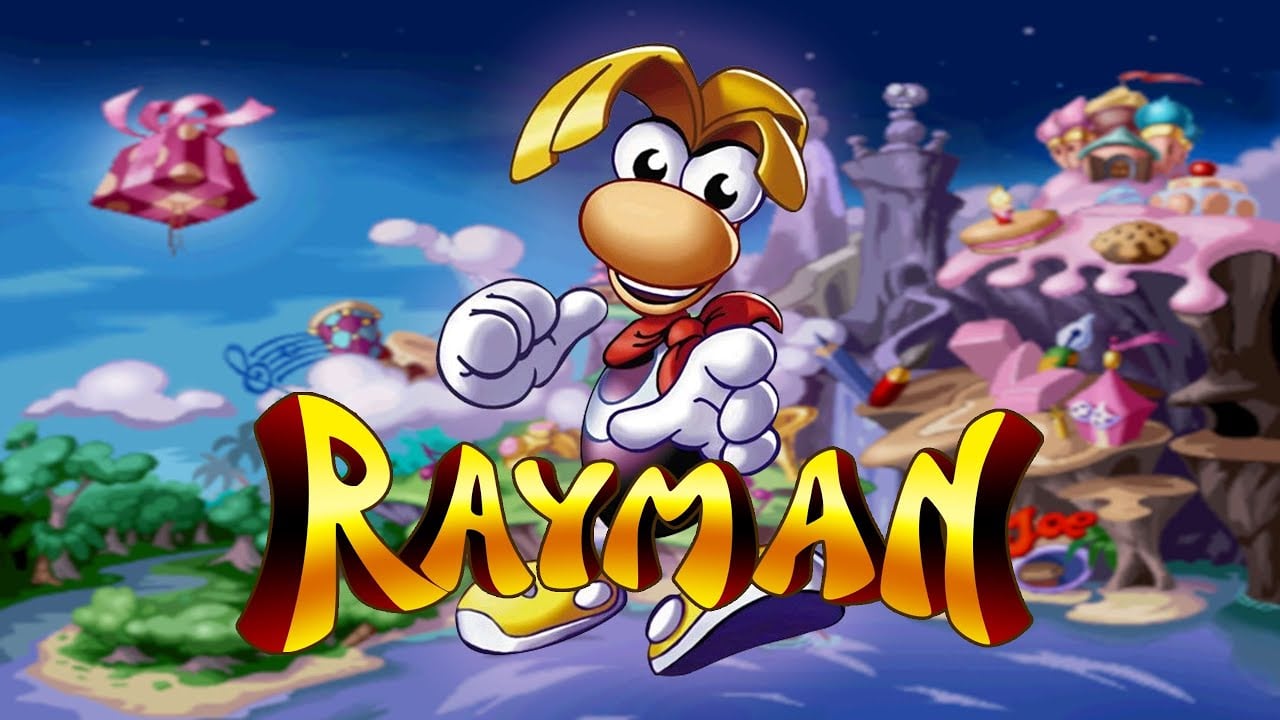
Summary:
Rayman has a funny way of popping back into the conversation when you least expect it. This time, the spark comes from two directions that line up a little too neatly: comments from series creator Michel Ancel in Retro Gamer, and a fresh Australian classification listing for a Rayman 30th Anniversary Edition. Put them together and suddenly the idea of the original 1995 Rayman getting an HD remake does not feel like random fan wish-casting. It feels like a plan that may already be moving behind closed doors, even if nobody is ready to put a big trailer on YouTube yet.
Ancel’s angle is especially interesting because he talks like someone who still understands what makes the first game tick. He points out the deliberate pacing, the “big character on the screen” effect, and the pixel-precise platforming that can feel punishing when you miss a jump by a hair. He also frames the biggest modern problem plainly: frustration for players who are not living and breathing tight platformers. That is where the most telling detail lands, because he suggests Ubisoft could add more checkpoints to ease the roughest edges while keeping the core identity intact.
We are left with a situation where the smoke is visible, but the fire is still behind the wall. Ratings listings can be real signals, or they can be confusing paperwork snapshots. Creator quotes can be confident, or they can be casual “I think” remarks that spiral online. So the smart move is to hold two thoughts at once: something Rayman-related is likely in motion, and we should be careful about assuming release dates, platforms, or exact scope until Ubisoft speaks plainly.
Rayman suddenly feels “current” again
It is wild how quickly a classic can snap back into relevance. One week Rayman is a nostalgic name you bring up when talking about 90s platformers, and the next week people are trading theories like it is 1995 all over again. The reason this moment is hitting is that it is not just one random rumor drifting by. We have a creator interview being referenced by multiple outlets and a classification listing that looks like the kind of breadcrumb that often shows up before an announcement. That combination makes Rayman feel less like a museum piece and more like a project that someone is actively preparing for modern systems. If you have ever wanted an excuse to revisit the first game without squinting at old hardware quirks, this is the kind of news cycle that makes you sit up straight and go, “Wait, are we actually doing this?”
Why Michel Ancel’s comments hit differently
When a random “insider” claims something big, it can be entertaining, but it rarely feels solid. When the person who helped shape the series speaks up, the tone changes, even if the wording is casual. Michel Ancel does not work at Ubisoft anymore, which makes his comments easy to argue about, but it also makes them feel less like marketing and more like a candid perspective. He talks about Rayman as a game he still respects, and he points to specific design traits that only someone close to the project would highlight naturally, like pacing, screen presence, and the strict precision of the controls. That does not automatically confirm a release is imminent, but it does add weight to the idea that Ubisoft has discussed a modern version internally. If you are trying to separate “internet noise” from “plausible direction,” this kind of voice tends to matter.
What he actually praised about the original Rayman
Ancel’s comments are not framed like a sales pitch. He describes Rayman as fun, full of things to do, and still interesting because its older limitations can make it feel distinctive today. That is an important detail because it suggests the original is not being treated like something that must be “fixed” into a different game. It is more like polishing an old gem so it catches light again. He also acknowledges something players have argued about for decades: the game can feel slow at times, partly because of how the character sits on the screen and how the levels are built around that presence. Yet he treats that pacing as part of the identity, not a flaw to delete. If a remake is happening, that attitude hints at a version that tries to keep the rhythm intact instead of turning Rayman into a totally different kind of platformer.
The Australian rating that added fuel to the fire
Classification listings are like footprints in wet cement. They show that somebody submitted something official enough to go through a formal process, even if the public details are incomplete or confusing. The Rayman 30th Anniversary Edition listing appearing in Australia is the kind of clue that often shows up close to a reveal window, because ratings are usually needed for release planning. At the same time, these listings can raise questions instead of answering them, especially when the developer or publisher fields look surprising. That is exactly why this rating has people talking: it suggests a Rayman-related product is being prepared for modern platforms, but the paperwork hints at a publishing setup that is not what many fans would expect at first glance. In other words, it feels real, but it also feels a little messy, which is very on-brand for early discovery moments like this.
Why listings can be both meaningful and misleading
A rating entry is not a trailer, and it is not a release date carved into stone. Sometimes it is a clean signal that an announcement is around the corner. Other times it is a snapshot of a submission that changes later, with placeholders, third-party applicants, or regional partners involved in the admin work. This matters here because the listing details being reported include elements that could be interpreted multiple ways, like who is listed as developer or publisher and who filed the application. That does not make the listing useless. It simply means we should treat it like a clue, not a verdict. If you have been around game announcements long enough, you have seen this movie before: a rating appears, everyone tries to solve the puzzle in an afternoon, and the final reveal ends up being similar in spirit but different in fine print.
What an HD remake could realistically mean for Rayman
The phrase “HD remake” can mean a lot of different things depending on who is using it. Sometimes it means sharper visuals and wide-screen support with almost everything else left alone. Sometimes it means reworked art, rebalanced difficulty, and quality-of-life changes layered on top. Ancel’s phrasing, as reported, points toward something that keeps the foundation while making it less punishing for players who do not want to replay the same tough section twenty times. That suggests a version that still feels like Rayman, but respects that modern audiences have different patience levels and different backlogs. Think of it like restoring a classic car: you can keep the look and the spirit, but you still want the brakes to work smoothly and the seatbelt to feel reliable. If Ubisoft is really aiming for a broader audience, “HD” is not only about pixels. It is also about comfort.
The original game’s pacing and why it matters
Rayman 1995 has a rhythm that is not always in a hurry. Levels ask you to observe, to wait, and to commit, and that can feel very different from modern platformers that are designed around constant forward momentum. Ancel’s comment about pacing being a bit slow because of the big character on screen is revealing, because it acknowledges a structural choice that shaped how the game feels. The camera framing, the size of Rayman, and the way obstacles are placed all interact. If you speed the game up too aggressively, you risk breaking that relationship and making jumps feel wrong. So if we are talking about a remake that is faithful, pacing is one of the first things that needs careful hands. It is like a song with a specific tempo: you can remaster it, but if you double the speed, it stops being the same tune.
Pixel-precise platforming and the difficulty question
Rayman’s difficulty is part reputation, part reality. The controls and level design often demand accuracy, and small mistakes can lead to big setbacks. That can be thrilling if you love mastering tight platforming, but it can also be a wall if you are coming in fresh. Ancel calling the gameplay “pixel-precise” is not just a throwaway phrase. It points to a design era where platformers were comfortable being strict, and where learning a level through repetition was part of the expected experience. In 2026, that style can still shine, but it also competes with a thousand other games that offer more forgiving progress. So the real question becomes: how do we keep the satisfying precision without turning the experience into a patience test for newer players? If Ubisoft wants Rayman to reach beyond the core faithful, difficulty tuning is not optional. It is the whole balancing act.
Why “less frustrating” is a very specific promise
“Less frustrating” sounds simple, but it is actually a design philosophy. Frustration often comes from losing too much progress, not from the challenge itself. If you fail a jump and you are back in the action ten seconds later, you shrug and try again. If you fail a jump and you repeat five minutes of careful platforming, you start bargaining with your own free time. That is why the checkpoint talk matters so much. It implies Ubisoft understands where the original can push people away, especially those who are not “non-stop platformer” players. The funniest part is that this kind of change can make the game feel harder in a good way, because you are more willing to experiment and take risks when the punishment is fair. It is like learning to skate with pads on. You fall more, but you also improve faster.
Checkpoints are the change that could make or break it
Extra checkpoints are one of those quality-of-life upgrades that can preserve the soul of a game while smoothing its sharpest corners. If Ubisoft adds checkpoints thoughtfully, we could end up with a version that still demands skill, but wastes less time. The key word is “thoughtfully,” because bad checkpoint placement can ruin tension, trivialize sections, or create weird pacing gaps. But good checkpoint placement can do the opposite: it can keep the stakes high while reducing the sting of failure. Ancel’s suggestion that checkpoints are the only point that could be a problem for less skilled players is basically a design diagnosis. It says, “The game is strong, but the punishment loop can be harsh.” If Ubisoft listens to that, the remake could become a gateway for people who always heard Rayman was great but never stuck with it long enough to see why.
Preserving the vibe while smoothing the edges
Every remake has to answer the same awkward question: what are we allowed to change without losing the identity? Rayman’s charm is not only in how it plays, but in how it feels. The character animation, the world design, the tone, and the way the game communicates personality through movement and sound all matter. If an HD remake turns everything into sterile modern shine, it risks losing that quirky magic that made Rayman stand out in the first place. On the other hand, if it refuses to modernize anything, it risks feeling like a relic that only the already-convinced will tolerate. The sweet spot is a version that respects the original’s style while using modern tools to make it clearer, smoother, and easier to read moment to moment. We want the same cartoon spirit, just with fewer moments where a player sighs and says, “Okay, that was cheap.”
Modern visuals are not only about sharpness
When people hear “HD,” they often picture cleaner textures and higher resolution, but readability is the real prize. Platformers live and die by whether you can quickly understand what is safe, what is dangerous, and what is interactive. Modern displays can make older art look muddy or cramped if it is not adjusted properly. So an HD remake has an opportunity to clarify silhouettes, improve contrast, and make hazards pop without changing the core look. That kind of adjustment is invisible when it is done well, which is the goal. Nobody wants a remake where the biggest talking point is “the UI is weird” or “I could not tell that spike was active.” If Ubisoft goes this route, the best outcome is that Rayman looks like we remember it, not like a totally different game wearing Rayman’s name tag.
Platforms, publishers, and the messy reality of listings
One reason this story keeps bouncing around is that the business details are not crystal clear from the outside. Reports about the Australian rating mention the platforms and also raise eyebrows about who is listed in the entry. That does not automatically mean Ubisoft is not involved. Publishing, distribution, and regional handling can involve partners, and listings can reflect those relationships in ways that look odd when you first see them. The important part for fans is simpler: something Rayman-related appears to have moved far enough into formal planning to require classification. That is usually not something you do for fun. Still, until Ubisoft makes a clear announcement, we should treat platform talk and naming conventions as provisional. The moment an official statement arrives, half the internet will have to update its assumptions, and that is normal. This is the “paper trail” phase, not the “final box art” phase.
How to read “anniversary edition” next to “remake” talk
“Anniversary edition” can describe a collection, a remaster, a re-release, or a celebration bundle that includes extras. “Remake” suggests something more involved, even if it is still faithful. Both can exist at the same time, and sometimes one name is used early while the final product branding changes later. That is why it is worth keeping your expectations flexible. We might be looking at an HD version of the original that is positioned as an anniversary celebration. Or we might be looking at a separate anniversary package that sits alongside a more direct remake plan. Either way, the common thread is that Rayman is being put back on the table. If you are a fan, the smart emotional move is cautious excitement: enjoy the momentum, but do not commit to specific features or dates until the publisher speaks with full clarity.
What we should and should not assume right now
We can say a few things without stretching. Multiple reputable outlets report that Ancel referenced a “kind of remake” in Retro Gamer and mentioned HD plus added checkpoints to reduce frustration. We can also say the Australian classification listing exists for a Rayman 30th Anniversary Edition, which is the kind of administrative signal that often appears before a public reveal. What we should not do is declare a locked release date, confirm the exact scope, or pretend we know the final platform list beyond what has been reported in the rating coverage. Rumor culture loves certainty because certainty gets clicks and arguments, but games rarely cooperate with that. So if you are following this story, treat it like watching storm clouds gather. You can feel the weather changing, but you do not claim you know the exact minute the first raindrop lands.
How fans can prepare without getting burned
The healthiest way to handle remake chatter is to focus on what you can control. If you love Rayman, revisit the original if you have access and remind yourself what you actually want preserved. Is it the strict platforming? The mood? The soundtrack energy? The level variety? Knowing that helps you judge any eventual reveal on its own merits instead of on a fantasy version living in your head. It also helps to keep an eye on official Ubisoft channels for the moment they decide to speak plainly, because that is when the story becomes real in the only way that matters. Until then, enjoy the speculation like a campfire story. It is fun, it is warm, and it is not a contract. If the remake shows up looking great, awesome. If plans shift, you have not built your whole week around a maybe.
Conclusion
Rayman remake talk is suddenly louder because two separate signals line up: Michel Ancel’s reported Retro Gamer comments about an HD remake with extra checkpoints, and the Australian classification listing for a Rayman 30th Anniversary Edition. Neither element alone would guarantee anything, but together they paint a picture of a franchise that is being prepared for a modern return. The most interesting part is not the word “HD,” it is the focus on making the experience less frustrating while keeping what made the original special. That is the kind of change that can welcome new players without insulting long-time fans. For now, we watch for the moment Ubisoft turns hints and paperwork into an official reveal, and we keep expectations grounded so the eventual announcement can actually surprise us in a good way.
FAQs
- Is Ubisoft officially confirmed to be releasing a Rayman HD remake?
- No official release announcement is quoted directly from Ubisoft in the reports discussed here, but multiple outlets say Michel Ancel referenced a “kind of remake” in Retro Gamer and described it as HD with added checkpoints.
- What did Michel Ancel say would change in a modern version of Rayman?
- Reports say he suggested Ubisoft could add more checkpoints and similar tweaks to reduce frustration, while noting the original is still fun and distinctive due to its older constraints.
- What is the Rayman 30th Anniversary Edition rating in Australia?
- Multiple outlets report that an entry for Rayman 30th Anniversary Edition appeared via Australian Classification, which often signals release planning, though listings can be incomplete or change.
- Does adding checkpoints mean the remake will be easier?
- It would likely reduce the punishment for failure rather than remove the challenge. Better checkpointing can keep the game demanding while making progress feel fairer for more players.
- When will we know the exact platforms and release date?
- The clearest answers will come only when Ubisoft makes a direct announcement. Until then, reported listings and interview references are best treated as signals, not final confirmations.
Sources
- Rayman creator says there’s a ‘kind of remake’ of the original game planned, Video Games Chronicle, February 9, 2026
- Rayman 30th Anniversary Edition rated in Australia, Gematsu, January 24, 2026
- Rayman creator casually reveals “I think there’s a kind of remake planned” for the 1995 platformer, GamesRadar, February 9, 2026
- Rumoured Rayman PS5 Remaster Is Real, Says Series Creator, Push Square, February 9, 2026
- Rayman 30th Anniversary Edition Has Been Rated For PS5 & Nintendo Switch In Australia, PSU, January 26, 2026