














Summary:
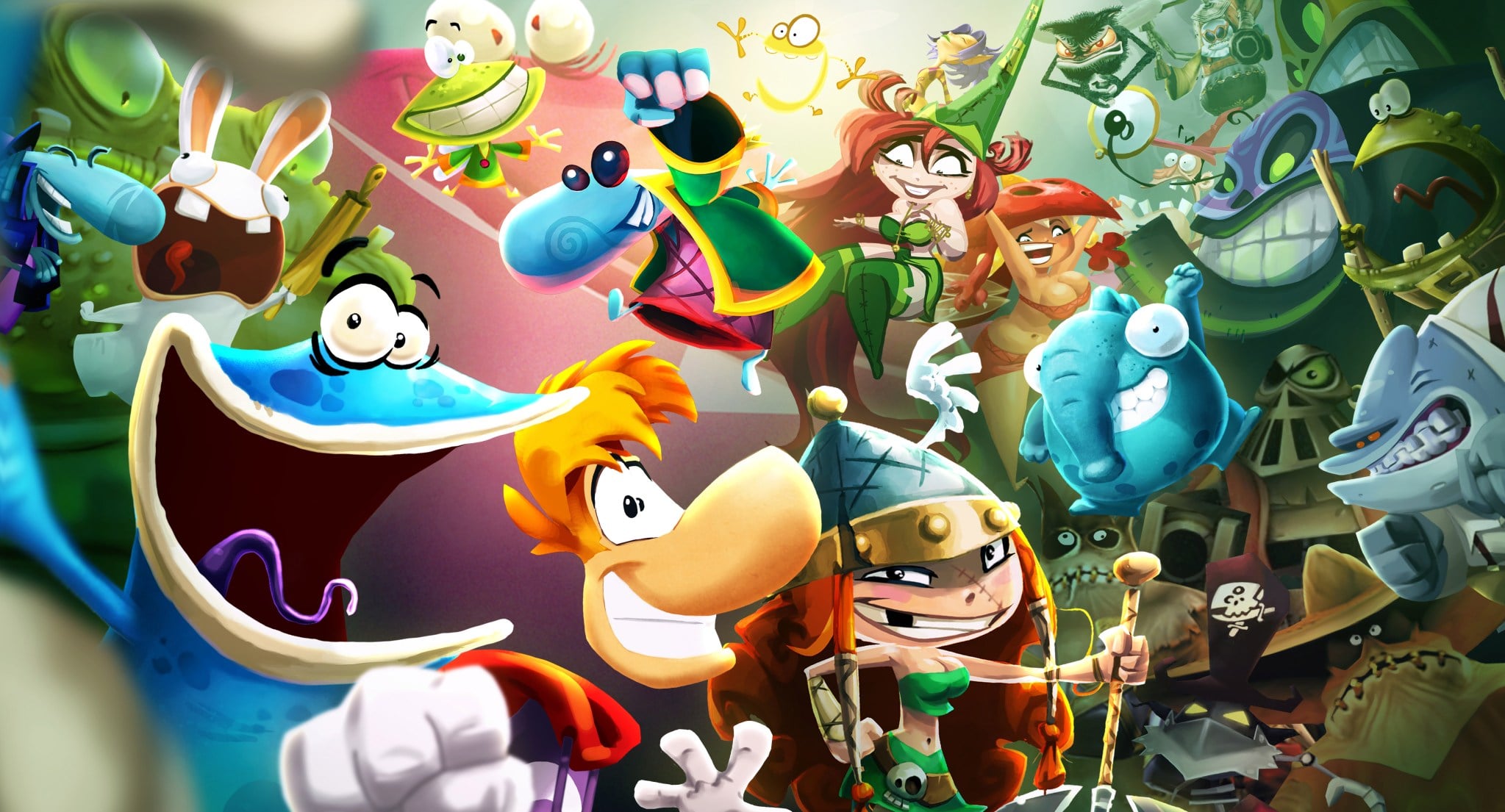
Rayman turning 30 isn’t just a nostalgia party – it’s Ubisoft putting a spotlight back on a series that helped define the company’s early identity. The big spark this time is Rayman: 30th Anniversary Edition, a release that treats the 1995 classic like a museum piece you can actually play, not just a memory you scroll past on social media. Ubisoft CEO Yves Guillemot went a step further and called this edition “the first step in the brand’s comeback,” while also saying the company wants to talk more about what’s next “soon.” That combination matters. A celebratory re-release is one thing, but a public promise of follow-up plans is a different energy altogether.
We’re going to treat that “soon” with the right mix of excitement and realism. Ubisoft hasn’t announced a brand-new Rayman game in the same breath, and there are no hard details yet on format, studio, or timing. What we do have is enough to read the room. The anniversary edition sets a baseline – it reminds players why Rayman worked in the first place, shows that there’s still demand, and gives Ubisoft a safe way to reintroduce the character to people who weren’t around for the original run. From there, the next steps could range from a new platformer to a smaller spin-off, or even a crossover style project. Either way, the franchise is being discussed out loud again – and that alone is a shift worth paying attention to.
Rayman at 30 – why this anniversary still hits
Thirty years is a long time in games. It’s basically the difference between “we blew into a cartridge and hoped for the best” and “we patch a game while we’re still downloading it.” Rayman surviving that gap – and still being remembered with real affection – says a lot about how strong the original idea was. The character design is instantly recognizable, the worlds are colorful without being noisy, and the movement has that classic platformer rhythm where you fail, laugh, and immediately try again. Ubisoft also isn’t celebrating this in a vacuum. Guillemot has framed the anniversary as part of the company’s longer-running franchises, which puts Rayman back in the same conversation as Ubisoft’s biggest pillars. For fans, it feels like someone opened a dusty attic and found a childhood toy that still works. For Ubisoft, it’s a reminder that not every beloved series needs to stay parked forever.
What Rayman: 30th Anniversary Edition actually is
Rayman: 30th Anniversary Edition is positioned as a tribute release built around the original 1995 platformer. That wording matters because it tells us the goal is celebration and preservation, not a reinvention wearing old clothes. Ubisoft’s own messaging leans into the idea of a “definitive” package, which usually means two things: the classic experience is kept intact, and the extras are designed to make the history feel tangible. If you’ve ever watched a movie with director commentary and suddenly appreciated it more, you already get the vibe. This edition is meant to help longtime fans relive the original with added context, while giving newer players a friendly entry point that doesn’t require a time machine. It’s Rayman presented like a milestone, not a random re-drop.
What’s inside the package
When an anniversary release lands, the big question is always the same: are we getting real value, or just a fancy wrapper? Here, the pitch is that we’re getting more than one version of Rayman and a pile of extra material that frames the game’s creation and evolution. Ubisoft credits Digital Eclipse as the developer for this edition, which is notable because that studio has a reputation for treating older games with care and adding archival-style features. The overall goal seems to be giving us the classic platformer in multiple forms, then surrounding it with curated extras that make the package feel like a celebration rather than a quick cash-in. That’s the difference between a birthday card and an actual birthday party – one is polite, the other feels like someone showed up.
The five versions and the “museum” angle
One of the headline hooks is that the edition includes multiple versions of the game, presented as a collection rather than a single port. Ubisoft has also highlighted a documentary-style element and “museum” framing – the kind of feature set that lets you browse behind-the-scenes material, development history, and curated artifacts connected to the original release. That matters because it turns the experience into more than pure gameplay time. You can play, then immediately see how ideas evolved, what the team was trying to achieve, and why certain design choices landed the way they did. It’s like walking through a gallery where you’re allowed to touch the exhibits – carefully, of course. For people who love game history, that context is the secret sauce that makes an anniversary release feel special instead of disposable.
Prototype, bonus levels, and the extras that matter
Ubisoft’s promotion for the edition points to extra playable material, including a prototype that hadn’t been playable before, plus a large batch of additional levels. Extras like that are more than just padding when they’re curated well. A prototype can show you how a game’s identity formed – you see early ideas, rough edges, and the moment where the team figured out what Rayman should feel like. Bonus levels also help if you already know the main campaign by heart and want something fresh without leaving the world behind. It’s the gaming equivalent of getting the extended cut and the deleted scenes, then realizing the deleted scenes explain half the jokes your friend always quoted. Done right, these extras aren’t “more stuff.” They’re a better understanding of why the original clicked.
Where you can play it and what to expect
Availability is where the practical questions live. Ubisoft has listed Rayman: 30th Anniversary Edition for Nintendo Switch, PlayStation 5, Xbox Series X|S, and PC, with a release date of February 13, 2026. That’s a clean, modern spread that makes it easy to recommend without caveats like “only if you still own ancient hardware” or “only if you jump through three emulation hoops and a prayer.” It also signals that Ubisoft wants this to be visible, not niche. If you’re the kind of player who likes owning a classic on your main system so it’s always there, this checks that box. And if you’re new, you don’t need an encyclopedia of old ports to figure out where to start – you just pick your platform and go.
“The first step in the brand’s comeback” – why that line is a big deal
Here’s the line that got people sitting up straight: Yves Guillemot called Rayman: 30th Anniversary Edition “the first step in the brand’s comeback.” That’s not the same as “we’re happy you remember this” or “enjoy the nostalgia.” It’s a statement of intent, and it’s rare to see that phrased so plainly unless there’s at least a real internal push to do more. Guillemot also said Ubisoft is looking forward to talking more about Rayman “soon,” while acknowledging the company couldn’t share details in that moment. So we’re left with a situation that’s both exciting and maddening – like hearing someone say “I have news” and then immediately walking out of the room. Still, a public tease from the CEO sets expectations. Ubisoft knows people will hold them to it, which makes the comment feel less like fluff and more like a deliberate breadcrumb.
Why Ubisoft is leaning on legacy series right now
Ubisoft has been emphasizing the long life of its established franchises, and Guillemot’s comments sit inside that broader framing. When a company is highlighting longevity, it’s usually doing two things at once. First, it’s reminding investors and players that these brands have staying power. Second, it’s creating space to revisit older names without it feeling random. Rayman benefits from that setup because it’s beloved, but it hasn’t had the same steady cadence as Ubisoft’s biggest modern series. An anniversary edition becomes a low-risk, high-visibility way to test the waters, reintroduce the character, and measure how loudly people respond. Think of it like striking a match in a dark room – you’re not rebuilding the house yet, but you’re checking whether the fireplace still works.
What “soon” can realistically mean
“Soon” is the most dangerous word in games. It can mean next month, next quarter, or “we’ll see you in two years, please don’t throw tomatoes.” The realistic way to interpret it is as a near-term communication window rather than an immediate release window. Ubisoft can talk about Rayman soon without shipping a brand-new game soon. That could be a teaser, a developer update, a reveal of who’s working on what, or even a confirmation that something has moved beyond brainstorming. The key is that Ubisoft chose to say it publicly, which suggests they believe they can follow up without embarrassing themselves. So yes, we should be excited – but we should also keep our feet on the ground. If Rayman is genuinely heading for a bigger return, it deserves the time to be done right, not rushed out like a cake pulled from the oven too early.
What Ubisoft has not said yet
Even with the encouraging quotes, there are clear gaps. Ubisoft hasn’t confirmed a new mainline Rayman platformer, hasn’t named a studio for the next step, and hasn’t given any timing beyond “soon” for more information. There’s also no official detail on whether the future of Rayman is aimed at classic 2D/3D platforming, a modern hybrid approach, or something more experimental. That silence doesn’t mean nothing is happening – it just means we shouldn’t pretend we know the plan. The best approach is to treat the anniversary edition as the firm, checkable fact, and treat everything after it as a set of possibilities that only become real when Ubisoft puts a name, a trailer, and a date on the table.
What a modern Rayman return should keep – and what it can change
If Rayman is coming back in a bigger way, the tricky part is balancing identity with evolution. Rayman’s charm isn’t just “old game nostalgia.” It’s the mix of playful movement, readable levels, and a tone that feels mischievous without trying too hard. A modern return should keep that clarity – the feeling that you always understand why you failed and what you need to do next. At the same time, players now expect quality-of-life features that weren’t standard in the 90s, plus accessibility options that let more people enjoy the ride. The goal shouldn’t be to sand Rayman down until it’s bland. It should be to polish the experience so it feels welcoming, then let the platforming teeth show when you want a real challenge. In other words, keep the soul, update the shoes.
Movement feel, readability, and difficulty
Platformers live and die on feel. If Rayman jumps like a brick or slides like it’s on butter, it doesn’t matter how pretty the backgrounds are. Any future Rayman project should prioritize responsiveness and consistency – the player should trust the controls like they trust gravity. Readability is the other big thing. Modern screens can be packed with detail, but platformers need clean signals: where you can land, what hurts you, and what’s a secret. Difficulty should be flexible too. Rayman has always worked when it lets you learn through play, then rewards mastery with tougher sections. The sweet spot is when the game feels like it’s teasing you, not punishing you. You know the vibe – the level smirks, you smirk back, and suddenly it’s 2 a.m. and you’ve said “one more try” fourteen times.
Accessibility options without sanding off challenge
Accessibility doesn’t have to mean “easy.” It means “adjustable.” A modern Rayman could offer assists like clearer visual indicators, remappable controls, optional checkpoints, or difficulty modifiers that let players tailor the experience. The key is to make these options feel normal, not like a shame button. Players who want the classic bite can keep it, and players who want a smoother climb can take the elevator for part of the journey. That’s not lowering the bar – that’s widening the doorway. And honestly, Rayman’s personality benefits from more people being able to enjoy it. A game this cheerful shouldn’t be locked behind unnecessary friction. Let the challenge come from clever design, not outdated inconvenience.
Why Rayman still fits today’s platformer crowd
Platformers never really left, they just changed clothes. We’ve got precision-heavy indie hits, big-budget mascot revivals, and everything in between. Rayman fits because it has a distinct tone that isn’t trying to be edgy, and it has a visual identity that can stand out in a crowded market. There’s also a hunger for series with personality – not just mechanically solid games, but worlds you want to hang out in. Rayman’s universe is weird in the best way. It’s colorful, musical, slightly chaotic, and always a little unpredictable. If Ubisoft plays this right, Rayman doesn’t need to chase trends. It can be the thing people point to when they want a platformer that feels joyful instead of cynical. That’s a lane, and it’s a valuable one.
How to approach the anniversary edition if you’re new or returning
If you’re returning, the anniversary edition is a chance to reconnect with what made Rayman special, then enjoy the extra material like a bonus lap. Treat it like revisiting a favorite place that’s been cleaned up and turned into a proper celebration. If you’re new, don’t overthink it. Start with the core experience, let yourself get used to the rhythm, and lean into the trial-and-error loop that platformers are built on. And if you bounce off at first, that’s normal – older design sensibilities can feel different. Give it a little time. Once the movement clicks, it becomes a game where you build momentum, both literally and mentally. Also, don’t ignore the archival features. They’re not homework – they’re the fun “how it was made” stuff that helps you appreciate the game beyond just finishing levels.
The bottom line for 2026 and beyond
Rayman: 30th Anniversary Edition is the solid fact on the table, and it’s already doing its job – getting people talking, replaying, and remembering. Guillemot’s “first step in the brand’s comeback” quote adds a second layer: Ubisoft wants Rayman to matter again, not just be a mascot in the company’s history book. The honest stance is hopeful realism. We should enjoy what’s here, because it’s real, playable, and clearly positioned as a celebration. And we should watch for what Ubisoft says next, because they’ve set expectations publicly. If the follow-up is handled with care, Rayman could slide back into the spotlight like he never left – that familiar grin, that springy jump, and that “okay fine, one more level” energy that keeps platformers alive.
Conclusion
Rayman turning 30 could have been a quiet nod and nothing more, but Ubisoft chose a louder approach: a feature-rich anniversary release and a direct statement that this is the first step in a comeback. That combination makes the moment feel different. We’ve got a clear release, clear platforms, and a CEO openly teasing future talk. Now the ball is in Ubisoft’s court. If the company follows up with something that respects Rayman’s identity while giving it modern polish, this anniversary won’t just be a celebration – it’ll be the start of a real second act.
FAQs
- What did Yves Guillemot actually say about Rayman’s future?
- He called Rayman: 30th Anniversary Edition “the first step in the brand’s comeback” and said Ubisoft is looking forward to talking more about Rayman “soon,” while not sharing specific next-step details yet.
- When did Rayman: 30th Anniversary Edition release?
- Ubisoft lists the release date as February 13, 2026.
- Which platforms is Rayman: 30th Anniversary Edition on?
- Ubisoft lists it for Nintendo Switch, PlayStation 5, Xbox Series X|S, and PC.
- Is Ubisoft confirmed to be making a brand-new Rayman game?
- No. Ubisoft has teased future discussion, but it has not officially announced a new mainline Rayman game, a studio, or a release window beyond saying more will be shared “soon.”
- Is the anniversary edition a good starting point if we’ve never played Rayman?
- Yes. It’s built around the classic 1995 experience and is presented as a celebratory package, which makes it a straightforward place to begin if you want to see why Rayman became a beloved platforming name.
Sources
- Ubisoft CEO Explains Three-Year Plan to Revamp Game Publisher Through New ‘Creative House’ Strategy, Variety, February 2026
- Rayman 30th Anniversary Edition, Ubisoft News, February 13, 2026
- Play Rayman: 30th Anniversary Edition Tomorrow!, Ubisoft News, February 13, 2026
- Rayman: 30th Anniversary Edition, Ubisoft, February 2026
- Rayman’s 30th Anniversary Edition Is Just The “First Step” In Franchise’s Comeback, Ubisoft Says, GameSpot, February 2026
- Rayman: 30th Anniversary Edition, Steam, February 13, 2026
- Rayman: 30th Anniversary Edition Is The “First Step” In The Platformer’s Comeback, Nintendo Life, February 2026