














Summary:
The rivalry between SEGA and Nintendo stands as one of the most iconic and influential competitions in the gaming industry. In the early days, these two giants took divergent paths in game development and marketing, with SEGA embodying the rebellious spirit of Rock & Roll and Nintendo embracing the universal appeal of Pop Music. This dynamic clash not only fueled a fierce competition but also spurred innovation and creativity within the industry. Over time, as market dynamics shifted, SEGA and Nintendo transitioned from fierce competitors to collaborators, working together to revive beloved franchises like Sonic The Hedgehog. Today, their partnership signifies a harmonious blend of their unique strengths, aiming to reignite the magic that once captivated gamers worldwide. This content delves into the history, strategies, and future prospects of SEGA and Nintendo’s relationship, highlighting how their rivalry and collaboration have shaped the gaming landscape.
SEGA and Nintendo
When it comes to the gaming industry, few rivalries have been as impactful as that between SEGA and Nintendo. These two powerhouses not only competed fiercely for market dominance but also shaped the very fabric of video gaming culture. From their contrasting business strategies to their unique game development philosophies, SEGA and Nintendo have each carved out distinct identities that have resonated with gamers around the world.
Early Beginnings and Market Entry
SEGA and Nintendo both entered the gaming scene during a time of rapid technological advancement and growing consumer interest. While Nintendo began its journey with arcade games and quickly transitioned to home consoles, SEGA focused on creating arcade machines that emphasized speed and action. This early divergence set the stage for their differing approaches to the market and laid the groundwork for their future rivalry.
SEGA’s Initial Strategy
SEGA positioned itself as the edgier alternative to Nintendo, focusing on high-performance consoles like the Genesis and games that pushed the boundaries of speed and excitement. This approach attracted a younger, more rebellious audience looking for a different kind of gaming experience.
Nintendo, on the other hand, emphasized family-friendly content and innovative gameplay mechanics. With consoles like the NES and later the Super Nintendo, Nintendo created games that were accessible to all ages, fostering a wide and loyal fanbase.
Contrasting Approaches to Game Development
The core difference between SEGA and Nintendo lies in their game development philosophies. SEGA often took risks with more experimental and challenging games, aiming to stand out in a crowded market. Nintendo focused on creating polished, timeless classics that appealed to a broad audience.
While SEGA was known for its innovative titles that sometimes pushed the envelope, this approach sometimes led to inconsistency in game quality. Nintendo’s commitment to consistency ensured that their games maintained a high standard, building trust with their consumers.
Marketing Strategies: Rock & Roll vs Pop Music
In a recent interview, SEGA’s president Shuji Utsumi likened SEGA to Rock & Roll and Nintendo to Pop Music. This analogy highlights the contrasting marketing strategies of the two companies. SEGA aimed to be bold and daring, much like Rock & Roll, appealing to those seeking excitement and a break from the norm. Nintendo’s Pop Music strategy focused on wide appeal and universal enjoyment, ensuring their games were loved by everyone.
Advertising Campaigns
SEGA’s advertising often featured high-energy commercials that emphasized speed and action, mirroring the rebellious nature of Rock & Roll. Nintendo’s campaigns were more inclusive, showcasing games that families could enjoy together, reinforcing their image as the friendly, approachable option.
The Height of the Rivalry in the 90s
The 1990s were the pinnacle of the SEGA-Nintendo rivalry, marked by intense competition and iconic battles for console supremacy. The release of the Sega Genesis and the Super Nintendo Entertainment System (SNES) set the stage for a heated contest over market share and consumer loyalty.
The fierce competition between the Genesis and SNES led to innovative features and exclusive titles from both companies. This period saw the introduction of legendary franchises like Sonic the Hedgehog and Super Mario, which became mascots representing their respective brands. The rivalry drove both companies to push technological boundaries and enhance game quality, ultimately benefiting gamers with a plethora of high-quality titles and advanced gaming consoles.
Key Game Titles That Defined the Competition
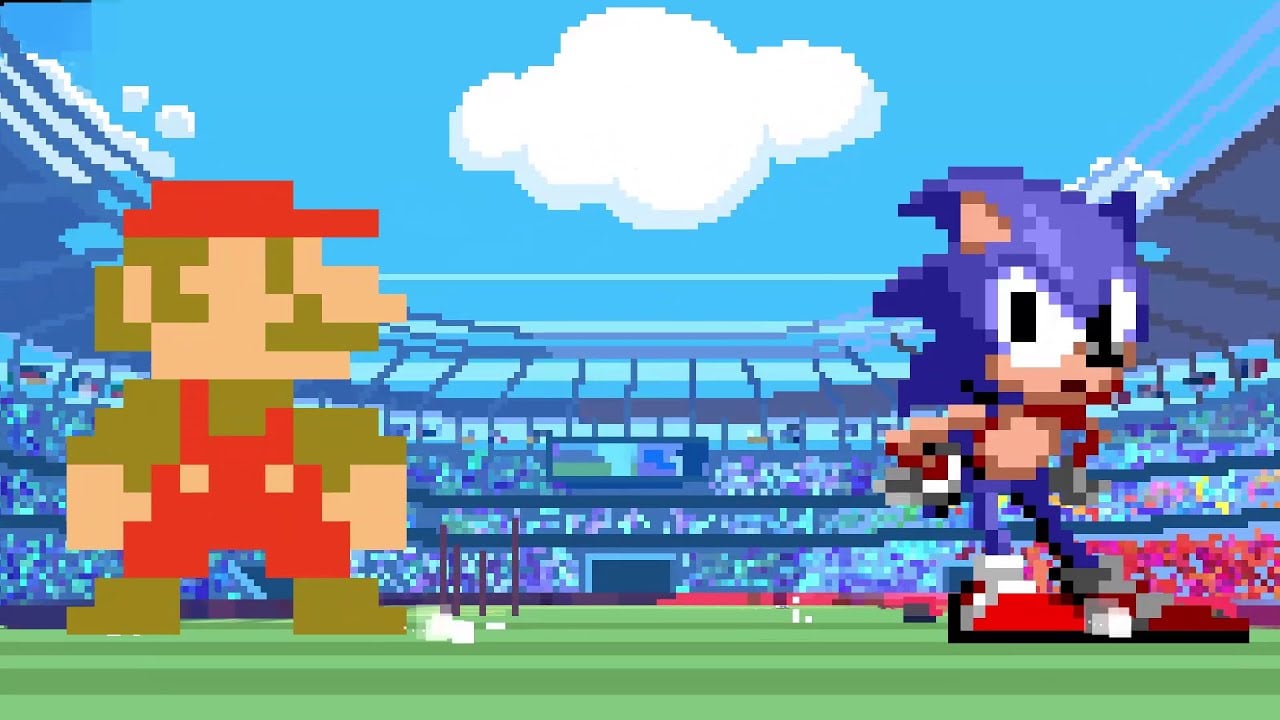
Several game titles became emblematic of the SEGA-Nintendo rivalry, each showcasing the strengths and unique qualities of their respective platforms. Sonic the Hedgehog, for instance, was SEGA’s answer to Nintendo’s Mario, embodying speed and attitude.
Sonic’s fast-paced gameplay and edgy design contrasted sharply with Mario’s charming and accessible platforming adventures. This dichotomy not only fueled the competition but also provided gamers with distinct choices based on their preferences.
The Decline of SEGA and Rise of Nintendo
While SEGA enjoyed significant success in the early to mid-90s, challenges arose towards the end of the decade. Factors such as market saturation, the rise of new competitors, and internal strategic missteps contributed to SEGA’s decline. Meanwhile, Nintendo continued to innovate and expand its market presence, solidifying its position as a dominant force in the industry.
SEGA’s aggressive strategies, while initially successful, led to oversaturation and a lack of focus in later years. Additionally, the failure of certain consoles and the inability to keep up with technological advancements further weakened SEGA’s market position.
Nintendo’s commitment to quality and innovation, along with the enduring popularity of franchises like Mario and Zelda, allowed the company to weather industry changes and maintain a strong market presence.
Transition from Rivalry to Collaboration
In recent years, the relationship between SEGA and Nintendo has evolved from fierce competition to fruitful collaboration. This shift marks a significant change in the gaming industry, highlighting a move towards cooperation and mutual respect. The changing dynamics of the gaming market, coupled with the recognition of each other’s strengths, paved the way for SEGA and Nintendo to work together. Collaborations allow both companies to leverage their unique assets and reach a broader audience.
One notable example is the partnership in reviving classic franchises, such as Sonic The Hedgehog, which has seen a resurgence through various collaborations and new game releases.
Reviving Classic IPs: Sonic The Hedgehog and More
SEGA’s efforts to revive iconic IPs like Sonic The Hedgehog reflect a strategic move to recapture the magic of the past while adapting to contemporary gaming trends. By breathing new life into beloved characters, SEGA aims to reconnect with longtime fans and attract new ones.
Sonic’s Modern Comeback
Recent releases and updates to the Sonic franchise showcase the character’s enduring appeal. SEGA has focused on maintaining Sonic’s core identity while introducing modern gameplay elements and storytelling techniques.
Beyond Sonic, SEGA is exploring the revival of other classic titles, blending nostalgia with innovation to create engaging experiences for today’s gamers.
The Role of Shuji Utsumi in SEGA’s Revival
Shuji Utsumi, SEGA’s current president, plays a pivotal role in steering the company towards revitalization. His vision emphasizes leveraging SEGA’s rich content library and infusing it with contemporary cultural elements, such as hip-hop flavors, to resonate with today’s audience.
Utsumi believes in balancing respect for SEGA’s heritage with a willingness to innovate and adapt. This approach ensures that SEGA remains relevant in a rapidly evolving industry. Under Utsumi’s leadership, SEGA has undertaken initiatives to modernize its game development processes, embrace new technologies, and expand its global reach through strategic partnerships.
Future Prospects of SEGA and Nintendo Partnership
The collaboration between SEGA and Nintendo opens up exciting possibilities for the future of gaming. By combining their strengths, both companies can explore new avenues for game development, marketing, and global expansion.
Future projects may include cross-franchise collaborations, joint ventures in new gaming platforms, and shared initiatives to promote gaming culture worldwide. This partnership has the potential to set new standards in the industry, fostering a more collaborative and innovative environment that benefits both companies and gamers alike.
Conclusion
The journey of SEGA and Nintendo from fierce rivals to collaborative partners highlights the dynamic nature of the gaming industry. Their competition drove significant advancements and shaped gaming culture, while their eventual collaboration signifies a new era of innovation and mutual growth. As they continue to revive classic IPs and explore new opportunities together, the legacy of their rivalry will forever be remembered as a catalyst for progress in the world of video games.
FAQs
- Q: What was the main difference between SEGA and Nintendo’s marketing strategies?
- A: SEGA adopted a Rock & Roll-inspired, bold and daring approach, while Nintendo focused on a Pop Music-inspired strategy aimed at broad and universal appeal.
- Q: How did SEGA and Nintendo’s rivalry influence the gaming industry?
- A: Their rivalry spurred innovation, leading to the development of iconic game titles and advanced gaming consoles, ultimately benefiting gamers with higher quality and diverse gaming options.
- Q: What role did Shuji Utsumi play in SEGA’s recent strategies?
- A: As SEGA’s president, Shuji Utsumi has been instrumental in reviving classic IPs like Sonic The Hedgehog and infusing SEGA’s offerings with contemporary elements to reconnect with both old and new audiences.
- Q: Are SEGA and Nintendo still competitors today?
- A: While they were once fierce rivals, SEGA and Nintendo have transitioned to a more collaborative relationship, working together on reviving classic franchises and exploring new opportunities in the gaming industry.
- Q: What are some examples of SEGA and Nintendo’s collaboration?
- A: One notable collaboration is the revival of Sonic The Hedgehog, where SEGA and Nintendo have worked together to bring the iconic character back to prominence through new game releases and marketing efforts.
Sources
- A History of the Nintendo vs. Sega Rivalry – CBR, Published Jun 30, 2023
- Sega President Talks Reviving Video Game ‘Rock & Roll’ To Contrast Nintendo’s ‘Pop Music’ – Nintendo Life, Published Dec 2024
- The Epic Console War: Nintendo vs. Sega – History Tools, Published Jun 2024
- Sega v Nintendo: Sonic, Mario and the 1990’s console war – BBC News, Published May 2014
- The Console War of the ’80s & ’90s: Sega vs. Nintendo – Morning Brew, Published Sep 2020