














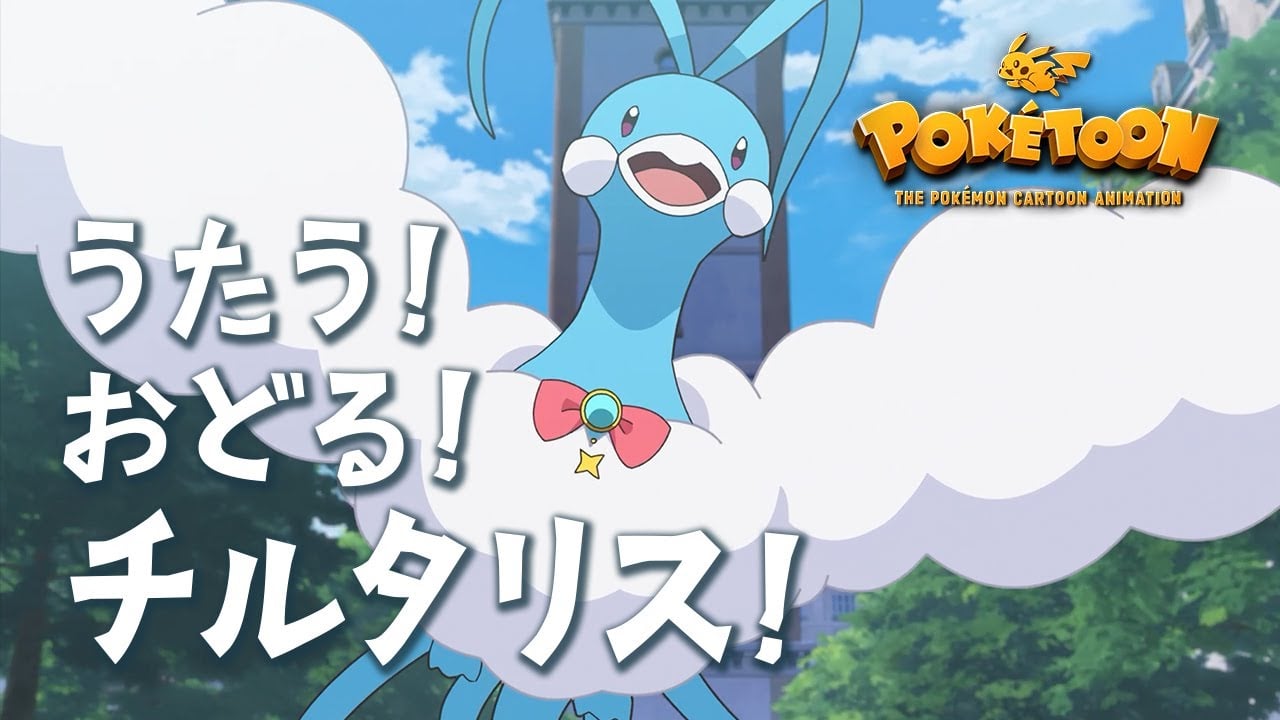
Summary:
Pokétoon is back with a short that wears its heart on its sleeve and does not pretend otherwise. “Sing! Dance! Altaria” follows a Swablu who loves to sing with the kind of confidence you only get when you have not yet been laughed at by the world. That confidence gets tested the moment Swablu leaves its familiar space and tries to share its voice somewhere new, because passion is easy when you are alone, and suddenly complicated when people can ignore you. The turning point is a meeting with a trainer who actually understands what it feels like to want something creative so badly that it becomes part of your identity. Instead of treating Swablu’s singing like a cute trick, this trainer treats it like a real goal, with real effort behind it.
The short leans into a simple idea: talent is nice, but support is the secret ingredient that turns “I wish” into “let’s do it.” We watch a bond form around music, practice, and the courage to perform, even when attention feels scary. Altaria’s presence adds a sense of arrival, like a promise that the small voice we started with can grow into something that fills the sky. That is the emotional arc, but it is delivered through playful animation, expressive timing, and those quick Pokétoon-style moments that make you smile before you realize you are weirdly invested. If you have ever needed someone to believe in a thing you love, even when you were not sure you deserved that belief yet, this one lands.
Sing! Dance! Altaria arrives as a fresh Pokétoon short
“Sing! Dance! Altaria” drops into the Pokétoon lineup with a clear mission: make us care about a small, everyday dream in just a few minutes. That is a tough job, but Pokétoon has always been good at turning simple setups into emotional punches that feel earned. This time, the spotlight lands on Swablu, a Pokémon that already looks like a floating puff of optimism, and the story uses that softness as a contrast to how hard it can be to share something personal. Singing is not treated like background flavor here. It is the whole point, the thing Swablu is brave enough to lead with, even when the world is not guaranteed to clap back. If you like Pokémon stories that focus on bonds rather than battles, this short knows exactly how to feed that appetite without dragging its feet.
Where to watch and what to expect going in
The easiest way to watch is through the official Pokémon presence on YouTube, where Pokétoon shorts are collected and promoted alongside other animation uploads. That matters because it keeps the viewing experience simple: no hunting through mirrors, no sketchy reuploads, just the real deal in the place it is meant to live. Expect a music-forward story that moves quickly, with expressive animation choices that do a lot of heavy lifting in a short runtime. We are not showing up for a long plot with twists and villains. We are showing up for a feeling, like biting into a warm snack and realizing it is exactly what you needed. If you go in expecting a sweet character moment, a few laughs, and a little secondhand stage fright, you are already in the right headspace.

Meet Swablu, the tiny cloud with a big voice
Swablu is one of those Pokémon designs that looks like it was invented to sell plushies, and yes, that is part of the charm. But “Sing! Dance! Altaria” makes Swablu feel like more than a cute mascot by tying its personality to something specific: the desire to sing, loudly and proudly, even if nobody asked. That is instantly relatable. Plenty of us have had a hobby we love so much we cannot help bringing it into the room, whether that is singing, drawing, cooking, or talking about our favorite game for the thousandth time. The short uses Swablu’s smallness to raise the emotional stakes. A tiny creature putting itself out there feels vulnerable, and the animation leans into that vulnerability without turning Swablu into a pity case.
A voice that wants to be heard, not just noticed
There is a difference between being seen and being understood, and the short plays with that gap in a way that feels honest. Swablu is not chasing fame like a cartoon celebrity. Swablu is chasing connection, the kind that happens when someone hears what you are trying to say and does not brush it off. That makes every attempt to sing feel like a tiny leap of faith. The story does not need long dialogue to sell this, because the body language and pacing do the talking. When attention does not come, the silence hits harder than any insult. It is like telling a joke to a room that keeps chewing their food and never looks up.
A trainer who gets it: the meeting that changes everything
The emotional core of the short is the meeting between Swablu and a trainer who shares that same love for singing. This is where the story stops being “cute Pokémon does cute thing” and becomes a small partnership story. The trainer is not presented as a perfect mentor with magical solutions. Instead, the trainer feels like someone who has wanted something creative badly enough to recognize that spark in someone else. That recognition is powerful. It turns Swablu’s singing from a lonely activity into something shared, and shared passions have a way of making scary goals feel possible. The short sells this bond quickly, but it does not feel rushed, because the gestures are clear and the emotional beats land cleanly.
Why shared passion is instant glue
When two characters love the same thing, the story can skip the awkward “should we be friends” phase and jump straight to cooperation. “Sing! Dance! Altaria” uses that shortcut well, because it is not cheating, it is real life. If you have ever met someone who likes the exact niche thing you like, you know the feeling: suddenly you are talking faster, smiling more, and making plans you did not have five minutes ago. That is the vibe here. The trainer does not treat Swablu like a novelty. The trainer treats Swablu like a partner, and that shift changes the entire energy of the short from wandering to purposeful.
Why the “singing partner” idea hits so hard
A singing partner is not just someone who stands next to you and matches notes. A real partner is someone who helps you show up when your confidence starts wobbling. That is why this setup works so well in Pokémon, a world where partnerships are already the emotional backbone. Here, the partnership is not about training for a gym badge. It is about building a performance, finding rhythm together, and trusting that the other person will not let you fall flat on your face when it counts. The short makes the idea feel warm and a little nerve-wracking, like planning to sing in front of people and realizing your throat gets dry the second you imagine it. The sweetness comes from watching support turn anxiety into momentum.
Practice feels like progress, even when it is messy
The short leans into the idea that growth is a process, not a switch. That matters because creative goals can feel slippery. You can practice for hours and still feel like you are not “good enough,” because the finish line keeps moving. “Sing! Dance! Altaria” treats practice as part of the bond. It is not filler. It is where trust forms, where timing improves, and where the characters learn each other’s quirks. That is a satisfying message without being preachy, because it is shown through action, not spelled out like homework instructions.
The world around them: reactions, attention, and that awkward first step
A big part of performing is dealing with the crowd, even if the crowd is just a few people who might not care. The short understands that social pressure is a villain all by itself. When Swablu tries to sing and does not get the response it hoped for, the moment feels painfully familiar. It is the creative version of waving at someone who does not wave back, except somehow worse because you are sharing something you actually care about. The short does not need to make the world cruel to make the point. Indifference is enough. Then, once the trainer shows up, the environment stops feeling like a wall and starts feeling like a stage that can be earned.
Confidence is contagious, and so is doubt
One of the smartest emotional moves here is showing how quickly mood spreads between partners. If Swablu is excited, the trainer becomes more energized too. If doubt creeps in, it can pull both of them down unless someone interrupts it. That is true to life and makes the bond feel believable. Performing is not just about skill, it is about emotional regulation under pressure, and that is hard even for adults, let alone a tiny cloud bird with feelings the size of a thunderstorm. The short keeps this light, but the truth is sitting right there under the cute surface.
Building confidence like a muscle, not a magic trick
There is a quiet honesty in the way this short treats confidence. It does not arrive as a sudden transformation where Swablu becomes fearless because the music swells. Instead, confidence shows up through repetition, encouragement, and small wins that stack. That makes the payoff feel earned, which is impressive for a short runtime. We are watching the kind of growth that happens when someone believes in you long enough for you to start believing in yourself. It is like learning to ride a bike: at first you wobble, then you wobble less, then suddenly you are moving and you do not even remember the last time you felt afraid. The short captures that progression without turning it into a lecture.
Support looks small, but it changes everything
Support in this story is not dramatic speeches or flashy training montages. It is attention, consistency, and treating the dream as valid. That is the kind of support people remember for years. A single person saying “I hear you” can outweigh a hundred strangers doing nothing. The trainer’s role is not to fix Swablu. The trainer’s role is to stand beside Swablu and help create a moment where the singing can land. That is a sweet idea, and it also fits Pokémon’s best theme: partnership is a superpower that does not require super strength.
Music as communication in the Pokémon world
Pokémon stories often show friendship through battles, travel, or shared danger, but music offers a different lane. Music is communication without needing the same language, and that makes it perfect for a world where humans and Pokémon connect in many ways. “Sing! Dance! Altaria” uses singing as an emotional bridge. Swablu’s song is not just a performance, it is a way of saying “this is me.” The trainer responds by meeting that expression with their own passion, which turns the relationship into a duet rather than a one-sided showcase. The short also reminds us that Pokémon are not just battle companions. They have hobbies, feelings, and preferences, and those details are what make the world feel lived-in.
Why a short can say a lot without many words
Pokétoon shorts are built to communicate quickly, and this one uses music and visuals to skip long explanations. We can tell when Swablu feels dismissed. We can tell when the trainer is inspired. We can tell when the partnership clicks. Those emotional reads come from timing, facial expressions, and the way the scenes are staged. It is the animation equivalent of a well-written song lyric that hits you in one line. You do not need a paragraph to understand it. You feel it, and that is the point.
Altaria’s role and what it represents
Altaria is more than a familiar name in the title. In a story about singing, Altaria carries a built-in symbolism: evolution as growth, and growth as a reflection of care and time. We start with Swablu, small and eager, and the presence of Altaria suggests what that eagerness can become when it is nurtured. Even if the short is not trying to teach a literal lesson about evolution mechanics, the emotional metaphor is right there. Altaria is the “bigger stage” version of the dream. It is the moment where the voice that was ignored becomes impossible to overlook, not because the world got nicer, but because the performer got stronger. That is a satisfying payoff shape for a story like this.
A gentle reminder that growth can still be soft
Not every growth story needs sharp edges. Sometimes growth is becoming louder without becoming harder, and that is what the Swablu to Altaria line represents in spirit. The design stays fluffy, the vibe stays warm, and the story stays kind, even as the stakes rise toward performance and attention. That is a nice contrast to the way some stories treat success like it requires becoming a different person. Here, success feels more like becoming more of yourself, with the volume turned up and the fear turned down.
The animation style and how Pokétoon tells feelings fast
Pokétoon has a reputation for playing with style, and “Sing! Dance! Altaria” fits that identity by focusing on expressiveness over spectacle. The short does not need complicated action to keep attention, because the emotional movement is the main motion. Little details like how a character leans in, hesitates, or brightens up do a ton of storytelling work. That is why these shorts can feel so memorable. They are built like small picture books that move. And because the premise is music, the rhythm of the editing matters too. Scenes can feel like beats, transitions can feel like breaths, and the overall pacing can feel like a song structure with a beginning, build, and release.
Humor and warmth keep the emotions from feeling heavy
This short does not wallow. Even when Swablu feels overlooked, the tone stays light enough to keep things moving. That balance is important because it keeps the short rewatchable. It is sweet, not draining. The humor tends to come from personality and timing rather than jokes that pull you out of the moment. It is the kind of humor that feels like a friend nudging you during a stressful moment and reminding you to breathe.
Small details worth catching on a second watch
Shorts like this often reward a rewatch because the creators hide little bits of character in the corners. You might notice how Swablu carries itself when it is confident versus when it is unsure. You might catch how the trainer’s body language shifts from curiosity to commitment once the partnership becomes real. You might even notice how the “stage” idea builds through framing, with spaces gradually feeling more open, like the world is making room for the performance. These details matter because they make the short feel crafted rather than tossed out. And because the premise is music, small background reactions and visual beats can land like punctuation marks, emphasizing moments without needing dialogue to do the job.
Why the title matters more than it seems
“Sing! Dance! Altaria” sounds playful, and it is, but it is also a promise. Singing is the heart, dancing is the confidence, and Altaria is the destination, whether literal or symbolic. The title is like a mini roadmap. First we express ourselves, then we move with that expression, then we become something bigger than the fear that tried to keep us quiet. It is a simple progression, but it is a satisfying one, and it fits the short’s emotional arc like a glove.
Why Pokétoon shorts matter for Pokémon’s wider storytelling
Pokétoon exists in a nice space where Pokémon can tell stories that are not tied to the usual long-running formats. That freedom lets the franchise explore smaller emotions, quieter relationships, and everyday goals that still feel meaningful. “Sing! Dance! Altaria” is a good example of why that matters. Not every Pokémon story needs a big villain or a tournament bracket. Sometimes we just want to watch a Pokémon and a human find a shared passion and build something together. That is still Pokémon at its core, because partnership is the franchise’s main language. These shorts also act like little postcards from the world, reminding us that behind every Pokédex entry there could be a small life with hopes, routines, and a dream that deserves a stage.
Conclusion
“Sing! Dance! Altaria” works because it takes a simple idea and treats it with real care. Swablu’s love of singing is not a gimmick. It is a vulnerable, relatable drive that becomes stronger once a trainer meets it with genuine support. The short keeps things light, but the emotional message lands: creative joy is easier to chase when someone believes in it with you, not at you. Altaria’s presence adds a feeling of growth and arrival, like the story is gently saying that small dreams can scale up without losing their softness. If you want a quick watch that feels warm, musical, and quietly motivating, this one earns its place in the Pokétoon lineup.
FAQs
- What is “Sing! Dance! Altaria” in the Pokétoon series?
- It is a short Pokétoon animation centered on a Swablu who loves to sing and the bond it forms with a trainer who shares that passion.
- Where can we watch “Sing! Dance! Altaria” officially?
- We can watch it on YouTube through the official Pokémon channel presence, alongside other Pokétoon shorts.
- Is the story more about battles or bonding?
- It is focused on bonding, creativity, and performance, using music as the main thread instead of battling.
- Does Altaria play an important role in the short?
- Altaria is part of the short’s identity and themes, representing growth, confidence, and the idea of taking a small voice to a bigger stage.
- Do we need to know Pokétoon to enjoy this episode?
- No, it is designed as a standalone short, so we can jump in without prior knowledge and still get the full emotional arc.
Sources
- 【公式】ポケモンアニメ 「うたう!おどる!チルタリス!」 【POKÉTOON】, ポケモン公式YouTubeチャンネル, February 13, 2026
- POKÉTOON Shorts, The Official Pokémon YouTube channel, accessed February 16, 2026
- The Official Pokémon YouTube channel, The Official Pokémon YouTube channel, accessed February 16, 2026
- New POKÉTOON episode, “Sing! Dance! Altaria!” debuts on the Japanese Pokémon YouTube channel, Bulbagarden, February 13, 2026
- February 2026 News, Serebii.net, February 2026