














Summary:
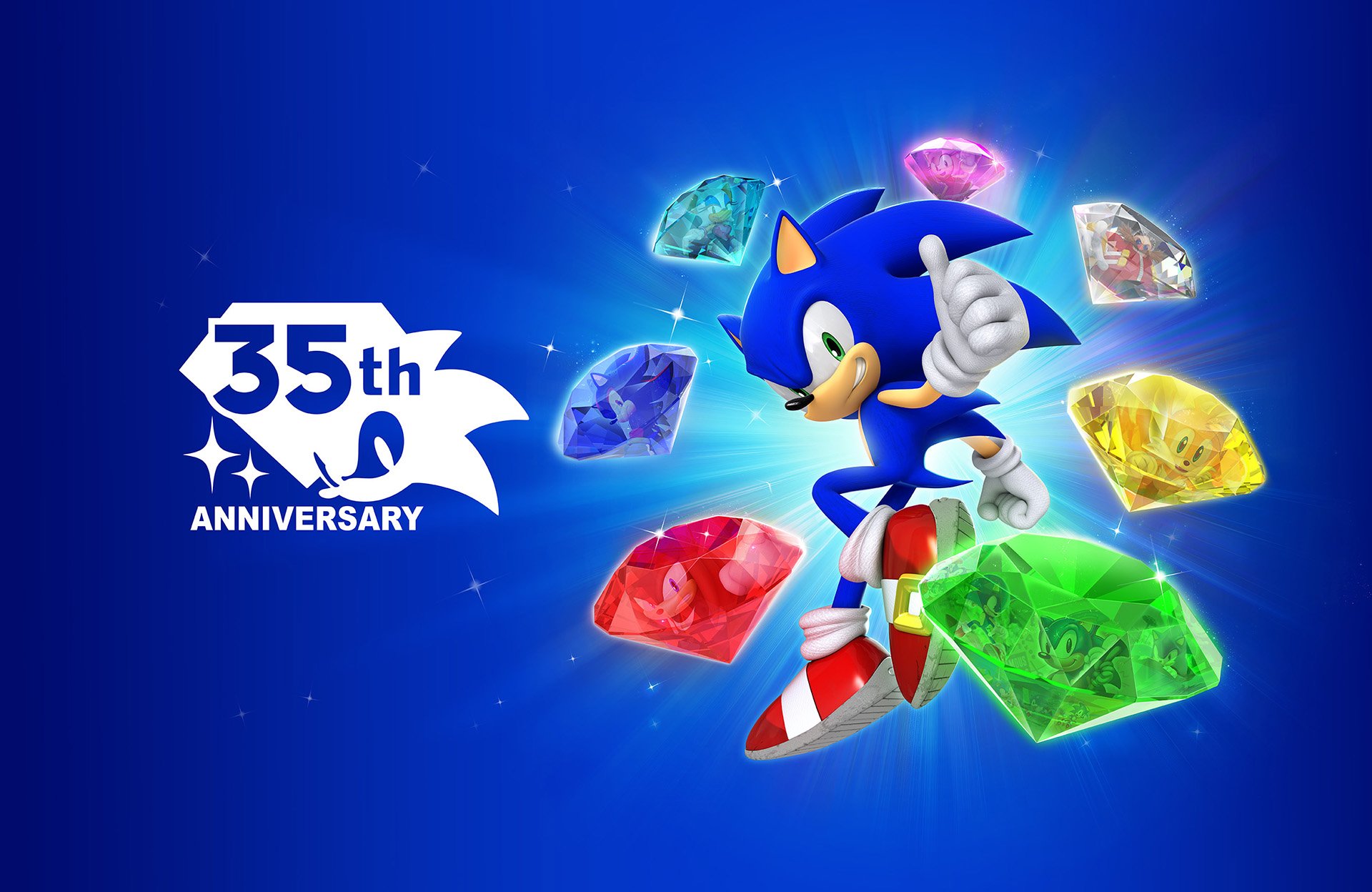
Sonic’s 35th anniversary in 2026 is more than a birthday candle moment. It’s a full-year celebration built around the idea that Sonic is not just a series we play, but a character that has sprinted through multiple generations of memories. SEGA has kicked things off with a new anniversary trailer that leans into the fun of looking back, while still keeping its eyes on what comes next. The announcement also lays out the shape of the year ahead in a way that feels designed for real people with real schedules: digital releases we can enjoy from home, meet-ups and community gatherings where fans can actually talk to each other face-to-face, and a mix of partnerships and limited merchandise for those of us who love collecting a piece of the moment.
What stands out is the variety. We are not locked into one type of celebration, like only merch or only events. Instead, SEGA is pointing to museum pop-ups and art exhibits for fans who love the history and design side of Sonic, live concerts for anyone who still gets goosebumps from a familiar melody, and even a new narrative podcast for people who want Sonic storytelling in a format that fits a commute. SEGA also made it clear that more announcements will roll out over time, which means this is the starting line, not the finish. If you want to keep up without feeling glued to your screen, we can approach it like Sonic would: stay light on our feet, check in occasionally, and enjoy the ride.
Sonic – Thirty-five years of speed and attitude
Turning 35 is a funny milestone for a character whose whole personality is “never stop moving.” Yet that is exactly why it works. Sonic has always been about momentum, and the anniversary gives us a reason to look at how far that momentum has carried him. From the early days where speed felt like a magic trick on a living room screen to the modern era where Sonic shows up in films, animation, music, and more, the core idea has stayed consistent: Sonic is built to feel fast, fearless, and a little cheeky. That blend is why he still lands with fans who grew up on classic stages and fans who first met him through newer games or the big-screen versions. An anniversary year is basically a giant “remember when?” that also doubles as a “look where we are now.” And honestly, that combination hits harder than people expect.

Why 1991 still matters
If we are talking about Sonic’s legacy, we have to start with the year that put him on the map. Sonic’s first big step onto the world stage came in 1991, and that timing matters because it shaped his identity. Sonic was introduced as a character who could stand out in a crowded era, with a design that was instantly recognizable and a vibe that felt like it had its own soundtrack even before you pressed Start. The reason fans still mention 1991 is not just nostalgia. It is because that debut set the tone for everything that followed: speed as a selling point, attitude as a brand signature, and level design that pushed the feeling of movement in a way that was exciting and sometimes a little chaotic. When people say Sonic “defined generations,” this is the starting point they mean.
The original blueprint for “gotta go fast”
The earliest Sonic experience was built around motion as a reward. You were not just moving from left to right. You were building flow, like a skateboard line where the trick is not one jump, but keeping your rhythm across the whole run. That concept became Sonic’s calling card and helped make him feel different from other platform heroes. It also created a unique kind of relationship between player and character. When you were playing well, Sonic looked and felt unstoppable. When you made a mistake, you felt it immediately, usually because rings went flying like you had just dropped your groceries in a parking lot. That risk-and-recovery loop became part of the charm. It is also why fans still talk about the early years as the “blueprint.” It was not just a game. It was a statement about what Sonic should feel like when he is at his best.
The new anniversary trailer: a rewind with purpose
SEGA’s new anniversary trailer is doing something smart: it treats Sonic’s history like a highlight reel, not a museum label. Instead of framing the past as something dusty, it frames it as something energetic, like flipping through a photo album where every page has a theme song. The trailer is there to build excitement, sure, but it also sets the tone for the whole year. This is a celebration that wants fans to remember the big moments, share them, and then show up for what is next. If you have followed Sonic for years, the trailer feels like a nod that says, “Yeah, we remember that part too.” If you are newer, it works like a fast introduction that shows why Sonic has stuck around. Either way, it is a kickoff that makes the anniversary feel active, not passive.
Moments the trailer is built to celebrate
A good anniversary reel is not just about listing entries. It is about capturing feelings. The trailer is clearly aimed at reminding us that Sonic has lived in multiple forms: classic pixel days, bigger modern productions, and the broader media presence that has grown around him. That matters because Sonic fans are rarely a single group with a single shared “best era.” Some people want the classics. Some people love the modern direction. Some people came in through films and then got curious about the games. The trailer tries to respect all of those lanes without getting bogged down in debate. It is basically saying, “Look, this is a big tent, and there is room for your version of Sonic.” That is a strong foundation for a year of celebrations that are meant to bring people together.
How nostalgia works when it is earned
Nostalgia can be cheap when it is used like a shortcut. But when it is earned, it feels like a shared language. Sonic has earned it because he has been present long enough for fans to attach real life moments to him. First console memories. After-school routines. Sleepovers. That one friend who insisted they could beat a tough stage without losing rings, and then immediately proved they were human. An anniversary trailer works best when it taps into those emotional bookmarks while still respecting the fact that fans want forward motion too. That balance is why a “rewind” can actually create momentum. It reminds us why we care, then gives us a reason to pay attention to what is coming. Think of it like stretching before a sprint. You look back for a second so the next run feels better.
SEGA’s 2026 celebration plan: what we know so far
SEGA has outlined a slate of anniversary programs for 2026 that aims to celebrate Sonic’s legacy while bringing fans together. The key word here is variety. Not everyone celebrates the same way, and SEGA’s list reflects that reality. Some fans want digital updates they can enjoy instantly. Others want real-world gatherings where the community feels tangible. Some want collectibles and limited merchandise. Others want cultural moments like exhibits and concerts. The plan also includes a brand-new narrative podcast, which is a notable move because it expands Sonic storytelling into a format that is easy to fit into daily life. SEGA has also said additional partnerships, collectibles, and fan experiences will be revealed over the year, so what we have now is a clear outline of the categories, with more specifics expected to be added as the year moves along.
Digital features that track Sonic’s evolution
Digital celebrations are the simplest way to reach the widest audience, and they are also the easiest way for fans to participate without needing travel plans or a lucky calendar. SEGA has said the anniversary year includes digital content highlighting Sonic’s evolution across decades. That phrasing matters because it suggests we will see Sonic presented as a timeline, not a single snapshot. For fans, this is where the fun lives: comparing eras, noticing design shifts, and seeing how Sonic’s personality stays recognizable even when everything around him changes. Digital drops also tend to spark community discussion quickly, which keeps the celebration feeling alive week to week instead of being a one-day spike. If you want to celebrate casually, this is likely the most accessible lane. You can check in, enjoy what is new, share what you like, and keep moving.
Community spotlights and fan creativity
When a franchise hits a milestone like this, fan creativity becomes the fuel. Art, music, cosplay, speedruns, memes, and thoughtful retrospectives are how communities turn an anniversary into something personal. While the announcement frames digital output in broad terms, the direction is clear: the celebration is meant to be shared, not just consumed. And that is where fans should feel encouraged. You do not need to be a professional artist to participate. Sometimes the most beloved community moments are the simplest ones, like a heartfelt story about the first time you heard a certain theme, or a quick sketch that captures Sonic’s attitude perfectly. If SEGA leans into spotlights and sharing, it can turn the anniversary into a loop where official updates spark fan responses, and fan responses keep the energy high between announcements. That is the kind of cycle that makes a year-long celebration actually feel like a year.
Meet-ups, gatherings, and shared play energy
Fan meet-ups and community gatherings are a different kind of celebration because they turn Sonic from a thing we enjoy alone into a thing we enjoy together. That shift is powerful, especially for a franchise with fans across multiple generations. You might have someone who grew up with early games chatting with someone who first met Sonic through a film, and both are equally valid in the same room. The announcement points to gatherings as part of the anniversary programming, which suggests SEGA understands that the Sonic community is not just online. It is also local and personal. The best gatherings tend to be simple: a place to meet, something to do, and an easy way to feel included. If you have ever walked into a fan event and felt nervous for the first five minutes, you know why this matters. A welcoming vibe turns strangers into friends faster than any marketing ever could.
How to make a meet-up feel welcoming
If we are going to show up to gatherings, we want them to feel friendly, not like an exclusive club with secret handshakes. The best events are the ones where newcomers can walk in and instantly know what to do. Clear signage, simple activities, and a tone that says “you belong here” go a long way. If you are attending, it helps to think like Sonic: move with confidence, but keep it light. Ask someone what their favorite era is. Compliment a cosplay. Share a funny memory about getting flattened by a bad jump and losing every ring. Those small conversations are the real prize. They are also the reason anniversary years matter. They give people permission to connect over something they love, without having to justify why it matters. And if you are the shy type, here is a secret: most fans are just as excited and just as nervous as you are. The difference is who says hello first.
Retail and brand partnerships with limited merch
Limited merchandise is the part of anniversaries that can feel like a candy store window. Exciting, tempting, and slightly dangerous to the wallet. SEGA has confirmed exclusive brand and retail partnerships featuring limited merchandise as part of the anniversary year. That usually means special runs, themed drops, and items designed specifically around the 35th branding. The upside is obvious: collectors get something tied to a specific moment in Sonic history. The downside is also obvious: limited items can create pressure. The healthiest way to approach it is to treat merch like a souvenir, not a mission. If something truly speaks to you, great. If not, you do not need to buy proof that you are a fan. Sonic fandom is not measured in receipts. It is measured in the smile you get when you hear a familiar sound effect and your brain instantly knows what it means.
How to spot the good stuff without stress
When limited merch drops happen, it is easy to get swept up in the rush. The trick is to slow down for a second, which is hilarious advice in a Sonic anniversary year, but it works. Start by deciding what kind of items you actually enjoy owning. Wearable pieces, display items, small collectibles, or practical stuff you will use daily. If you buy something that fits your real life, it will keep making you happy long after the anniversary logo stops trending. Also, keep an eye on official channels and reputable retailers so you do not get pulled into sketchy listings or inflated resale prices. Most importantly, pick a budget and stick to it. A celebration is supposed to feel fun, not like you got spin-dashed by your bank app. The best merch is the kind that makes you grin every time you see it, not the kind that makes you sigh every time you check your balance.
Museum pop-ups and art exhibits
Museum pop-ups and art exhibits might sound unexpected for a blue hedgehog whose main hobby is breaking the sound barrier, but they make perfect sense. Sonic has a visual identity that has evolved across decades, and that evolution is exactly what exhibits are good at showing. Concept art, character designs, promotional materials, and behind-the-scenes history can turn a familiar character into a story about creativity and cultural impact. SEGA has listed museum pop-ups and art exhibits as part of the anniversary program, which suggests an interest in treating Sonic as more than just entertainment. It is also an invitation for fans who love the artistic side of games and media. If you have ever paused a game just to appreciate a background or a character animation, you already understand why this matters. It is the celebration of craft, not just the celebration of nostalgia.
Why Sonic belongs on a gallery wall
Sonic has always been designed to pop. Bold shapes, confident color choices, and a silhouette that is readable even at speed. That kind of design language is exactly what galleries celebrate. An exhibit can show how Sonic’s look changed with technology, trends, and shifting tastes, while still staying unmistakably Sonic. It can also highlight the supporting cast and the worlds around him, which is where a lot of the franchise’s personality lives. For fans, seeing that work displayed in a curated way can be surprisingly emotional. It is like realizing the thing you loved as a kid was also a piece of art the whole time. And for newer fans, it can make the legacy feel real in a different way. You are not just hearing that Sonic matters. You are seeing the proof, framed and lit like it deserves to be.
Live concerts and music celebrations
Sonic music is one of those topics where fans can talk for hours, and nobody gets bored. That is why live concert celebrations are such a strong addition to the anniversary plan. SEGA has listed concerts as part of the year’s programming, and that is exciting because Sonic soundtracks have always carried a lot of the franchise’s personality. Music is also a shortcut to memory. You can hear a melody for three seconds and suddenly you are ten years old again, staring at a screen and trying not to mess up a jump. Concerts turn that private memory into a shared experience. It is the difference between listening alone on headphones and hearing a whole room react to the same moment. If you have never been to a game music event, a Sonic anniversary year is the kind of excuse that feels totally justified.
From Green Hill melodies to modern anthems
The best Sonic music spans moods. Bright and bouncy themes that feel like sunshine. Tense tracks that make your hands sweat because you know a tricky section is coming. Big, bold songs that feel like they belong on a stadium stage. That range is part of why Sonic’s music sticks. A live setting can highlight that variety and remind people that the franchise has always treated sound as a key ingredient, not background noise. It also creates a fun “spot the theme” game for the audience. You hear the first few notes and your brain starts racing ahead, like it is trying to win its own internal speedrun. And yes, it is completely normal to get emotional over a melody you have known for years. Music is a memory machine. Sonic just happens to be one of the fastest memory machines around.
A new narrative podcast
The announcement includes a brand-new narrative podcast, and that might be the most interesting format shift in the whole lineup. A podcast is intimate. It is voice-driven storytelling that lives in your daily routine, not just on a screen. That matters because it expands how Sonic can be experienced. Not everyone has time to sit down and play for long stretches, but many people have time while commuting, walking, cleaning, or just winding down. A narrative format also suggests a focus on story and character in a way that feels different from trailers and social media posts. It is a sign that the anniversary is not only about looking back, but also about experimenting with new ways to tell Sonic stories. If the goal is to bring fans together, a podcast can do that by giving everyone a shared “episode moment” to talk about.
Storytelling without a controller
There is something fun about Sonic working in audio-only form. When you cannot rely on visuals, you lean on pacing, dialogue, sound design, and atmosphere. That can make familiar characters feel fresh, like hearing a friend’s voice in a new setting and noticing details you usually miss. It also invites imagination to do more work, which is part of why audio storytelling can feel so personal. If the podcast lands well, it can become a weekly rhythm that keeps the anniversary energy alive between bigger announcements. It is also a very accessible way to participate. You do not need special hardware. You do not need a free weekend. You just press play and let the story run, like Sonic on a straightaway. And if it hooks you, you will do the most Sonic thing possible: immediately tell someone else to check it out.
Quick checklist for staying in the loop
Anniversary years can get noisy, so a simple approach helps. First, use official hubs when you want the most reliable updates, especially for dates, locations, and announcements. Second, pick one or two social channels you actually enjoy instead of trying to follow everything, because burnout is real and this is supposed to be fun. Third, decide what kind of celebration you care about most: digital drops, events, merch, exhibits, music, or the podcast. That way, you can pay attention when relevant news hits and ignore the rest without guilt. Fourth, if you plan to attend something in person, give yourself a little buffer time so it does not become stressful. Finally, remember that you do not have to do everything to be part of the moment. Sometimes celebrating Sonic is as simple as watching the trailer, sharing a favorite memory, and smiling like you just hit the perfect loop without losing a single ring.
Conclusion
Sonic’s 35th anniversary in 2026 is being set up as a full-year celebration that respects the past while keeping the energy pointed forward. The kickoff trailer is the spark, but the bigger story is the range of experiences SEGA has planned: digital releases, community gatherings, limited merchandise partnerships, museum pop-ups and art exhibits, live concerts, and a narrative podcast that brings Sonic storytelling into everyday life. What makes this exciting is that it gives us multiple ways to participate, whether we want to go all-in or just check in when something catches our eye. The best way to approach the year is to stay curious, stay connected, and keep it fun. Sonic has always been about momentum, and this anniversary looks like a good reason to build some of our own.
FAQs
- What did SEGA announce to kick off Sonic’s 35th anniversary?
- SEGA released a new 35th anniversary trailer and outlined a year-long lineup of celebrations planned across 2026, with more details expected throughout the year.
- What kinds of anniversary activities are confirmed for 2026?
- SEGA has listed digital content, fan meet-ups and community gatherings, limited merchandise partnerships, museum pop-ups and art exhibits, live concert celebrations, and a new narrative podcast.
- Is there an official place to follow updates for the anniversary year?
- Yes. SEGA points fans to the official Sonic the Hedgehog 35th Anniversary website for news, updates, and media tied to the year’s programs.
- Do we know when Sonic’s official 35th anniversary date lands?
- Sonic’s debut year is 1991, which places the 35th anniversary in 2026. The original releases in 1991 are frequently cited in official reporting as the key reference point for the milestone.
- What is the easiest way to take part if we cannot travel to events?
- Digital anniversary drops and the narrative podcast are designed to be accessible from anywhere, making them the simplest way to participate without needing in-person attendance.
Sources
- Sonic the Hedgehog 35th anniversary trailer, Gematsu, January 15, 2026
- Sega announces Sonic 35th anniversary plans to ‘celebrate Sonic’s legacy’, Video Games Chronicle, January 15, 2026
- SEGA Marks 35 Years of Sonic the Hedgehog, The Toy Book, January 16, 2026
- SEGA Celebrates 35 Years of Sonic the Hedgehog, SEGA Prezly, January 16, 2026