














Summary:
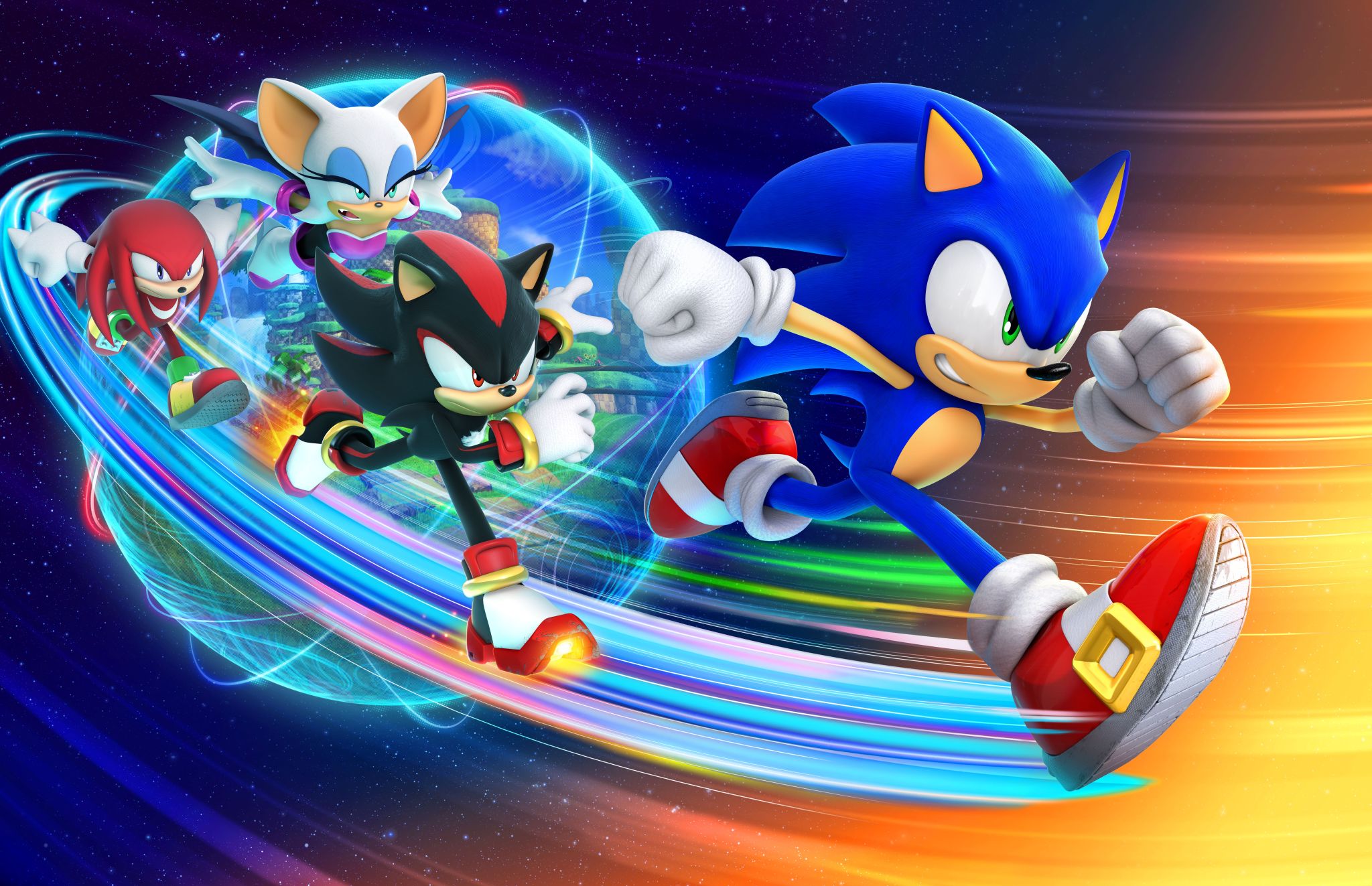
Takashi Iizuka has floated a simple but powerful idea: keep the momentum of The Year of Shadow going by picking a new Sonic character to spotlight each year—ideally in sync with who shows up in the next film. That’s more than a marketing flourish. It’s a roadmap for how SEGA can thread games, movies, events, and merchandise around a character-led theme that feels cohesive instead of chaotic. Shadow’s big moment proved the appetite is there; now the question is how to scale it without wearing fans out. The approach starts with timing—align the reveal cadence with theatrical beats—then widens into playable moments, collaborations, and in-universe storytelling that celebrates a character’s identity. Amy Rose seems like a natural pick given her profile, but Tails, Knuckles, and even left-field favorites could carry a year if the beats are smart: early teasers, a marquee activation, and community-friendly surprises that don’t lock fun behind paywalls. Get it right and you build trust while expanding the universe. Get it wrong and it’s noise. Here’s how an annual spotlight can work, who’s best positioned, and what signs to watch as SEGA sets up the next chapter.
Why yearly character spotlights matter for Sonic
The Sonic brand is living in multiple places at once—consoles, theaters, streams, and live events—so it needs a tidy way to keep everything pointed in the same direction. A yearly spotlight gives that rhythm. One character becomes the anchor for trailers, collabs, and in-game features, making the entire year feel curated rather than scattered. Fans know where the focus sits; creators and partners know what to pitch; retailers know what to stock. Shadow’s recent push showed how a theme can connect remasters, DLC features, and movie beats into one coherent story arc. A repeatable model means less one-off noise and more momentum that carries across seasons. Think of it like a playlist for the franchise: each year has a vibe, a face, and a few headline moments that build toward a satisfying finale. When a universe is this big, clarity is a gift.
What Iizuka actually said and why it’s timely
Takashi Iizuka’s remark is refreshingly concrete: last year was The Year of Shadow, and he’d like to choose a theme annually and spotlight different characters—especially those appearing in the next movie. That framing instantly aligns two powerful engines: Sonic Team’s release planning and Paramount’s theatrical cadence. It also lands at a moment when CrossWorlds and recent releases keep the brand visible while fans speculate about who’s next on the big screen. A character-first theme lets SEGA extend that speculation into playful hints, ARG-style teases, or developer diaries that show how the team interprets a character’s personality across modes and genres. The timing is also practical: movie marketing is a rising tide. If SEGA rides the swell rather than fighting it, the spotlight year feels organic, not forced.
Lessons from the Year of Shadow campaign
Shadow’s moment worked because the team didn’t just throw his face on a poster; they backed it with playable substance, story touchpoints, and collector-friendly beats. Remasters and add-ons gave fans reasons to re-engage without alienating newcomers. Social accounts seeded bite-sized lore and fun art drops that respected his tone. Retailers saw themed capsules that actually felt premium, not just repaints. The big takeaway: a spotlight rises or falls on how well it captures the character’s core. Shadow is intensity wrapped in style; the best activations leaned into that rather than sanding it down. For the next cycle, the lesson is to build a spine—three or four anchor beats across the year—and then lace in smaller surprises that keep the conversation going between tentpoles.
How movie appearances shape the next spotlight
Movies change the temperature of a character overnight. Screen time equals search volume, and search volume fuels demand across everything from plushies to premium statues. If the next film features a character prominently, using them as the annual theme means the game roadmap and retail windows can meet fans exactly where their excitement peaks. That could look like an in-game event that lands near the trailer’s second wave, a character-focused mode or time-limited challenge at premiere week, and a late-year celebration drop that acts like a curtain call. The trick is restraint: keep the spotlight aligned with the film without turning it into a spoiler parade. Tease silhouettes, highlight traits, and celebrate history so even fans avoiding trailers can still enjoy the ride.
Likely candidates: Amy, Tails, Knuckles—and dark horses
Amy Rose is the obvious frontrunner. She has mainstream recognition, a distinct personality, and a visual identity that carries across toys, apparel, and social. She’s also a gameplay wildcard—hammer-driven momentum and supportive utility can fuel solo beats and co-op twists. Tails offers inventor charm and tech-forward storytelling; a year built around gadgets and aerial traversal practically writes itself. Knuckles brings strength and honor, which pairs well with combat modes and outdoor exploration themes. Dark horses like Rouge, Blaze, or Espio could spark niche fireworks with stealth or multiverse angles, while a curveball like Metal Sonic would thrill the speedrunners and lorekeepers. The decision should follow two questions: who’s likely to light up theaters, and who can sustain twelve months of fun without repeating the same trick?
What a yearlong theme looks like across games and media
Start with a reveal window and plant three anchors: a spring teaser, a summer showcase, and a fall crescendo. In games, that might mean a character questline, a curated challenge ladder, and a celebratory mode with leaderboard flair. Across media, pair a short-form animated special with behind-the-scenes chats from Sonic Team that unpack ability design and personality notes. Sprinkle in crossovers—racing cosmetics, themed tracks, or photo mode packs—that make every player feel included. Keep a monthly beat: fan art spotlights, lore threads, and creator collabs that invite reinterpretation. Then end strong with a “Legacy Drop”: a digital museum entry, a free time-limited costume, or a charity bundle that ties the year to something bigger. Make it feel like a party, not homework.
Retail, merch, and events: making the theme tangible
Character-led years thrive in the physical world. Timed capsules at major retailers, con-exclusive variants, and pop-up experiences turn online buzz into real-world memories. For Amy, think maker kits and heart-themed accessories; for Tails, DIY gadget builds and blueprint art; for Knuckles, outdoor collabs and fitness tie-ins. Events should be bite-sized and sharable—photo ops, stamp rallies, limited pins—so fans who can’t reach a big expo still feel included through community packs. Crucially, avoid “FOMO traps.” Offer a baseline path to participate in every region, then layer optional premiums for collectors. When the theme is inclusive, the goodwill lasts long after the shelves clear.
Community pulse: hype cycles, fatigue, and balance
Fans love a theme until it crowds out everything else. The safest path is balance: spotlight the hero without switching off the rest of the cast. Rotating mini-campaigns give side favorites their own moments so the year never feels like a monoculture. Transparent calendars help too; if players know when the next drop lands, they’re less likely to burn out during quieter weeks. Creator ecosystems amplify this effect—challenge routes for speedrunners, cosplay prompts for makers, and lore hunts for archivists. When SEGA listens—tweaking difficulty curves, improving rewards, clarifying timelines—the conversation stays warm instead of spiky. The best sign you’re pacing it right? Fans making their own countdowns, not asking when it’s over.
Risks, trade-offs, and how to avoid overexposure
Overexposure is the obvious risk. Too many tie-ins can make a character feel like a logo, not a person. The antidote is specificity: each activation should express a facet of the character rather than repeating the same pose. Another risk is timeline drift—when movie schedules shift, a tightly planned spotlight can wobble. Build buffers, keep at least one evergreen beat ready, and anchor a few surprises that don’t depend on cinema dates. Finally, watch the grind. If a themed mode leans on repetitive tasks, layer optional objectives that reward mastery rather than time spent. Treat attention like a currency and fans will spend it gladly.
What to watch next: signals before the next announcement
Keep an eye on official interviews, licensed social accounts, and retail SKU leaks that reference themed packaging. Watch for music cues, color palettes, or tagline hints that match a character’s motif. Rating-site entries and collector preorders often move first; use them as smoke signals, not gospel. If dev diaries spotlight a specific ability set—hammer arcs, flight patterns, gliding routes—that’s another tell. And when the reveal hits, measure the plan by three checks: is there a playable hook, does the theme fit the film cadence, and can the broader cast still breathe? If those boxes are ticked, the next spotlight year is set up to land with style.
How the plan could unfold across a calendar year
Picture a January tease that nods to the character’s emblem, followed by a spring update that adds a themed challenge path in a current title. Summer brings the louder beat: a showcase trailer, a crossover reveal in a live game, and a collab with a fan-favorite creator. Autumn turns sentimental with a lore vignette, a charity tie-in, and a limited freebie to welcome newcomers. Winter closes the loop with a reflective wrap-up: screenshots, speedrun spotlights, and a micro-documentary featuring developers talking about design choices. Every step should say something true about the character—how they move, how they care, and why they matter to Sonic’s world—so even players who skip the movie still feel included.
Amy Rose as a case study: heart, agency, and hammer physics
If Amy gets the nod, lean into agency and craft. She’s not just pink; she’s purposeful. Build challenges that reward timing and spacing with her hammer, turning crowd control into a rhythmic dance rather than button mash. Pair that with photo-mode props and maker-friendly assets—stencils, papercraft, printable decals—so the creative side of the community feels seen. Story beats should spotlight empathy without sidelining strength: she can be kind and decisive in the same frame. Done right, an Amy year becomes a celebration of initiative, not just aesthetics, and that message travels well from classrooms to conventions.
Tails and Knuckles: brains and brawn without clichés
A Tails spotlight works when it treats invention as play. Let players tinker—modular gadgets for traversal, puzzle rooms that reward experimentation, and challenge ghosts that showcase clever routes. For Knuckles, resist turning everything into brute force. Emphasize precision climbing, glide management, and arena design that rewards patience under pressure. Complement both with short narrative beats—Tails mentoring, Knuckles protecting—that round them out beyond their catchphrases. The key is texture: give each spotlight a specific gameplay flavor that lingers after the campaign wraps.
Dark horse playbook: Rouge, Blaze, and Metal Sonic
Rouge opens stealth, heist motifs, and fashion-forward partnerships. Blaze brings elemental set-pieces and dignified resolve, ideal for time-trial gauntlets where restraint beats speed. Metal Sonic taps pure performance—time attacks, ghost races, and razor-sharp physics that challenge veterans. These choices delight smaller but passionate niches, so the plan should scale accordingly: focused beats, high skill ceilings, and collector lines that feel like art objects, not leftovers. Pepper in lore drops that connect their arcs to the wider canon to keep the spotlight grounded in the universe rather than as a novelty.
CrossWorlds and live-game tie-ins without paywall pain
Live games are perfect delivery systems for a spotlight if the rewards feel fair. Offer a baseline track that’s earnable through normal play and an advanced track that respects time-poor fans with clear, reasonably priced shortcuts. Cosmetic sets should be expressive and readable in motion; themed tracks or event rules can rotate so nobody feels locked out. If you launch a leaderboard, keep anti-cheat tight and celebrate honest runs with replays and dev commentary. Nothing kills a theme faster than a grind that feels like a bill.
Signals of success: how to know the spotlight is working
Look beyond raw sales. Healthy spotlights generate fan art waves, cosplay builds, and speedrun tournaments that persist after the finale. Social sentiment should show steady warmth rather than sharp spikes and cliffs. Retail sell-through tracks best when drops are staggered across price tiers, not jammed into a single month. In-game metrics should reveal high first-week curiosity followed by a long tail of mastery runs. If you see those patterns, the theme isn’t just loud—it’s loved.
Conclusion
Iizuka’s proposal is a tidy blueprint for a universe that’s bigger than any single release: pick a character, align with the film, and orchestrate a year that actually says something about who they are. Do it with care—authentic beats, fair rewards, and space for the rest of the cast—and each spotlight becomes a celebration, not a campaign. Shadow proved the appetite. The next pick—whether Amy, Tails, Knuckles, or a daring wild card—can prove the model.
FAQs
- Is this an official announcement of the next spotlight?
- No, it’s a stated desire from Takashi Iizuka—clear intent, not a dated reveal. The next theme will depend on film timing and internal plans.
- Does a spotlight mean a dedicated game?
- Not necessarily. Expect a mix of in-game events, updates, collabs, and media beats that add up to a yearlong celebration.
- Who’s most likely next?
- Amy Rose is a strong candidate, with Tails and Knuckles close behind. Final picks will likely align with who features in the next movie.
- Will earlier consoles be included?
- Spotlights typically span multiple touchpoints. Expect broad participation paths so players on different systems can join in.
- How can fans prepare?
- Watch official interviews, retailer listings, and rating-site activity. When teases start sharing motifs tied to one character, you’re close.
Sources
- Sonic Team’s Boss Wants To Put More Sonic Characters In The Spotlight, Nintendo Life, October 19, 2025
- Takashi Iizuka Hints at ‘Year of Amy Rose’ With More Spotlights for Sonic Characters, Sonic Stadium, October 18, 2025
- Sonic Team Boss Says He’d Like to Spotlight Other Sonic Characters Like They Did With Shadow, My Nintendo News, October 18, 2025
- Sonic Team Head Says He’d Like to Spotlight Different Characters Each Year, GoNintendo, October 19, 2025
- Takashi Iizuka Quote via Translation, Genki on X, October 18, 2025