














Summary:
Star Wars: Fate of the Old Republic showed up at The Game Awards 2025 like a cloaked figure in a cantina doorway – unexpected, instantly interesting, and guaranteed to get people whispering. The reveal alone was enough to spark big reactions, but the real gasoline hit the fire right after, when chatter spread that we might not see the game until 2030 or later. That kind of timeline talk tends to snowball fast, especially when a project is described as being in early development. It’s the gaming version of hearing “we just started remodeling” and immediately assuming the house will be finished sometime after the next solar eclipse.
Then the director, Casey Hudson, stepped in with a blunt message on X: don’t worry about the “not till 2030” rumors, the game will be out before then, and he joked that he’s not getting any younger. It’s a simple line, but it matters because it draws a clear boundary around the wildest speculation without pretending we suddenly have a firm launch date. We still do not have platforms, a release window, or a detailed gameplay breakdown from the team. What we do have is an official framing: a narrative-driven, single-player action RPG made by Arcanaut Studios in collaboration with Lucasfilm Games, set at the end of the Old Republic with player choice tied to the pull between light and darkness. Put it together and we have a clearer picture of what this project is, plus one important correction to the timeline panic.
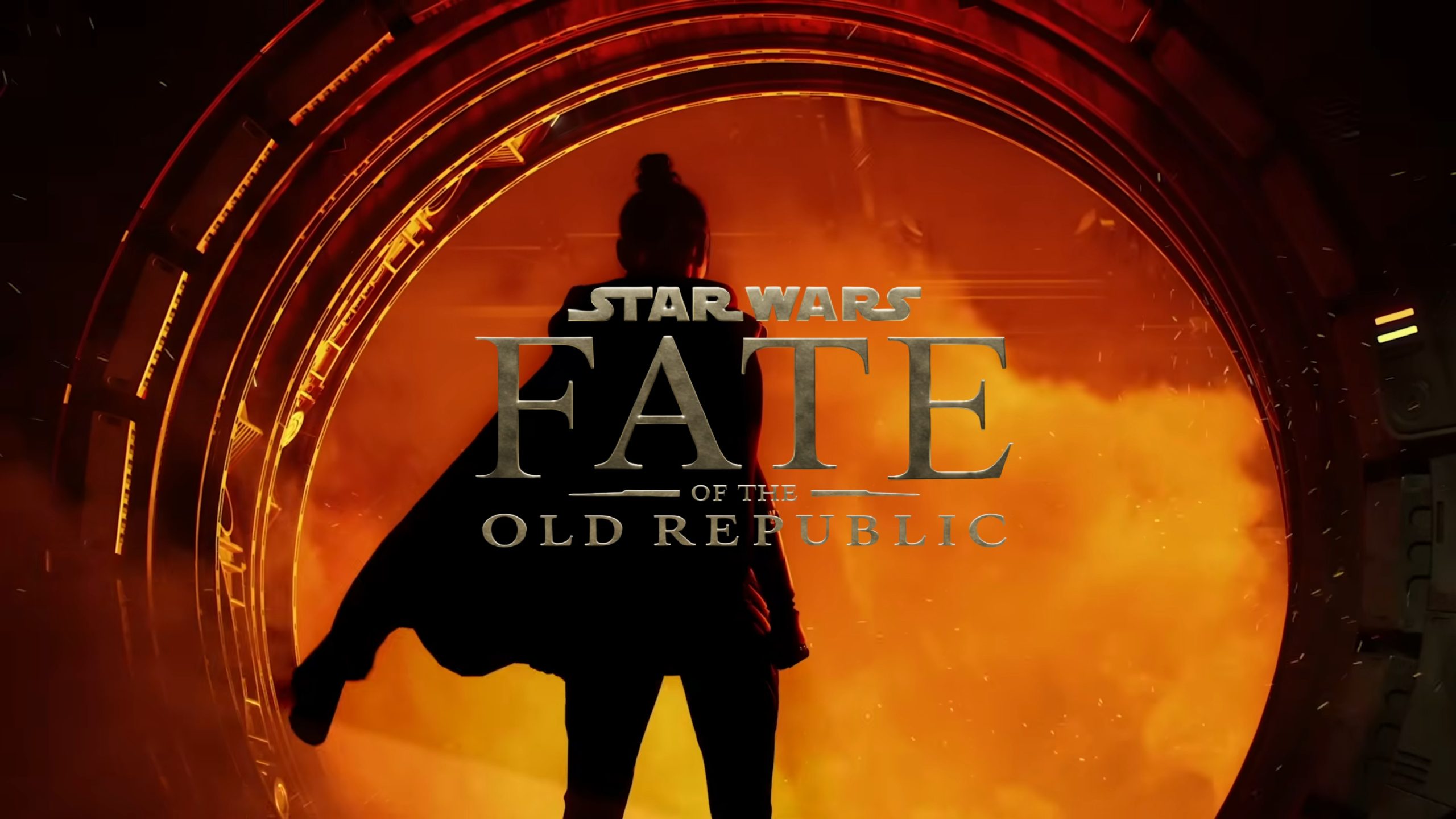
The Star Wars: Fate of the Old Republic reveal at The Game Awards 2025
We didn’t just get a new Star Wars reveal at The Game Awards 2025 – we got the kind that makes you sit up straight because it feels aimed at people who miss big, choice-driven adventures. Star Wars: Fate of the Old Republic was introduced as a narrative-driven, single-player action RPG, and that description alone carries a certain promise. It suggests character decisions, story consequences, and a journey that wants you to feel like you’re steering the ship instead of watching it fly by on autopilot. The timing of the announcement also did its job perfectly: the show is built for fast, loud moments, and this one landed because it felt like a new door opening, not a sequel marching through a predictable hallway. If you’re the kind of fan who hears “Old Republic” and immediately tastes nostalgia, you probably weren’t alone.

What’s officially confirmed so far
We can’t pretend we have a mountain of concrete details yet, because we don’t. What we do have is the official framing from Lucasfilm’s side, plus clear statements about the team and the intended experience. That matters, because early reactions often fill gaps with wishful thinking, and Star Wars fans have a talent for turning a single crumb into a full buffet. The safest approach is to anchor ourselves to what’s been explicitly said: this is a new single-player action RPG built around narrative, it’s being developed by Arcanaut Studios in collaboration with Lucasfilm Games, and it is still in early development. That combination tells us the vision is set, while the specifics are still being assembled piece by piece like a lightsaber on a workbench.
The era and the vibe at the end of the Old Republic
We know Fate of the Old Republic is set “at the end of the Old Republic,” and that’s not just a trivia note – it’s a tone setter. End-of-an-era stories naturally come with tension: institutions wobble, power shifts, and people start making desperate choices because the ground is moving under their feet. It’s the perfect backdrop for a Force user story, because the Force is basically a magnet for moral pressure. Put a character in a galaxy “on the edge of rebirth,” and suddenly every decision feels heavier, like you’re choosing what survives the fire and what gets left behind in the smoke. The best part is that this era gives the team space to create new characters and conflicts without needing to tiptoe around the main saga’s familiar milestones.
The kind of experience Arcanaut and Lucasfilm Games are aiming for
The clearest signal so far is the intent: innovative storytelling, memorable characters, and combat that aims to be intense rather than sleepy. We also have direct language about player agency and immersion being central to the vision, which is a fancy way of saying your choices should matter and your journey should feel personal. That’s the dream, anyway, and it’s the reason people are already drawing lines back to older fan-favorite RPG feelings. Still, it’s worth remembering that “aiming for” and “shipping with” are not the same thing. Right now, we can treat this as a mission statement: a cinematic Star Wars adventure where the story is not just something we watch, it’s something we shape with our decisions and our temperament.
How Light and Dark choices might shape the journey
We’ve been told that decisions deepen the journey toward the light – or the darkness – and that phrasing is interesting because it implies momentum. It doesn’t sound like a single switch you flip once and never touch again. It sounds more like a slope you keep walking, where small choices add up until you look back and realize how far you’ve drifted. That’s a strong fit for Star Wars, because the franchise has always treated temptation and conviction like living forces, not static labels. If the team leans into that idea, we could see a system where your actions affect relationships, the way factions respond to you, and even the kinds of solutions you notice in tense moments. The important part is the promise of consequence, not the exact menu of options, because that menu simply hasn’t been shown yet.
Where the “not till 2030” chatter came from
When a game is announced as “early,” people immediately try to guess the calendar, and those guesses can get dramatic fast. The logic is simple: big RPGs take years, new studios take time to staff up, and Star Wars expectations come with a heavy backpack of polish and scale. So the rumor mill did what it always does – it filled the empty space with the longest possible timeline, because pessimism feels safer than getting your hopes up. Add a few public comments from industry voices pointing out that a far-off release wouldn’t be shocking, and suddenly the number “2030” starts bouncing around like it’s printed on the box. The problem is that repetition can make speculation sound like confirmation, and the internet rarely pauses to check the difference.
Casey Hudson’s X post and what it really does
Casey Hudson’s response is short, but it’s not vague in the one way that matters: he directly dismisses the “not till 2030” rumor and says the game will be out before then, adding the human joke that he’s not getting any younger. That’s not a release date, but it is a boundary. It tells us the team does not see 2030 as the expectation they want hanging over the project, and it suggests the director believes the timeline is more reasonable than the loudest pessimistic takes. The tone also matters. It reads like someone swatting away a runaway narrative, not someone delivering a carefully staged marketing beat. In other words, it’s a correction, not a countdown clock.
Why “before 2030” is reassurance, not a release date
“Before 2030” narrows the conversation without pinning the team to a specific month, quarter, or year. That’s exactly why it works as reassurance. If Hudson had named a year, every future update would be measured against it, and every delay would become a headline. By choosing a broader line, he calms the loudest worry – “this is a next-decade problem” – without creating a new promise the team might regret later. It’s like telling your friends you’ll arrive tonight, not next week, while still refusing to guess the exact minute you’ll walk through the door. We can take it seriously as intent, but we shouldn’t twist it into a guarantee that the finish line is right around the corner.
The difference between calm confidence and a hard promise
There’s a subtle but important distinction here: Hudson is confident enough to reject the 2030 framing, yet careful enough not to lock in a detailed schedule. That’s the sweet spot for early messaging, because early production is full of moving targets. Teams iterate, prototypes get rebuilt, and “this should take two months” can turn into “this ate half a year” before you’ve finished your first coffee. The healthiest way to read the post is as a temperature check. The director is saying, “we’re not planning to be gone that long,” not “circle this date in red ink.” If you’ve ever watched a big project evolve, you know why that distinction exists: timelines are plans, and plans survive by staying flexible.
Arcanaut Studios: a new team with veteran leadership
Arcanaut Studios being a newer studio is part of why the timeline debate even started, but “new studio” doesn’t automatically mean “rookie team.” The key detail is leadership and experience, and Hudson’s history is the reason people are paying attention in the first place. A studio can be newly formed on paper while still being filled with people who’ve shipped major games before. That doesn’t erase the real challenges of building pipelines, hiring at scale, and aligning a creative vision across a growing team, but it does make the “this will take forever” assumption less automatic. Think of it like opening a new restaurant: a new sign on the door doesn’t matter nearly as much as who’s in the kitchen and whether they’ve run a service on a busy Saturday night.
“Early development” and why those two words matter
“Early development” can mean a lot of things, which is why it tends to scare people. It might mean the team is still exploring the core loop, building prototypes, and figuring out what feels fun minute to minute. It might mean story pillars are set, but the big production machine is still warming up. It can also mean the team is actively staffing and shaping workflows, which is especially relevant for a studio still growing. The important takeaway is that early phases are where direction gets locked, and changing direction later is expensive. So when we hear “early,” we should picture a workshop full of sketches, test builds, and hard conversations about what to cut so the final game doesn’t collapse under its own ambition. That’s not doom – it’s normal.
What we can realistically expect next
We shouldn’t expect a sudden flood of details, because teams usually keep quiet while they’re building the foundation. The next meaningful beats are likely to be small but telling: a developer update that clarifies the project’s pillars, a behind-the-scenes snippet that shows tone and concept art, or a more direct explanation of what “action RPG” means in their hands. If the reveal trailer was the spark, the next phase is usually about proving the flame is real – showing the game has a clear identity beyond a logo and a mood. We can also expect hiring and studio growth to continue being part of the story, even if it’s not glamorous. Big games are built by big teams, and you can’t rush that without paying for it later.
What fans should keep an eye on in the months ahead
If you want to track real signals without spiraling into rumor soup, focus on the boring but reliable stuff. Watch for official updates from Arcanaut and Lucasfilm Games that add specificity: confirmations about platforms, a clearer definition of the combat style, or hints about how choice systems will work. Pay attention to language changes too. When teams move from “we’re excited” to “here’s what you’ll do,” that often means they’ve locked key decisions internally. Also, notice what they don’t say. Silence on platforms, for example, usually means those conversations are still being finalized, not that something is secretly canceled. The trick is patience, even when the hype gremlin on your shoulder keeps whispering, “Refresh one more time.”
Why the Old Republic era still has gravity
The Old Republic has staying power because it gives Star Wars room to breathe. It’s familiar enough to feel like Star Wars – the Force, ancient conflicts, big philosophical stakes – but distant enough from the main saga that writers can introduce new heroes and villains without constantly bumping into movie continuity. An end-of-era setting also invites stories about collapse and rebirth, which is classic myth territory. You get the feeling of history turning, like a giant wheel grinding forward and throwing sparks. For an RPG, that’s gold, because players love feeling like their choices matter in a world that’s changing. If Fate of the Old Republic nails that tone, it won’t need to borrow emotional weight from older characters. It can earn its own.
Keeping hype healthy without inventing details
We can be excited and still keep our feet on the ground – those two things aren’t enemies. The reveal and Hudson’s message give us permission to calm down about the bleakest timeline talk, but they do not give us permission to start writing fanfiction and calling it fact. There is no release date, no confirmed platform list, and no gameplay demo yet. That’s okay. In a way, it’s better than pretending the game is further along than it is, because nothing kills excitement faster than watching a project stumble under unrealistic expectations. The best move is to treat this moment like the opening crawl: we’ve been introduced to the premise, we’ve seen the first hint of tone, and now we wait for the real scenes to start.
Conclusion
We got a surprising Old Republic return at The Game Awards 2025, and the immediate “2030 or later” panic didn’t last long once Casey Hudson stepped in. His message is straightforward: don’t buy the idea that this is a next-decade wait, because the team expects it to arrive before 2030. That’s meaningful reassurance, even if it doesn’t magically produce a release window. What we can responsibly say right now is simple: Fate of the Old Republic is a narrative-driven, single-player action RPG, it’s being built by Arcanaut Studios in collaboration with Lucasfilm Games, it’s set at the end of the Old Republic, and it’s early. The hype is real, but the details are still being forged. Until the team shows more, the smartest way to stay excited is to stay anchored – enjoy the reveal, trust the correction, and let the project become itself before we demand it be everything at once.
FAQs
- Did Casey Hudson confirm Star Wars: Fate of the Old Republic releases before 2030?
- Yes. He responded to the rumor on X, saying the game will be out before 2030 and joked that he’s not getting any younger.
- Is there an official release date or release window yet?
- No. There is no confirmed release date or release window at this time, only the reassurance that it’s expected before 2030.
- What kind of game is Fate of the Old Republic?
- It’s described as a narrative-driven, single-player action RPG with player choice tied to the pull between light and darkness.
- Who is developing Star Wars: Fate of the Old Republic?
- The game is being developed by Arcanaut Studios in collaboration with Lucasfilm Games, with Casey Hudson leading the project.
- What’s the setting for Fate of the Old Republic?
- It’s set at the end of the Old Republic, framing the story around a galaxy on the edge of rebirth and major change.
Sources
- Star Wars: Fate of the Old Republic Revealed with First Trailer – Exclusive Interview, StarWars.com, December 12, 2025
- Star Wars Fate Of The Old Republic Director Says The Game Will Launch Within The Next 1,477 Days, GameSpot, December 15, 2025
- Fate of the Old Republic director promises release before 2030 even though studio was only recently formed: ‘I’m not getting any younger’, PC Gamer, December 13, 2025
- Star Wars: Fate of the Old Republic director Casey Hudson promises release date before 2030 – “I’m not getting any younger!”, Windows Central, December 13, 2025
- Don’t worry about the “not till 2030” rumors. Game will be out before then. I’m not getting any younger!, X, December 13, 2025