














Summary:
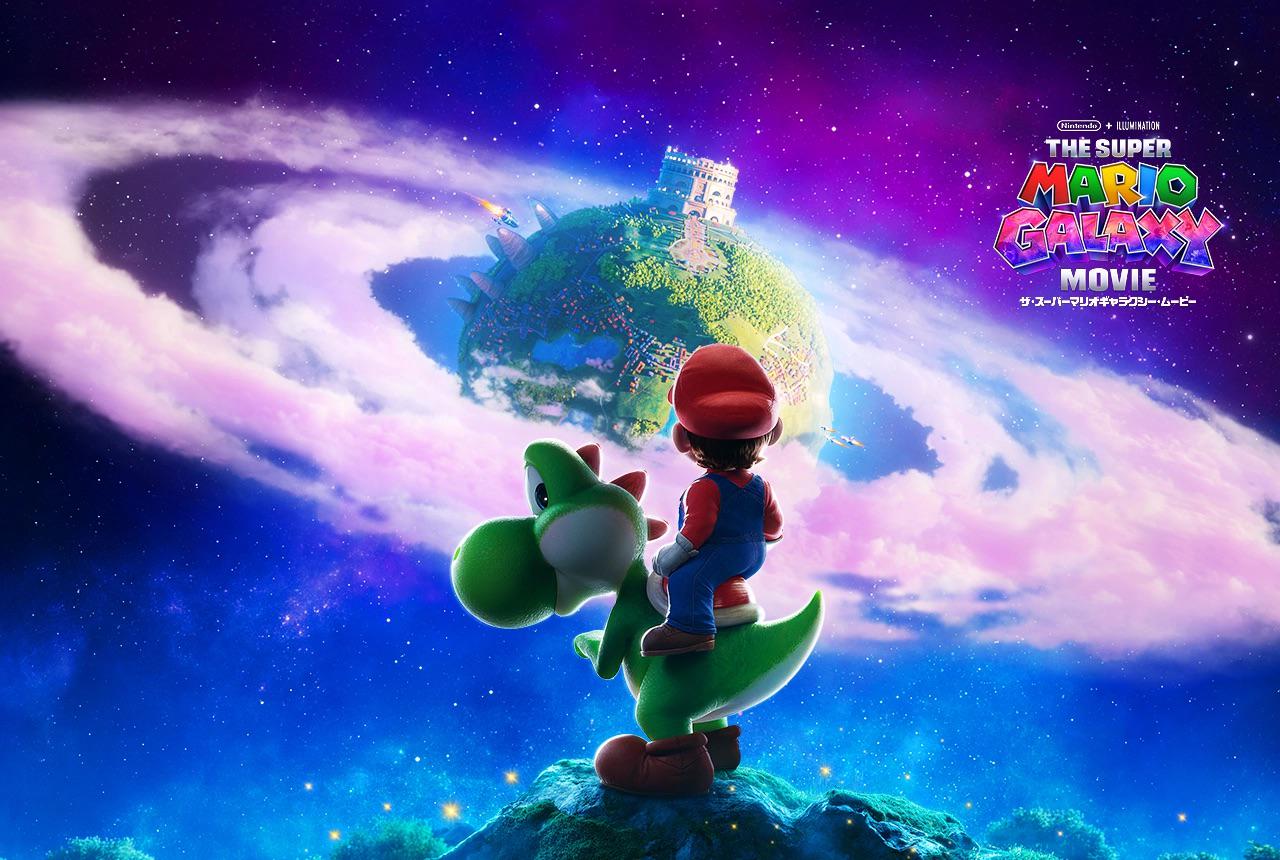
A UK cinema chain briefly posted a description for The Super Mario Galaxy Movie that sent fans into full detective mode, because it appeared to name-drop a character Nintendo and Illumination have not officially highlighted yet: Wario. The wording that circulated described Mario facing an “evil alliance” involving Wario and Bowser Jr, with Mario teaming up alongside friends and Yoshi to stop a world-domination plan. Not long after, the specific phrasing was reportedly removed, which only poured gasoline on the curiosity. When something disappears that quickly, it feels like someone tripped a wire behind the scenes, even if the change was just a routine edit.
Here’s the important part: the existence of a removed synopsis is not the same thing as an official reveal. It’s a clue, not a trailer, and it lives in that messy space where marketing plans, third-party listings, and human error can collide. Still, the idea of Wario showing up makes sense on a gut level. He’s one of Mario’s most recognizable rivals, he brings a very different flavor than Bowser, and he’s the kind of character you save for a moment you want the audience to cheer, laugh, and go, “Oh no, not this guy.” Whether the listing was accurate or mistaken, it sparked a useful conversation about what’s confirmed, what’s rumored, and how we can keep the excitement without pretending a leak is gospel.
Wario will be in the Super Mario Galaxy movie
The spark came from a film listing attributed to UK-based cinema chain Everyman, where a plot description circulated online and was widely reported before the specific phrasing was said to be removed. That kind of leak feels almost silly in the moment, like someone left a door unlocked and the internet sprinted through it with muddy shoes. But it happens more than people think because cinemas, ticketing platforms, and promotional partners often receive placeholder text or early copy to prep their pages. One paste, one publish, one refresh later, and suddenly everyone is arguing about villains over their lunch break. The key detail is that the removal became part of the story too, because it suggested the wording wasn’t meant to be public yet, or at least not in that form. When a description changes after people start sharing screenshots, the internet treats it like a confession, even though it can also be a simple correction.
What the removed synopsis claimed
The reported synopsis described a setup where Mario, after defeating Bowser and saving Brooklyn, faces an evil alliance involving Wario and Bowser Jr, and must stop their plans for world domination alongside friends and Yoshi. That’s the line that made people do a double take, because it doesn’t just hint at a cameo. It frames Wario as part of the central problem. It also paints Bowser Jr as more than a side threat, because “alliance” implies coordination, strategy, and maybe even a weird little buddy-cop dynamic between two villains who do not exactly scream “stable partnership.” The phrasing reads like marketing copy meant to be clear and punchy, the sort of blurb you’d expect on a ticketing page to tell casual moviegoers what they’re buying. At the same time, it’s exactly the sort of text that can be inaccurate if it’s drafted early, paraphrased from internal notes, or written by someone who only has partial details.
Why Wario is such a big deal
Wario isn’t just another name on a character sheet. He’s a loud, chaotic mirror held up to Mario, like someone took the hero template, smudged it with grease, and added a laugh you can hear from three rooms away. In the games, he’s been a villain, a rival, an opportunist, and sometimes that odd guy who shows up when there’s money to be made and dignity to be lost. Bringing him into a movie sequel is a big move because he changes the tone without needing a complicated explanation. You see Wario and you instantly understand the problem: he’s unpredictable, he’s selfish, and he’s going to make everything messier. That’s also why fans reacted so hard to the leak talk. Wario is one of those characters people have wanted on the big screen for years, because he’s iconic enough to feel inevitable, but weird enough to feel like a treat when he finally appears.
Wario as a villain versus Wario as a wildcard
If Wario is truly positioned as a villain alongside Bowser Jr, it suggests a story that leans into greed, ego, and chaos rather than pure conquest. Bowser’s brand is big, loud domination, the classic “I’m taking over” energy. Wario’s brand is “How do I profit from this, and can I also annoy Mario while I’m at it?” Put them together and you get a tension that can be funny and genuinely threatening at the same time. The fun part is that Wario doesn’t need to be the mastermind to be dangerous. He can be a wrecking ball in the middle of someone else’s plan, the guy who turns a clean scheme into a disaster zone. That kind of character is perfect for set pieces, because he gives writers permission to be surprising. One minute he’s helping, the next minute he’s betraying, and you’re laughing while also thinking, “Wait, did he just do something terrifying?”
Bowser Jr’s role and why an alliance changes the vibe
Even without the Wario chatter, Bowser Jr is already a meaningful escalation. He brings a different kind of threat than Bowser because he’s smaller, scrappier, and more likely to act on impulse, which can make him scarier in a “this kid might actually press the button” way. An alliance, if that’s truly the direction, suggests Bowser Jr isn’t acting alone or purely emotionally. It implies planning and recruitment, which is a shift from the simple “save Dad” or “prove myself” motivation people often expect. It also sets up a dynamic where Bowser Jr could be the connector between worlds, bridging classic Koopa trouble with outsider chaos like Wario. If you want a sequel to feel bigger without repeating the first movie beat-for-beat, pairing villains is a clean solution. It gives the heroes a tougher puzzle and gives the story room for betrayals, ego clashes, and unexpected teamwork on both sides.
When two villains team up, someone always wants to be the boss
Let’s be real: villain teamwork is like two cats trying to share one sunny windowsill. It can happen, but someone’s tail is getting stepped on. If the movie plays with that idea, the alliance could be unstable, which is great for drama and comedy. Bowser Jr might want control because it’s his mission, his legacy, his moment. Wario might not care about legacy at all, only the payoff and the bragging rights. That mismatch is storytelling gold because it creates conflict without needing extra characters. You can also use that friction to give Mario and friends openings to exploit, because heroes often win by understanding what villains can’t handle: trust, patience, and not yelling “WAAH” in the middle of a stealth plan. If the alliance is real, it practically writes its own problem-solving moments.
What “evil alliance” hints about the scale of the threat
The phrase “evil alliance” is doing heavy lifting. It implies coordination, shared goals, and a threat bigger than a single villain’s tantrum. It also hints that the plan might span multiple locations or worlds, because “world domination” language is the kind of broad-strokes promise that sets up travel, escalation, and spectacle. That matters for a Galaxy-themed sequel, because the expectation is bigger environments and more variety than a grounded city-to-Mushroom-Kingdom run. If the story leans cosmic, an alliance gives the villains a reason to reach farther, gather resources, and cause chaos across different places. It’s like upgrading from a neighborhood storm to a full weather system. One villain can be a punchy problem. Two villains coordinating feels like a campaign, and that makes the heroes’ journey feel more urgent.
Where this fits after Brooklyn
The reported synopsis references Mario having already defeated Bowser and saved Brooklyn, which positions the sequel as a continuation that assumes audiences remember the stakes and the win from before. That’s useful because it frees up time for new conflicts rather than reintroducing everyone from scratch. It also sets up a natural question: what does “normal” look like now for Mario and friends? Sequels work best when the victory creates new problems, like closing one door but accidentally opening a window. If Mario’s world is more connected now, it makes sense that new threats could emerge from different corners, including rivals like Wario who might see opportunity in the aftermath. It also makes sense that the heroes would be a bit more confident, which is exactly when a story likes to humble them. A fresh villain combo is a classic way to do that without feeling repetitive.
Yoshi’s presence and why it matters for the team dynamic
Yoshi being referenced in the circulated wording stood out because it suggests the sequel is leaning into that classic “party of heroes” feeling, where teamwork becomes the engine of the action. Yoshi also brings a different kind of energy than the main cast because he’s expressive, physical, and perfect for visual comedy, even when he’s doing something heroic. If the movie is aiming for bigger set pieces, Yoshi is the kind of character who can elevate chase scenes, rescue moments, and group problem-solving in a way that feels playful instead of grim. And if the villains are an alliance, the heroes being an actual team becomes thematically satisfying. It’s the old contrast: villains cooperate for selfish reasons, heroes cooperate because they actually care about each other. It’s cheesy in the best way, like comfort food that still hits when you’re hungry.
What we know for sure about the movie’s release timing
The release date is one of the cleanest facts in this whole situation: The Super Mario Galaxy Movie is scheduled to hit theaters on April 1, 2026, and that date is reflected by official movie branding and widely reported entertainment coverage. Release timing matters here because it shapes how likely it is that marketing reveals, trailers, and character spotlights are already locked behind the curtain. When a movie is this close, partners like cinemas are building pages, ticketing infrastructure, and promotional assets, which is exactly when accidental copy can slip out. So even if you treat the Wario mention as unconfirmed, the broader context still explains why a listing leak is plausible at this stage. The closer a release gets, the more hands touch the materials. And the more hands touch the materials, the more chances someone accidentally hits publish.
How a cinema listing leak can happen
People imagine leaks as dramatic hacks or secret insiders whispering into burner phones, but sometimes it’s just someone doing their job with imperfect inputs. Cinema listings are often populated with text pulled from distributor feeds, internal databases, or marketing packets that may include draft copy. Sometimes that copy is accurate but timed for later. Sometimes it’s a placeholder written to be replaced once final materials arrive. And sometimes it’s a paraphrase of a paraphrase, the storytelling equivalent of a game of telephone where one wrong word changes everything. A site update can also be automated, which means text can appear briefly before being corrected. That doesn’t make it malicious, but it does make it messy. In other words, a listing leak can be real, wrong, or real-but-not-final, and those options look the same when you’re staring at a screenshot on social media.
Why removals make rumors feel “confirmed” even when they aren’t
When something gets removed, our brains love to turn it into a movie moment: “They’re trying to hide it!” Sometimes that’s true, but sometimes it’s just quality control. If a cinema notices that a synopsis includes details they weren’t meant to share, they’ll change it. If a distributor tells partners to update copy, they’ll update it. If someone spots a typo or a naming error, they’ll fix it. Any of those reasons can produce the same outcome: the spicy text disappears. The internet tends to treat the disappearance as proof the juicy part was correct, because it feels like a cover-up. The reality is more boring and more complicated. Removal proves that the text was there and then wasn’t. It doesn’t, by itself, prove that the text perfectly matches the finished movie.
What this could mean for trailers and reveals
If Wario is truly part of the movie, the bigger question becomes timing: when would we normally expect that reveal to happen? Big character moments are marketing fuel, and studios tend to pace them like a playlist. You start with the safest hook, you build familiarity, then you drop the crowd-pleaser when attention starts to drift. Wario is the kind of character that can headline a trailer beat all by himself, because his laugh, his silhouette, and his attitude are instantly recognizable. That makes him valuable. It also means marketing might have wanted to keep him under wraps until a particular moment, like a later trailer, a poster series, or a talk-show clip. A listing leak can disrupt that pacing, but it can also force a pivot. Sometimes studios lean in and reveal the character sooner to regain control of the conversation. Other times they ignore it and keep the original plan, betting that most people never saw the leak anyway.
The “surprise character” strategy and why it works
Surprises work because they create a shared moment. You want people texting friends, posting reaction clips, and replaying a trailer frame-by-frame like it’s a sporting event. Wario is perfect for that because he’s iconic and ridiculous in equal measure. He’s the guy who can turn a tense scene into a punchline without undermining the stakes, because his whole vibe is “I’m a problem and I’m enjoying it.” If marketing is holding surprises, it’s usually because those surprises create free attention. The downside is that third-party pages can accidentally spoil the rhythm. So if the Wario mention was accurate, it’s not hard to see why it would be treated as sensitive, even if it’s not a plot twist in the traditional sense.
Why fans are split between hype and side-eye
The reaction to this kind of leak always splits into two camps, and both camps have a point. The hype camp sees Wario and instantly imagines the fun: the voice, the expressions, the rival energy, the chaos. They’re already writing scenes in their heads, and honestly, that’s part of the joy of being a fan. The side-eye camp looks at the source of the information and says, “Hold on. A cinema blurb isn’t the same as a studio announcement.” That’s also fair, because early copy can be wrong, incomplete, or simplified. The healthiest way to engage with it is to enjoy the possibility while keeping your feet on the ground. Treat it like smelling something delicious from the kitchen. You can get excited, but you don’t claim you’ve eaten dinner until the plate hits the table.
How to enjoy the buzz without spoiling your own experience
If you want to stay unspoiled, it’s okay to step back from screenshot threads and speculative breakdowns. The internet can turn one sentence into a thousand theories, and that can drain the fun out of the actual reveal. If you don’t mind knowing possibilities, focus on what’s being reported versus what’s confirmed, and keep those buckets separate in your head. Think of it like weather apps: a forecast can be useful, but it’s not the sky. The movie itself will still have the real pacing, the real jokes, and the real emotional beats, regardless of what a listing once said. And if the listing turns out to be wrong, you’ll be glad you didn’t build your whole expectation around it. Either way, the win is keeping the excitement intact instead of turning it into an argument that lasts longer than the trailer.
Conclusion
The Everyman listing situation is a perfect example of how modern hype works: a few lines of text appear, people screenshot them, the wording changes, and suddenly the conversation feels bigger than any official teaser. The reported synopsis that mentioned Wario and Bowser Jr as an “evil alliance” is a juicy detail, but it still sits in the category of reported listing text rather than a studio-led reveal. The safest stance is simple: the release date and the fact that the sequel is coming are solid, while the Wario angle remains unconfirmed by Nintendo and Illumination in the reporting that sparked the buzz. If Wario is truly in the movie, it’s an exciting addition that could give the sequel a fresh, chaotic edge. If it’s not accurate, it’s still a reminder that third-party listings can be sloppy and that not every leak deserves the crown. Either way, April 1, 2026 isn’t far off, and the official marketing will eventually put the guesswork to bed.
FAQs
- Did Nintendo officially confirm Wario for The Super Mario Galaxy Movie?
- Reports about Wario came from a circulated cinema listing description, and coverage noted it was not presented as an official Nintendo or Illumination announcement in those reports.
- What did the leaked listing claim about the villains?
- The reported wording described Mario facing an “evil alliance” involving Wario and Bowser Jr, with Mario and friends, including Yoshi, trying to stop their world-domination plan.
- Why would a cinema website have plot details early?
- Cinemas often publish pages using distributor feeds or early marketing copy, and mistakes can happen when draft text is uploaded or updated at the wrong time.
- Is the April 1, 2026 release date confirmed?
- Yes. The April 1, 2026 date is reflected by official movie branding and has been widely reported by major entertainment outlets.
- How should we treat this kind of leak?
- Enjoy it as a possibility, but keep it separate from confirmed details. Listing text can be accurate, mistaken, or outdated, and the official trailers and studio updates are the best place for final answers.
Sources
- The Super Mario Galaxy Movie | In Theaters April 1, 2026, Official Movie Site, 2026
- The Super Mario Galaxy Movie plot may have just been spoiled by a cinema chain, possibly revealing the sequel’s true antagonist, GamesRadar+, February 23, 2026
- Waaaa! A new Super Mario Galaxy Movie leak has spoiled a major character reveal, TechRadar, February 23, 2026
- A cinema listing may have accidentally revealed a major Super Mario Galaxy Movie character, Video Games Chronicle, February 24, 2026
- Super Mario Galaxy Movie Description Straight Up Spoils An Unannounced Character, Nintendo Life, February 23, 2026