














Summary:
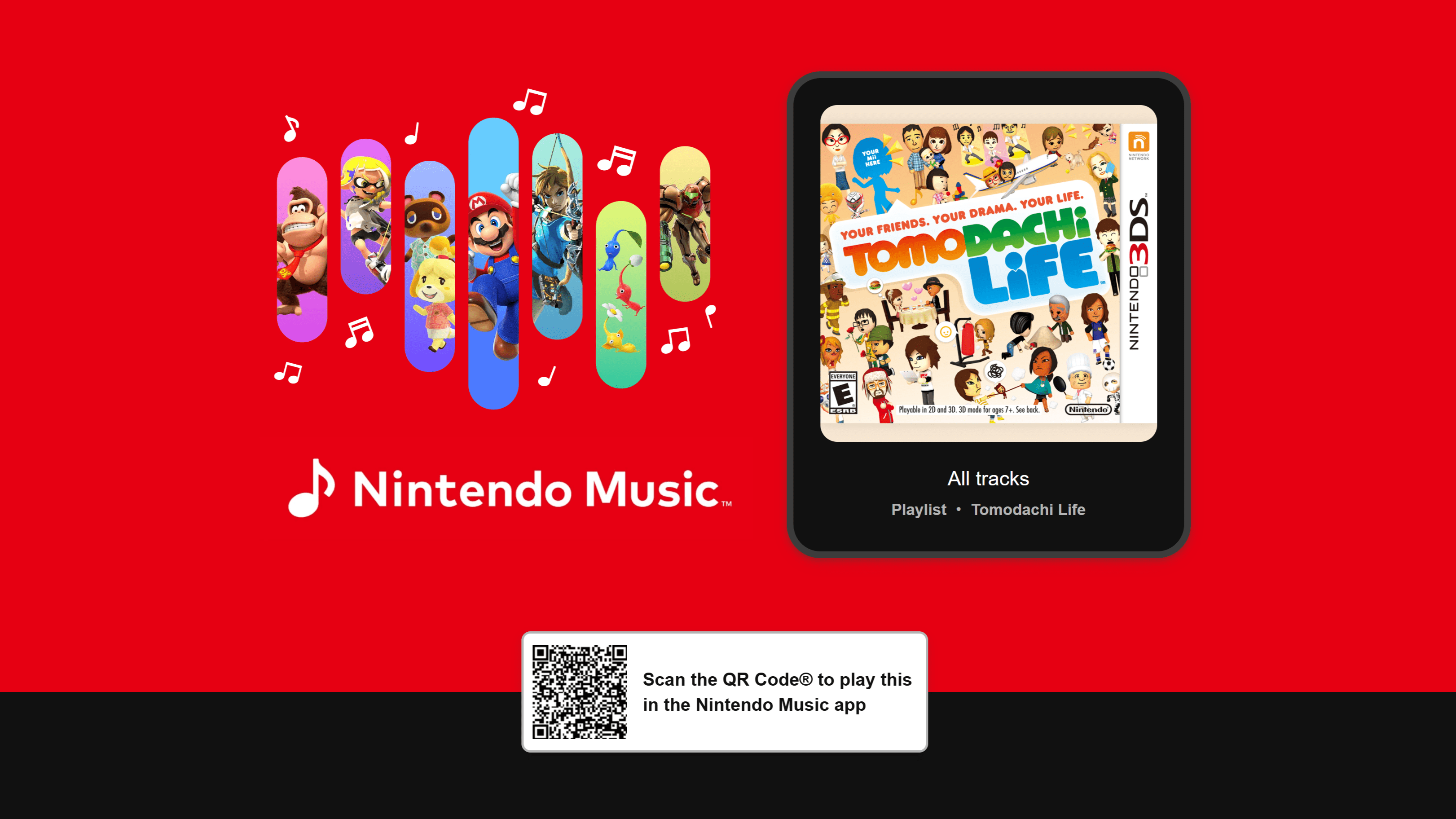
Nintendo Music has been quietly turning into the place we go when we want Nintendo’s worlds in our ears instead of on our screens. Since the app launched in late October 2024, the pattern has been consistent: Nintendo keeps adding more soundtracks, and Nintendo Switch Online members get access as part of that membership. The latest update is a particularly cozy one if you’ve got Tomodachi Life on the brain, because it drops nearly four hours of music from the original Tomodachi Life on Nintendo 3DS, with 210 tracks added in one go. That number sounds big on paper, but it’s even better in practice because Tomodachi Life music isn’t built like a single “album.” It’s built like a day on an island: tiny jingles, scene setters, shop themes, little emotional pivots, and silly moments that land because the music knows exactly how seriously not to take itself.
What makes this update land so well is the way Nintendo Music packages it. Alongside the full track list, we get curated playlists focused on specific parts of the game: Compatibility Tester, Vacations, Concert Hall, and Music Box. Those names are basically mood buttons. We can go from playful matchmaking energy, to holiday calm, to stage-show chaos, to that delicate music-box softness without hunting through a massive list. On top of that, the Extended-Playback Collection is back, which matters because looping and longer playback fits the way people actually listen while working, commuting, or just zoning out. Put it all together and we’ve got an easy soundtrack to live with while we count down the days to Tomodachi Life: Living the Dream arriving for Nintendo Switch on April 16, 2026.
Nintendo Music’s steady expansion now added Tomodachi Life
Nintendo Music has a very specific kind of charm: it’s the app we open when we want Nintendo’s nostalgia without committing to a full play session. Since late October 2024, Nintendo has treated it like a living library rather than a one-time drop, steadily expanding the soundtrack lineup for Nintendo Switch Online members. That rhythm matters because it keeps the app feeling fresh, even if we’re only dipping in for a track or two between real-life tasks. And honestly, that’s exactly how game music fits into daily life. We’re not always sitting down for a “full album experience.” Sometimes we just want a familiar theme in the background while we answer emails, cook dinner, or stare into space like we’re buffering. Nintendo Music leans into that behavior with features built for casual listening, like easy browsing, playlist options, and playback customization, so it doesn’t feel like a museum. It feels like a jukebox that keeps getting new records.
Why the Tomodachi Life timing feels perfect
Tomodachi Life arriving in Nintendo Music right now is the kind of move that makes perfect sense if we’re already looking ahead to Tomodachi Life: Living the Dream. Waiting for a big release can feel like standing outside a bakery while the smell of fresh bread floats through the door. You’re excited, you’re hungry, and time suddenly learns how to walk slower. So dropping the original soundtrack as a Nintendo Music update is a smart way to feed that anticipation without overhyping anything. We get to reconnect with the series’ tone, which is important because Tomodachi Life isn’t about epic battles or dramatic lore dumps. It’s about little moments, oddball humor, and the gentle chaos of watching Miis do Mii things. The music carries that vibe, so putting it in our ears now is like putting on a familiar hoodie before the new season starts.
What “210 tracks” actually means when we press play
Two hundred and ten tracks sounds like a mountain, but Tomodachi Life’s soundtrack is more like a city full of short streets than one long highway. A lot of tracks are quick, purpose-built pieces: shop themes, menu cues, tiny scene transitions, and variations that match what’s happening on the island. That’s why “nearly four hours” is the more useful way to think about it, because it tells us how long we can stay in this sound world before it repeats. It’s also why the soundtrack works so well as background listening. You get constant little changes that keep your brain lightly entertained, but it doesn’t demand full attention like a vocal-heavy playlist might. If you’re working, studying, or just trying to keep your mood up on a gray day, the variety helps. It’s the audio version of a busy town square: lots happening, nothing too heavy, and somehow it keeps you moving.
Compatibility Tester is the “tiny drama” playlist
The Compatibility Tester playlist is Tomodachi Life’s personality in a nutshell: playful, slightly mischievous, and weirdly specific. Even if you haven’t played in years, the concept is instantly understandable. We’re testing relationships, reading ridiculous results, and watching the game turn social chemistry into a mini spectacle. The music matches that energy. It’s light on its feet, quick to wink at you, and built to make even a simple result screen feel like an event. This is the playlist we throw on when we want something upbeat that doesn’t take itself seriously. It also fits surprisingly well in real life when we’re doing small social tasks: answering messages, planning a meetup, or even scrolling through photos you forgot existed. It’s basically “people watching” in music form, and it makes normal moments feel a bit more animated.
Vacations turns the soundtrack into a little getaway
The Vacations playlist is for the moments when we want to feel like we escaped, even if we’re still sitting at the same desk. Tomodachi Life has always been good at that trick, because the island is a place where time passes with a calmer rhythm. The vacation themes lean into that, giving us that “bags are packed” feeling without the stress of actually going anywhere. It’s a great fit for walking, commuting, or doing chores that would otherwise feel like a grind. And the funny part is how well game vacation music translates into real relaxation. It’s designed to suggest rest without making you sleepy, which is a rare sweet spot. If you’re trying to unwind but still need to function, this is the playlist that says, “We can breathe,” without turning everything into a lullaby.
Why Vacations works so well as background listening
Vacation music in games has a job: it has to sell the fantasy of “time off” while still keeping the world feeling alive. That’s why it tends to be steady, bright, and gently varied, and Tomodachi Life follows that rule beautifully. We get themes that feel like sunshine through a window, but they’re not so loud that they hijack the room. That’s ideal for long listening sessions, especially when we’re doing something repetitive and need a friendly soundtrack that won’t annoy us after ten minutes. It also helps that Tomodachi Life’s sound palette is playful by design, which keeps things from feeling bland. Instead of one long, flat “relax track,” we get small shifts that feel like different corners of the same holiday. Put it on, and suddenly your laundry pile becomes slightly less offensive.
Concert Hall is where the soundtrack shows off
The Concert Hall playlist is Tomodachi Life doing what it loves most: taking something ordinary and turning it into a performance. In the game, the Concert Hall is a place where the island’s weirdness gets a stage, whether that’s a goofy genre song, an over-the-top moment, or something unexpectedly catchy. The music reflects that range, and that makes this playlist one of the most fun to shuffle. It’s the one we pick when we want variety and surprise, because it can jump between moods faster than you can say, “Why is this song kind of a banger?” It’s also the most social playlist to share with someone else in the room. Even people who don’t know Tomodachi Life can hear the humor in it. It’s like listening to a musical comedy soundtrack where the jokes are baked into the sound itself.
How to use Concert Hall when you need a mood reset
Concert Hall tracks are perfect for those moments when your day feels stuck on the same page. You know the feeling: you’re doing tasks, but your brain is bored and everything starts to feel a little gray. This is where Concert Hall shines, because it’s designed to keep things moving. Put it on for ten minutes and you’ll probably hear at least one moment that makes you grin, even if you can’t explain why. That tiny reaction matters, because it breaks the loop of dullness. We can treat it like a musical espresso shot: not too long, not too intense, but enough to shake the cobwebs loose. And if you’re the type who needs a soundtrack to push through a final stretch of work, Concert Hall can be that gentle shove.
Music Box is the soft, nostalgic corner
The Music Box playlist is for when we want Tomodachi Life’s world, but we want it quieter, warmer, and a little more tender. Music box arrangements have a built-in emotional shortcut. They can make anything feel nostalgic, even if you didn’t grow up with it, because the sound is tied to childhood memories for a lot of people. In Tomodachi Life, that softness balances the game’s chaotic humor. In Nintendo Music, it gives us a playlist that works for late-night listening, reading, or calming down after a loud day. It’s also the playlist that makes the wait for Living the Dream feel sweeter rather than impatient. Instead of “hurry up already,” it’s more like, “We’ve got time, and we can enjoy the vibe while we’re here.”
Where Music Box fits in real life
Music Box themes are the ones we reach for when we want gentle focus. They’re great for writing, planning, or anything that needs calm attention without total silence. They also work surprisingly well for decompressing before sleep, because they don’t spike your energy or pull you into heavy emotions. It’s more like soft lighting in audio form. If you’ve ever put on background music and realized it’s actually stressing you out, this playlist is the opposite of that. It’s steady, delicate, and intentionally simple, which is exactly why it lasts. And if you’re introducing Tomodachi Life music to someone new, Music Box is a safe first step. It’s hard to dislike a playlist that sounds like a friendly little wind-up memory.
Extended-Playback Collection and the “set it and forget it” loop
The Extended-Playback Collection is where Nintendo Music quietly becomes more practical than a typical streaming app. Game music is often designed to loop seamlessly, because it has to live under gameplay without obvious start-and-stop edges. Nintendo Music leans into that by offering extended playback and looping for select tracks, which is perfect for how people actually listen. We don’t always want to keep picking new songs. Sometimes we want one vibe for an hour while we work, clean, or travel. With extended playback, a good Tomodachi Life track can become a steady companion instead of a two-minute snippet that ends right when you’ve settled in. It’s also ideal for the Music Box material, where the whole point is consistency. The feature basically turns game tracks into soundscapes without losing what makes them charming.
How looping changes the way we use Nintendo Music
Looping is the difference between “nice track” and “useful track.” Without it, short cues can feel abrupt, especially if you’re listening while doing something else. With it, those same cues become a background layer you can rely on. It’s like turning a single candle into a whole room of warm light. For Tomodachi Life, that’s a big deal because so many pieces are built around a specific setting or mood. If you find a theme that fits your day, you can keep it going without babysitting the app. That’s also why curated playlists and looping work so well together. The playlists help you find the vibe fast, and looping helps you stay there. In real life terms, it’s the difference between flipping radio stations and settling into a playlist that understands what you need.
How to listen on iOS and Android without fuss
Nintendo Music is available on both iOS and Android, which makes it easy to keep the soundtrack with you instead of tying it to a console session. The basic idea is simple: Nintendo Switch Online membership unlocks access, and then your phone becomes the player. That convenience matters more than it sounds. Tomodachi Life music is exactly the kind of thing we want on a walk, on public transport, or while doing everyday chores. It also means we can treat the soundtrack like part of our normal listening habits instead of something “separate” we only do when we’re gaming. If you’re the type who keeps a few comfort playlists ready, Nintendo Music fits that role nicely. Open the app, pick a playlist, and you’re back on the island in seconds, no loading screens required.
Simple ways to build a “waiting for April” playlist
If we’re counting down to Tomodachi Life: Living the Dream, the best move is to build a playlist that mirrors the moods we actually want between now and April. Think of it like packing a suitcase: you don’t bring everything you own, you bring the pieces you’ll really wear. Start with a few upbeat staples from Compatibility Tester for energy, add a handful of Vacations tracks for calm, sprinkle in Concert Hall for variety, and finish with Music Box for those slower hours. The goal isn’t to recreate the entire soundtrack in one playlist. The goal is to make something you’ll genuinely press play on more than once. If you find yourself skipping a track every time, cut it. Keep the ones that feel like they “fit” your day, because that’s how a playlist stops being a novelty and becomes a habit.
A small listening routine we can actually keep
Here’s a routine that doesn’t ask for perfection: pick one Tomodachi Life playlist for the morning, one for the evening, and let everything else be optional. Morning can be Compatibility Tester or Concert Hall, because those tracks have a bit more pep and can nudge you into motion. Evening can be Vacations or Music Box, because those themes help your nervous system unclench. The trick is consistency, not complexity. We’re not trying to become a person with a color-coded soundtrack schedule. We’re just giving our day two reliable “buttons” to press. And when you get bored, switch the buttons. That’s it. Simple enough that it won’t collapse after three days, and flexible enough that it still feels fun.
How the soundtrack sets expectations for Living the Dream
Listening to Tomodachi Life’s original soundtrack now is a reminder of what the series does best. It’s not trying to be cinematic in the blockbuster sense. It’s trying to be reactive, playful, and emotionally sharp in small doses. The music supports jokes, awkward moments, tiny celebrations, and those oddly sweet scenes that catch you off guard. That’s exactly the tone we expect Living the Dream to carry forward, just with a new layer of polish and a new set of island memories waiting to happen. And there’s something reassuring about that. When a series returns after a long time, people worry it will lose its identity. The music is proof the identity is strong. It’s whimsical, it’s flexible, and it knows when to be silly and when to be sincere.
Living the Dream is closer now, and the wait feels nicer with music
April 16, 2026 is the date circled on the calendar, and the Tomodachi Life soundtrack landing on Nintendo Music makes the gap feel smaller. It gives us something concrete to enjoy today, not just something to anticipate tomorrow. And that’s the best kind of pre-release energy. Instead of refreshing feeds and hoping for scraps, we can just press play and let the series’ tone wash over the day. If you loved the original, it’s a nostalgic return. If you missed it back then, it’s a low-effort way to understand why people still talk about it. Either way, Nintendo Music just became the waiting room soundtrack, and for once, the waiting room doesn’t feel boring.
Conclusion
Tomodachi Life’s arrival on Nintendo Music is the kind of update that feels small until you actually live with it. Two hundred and ten tracks, nearly four hours of music, and playlists built around Compatibility Tester, Vacations, Concert Hall, and Music Box give us multiple ways to enjoy the soundtrack without digging through everything manually. Add the Extended-Playback Collection on top and it becomes easy to loop the vibe you want and keep moving through your day. With Tomodachi Life: Living the Dream launching on April 16, 2026, this update doubles as a nostalgic refresh and a simple way to keep the series in our daily routine while we wait.
FAQs
- Do we need Nintendo Switch Online to use Nintendo Music?
- Yes. Nintendo Music is an exclusive smart-device app for Nintendo Switch Online members, so access is tied to that membership.
- How much Tomodachi Life music was added in the latest update?
- The update added 210 tracks from the original Tomodachi Life, totaling nearly four hours of listening.
- Which Tomodachi Life playlists are highlighted in Nintendo Music?
- The curated playlists highlighted are Compatibility Tester, Vacations, Concert Hall, and Music Box, alongside the Extended-Playback Collection.
- What does the Extended-Playback Collection do?
- It focuses on tracks that support longer playback and looping, which helps when you want a seamless background vibe while you work or relax.
- When does Tomodachi Life: Living the Dream launch on Nintendo Switch?
- Nintendo has set the launch date for April 16, 2026.
Sources
- Nintendo Music, Nintendo NL, October 31, 2024
- Nintendo made a music streaming app for Switch Online subscribers, The Verge, October 30, 2024
- ‘Nintendo Music’ Is A New Mobile App Exclusive To Switch Online Members, Nintendo Life, October 30, 2024
- Tomodachi Life added to Nintendo Music, My Nintendo News, February 3, 2026
- Tomodachi Life: Living the Dream Direct spotlights quirky fun with player-made Mii characters; game launches on Nintendo Switch April 16, Nintendo, January 29, 2026