














Summary:
Assassin’s Creed Shadows finally lands on Nintendo Switch 2, bringing its sprawling feudal Japan adventure from PS5, Xbox Series X|S and PC to a hybrid you can drop into a dock or take to the sofa. Naturally you start wondering how this version stacks up, because open world stealth, two protagonists and dynamic seasons are a tall order for any device. The Switch 2 port leans on clever tricks like DLSS-style upscaling, a 30 fps target and a custom VRR solution to stay playable, while trimming things such as NPC density, lighting complexity and texture detail. On the other side of the ring, PS5 and Xbox Series X let you pick between 60 fps performance modes and 30 or 40 fps visual modes with ray traced global illumination, making use of far bigger GPU headroom. Even with those differences, the portable option has a real appeal thanks to handheld play, touch support and cross progression for existing players. Together we look at how each version feels in practice so that you can decide whether you want maximum fidelity, flexible play anywhere, or a mix of both without feeling like you picked the wrong box from the store shelf.
Assassin’s Creed Shadows on Nintendo Switch 2 at launch
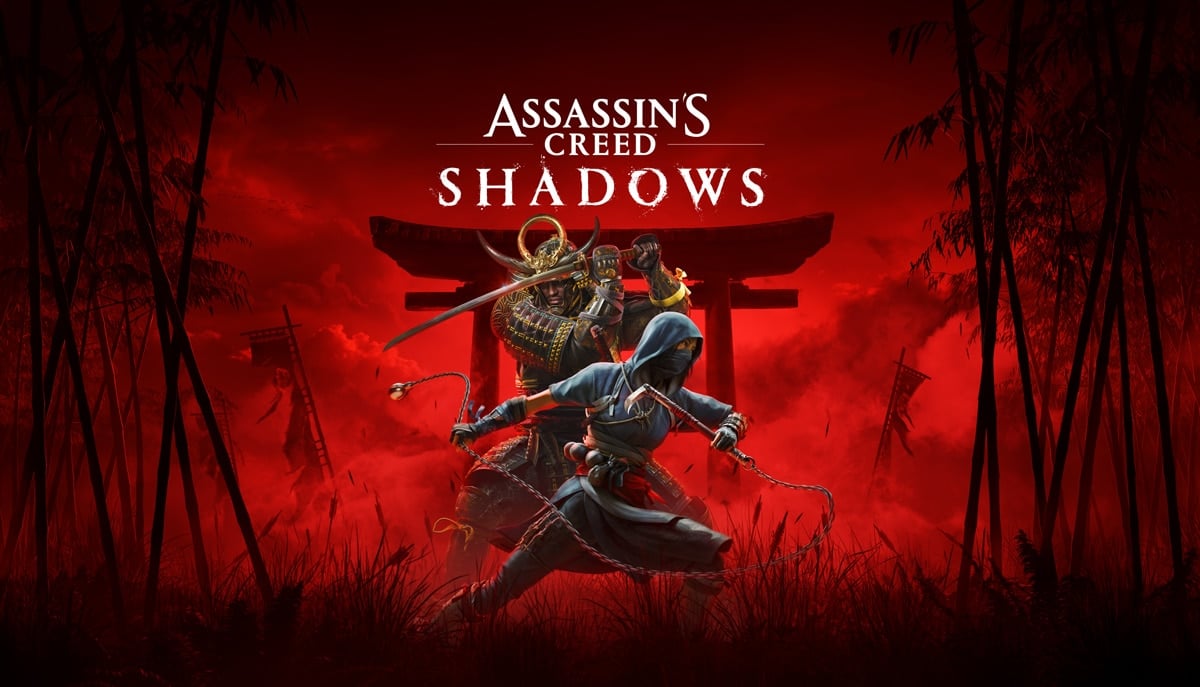
Assassin’s Creed Shadows arriving on Nintendo Switch 2 is a pretty big moment, because it shows that a modern, high end open world can still be bent into a handheld hybrid without giving up its identity. The game has already been out for a while on PS5, Xbox Series X|S and PC, so the Switch 2 release is less about mystery and more about a straight performance check. You already know the story setup: late Sengoku era Japan, dual heroes Naoe and Yasuke and a mix of stealth, parkour and brutal sword clashes. The real question is how much of that vibe survives the jump to smaller hardware. Ubisoft has not treated this as a quick throwaway port. The team did heavy code level changes for the ARM based system, adjusted assets and tuned the engine around Switch 2 strengths like DLSS support and variable refresh rate. At the same time, the studio accepted that some cuts were simply part of the deal, especially in busy towns where CPU and GPU stress spike together. What you get at launch is a single visual profile that aims for a stable 30 fps, works in both docked and handheld modes and tries hard to keep the mood of feudal Japan intact even when geometry and lighting are simplified behind the scenes.

How the Switch 2 experience differs from PS5 and Xbox Series X
To really understand the Switch 2 version, it helps to picture it sitting between a high end current gen console and a tuned low spec PC. On PS5 and Xbox Series X, Shadows offers three graphics modes that let you choose between 60 fps fluidity, 30 fps visual showpieces or a 40 fps middle ground for 120 Hz displays. On Switch 2, you do not pick a mode at all, because there is just one configuration tuned around the system’s limits. That alone changes how you think about the game. On Sony and Microsoft hardware, players can chase performance, lock in ray traced global illumination or play with balance depending on preference and display. On Nintendo’s machine, the developers focus on making one consistent profile work in every situation. The Switch 2 port also gives up some flagship features that stand out on more powerful consoles, such as real time ray traced global illumination and the most aggressive strand based hair physics. In exchange you gain things that are very hard to replicate elsewhere, like genuine handheld play, touch screen navigation on maps and the ability to sit in bed planning assassination routes while the bigger consoles are turned off in the living room. That trade can be worth it if flexibility matters as much as eye candy.
Frame rate targets and overall performance on each system
Performance is where the splits between platforms feel most obvious. On PS5 and Xbox Series X, Ubisoft offers a 60 fps performance mode that uses upscaled 4K output and carefully trimmed visual settings to keep the frame rate high. There are also quality and balanced modes that sit at 30 and 40 fps, with extra features like ray traced global illumination and more aggressive lighting fidelity turned on. In motion, those versions feel similar to what you expect from a current gen flagship: quick camera turns stay responsive, parries in tense duels come out exactly when you hit the button and parkour flows smoothly across rooftops. The Switch 2 version instead aims for 30 fps in both docked and handheld, and Ubisoft openly acknowledged that this target is ambitious in heavy scenes. The studio had to reduce NPC counts in crowded hubs and adjust level of detail and element loading to maintain frame time budgets. Even so, technical breakdowns report that the frame rate can dip under 30 in dense urban districts packed with guards and civilians, especially when weather effects and combat land at the same time. Outside those hotspots, typical exploration, stealth infiltrations and countryside travel hold closer to the intended target, and a custom VRR solution helps mask small frame drops on displays that support it by keeping refresh behaviour smooth even at 30 fps.
Visual settings, lighting and ray tracing compared
Lighting is one of the biggest differences when you compare Switch 2 to the other systems. On PS5 and Xbox Series X, quality style modes make heavy use of ray traced global illumination to simulate how light bounces through wooden interiors, lantern lit streets and misty forests. This is one of the signature technical flexes of Shadows on current gen hardware, and analysis pieces often point to the way torches and moonlight feel more alive when ray tracing is active. Performance modes on those consoles still use strong baked lighting solutions, but you can tell that the very highest fidelity is reserved for the slower modes. On Switch 2, Ubisoft decided to remove ray traced global illumination entirely because of memory constraints, leaning on their proven baked system instead, the same one used for lower spec PC setups and Xbox Series S. To keep things running they also tuned level of detail, shadow quality, texture resolution and draw distance, all with the goal of protecting the overall feel of the world rather than any single screenshot. As a result, you will notice slightly flatter lighting and more aggressive pop in if you are used to PS5 quality mode, but the mood is still recognisably late Sengoku Japan. Cloud and cloth simulations are also adjusted, with downscaled data to relieve GPU pressure while retaining believable motion.
Resolution, DLSS and image clarity on Switch 2
Resolution is handled very differently across the platforms. On PS5 and Xbox Series X, every graphics mode renders at a resolution that is then upscaled to a 4K output using temporal techniques. That means that both the 60 fps performance mode and the more visually focused modes appear sharp on a modern TV when you sit at a regular sofa distance. The internal resolution can drop in heavier scenes, but the overall look keeps that big console crispness. Switch 2 takes another route by relying strongly on DLSS style upscaling to produce an image that looks sharper than a naive low resolution output would suggest. Reports comparing it to Star Wars Outlaws on the same system highlight that Shadows follows a similar pattern, sacrificing native resolution to keep complex cities and countryside vistas running at acceptable speeds while the upscaler reconstructs details. In docked mode, the output lands near a full HD presentation on most televisions, with some softness and shimmering compared to PS5, but still surprisingly clean for a handheld rooted machine. In handheld mode, the smaller screen does a lot of heavy lifting. Any aliasing or reconstruction artifacts are much less noticeable when everything is shrunk down, and the game can look pleasantly dense despite the technical compromises behind the scenes.
World density, NPC counts and atmosphere across platforms
One of the subtle joys of Assassin’s Creed Shadows is how alive its towns and villages can feel, with markets, guards, peasants and performers all sharing narrow streets. That level of density is easier to maintain on PS5 and Xbox Series X, where CPU and memory budgets are far higher. In their richer modes those systems keep large crowds, complex foliage and detailed geometry active for longer distances, which helps every city stroll feel like a snapshot of daily life. On Switch 2, the team had to make trade offs to avoid heavy stutter and long pauses. Ubisoft themselves confirmed that NPC counts in highly populated areas were reduced on Nintendo’s machine to protect performance, and independent coverage backs this up with footage showing fewer passersby in key squares compared to PS5 footage. Level of detail transitions also happen a little closer to the camera, and some background details are simplified or removed. The upside is that the world still reads as busy enough to feel believable. For many players the difference will only stand out when watching side by side comparison videos rather than playing by instinct. If you value a bustling, crowded vibe above all else, the TV based consoles hold the advantage, but the Switch 2 port does not turn cities into ghost towns either.
Loading times, storage needs and patch sizes
Beyond the visuals you see while playing, there is the very practical question of how heavy Shadows feels on storage and how long it takes before you get back into the action after a fast travel or a death. On PS5 and Xbox Series X, the game takes full advantage of fast internal SSDs. Loading into the world from the main menu is relatively quick, and most fast travels land in just a few seconds, which keeps the rhythm of sneaking, failing and trying again very smooth. Those versions also carry sizeable install footprints, especially once you add patches and the Claws of Awaji expansion. The Switch 2 build has its own chunky file size, big enough that some players will likely move it to a microSD card instead of keeping it purely on internal storage. That matters because card speed can influence load times. Even so, the port has been tuned around the hardware, and while you will wait a bit longer than on PS5 between certain scenes or when loading into densely populated hubs, it rarely drags to the point of frustration. The upside of a later launch is that many updates and improvements are baked into the base download, rather than arriving as separate patches on day one.
Handheld play on Switch 2 versus living room play
The real magic trick of the Switch 2 version is simple: you can sneak through castle walls, eavesdrop on enemies and plan assassinations while lying on the couch, in bed or on a train. No other console can offer that exact mix of big franchise and handheld comfort right now. In handheld mode the game runs with image quality tweaks aimed at keeping performance stable, such as slightly lower draw distance and altered level of detail settings, but the smaller screen hides many of the visual shortcuts. Controls feel solid with the standard layout, stealth and parkour mapping neatly to familiar buttons. The addition of touch support for menus and maps is a neat bonus that fits the portable nature of the machine, letting you zoom and pan through Japan with a finger instead of a stick when plotting your next strike. On PS5 and Xbox Series X, you lose that portability but gain a different kind of comfort. High frame rate modes at 60 fps make combat and parkour feel more responsive on a big television, and features like advanced haptics or spatial audio on certain setups add to the atmosphere. In short, handheld Switch 2 play is about intimacy and convenience, while living room play is about spectacle and precision.
Cross progression, saves and Ubisoft Connect features
For players who already started their journey on another system, cross progression can quietly be the deciding factor. Ubisoft confirmed that the Switch 2 version supports cross progression through Ubisoft Connect, which means your save can move between PC, PS5, Xbox Series X|S and Switch 2 as long as you link the same account. That opens up some nice everyday scenarios. You can push the story forward on a home console in the evening, then pick up smaller side quests or exploration sessions on Switch 2 during a commute without losing momentum. The Switch 2 edition also includes all post launch additions except the large Claws of Awaji expansion, which keeps parity for most gameplay tweaks and smaller add ons. Ubisoft Connect brings its usual layer of challenges, cosmetic unlocks and account level progression as well, regardless of platform. If you are already invested in the Assassin’s Creed ecosystem or Ubisoft’s broader catalogue, being able to treat Switch 2 as a second screen for the same hero rather than a separate save file is a real quality of life upgrade.
Choosing the best version of Assassin’s Creed Shadows for you
Picking a version of Assassin’s Creed Shadows is really about figuring out which trade offs matter most to you. If higher frame rates, ray traced lighting and the sharpest possible image on a large TV are top priorities, then PS5 or Xbox Series X remain the obvious choices. Performance modes at 60 fps make stealth, parries and reactive combat feel great, while quality and balanced modes let you soak in the atmosphere of feudal Japan with more advanced lighting, denser crowds and slightly richer detail. On the other hand, if the idea of roaming 16th century Japan in bed, on the balcony or while traveling sounds irresistible, the Switch 2 port is surprisingly capable. You accept a 30 fps target with occasional dips, trimmed lighting features and reduced NPC counts, but in exchange you gain a version of Shadows that fits around your life instead of demanding control of the living room. Players who own multiple systems can even have the best of both worlds by combining cross progression with different play styles across the week. In the end, there is no single correct answer. The Switch 2 version holds up better than many expected, given the hardware gap, but it is still clearly a compromise. The key is matching the strengths of each platform with your own habits so that your time in the shadows feels natural rather than forced.
Conclusion
Assassin’s Creed Shadows arriving on Nintendo Switch 2 shows how far both Ubisoft’s engine work and Nintendo’s hybrid idea have come. The game will never match PS5 or Xbox Series X frame rates, lighting or image clarity, and anyone expecting pure technical parity will notice the lower NPC counts, occasional frame dips and lack of advanced ray traced global illumination. Yet the port does a clever job of bending, rather than breaking, a huge open world so that it still feels like the same tale of Naoe and Yasuke that console players have known since March. DLSS style upscaling, VRR support at 30 fps and careful asset tuning combine to produce a version that feels believable on a TV and even better on the smaller handheld screen. When you add touch support, cross progression and the simple joy of taking a big Assassin’s Creed adventure anywhere, the picture becomes clearer. Those who want the sharpest, smoothest presentation should stick with PS5 or Xbox Series X. Those who value flexibility and personal play spaces will find a lot to like on Switch 2. Either way, Shadows remains a strong trip to Sengoku era Japan, and now there are more ways than ever to live in that world for a few evenings.
FAQs
- Does Assassin’s Creed Shadows run at 60 fps on Nintendo Switch 2?
- No, the Nintendo Switch 2 version targets 30 fps in both docked and handheld modes. Ubisoft tuned the game around this target and uses techniques like DLSS style upscaling and variable refresh rate support to keep gameplay feeling stable, but technical tests show that the frame rate can still dip in busy city areas with many NPCs and effects on screen.
- How do PS5 and Xbox Series X versions compare to Switch 2 for performance?
- PS5 and Xbox Series X offer three graphics modes, including a 60 fps performance mode that uses upscaled 4K output, along with 30 and 40 fps modes that lean into higher visual settings and ray traced global illumination. These options give console players far smoother motion and more flexible tuning than the single 30 fps profile available on Switch 2, which focuses on keeping the game playable within tighter hardware limits.
- What visual compromises were made for the Switch 2 port?
- The Switch 2 edition drops ray traced global illumination in favour of a baked lighting solution, reduces level of detail, draw distance and texture resolution and lowers NPC density in crowded areas. These changes free up CPU, GPU and memory resources while preserving the overall feel of feudal Japan. Docked play still looks solid for a hybrid device, and handheld play hides many of the shortcuts thanks to the smaller screen.
- Does Assassin’s Creed Shadows on Switch 2 support cross progression?
- Yes, cross progression is supported through Ubisoft Connect. If you link the same Ubisoft account across platforms, you can move your save between Switch 2, PS5, Xbox Series X|S and PC. That means it is possible to play story heavy sessions on a home console, then continue side quests or exploration on Switch 2 without losing progress or gear.
- Which version of Assassin’s Creed Shadows should new players buy?
- The best choice depends on your priorities. If you want the sharpest visuals, highest frame rates and full ray tracing, PS5 or Xbox Series X are the safer options. If you care more about playing in handheld form, value touch support for maps and like the idea of fitting a huge adventure around your daily routine, the Switch 2 version is very appealing. Players who own multiple systems can combine both, using cross progression to move freely between living room and portable sessions.
Sources
- Assassin’s Creed Shadows Switch 2 Port Technical Rundown Detailed By Ubisoft, Nintendo Life, November 2025
- Assassins Creed Shadows on Switch 2 Delivers Impressive Visuals Despite Noticeable Performance Gap With PS5 and Series S, Twisted Voxel, December 1, 2025
- Consoles Specs & Tech Q&A, Ubisoft, March 6, 2025
- Assassin’s Creed Shadows best graphics settings for PS5, PS5 Pro, and Xbox Series X, TechRadar, April 8, 2025 update
- The Biggest New Game Releases Of December 2025, GameSpot, November 2025