














Summary:
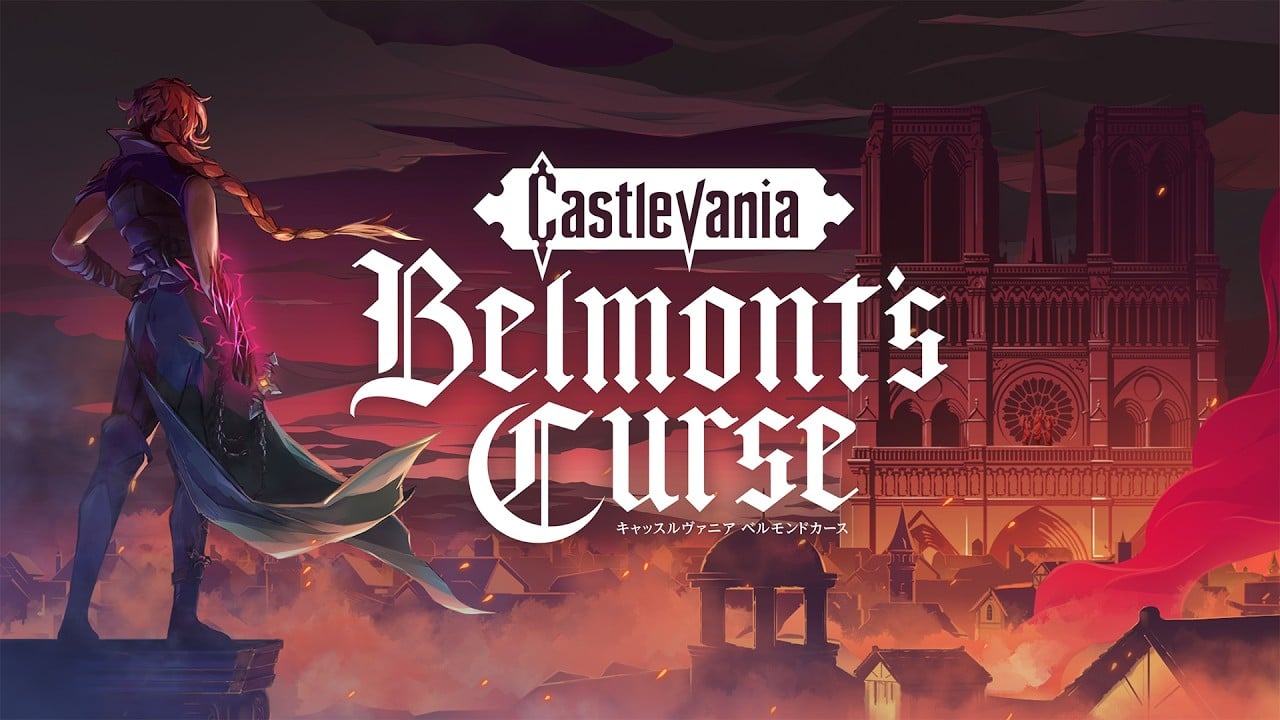
Sony has finally cleared up one of the biggest questions surrounding Castlevania: Belmont’s Curse, and the answer is exactly the kind of reveal that gives the game a sharper identity right away. After the debut trailer left fans wondering who was leaping across rooftops and battling through a monster-ridden Paris, the protagonist has now been officially confirmed as Sonia Belmont. That alone changes the conversation in a big way. Instead of vague speculation and side-by-side comparisons, there is now a clear face at the center of the game, and it is one with deep ties to one of gaming’s most iconic monster-hunting bloodlines.
The reveal matters because a Castlevania game lives and dies by atmosphere, character, and legacy. Sonia Belmont brings all three into focus at once. She is not just another action lead dropped into gothic chaos for style points. She carries the Belmont name, the family duty, and the weight of a tradition built around confronting Dracula’s darkness whenever it rises. Sony’s official blurb leans into that idea by framing her as the protector who steps forward when Paris is overwhelmed by monstrous attacks. That gives the setup an immediate sense of urgency while also anchoring the game in the kind of mythic family destiny that Castlevania fans expect.
There is also something satisfying about finally getting a direct answer after the trailer raised so many eyebrows. The setting looked dramatic, the movement looked stylish, and the mystery around the playable character quickly became part of the conversation. Now that Sony has named Sonia Belmont outright, the reveal gives the game a stronger emotional hook. It also hints at a version of Castlevania that wants to blend classic lineage with a fresh visual identity. That is a smart move. When a series with this much history steps back into the spotlight, clarity matters. Sonia Belmont gives Belmont’s Curse exactly that.
Sonia Belmont finally gives Belmont’s Curse a clear identity
Some reveals feel exciting for a day and then drift into the background, but this one lands differently because it answers a question that was sitting right at the center of the conversation. When the first trailer for Castlevania: Belmont’s Curse appeared, the action and gothic spectacle did their job, yet the identity of the lead quickly became the real talking point. Fans were not just watching a new Castlevania game unfold. They were trying to figure out who was carrying the whole thing on their shoulders. Now that Sony has confirmed Sonia Belmont as the protagonist, the game instantly feels more defined. It has a name, a bloodline, and a focal point people can rally around. That kind of clarity matters. A series like Castlevania thrives on mood, legacy, and character presence, and Sonia brings all three together in one sharp crack of the whip. Instead of a mystery hanging over every frame, there is now purpose in every leap, every strike, and every moment of chaos spreading across Paris.
Why the debut trailer left so many people guessing
The trailer did what a good reveal should do – it sparked curiosity without handing over every answer on a silver platter. Viewers were thrown into a version of Paris under siege, with monster attacks tearing through a city that looked elegant one second and deeply cursed the next. In the middle of all that stood a whip-wielding figure whose movement, silhouette, and presence immediately invited debate. Was this a brand-new character? Was Sony teasing a familiar Belmont without naming them yet? Was the game pulling from older Castlevania history in a bigger way than people expected? Those questions caught fire because Castlevania fans pay attention to details like historians examining cracks in an ancient cathedral wall. Every outfit choice, every animation beat, and every hint of lineage matters. That uncertainty gave the reveal a strange electricity, but uncertainty can only carry things so far. A game like this needs a strong center, and now it has one.
How Sony’s official wording changes the conversation
Official wording can do more than confirm a detail. It can set the emotional tone for how people understand a game. Sony’s description does exactly that by framing Sonia Belmont as the Belmont who emerges when Dracula’s darkness threatens to consume the world. That line gives her role a sense of inevitability, almost like the family duty is stitched into the walls of the series itself. It also places Paris at the heart of the conflict, with monster attacks plunging the city into chaos and Sonia stepping forward with the holy Vampire Killer whip. That is not a tiny lore note buried in the corner. That is the thesis. It tells us who matters, why she matters, and what kind of burden she carries. Suddenly the trailer is not just stylish footage anymore. It becomes a first look at Sonia answering a call that feels ancient, dangerous, and deeply personal. That is a lot of meaning packed into a short blurb, and it works.
Why Sonia Belmont is such a strong choice for the lead role
There is something immediately satisfying about seeing the Belmont name tied so directly to the reveal, because Castlevania has always leaned on that family as both myth and muscle. Sonia Belmont is not just useful because she sounds familiar or fits the franchise tree. She works because she brings identity to the forefront in a way that feels natural rather than forced. A Belmont protagonist carries built-in expectations – courage, discipline, inherited duty, and a willingness to walk straight into a nightmare with holy weapon in hand. Sonia delivers that instantly. She also brings a freshness that keeps the reveal from feeling like a simple retread of older ideas. That balance is important. Fans want something recognizable, but they also want a reason to care right now, not just because of old memories. Sonia gives Belmont’s Curse that spark. She feels rooted in tradition while still leaving room for the game to shape her own moment in the spotlight.
The power of a Belmont name in a series like this
In Castlevania, the Belmont name is more than a surname. It is a warning bell, a promise, and sometimes a challenge thrown straight in the face of evil. The moment you hear that name, you already know you are dealing with someone tied to a legacy of monster hunting that spans generations and defines the heartbeat of the franchise. That makes Sonia’s confirmation hit harder than a generic protagonist reveal ever could. She is not entering a vacuum. She is stepping into one of gaming’s most recognizable family traditions, and that brings gravity with it. Even players who only know the broad strokes of Castlevania understand that a Belmont taking up the Vampire Killer means things are about to get serious. It is like hearing thunder before the storm fully arrives. You know what it means, and you know it is not good news for whatever creatures are crawling out of the dark.
A lead who feels built for gothic action
Sonia also fits the visual and thematic side of Belmont’s Curse in a way that feels almost tailor-made. The trailer footage, the Paris setting, and the holy whip all point toward a game that wants style, movement, and intensity to live side by side. Sonia suits that blend beautifully. She can be the calm center in a city losing its mind, the human answer to something monstrous and overwhelming. That contrast is where gothic action often shines. You do not need a hero who looks comfortable in the darkness. You need one who looks determined enough to push back against it. Sonia gives off exactly that energy. There is room for elegance, danger, and family burden all at once. That makes her easy to imagine not just in combat, but in the quieter story moments too, where the weight of legacy tends to press hardest and reveal who a hero really is.
Paris gives Belmont’s Curse a dramatic new stage
A city can make or break this kind of game, and Paris feels like a clever choice because it naturally carries beauty and tension in the same breath. It is a place people associate with romance, art, history, and grand landmarks, which makes it even more effective when horror crashes through the front door. Monster attacks in a city like that create a vivid contrast. You can almost feel the cobblestones, cathedral shadows, and rooftop silhouettes before a single enemy lunges into frame. That matters because Castlevania has always thrived on atmosphere. It needs locations that feel cursed, theatrical, and full of old-world weight. Paris offers all of that while also standing apart from the more expected castle-centered image many people carry in their heads. It opens the door to a broader kind of gothic chaos. Instead of evil hiding in a distant fortress, it is out in the open, stalking a living city, and Sonia has to meet it there.
How a monster-ridden Paris changes the mood
Setting the conflict in Paris makes the danger feel public in a way that immediately raises the stakes. This is not some hidden corridor or isolated village where only a handful of people understand what is happening. The blurb paints a picture of chaos tearing through a major city, and that shifts the mood from private horror to civic collapse. Streets become battlegrounds. Landmarks become haunted symbols. The everyday becomes deeply unsafe. That kind of setting can give Belmont’s Curse a restless energy, as though the darkness has stopped lurking in the corners and started marching right through the center of the map. It is an appealing idea because it lets horror breathe on a larger scale without losing intimacy. Sonia may be carrying out a family duty, but she is also moving through a place full of civilians, panic, and visible destruction. That tension can make every confrontation feel heavier and more immediate.
The visual appeal practically writes itself
From a visual standpoint, Paris and Castlevania are the sort of pairing that can make a trailer stick in your head for days. Tall architecture, narrow streets, old stone, ironwork, moonlit roofs, and sudden bursts of supernatural violence create a picture that almost feels unfairly effective. It is gothic drama with a ready-made stage. You can imagine Sonia cutting across skyline silhouettes, ducking through monster-torn streets, or standing in front of a grand building now twisted by darkness. That is the kind of imagery that can carry a whole game’s identity before people even get their hands on it. More importantly, it gives Belmont’s Curse a personality distinct from simply revisiting familiar castle hallways again and again. The series can still honor its roots while stretching its legs. Paris is not just a backdrop here. It feels like a living part of the threat, beautiful on the surface and trembling underneath.
The Vampire Killer whip remains the heart of the fantasy
No matter how stylish the setting is or how mysterious the reveal may be, a Castlevania story still needs one thing to feel truly locked in: the whip. The moment Sony’s blurb named the holy Vampire Killer whip, everything clicked into place. That weapon is not just gear. It is one of the franchise’s central symbols, tied to the Belmont line and to the very idea of standing against monstrous darkness with discipline rather than chaos. Giving Sonia that weapon immediately frames her as a true heir to the role, not a placeholder and not a side path. The whip carries memory with it. It tells players that this is still Castlevania at the core, even if the city, framing, and presentation push in fresh directions. In a way, it works like a tuning fork. Strike it once, and the whole series starts to resonate around it. Sonia holding that whip says everything that needs to be said.
Why this weapon still matters so much
Some iconic weapons become so familiar that people stop noticing what makes them powerful, but the Vampire Killer has not lost that edge. It matters because it feels both sacred and practical. It is a weapon of ritual, lineage, and faith, but it is also brutally physical. A sword cuts. A whip snaps, lashes, reaches, and controls space. It feels expressive, almost theatrical, which makes it perfect for Castlevania’s blend of horror and heroic resolve. When Sonia takes it up, she is not just equipping herself for battle. She is stepping into a family duty with something that symbolizes generations of resistance. There is also a simple emotional truth here: fans love seeing signature tools used by the people who are meant to wield them. It is the same thrill as hearing the first note of a song you know by heart. The recognition hits instantly, and the excitement follows right behind it.
Legacy and weaponry go hand in hand here
The reason the whip lands so strongly in this reveal is because it cannot be separated from the Belmont name. Sonia wielding the Vampire Killer is not a random pairing made for cool trailer shots. It is the visual proof that she belongs at the center of this story. That connection helps the reveal feel earned instead of decorative. In a franchise built on inherited duty, the weapon becomes almost a living extension of that burden. You can read family history into it. You can read sacrifice into it. You can even read pressure into it, because carrying a famous legacy is never as simple as looking good while doing it. Sonia’s job is not just to fight monsters. It is to uphold what the weapon represents while chaos closes in around her. That is a rich foundation for action, storytelling, and character weight all at once.
What Sonia’s confirmation suggests about the game’s direction
Now that the lead has been named, Belmont’s Curse feels less like a stylish mystery box and more like a game with a firm dramatic direction. Sonia’s presence points toward a story that wants lineage, duty, and public-facing chaos to sit at the center rather than hover as background flavor. That is a promising sign. It suggests the game understands that Castlevania works best when the hero is not merely reacting to monsters popping out of the walls, but confronting a larger curse with history behind it. Sonia also brings a sense of focus that can shape everything from combat style to emotional stakes. The more clearly a game defines its hero, the easier it becomes for every other part of the experience to line up around that choice. Belmont’s Curse now feels like it knows exactly whose fight this is, and that makes the whole reveal stronger, sharper, and easier to believe in.
Fans finally have something solid to hold onto
Speculation can be fun, but it is not the same thing as momentum. The reason this confirmation matters so much is because it gives people a concrete detail they can build real excitement around. Sonia Belmont is no longer a possibility floating around discussion threads. She is the confirmed face of Belmont’s Curse. That kind of certainty changes fan reaction from detective work into anticipation. People can start thinking about how she will be written, how she will fight, what the Paris setting means for her journey, and how the Belmont legacy will shape the story. Those are much richer questions. They lead to investment instead of just curiosity. For a long-awaited release, that shift is valuable. You want the audience leaning forward because they care about what comes next, not just because they are still trying to identify what they already saw.
Why this reveal feels bigger than a simple character note
On paper, confirming a protagonist might sound like a small update. In practice, it can be the difference between a game feeling vague and feeling memorable. Sonia’s confirmation is bigger than a name drop because it locks together the key parts of Belmont’s Curse all at once. The family legacy, the holy whip, the monster attacks, and the Paris setting now orbit a defined central figure. That turns scattered intrigue into a proper identity. It also adds emotional color. A Belmont answering the call when Dracula’s darkness rises has a mythic quality to it that gives even a short description extra weight. That is what makes this reveal stick. It is not only informative. It is clarifying. It tells people what kind of story this wants to be and why they should care. That is the sort of announcement that can keep a game in people’s heads long after the trailer ends.
Conclusion
Castlevania: Belmont’s Curse feels much stronger now that Sony has officially confirmed Sonia Belmont as its protagonist. What was once a stylish but slightly mysterious reveal now has a clear hero at its center, and that changes everything. Sonia brings the Belmont name, the Vampire Killer whip, and the sense of inherited duty that the series thrives on, while the Paris setting gives the game a dramatic stage for gothic chaos. It is a combination that feels familiar in the right ways and fresh where it counts. More than anything, this confirmation gives Belmont’s Curse identity. It no longer looks like a game people are trying to decode from a distance. It looks like a Castlevania story with a defined lead, a clear sense of purpose, and a much firmer grip on why fans should be excited.
FAQs
- Who is the protagonist of Castlevania: Belmont’s Curse?
- Sony has confirmed that Sonia Belmont is the lead character of Castlevania: Belmont’s Curse.
- Why were fans unsure about the main character at first?
- The debut trailer showed a whip-wielding figure moving through Paris, but it did not immediately make the protagonist’s identity fully clear, which led to speculation.
- Where is Castlevania: Belmont’s Curse set?
- The official description points to Paris as the setting, with the city thrown into chaos by a series of monster attacks.
- What weapon does Sonia Belmont use?
- Sonia Belmont is described as wielding the holy Vampire Killer whip, a weapon closely tied to the Belmont family legacy.
- Why is Sonia Belmont’s confirmation important?
- It gives the game a stronger identity, ties the story directly to the Belmont bloodline, and gives fans a clearer sense of the tone and direction behind the reveal.
Sources
- The greatest heroines on PlayStation, PlayStation, 2026
- Castlevania: Belmont’s Curse – Official Reveal Trailer | PS5, PlayStation on YouTube, 2026