














Summary:
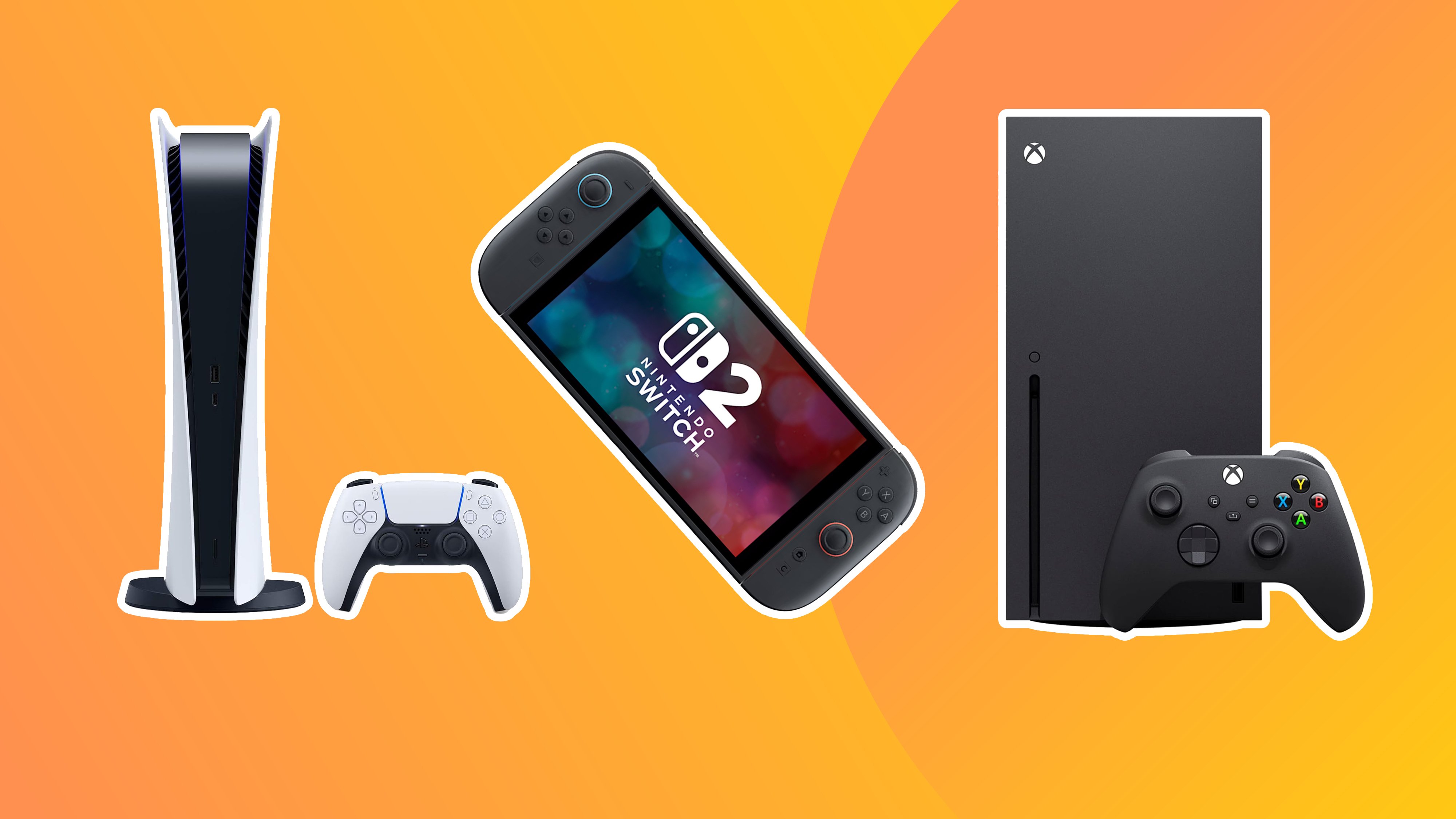
January is usually the “exhale” month after the holiday sprint, and Circana’s latest US snapshot fits that vibe while still delivering a few talking points worth circling. On hardware, Sony’s PlayStation 5 led the month, with Nintendo landing in second place. That detail matters because it frames the month as a two-console race at the top, even in a quieter period where many players are busy finishing what they bought in December rather than rushing to brand-new releases.
On the games side, Call of Duty: Black Ops 7 held onto the top spot, continuing the franchise’s habit of turning momentum into a multi-month run. Behind it, the order reads like a greatest-hits playlist of what consistently sells in the US: NBA 2K26 and Madden NFL 26 remain heavyweights, Minecraft refuses to age, and Battlefield 6 stays firmly in the conversation. EA Sports FC 26 adds another annual sports anchor, while Grand Theft Auto V and Red Dead Redemption prove that big brands with long legs can still muscle into the top 10. One of the most noticeable moves is Final Fantasy VII Remake appearing at #9 after sitting far lower previously, a shift that lines up with a fresh push that brought new buyers into the mix. The key to reading the list correctly is remembering one important caveat Circana has to work around: Nintendo does not provide digital sales figures, which means the ranking is best treated as a strong indicator of direction rather than a perfect “everything, everywhere” scoreboard.
Circana’s January snapshot and why it matters
Circana’s monthly US chart is basically a temperature check for what people actually bought, not what got the loudest trailer or the spiciest comment section. January 2026 is especially useful because it strips away a lot of holiday noise and shows what still sells when the confetti is gone and wallets are catching their breath. We’re looking at a top 10 that leans heavily on familiar powerhouses, and that’s not a knock – it’s a reminder that brands with trust, routines, and big communities tend to keep earning. Think of it like a busy restaurant after New Year’s: the flashy pop-up might disappear, but the place with the dependable menu still has a line. That’s what this month’s list feels like. It also helps us separate short-term hype from real staying power, which is exactly what you want from a January read.
Hardware race in January: PS5 on top, Nintendo in second
The hardware headline is straightforward: PlayStation 5 led the month, and Nintendo took the second-best spot. That matters because it shows the PS5 continuing to convert its catalog and ecosystem into sales, even in a period where many shoppers are tapped out after December. Nintendo holding second place is equally telling because it signals that demand is still strong enough to keep pace near the front of the pack, not drifting into “nice to have” territory. If you’ve ever watched two cyclists break away from the group, you know the feeling – the lead pair sets the tempo while everyone else fights for air behind them. January is rarely the month where hardware does something weird and dramatic, so a clean 1-2 finish like this reads as stability, not a fluke.
The #1 game and why it keeps winning
Call of Duty: Black Ops 7 finishing #1 again is the kind of result that feels almost predictable, and that predictability is the whole point. Big multiplayer ecosystems are sticky – once a critical mass of friends is playing, the game becomes less of a purchase and more of a social plan. You’re not just buying matches, you’re buying Friday nights, quick sessions after work, and that one friend who insists on “one more round” even when everyone’s eyes are half-closed. On top of that, Call of Duty tends to benefit from momentum across weeks, not days, because players who skipped launch often circle back once patches land and word-of-mouth settles. So in January, while the release calendar is calmer, a giant like this can keep collecting sales like a snowball rolling downhill.
What the top 10 list says about player habits right now
The top 10 reads like a map of US buying habits when there isn’t a fresh stampede of holiday releases. Sports games remain dependable, shooters remain dominant, and evergreen titles keep elbowing their way back into the room. That pattern is a clue that players are still gravitating toward games that deliver repeat sessions rather than one-and-done weekends. It’s also a reminder that familiar franchises are comfortable purchases in quieter months – when you’re not in the mood to gamble on something experimental, you pick the thing you already understand. And yes, that can be a little boring on paper, but it’s also honest. The list is basically saying, “We like our big competitive playgrounds, we like our annual sports rituals, and we’ll happily replay a classic if it fits the moment.”
A closer look at the top three: sports and shooters still rule
The top three is a neat snapshot of what consistently wins in the US: Call of Duty: Black Ops 7 at #1, NBA 2K26 at #2, and Madden NFL 26 at #3. That mix is telling because it combines a massive online shooter ecosystem with two sports franchises that function like yearly traditions. If you’ve ever known someone who buys the new sports entry the way they buy a calendar, you already get it. These games aren’t just “new releases” – they’re updates to a routine, a roster refresh, and a shared language for fans. Meanwhile, Call of Duty sits in the lane of constant engagement, where the game is always there, always active, and always ready to be the default hangout. Put together, the top three screams consistency, not surprise.
Minecraft at #4 and why it never really leaves
Minecraft at #4 is the monthly reminder that some games aren’t titles anymore – they’re hobbies. Minecraft sells because it means different things to different people: a creative tool, a co-op family game, a survival loop, a comfort blanket you can load up for twenty minutes and still feel like you accomplished something. It’s also one of those rare picks that works across age groups without feeling like a “kids game” or an “adult game,” which makes it a safe buy in any month. Even if you already own it on one platform, it’s the kind of game people double-dip on because it fits so many moods. In a slower sales month, that versatility is like having a multi-tool in your pocket – it always finds a reason to be useful.
Battlefield 6 at #5: strong name, shifting momentum
Battlefield 6 landing at #5 keeps it in the top half of the chart, which is still a meaningful position in a crowded market. The interesting part about Battlefield placements is that the franchise tends to surge when excitement is high and then settle into a rhythm where ongoing support, modes, and community energy determine how long it stays elevated. A #5 finish in January suggests that it remains a major draw, but it’s also competing in a month where Call of Duty is clearly still setting the pace. For players, this kind of ranking often reflects a simple reality: big shooters aren’t just competing on day-one sales, they’re competing on where people want to spend their time. And time is the one resource nobody has enough of.
EA Sports FC 26 at #6: the annual engine that keeps running
EA Sports FC 26 at #6 is another example of how sports franchises operate on a different calendar than most releases. The audience isn’t waiting for surprise twists – they want the latest squads, the current vibe, and the version their friends are playing right now. It also benefits from the global nature of football fandom, which tends to stay engaged across months, not just during one launch window. A January top 10 placement suggests steady demand rather than a one-week spike, and that steadiness is exactly what sports publishers love. For players, it’s simple: when you want a match that feels familiar but still current, you pick the newest entry. It’s the gaming equivalent of putting on your favorite sneakers – reliable, broken-in, and ready to go.
GTA V and Red Dead Redemption: evergreen giants in the top 10
Seeing Grand Theft Auto V at #7 and Red Dead Redemption at #8 is the clearest proof that certain Rockstar games have absurd longevity. These aren’t new titles, but they behave like perennial sellers because they keep attracting first-timers while also pulling back lapsed players. GTA V in particular has a reputation for being “always there,” and that matters when people want a huge sandbox that doesn’t require learning a brand-new system. Red Dead Redemption showing up alongside it reinforces how strong the Rockstar brand remains across different tones – one is chaotic urban mayhem, the other is slower, cinematic frontier drama, and both still move units. In a quieter month like January, these games are like blockbuster movies that never leave streaming’s top 10. Familiar, big, and easy to choose.
Final Fantasy VII Remake at #9: the jump that stands out
Final Fantasy VII Remake appearing at #9 is the placement that makes many people do a double-take, mostly because it signals a meaningful shift in buying behavior compared to where it sat previously. When an older release suddenly lands in a monthly top 10, something usually triggered it: a fresh platform push, a new audience gaining access, a price moment that made hesitant buyers finally bite, or renewed attention that reminded people the game exists. Whatever the exact mix, the result is clear – more people bought it in January than the month’s typical “slow season” would suggest. It also shows how powerful recognizable names can be when the timing is right. Final Fantasy VII isn’t just a game to many players, it’s a memory – and January is a month where nostalgia purchases hit differently.
Forza Horizon 5 at #10: legs, bundles, and late-cycle lift
Forza Horizon 5 at #10 is a good example of how a strong racing game can keep finding oxygen long after launch, especially when it’s positioned well and stays visible to shoppers. Racing games often benefit from being easy to jump into – you can play for ten minutes and still feel satisfied, which makes them great “between bigger games” picks. A January placement suggests it’s continuing to reach new buyers while staying relevant for people who want something social and instantly fun without a steep learning curve. It’s also a reminder that the top 10 doesn’t require a game to be brand-new. It requires the game to be easy to say yes to, and a big, polished open-road racer fits that bill perfectly when the calendar is quiet.
The digital reporting wrinkle and how to read the chart fairly
One of the most important details tied to these rankings is the reporting limitation around Nintendo digital figures. When a platform holder does not provide digital sales numbers into the same tracking view, the chart can’t fully reflect the complete picture for titles that perform strongly in digital channels on that ecosystem. That doesn’t mean the chart is useless – far from it – but it does mean we should treat it like a well-lit room with one corner slightly dimmer than the rest. The top 10 still tells us what performed best within the tracked scope, and it absolutely captures the direction of the market, especially for major multiplatform releases. The fairest approach is to use the rankings as a strong monthly signal while remembering that some platform-specific digital performance may be underrepresented in the final ordering.
Conclusion
January 2026’s Circana snapshot is a “tell us who you really are” kind of month, and the US market answered with familiar favorites. PlayStation 5 led hardware, Nintendo held the second spot, and the games chart leaned hard into proven sellers that thrive on community, routine, and longevity. Call of Duty: Black Ops 7 stayed on top because it’s built to be a default hangout, while NBA 2K26 and Madden NFL 26 proved that sports releases are more like yearly rituals than ordinary launches. Minecraft reminded everyone that some games are basically hobbies, and Rockstar’s evergreen giants showed why big sandboxes keep selling even when they’re not new. Final Fantasy VII Remake’s leap into #9 was the month’s “pay attention” moment, a sign that the right push can bring a classic roaring back. If we keep one rule in mind – read the list as a tracked view that may not fully capture Nintendo digital performance – the takeaway becomes simple: the biggest brands kept winning because they keep giving people reasons to return.
FAQs
- What does Circana’s January 2026 ranking actually measure?
- It reflects best-selling games in the United States within Circana’s tracked scope for the month, based on the reporting and coverage available to Circana from participating channels and publishers.
- Why is Call of Duty: Black Ops 7 still #1 in January?
- It benefits from strong momentum, a massive multiplayer ecosystem, and the “friends are playing it” effect that keeps sales moving even after the initial launch wave.
- Why does the note about Nintendo digital sales matter?
- Because when Nintendo digital figures are not included in the same way, the chart may not fully represent total digital performance for some Nintendo-platform activity, so the rankings should be read as a strong signal rather than a perfect all-channel total.
- How did Final Fantasy VII Remake end up at #9 after being much lower before?
- A jump like that usually aligns with a renewed buying trigger such as expanded availability, a fresh push that brought in new buyers, or a moment where more people decided it was finally time to pick it up.
- Why are older games like GTA V and Red Dead Redemption still in the top 10?
- They have long-term demand because they’re iconic, easy to recommend, and constantly discoverable to new buyers, while also pulling back returning players who want a familiar world to sink time into.
Sources
- Game Sales Grew In January 2026 in The US, But Mainly For One Reason Specifically, GameSpot, February 20, 2026
- Top 20 Best-Selling Games Of 2026 So Far In The US, GameSpot, February 20, 2026
- Best-selling games in the U.S. for January 2026 – Nintendo Switch 2 boosts Final Fantasy 7 Remake to the top 10, Nintendo Everything, February 20, 2026
- Call of Duty: Black Ops 7 and PS5 Top January US Charts, Switch 2 Still Carries Hardware Spending, GamingBolt, February 20, 2026
- Growth in spending on subscription services – January 2026 US video game sales notes, LinkedIn (Mat Piscatella), February 20, 2026