














Summary:
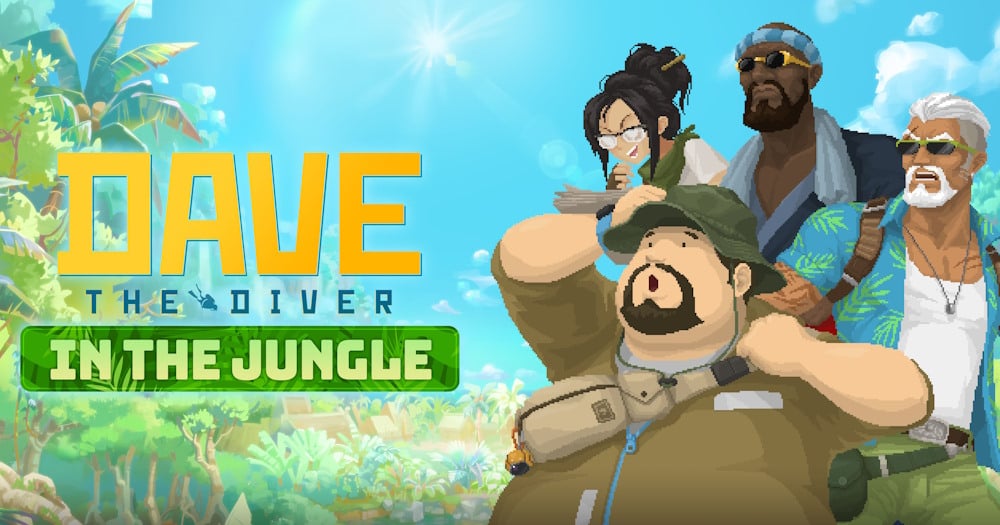
We’re used to Dave the Diver living on a satisfying loop: dive, haul back ingredients, then hustle through service. “In the Jungle” keeps that heartbeat, but it changes the muscles around it. Instead of the Blue Hole’s saltwater routine, we’re heading into freshwater, with a brand-new area built around Utara, a jungle village where time moves in real time. That single shift already hints at a different vibe. Rather than feeling like the day is chopped into neat slices, we’ll be juggling choices moment to moment – do we head out for one more dive, take on a task for a villager, or make sure the restaurant is ready before people start showing up hungry?
The expansion is framed as Mintrocket’s largest story add-on so far, with roughly 10 hours of gameplay planned. We’ll explore a massive freshwater lake packed with new life, new threats, and new ingredient possibilities that naturally push the menu in a different direction. On land, we’ll be building relationships in Utara, with stronger bonds opening up rewards and opportunities that ripple outward. That social layer matters because it ties straight into Bancho Grill, a new restaurant in the village built around a fully cooked freshwater menu. Service changes too – we won’t be stuck sliding along one horizontal line, because we can move freely across multiple areas while serving diners. Add in the Jungle Gun, a transformable tool built to switch between different combat styles, plus an isometric view that changes how space feels, and we’ve got an expansion that sounds less like “more of the same” and more like “same heart, new body.”
Dave The Diver changes it’s playbook
Switching from the Blue Hole to a freshwater setting sounds like a simple theme swap, but it’s more like changing the entire kitchen while keeping the same chef. Freshwater creatures push us toward different dishes, different prep expectations, and a different kind of risk when we’re hunting ingredients. If the base loop felt like running a dependable seaside spot, “In the Jungle” feels closer to setting up shop in a new town where nobody knows our name yet. That’s exciting because it makes even familiar habits feel new again – the same instincts, but a different map, different threats, and a different set of rewards. It also gives Mintrocket room to surprise us without breaking what already works. We still get that classic “one more run” feeling, but now the question isn’t just what we catch – it’s how we spend our time across diving, exploring the village, and keeping the restaurant running without dropping plates like a cartoon waiter.
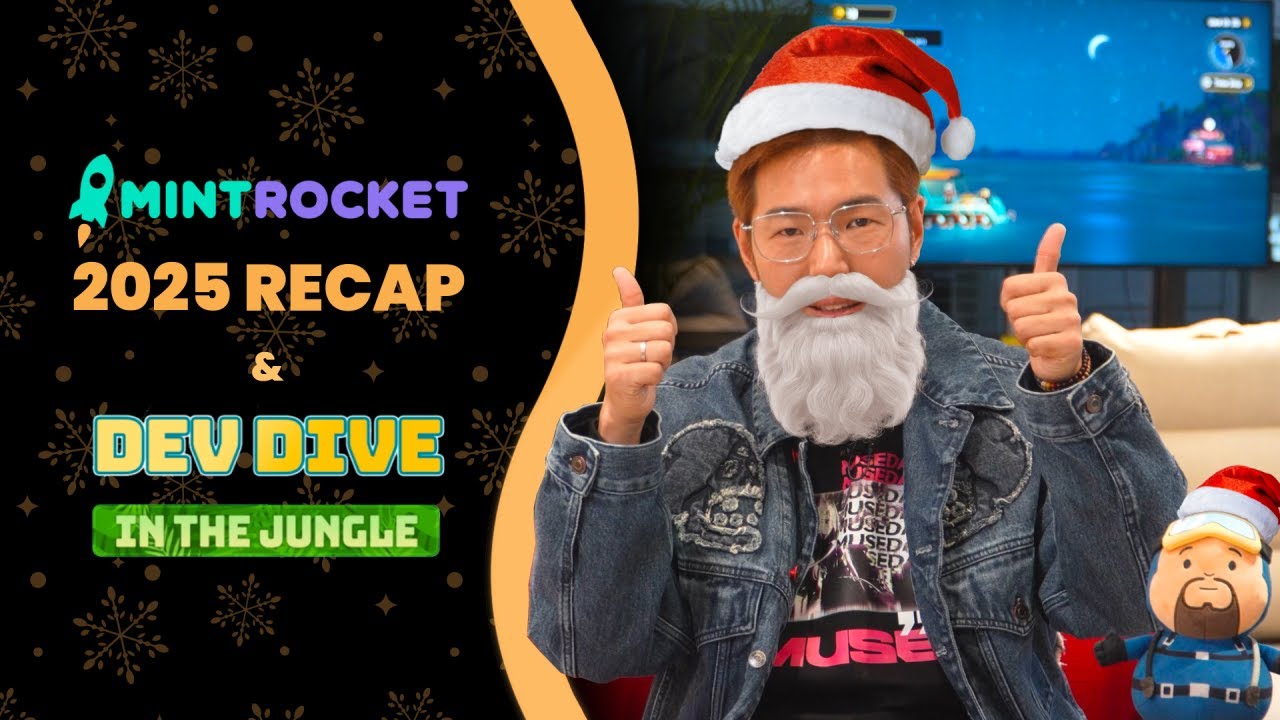
Utara is a village that runs in real time
Utara isn’t pitched as a backdrop you sprint through between missions. It’s a living hub with real-time flow, which changes how we think about a “day” in Dave’s world. In the base game, time blocks help you plan in tidy chunks, but real time asks for a different mindset. It’s less about memorizing the perfect schedule and more about reading the room – literally. If you’re wandering the village and spot an opportunity, you can lean into it without waiting for the next time slice. That creates a softer, more human rhythm that fits the setting: a jungle village with opportunities, errands, and people who remember what you’ve done. For you, it means choices feel more personal. You’re not just ticking boxes, you’re deciding what kind of neighbor Dave becomes. And when the village is your home base, every small decision has the potential to pay off later in ways that feel earned.
Meeting the locals and earning trust
The expansion puts relationships front and center, and not in a “say hello once and collect a reward” way. The idea is that villagers become meaningful connections, with tasks and side quests acting like the glue that holds those bonds together. Think of it like joining a new gym: you don’t walk in on day one and get the VIP treatment. You show up, you help out, you prove you’re not just passing through, and slowly people start rooting for you. That’s the energy Utara is aiming for. When we help someone with a request, we’re not only chasing a quick payoff, we’re building a reputation. Over time, deeper relationships are designed to unlock better rewards and new opportunities around the village. That’s a smart hook because it makes the social side feel practical, not just cosmetic – and it gives you a reason to care about the people beyond polite small talk.
Side quests that feed back into the restaurant loop
What makes the Utara setup click is the way it’s meant to ripple back into the restaurant side. In Dave the Diver, the restaurant is never just a minigame – it’s the second heartbeat of the experience. “In the Jungle” ties that heartbeat to the village community by making your relationships matter for who shows up to eat, what opportunities open up, and how the whole place feels over time. That creates a satisfying cause-and-effect loop: help people out, become part of the community, and watch that community support your business. It’s the difference between running a place for strangers and running a place where regulars walk in and you already know their vibe. For you, it also means the “busy work” has more meaning. A small errand can feel like planting a seed, and later you get to see it bloom when new doors open, new diners appear, or new rewards make your next dive smoother.
The lake replaces the Blue Hole with new risks
A massive freshwater lake is a bold choice because it instantly changes the rules of engagement. The Blue Hole has its own identity – saltwater variety, familiar hazards, and a rhythm many players have internalized. A freshwater lake lets the expansion introduce new aquatic life, new danger types, and new ingredient paths without feeling like a simple remix. It’s also a great excuse for new gear and new tactical decisions, because what works in one environment doesn’t always translate cleanly to another. For you, the fun is in that early learning curve, when every new creature makes you pause and think, “Is this dinner, is this trouble, or is this both?” And because the expansion is framed as a story-forward addition, the lake isn’t just a resource pool – it’s a stage for new challenges that can surprise you when you get comfortable. That’s the sweet spot: familiar enough to feel like Dave the Diver, different enough to keep you alert.
New creatures and new ingredients
Freshwater brings a different pantry. Instead of feeling like we’re shopping at the same market with a new coat of paint, we’re stepping into a new aisle entirely. That matters because the restaurant side lives and dies on variety – not only for mechanics, but for that little dopamine hit when you discover something weird and immediately imagine how it might look on a menu. New aquatic life means new catch priorities, new value calculations, and likely new “should we risk it?” moments when the deeper areas get nastier. It also adds a layer of discovery that pairs well with Utara’s village vibe. When you’re gathering fruits and resources on land and hunting ingredients underwater, it feels like you’re actually living in the region, not just visiting. And when the menu shifts to match the environment, Bancho Grill starts to feel like it belongs there, rather than feeling like someone dragged the old restaurant into a new map and hoped nobody noticed.
Staying safe around crocodiles, piranhas, and electric eels
Freshwater danger has a different flavor – less “mysterious deep ocean” and more “this thing is absolutely trying to bite you right now.” The expansion materials point to threats like crocodiles, piranhas, and electric eels, and that combo suggests you’ll need to stay sharp in multiple ways. Crocodiles are the kind of hazard that can punish sloppy positioning, while piranhas hint at swarming pressure where panic makes everything worse. Electric eels add the extra annoyance of disruption, where one mistake can mess with your rhythm and turn a clean run into a scramble. The trick is to treat the lake like a negotiation, not a speedrun. You want to read enemy patterns, keep an exit lane in mind, and avoid committing to a catch if it puts you in a bad corner. In other words: don’t get greedy. Greed is how you end up as the lake’s lunch special.
Bancho Grill brings a different restaurant rhythm
Bancho Grill isn’t just “Bancho Sushi but in a jungle.” It’s designed as a notable shift in how service works, and that’s the kind of change that can refresh the entire loop. The big idea is freedom of movement. Instead of being confined to a single horizontal path, Dave can move around the grill and serve diners across multiple areas. That sounds simple, but it changes the mental load of service. You’re no longer playing a tight left-right efficiency puzzle. You’re managing space, routes, and priorities in a more open layout, which can make the restaurant feel more alive – and also more chaotic if you don’t keep your head. For you, that’s where the fun sits: the moment you realize you can develop a new flow, a new routine, and a new style of “busy” that fits the place. And because the menu is built around cooked freshwater dishes, the grill identity should feel distinct, not like a reskin.
Moving freely and serving across multiple areas
Free movement changes how mistakes feel. In a tighter service lane, one wrong step can cost you a whole sequence. In a multi-area layout, you have more options to recover, but you also have more chances to get distracted. That’s a real-life restaurant problem too: when you can go anywhere, you can also lose track of what you were doing. The best approach is to think in routes rather than reactions. Instead of ping-ponging between whatever is flashing on screen, you’ll get better results by grouping tasks – deliver a set of dishes in one area, swing back through the center, restock or reset, then hit the next cluster. It’s like running errands in town: if you do one shop per trip, you waste time, but if you plan a loop, you feel like a genius. The grill setup invites that “smart loop” style of play, which keeps service tense without feeling rigid.
Turning villagers into regular diners
The best restaurants aren’t just about food – they’re about relationships. Bancho Grill leans into that by tying diners to your bonds in Utara. As villagers warm up to Dave, they start showing up to eat, which makes the grill a social hub rather than a detached business minigame. That’s important for tone. If you’re spending time helping people around the village, it feels rewarding to see those same people walk into your restaurant later, like your effort mattered. It also makes the expansion’s world feel connected: underwater, village, and restaurant are three sides of the same triangle, not separate modes stitched together. For you, it creates a satisfying loop where kindness and curiosity have mechanical payoff. And it makes the grill feel like the “home base” heartbeat of Utara – the place where your day’s choices show up in a way you can see, not just in a menu screen full of numbers.
The Jungle Gun adds flexible combat and capture options
New waters demand new tools, and the Jungle Gun is positioned as the signature piece of kit for this expansion. The key idea is flexibility: a weapon that can transform into different modes so you can adapt quickly. That matters because a freshwater lake with varied threats can swing from “easy ingredient run” to “why is everything trying to end me” in a heartbeat. A transformable tool lets you respond without feeling like you packed the wrong gear and now you’re stuck. For you, the appeal is experimentation. You can find a style that matches how you like to play – cautious, aggressive, capture-focused, or something in between. It also helps the expansion feel meaningfully new, because gear changes are one of the fastest ways to make familiar mechanics feel fresh. When your toolset changes, your decision-making changes, and suddenly you’re paying attention again in the best possible way.
Switching modes to match the situation
A multi-mode weapon works best when you treat it like a toolbox, not a single “best option” that you spam. One mode might be perfect for controlling space, another for precision, and another for raw panic-button damage when a threat gets too close. The fun is in learning when to switch, because switching at the right moment feels like pulling off a slick move in an action movie. The lake setup encourages that kind of thinking. If you’re trying to secure ingredients safely, you might favor methods that reduce risk. If you’re facing something that won’t let you breathe, you may need a faster, tougher answer. The big win here is that the Jungle Gun supports different playstyles without forcing you into one path. You don’t have to be the world’s most accurate shooter to enjoy it, and you don’t have to avoid combat entirely either. It’s designed to meet you where you are and still let you feel clever.
Nets vs firepower and when each makes sense
The simplest way to think about the Jungle Gun’s options is this: nets are for control, firepower is for survival. If you’re hunting ingredients and you want to minimize mess, net-style options can help you secure targets without turning every encounter into a brawl. That can be especially useful when the lake is packed with hazards and you don’t want to draw attention or waste time. Firepower modes become the better choice when something is actively threatening your run, when you need to create breathing room, or when a tough enemy is blocking access to a valuable area. The trick is to avoid getting stubborn. Players often pick one approach and cling to it like it’s a personality trait. Don’t. Be fluid. If a situation is escalating, switch. If a situation is calm, don’t overreact and burn resources. Treat the lake like a conversation: sometimes you whisper, sometimes you shout, but you don’t shout the whole time unless you want to exhaust yourself.
The isometric view changes how we move and plan
Changing the camera perspective can change how an entire game feels, even if the inputs are familiar. Moving toward a more free-flowing isometric presentation shifts your relationship with space. It’s not just “where am I going,” it’s “how do I route through this area efficiently.” That pairs naturally with Utara’s real-time structure, because both systems push you toward smarter planning. When time keeps moving and your view gives you more spatial context, you’re encouraged to think ahead instead of reacting to everything at the last second. For you, this can make exploration feel more grounded. You’re navigating a place, not just sliding along a plane. It can also make village life feel more natural, because isometric views tend to suit hub areas where you’re gathering resources, talking to locals, and bouncing between activities. If the base game sometimes felt like you were switching between tightly framed modes, this approach is aiming for a smoother sense of place.
Jungle activities and minigames add variety
Dave the Diver has always been at its best when it surprises you with a weird little activity right when you think you’ve seen the loop. “In the Jungle” leans into that spirit by promising jungle-specific adventures and new minigames, including moments you can share with friends. These side activities matter because they act like palate cleansers. After a tense lake run or a chaotic restaurant rush, a smaller activity can reset your brain, like stepping outside for fresh air during a busy day. It also helps the expansion feel like a place with culture, not just a checklist of mechanics. When a village has its own activities, it feels lived-in. For you, minigames are also a sneaky reward system. They can break up pacing while still feeding progression, resources, or relationship growth. And sometimes they’re just there to make you laugh, which is honestly underrated. Not every moment needs to be serious. Sometimes we just want to bonk coconuts off a tree and call it a day.
How to prepare before early 2026
Even without a precise launch date, “early 2026” gives us enough of a window to get ready in a practical way, especially if you want to hit the expansion at full speed. Preparation doesn’t mean grinding like it’s a second job. It means sharpening the habits that “In the Jungle” is clearly designed to reward: smart time use, comfortable combat decisions, and an ability to switch between exploration and service without getting flustered. The expansion’s real-time village system suggests you’ll benefit from being decisive rather than perfectionist. The new restaurant layout suggests you’ll benefit from staying organized under pressure. The freshwater lake suggests you’ll benefit from knowing when to push and when to retreat. If that sounds like a lot, don’t worry – those are skills the base game already teaches in smaller ways. Think of the wait as a chance to get your muscle memory back so you can enjoy the new setting instead of spending your first hours re-learning how to breathe.
Habits to practice in the base game
If you want the smoothest landing, focus on three things: inventory discipline, encounter awareness, and service rhythm. Inventory discipline means you stop treating your bag like a junk drawer. Make deliberate choices about what you bring back and why, because “In the Jungle” is likely to throw new ingredient decisions at you fast. Encounter awareness means you practice reading threats early, so you don’t panic when a lake creature gets aggressive. In the base game, get used to repositioning, using tools thoughtfully, and leaving an area when it’s not worth the risk. Service rhythm means you practice staying calm during the restaurant rush, because Bancho Grill’s multi-area layout will likely reward players who can keep a mental checklist without melting down. And yes, you will occasionally melt down anyway. That’s part of the charm. The goal is simply to recover quickly and keep the plates moving.
What a roughly 10-hour story expansion means for pacing
A roughly 10-hour story expansion is a sweet spot because it’s long enough to feel meaningful but short enough to keep momentum. The best way to approach it is to treat it like a weekend trip, not a forever home. You want to explore, experiment, and enjoy the new systems without turning everything into a spreadsheet. Pacing also matters because real-time progression can tempt you into over-optimizing, and that’s a fast path to stress. Instead, plan to play in arcs: spend a session focusing on village relationships, another focusing on lake exploration and ingredient discovery, and another focusing on learning Bancho Grill’s flow. That keeps the experience fresh and helps you avoid the “I’m doing everything at once and none of it well” feeling. If the expansion is built to branch away from previous systems, give yourself permission to be a beginner again. The best memories in Dave the Diver usually come from the early confusion that turns into confidence.
Platforms and what we know about release timing
Right now, the key timing detail is simple: “In the Jungle” is planned for early 2026. That’s a window, not a day on the calendar, so the smartest move is to keep expectations flexible while still being ready when it lands. The expansion has been shown through official showcases and developer updates, and the consistent messaging around its size and systems suggests it’s meant to be a major beat for the game, not a small add-on. From a player perspective, that’s useful because it sets the emotional stakes correctly. You’re not waiting for a tiny extra mission, you’re waiting for a shift in setting, a new hub, a new restaurant, and new gameplay systems. As for where you’ll play it, the broader ecosystem around Dave the Diver has expanded over time, and this DLC is positioned as part of that ongoing support. The simplest takeaway is that the plan is clear even if the exact day is not: early 2026 is when we’re meant to pack our bags for Utara.
Why this expansion could reshape Dave the Diver’s future
“In the Jungle” matters because it’s not afraid to change the recipe. A real-time village hub, a freshwater lake, an isometric feel, a transformable weapon, and a restaurant layout that breaks the old movement model – those are not small tweaks. They’re the kind of ideas you build a sequel around, which makes it fascinating that they’re being introduced as a story expansion. For you, that means two good things. First, you get a fresh experience without losing the charm of the base loop. Second, you get a hint of where the team’s creative energy is going. If players love the village life, the freer movement, and the new pacing, it could influence how future expansions are shaped, or how the franchise evolves. At minimum, it’s a statement: Mintrocket isn’t only polishing what already exists, it’s willing to experiment in a way that keeps the game feeling alive. And honestly, that’s what we want from a game like this – a place that keeps surprising us, even when we think we know its tricks.
Conclusion
“In the Jungle” looks like the kind of expansion that refreshes Dave the Diver without erasing what made it lovable in the first place. Freshwater changes the ingredient hunt, Utara changes how time and community feel, Bancho Grill changes how service pressure hits, and the Jungle Gun plus the isometric presentation change how we move through danger and space. The headline promise is roughly 10 hours of new gameplay planned for early 2026, but the bigger promise is a shift in vibe – less locked into the familiar day-slice rhythm and more open to the idea that Dave can live somewhere, not just work somewhere. If you’re excited by the thought of balancing village life, lake exploration, and a new restaurant flow, this is one to keep on your radar. And if you’re a little nervous about real-time pacing, that’s fair too – but it might also be the exact spice the loop needs. Either way, Utara is shaping up to be a new kind of playground for Dave, and that’s a great excuse to sharpen your harpoon skills and practice your “don’t panic during dinner rush” breathing before early 2026 rolls around.
FAQs
- How long is the In the Jungle DLC expected to be?
- It’s been described as the largest story expansion yet, with roughly 10 hours of gameplay planned, which makes it a meaningful add-on rather than a quick side mission.
- What is Utara in the In the Jungle expansion?
- Utara is a jungle village that acts as a new hub, with time moving in real time, letting you explore, gather resources, take on tasks, and build relationships with locals.
- How does Bancho Grill differ from the original restaurant gameplay?
- Bancho Grill is a new restaurant in Utara with a cooked freshwater menu, and it changes service by letting Dave move freely across multiple areas instead of being limited to a single horizontal lane.
- What is the Jungle Gun and why does it matter?
- The Jungle Gun is a versatile tool designed to switch between different modes, giving you flexibility to adapt to threats and situations in the freshwater lake.
- When is the In the Jungle DLC planned to release?
- The current plan is an early 2026 release window, with no single confirmed date stated in the official window yet.
Sources
- DAVE THE DIVER DLC ‘In the Jungle’ details new village, restaurant, and gameplay systems, Gematsu, December 19, 2025
- Xbox Partner Preview | November 2025: Everything Announced From Our Amazing Partners, Xbox Wire, November 20, 2025
- Dave the Diver’s next DLC really changes things up: you can freely explore the new village in real time, complete quests to win over locals, and your restaurant doesn’t serve sushi, PC Gamer, December 19, 2025
- Dave the Diver: In the Jungle DLC Adds New Region, Story; Mobile Version Teased for 2026, Noisy Pixel, December 19, 2025
- Dave the Diver’s In the Jungle DLC Adds a New Restaurant, FullCleared, December 19, 2025