














Summary:
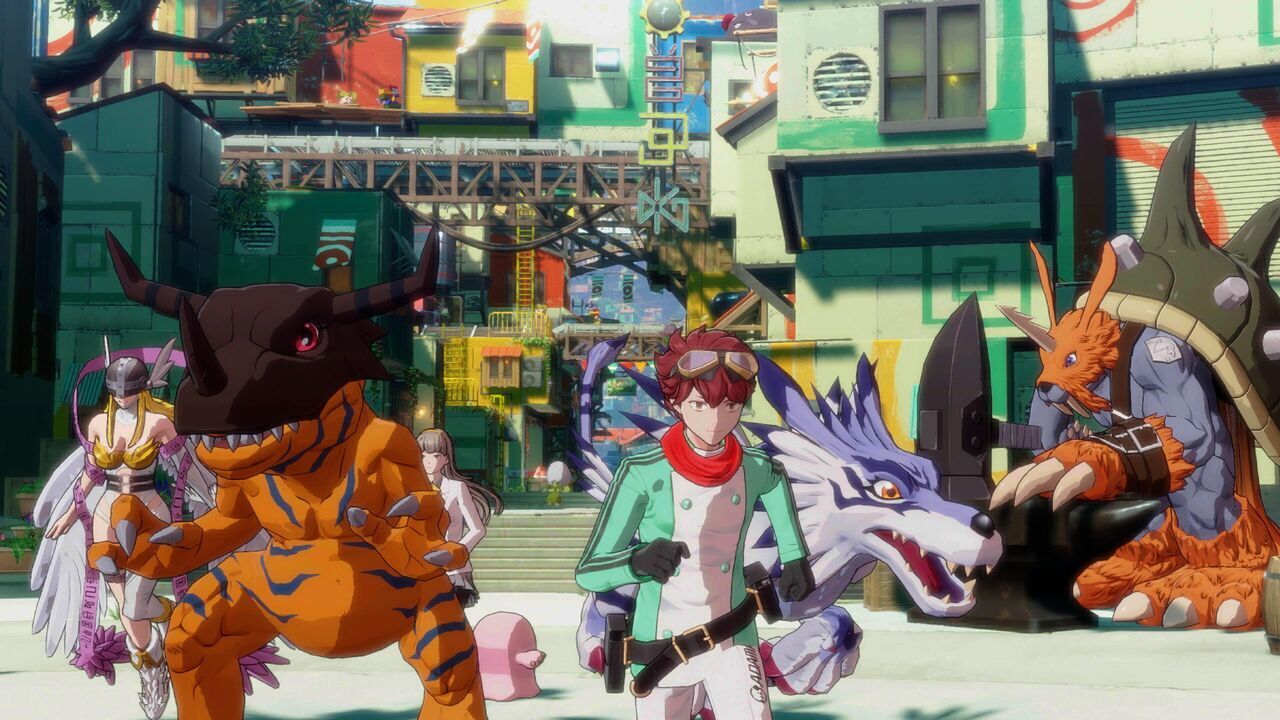
Digimon Story Time Stranger is officially set for Nintendo Switch and Nintendo Switch 2 on July 10, 2026, and that’s a big deal for anyone who’s wanted a full-size Digimon RPG on Nintendo hardware without feeling like they’re settling. We’re getting a story that stretches across the human world and the Digital World, built around that classic Digimon heartbeat: bonds, growth, and choices that actually feel personal. If you’ve ever liked the idea of building a team that reflects your style, not just the current meta, this one is built for that. It leans into monster-taming roots while still feeling like a modern RPG, with turn-based battles that push you to think a step ahead instead of just spamming the strongest move.
On Nintendo Switch 2, we also get clear options for how we want the game to feel. If you want smoother action, there’s a Performance Mode that targets 60fps at Full HD. If you’re the kind of player who pauses to admire a cinematic shot or a flashy evolution, Quality Mode targets 4K with HDR while prioritizing visuals. There’s also a practical bit that matters for a lot of households: the Nintendo Switch version can be used on Nintendo Switch 2 and, with an update, the graphics can be improved to match the Switch 2 version. So whether you’re upgrading hardware now, later, or sharing systems in the same home, we’ve got flexibility. Put simply, July 10 is shaping up to be a good day to be a Digimon fan with a Nintendo in reach.
Digimon Story Time Stranger lands on Nintendo Switch and Nintendo Switch 2
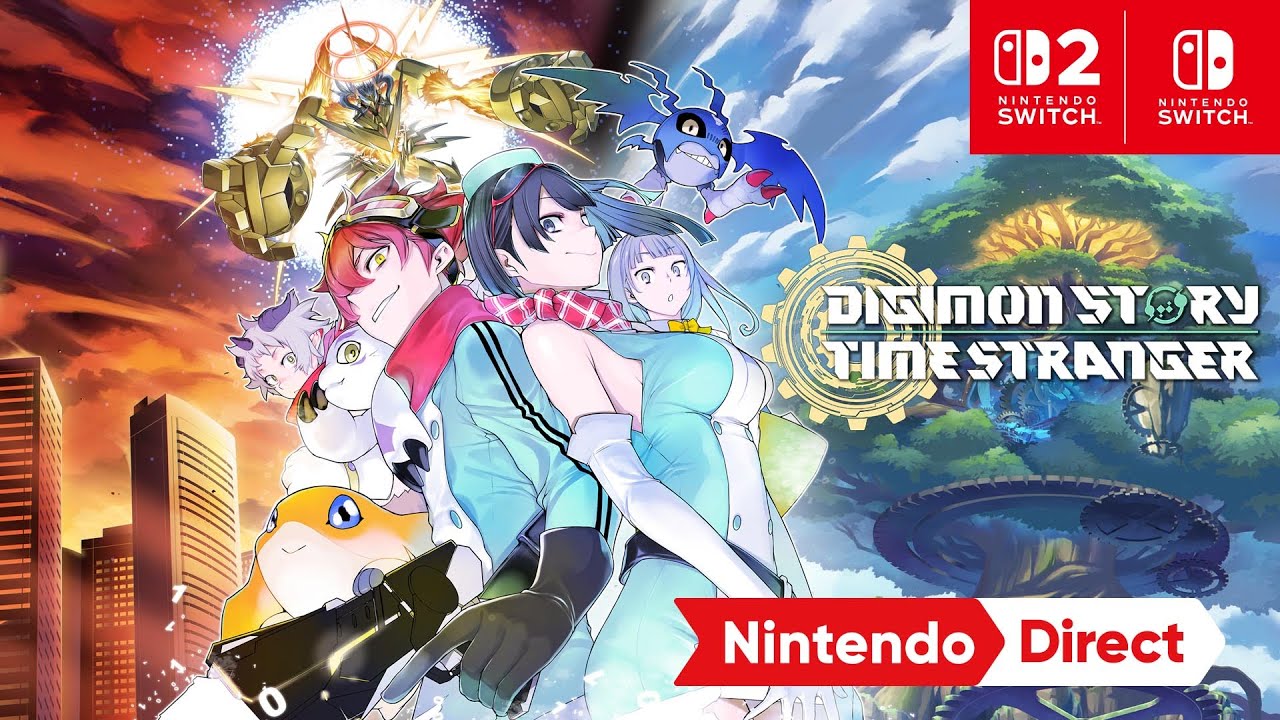
Digimon Story Time Stranger is heading to Nintendo Switch and Nintendo Switch 2 on July 10, 2026, and yes, that date is locked in. That matters because release dates can be slippery, but this one is being communicated plainly across official listings. For Nintendo players, it means we’re not watching from the sidelines while other platforms get the latest Digimon RPG conversation. We’re getting the full experience on Nintendo hardware, and we can finally plan summer gaming time like responsible adults who totally won’t disappear for “just one more battle.” If you’ve got friends or family split across Switch models, the timing also makes it a neat shared moment. Everyone can jump in, compare teams, and argue about the “best” Digimon like it’s a serious academic debate. The short version is simple: Nintendo players get the same big RPG moment, on the same day, on hardware that fits how we actually play.
Why this release matters for Nintendo players
When a series like Digimon lands on Nintendo systems, it’s not just another logo on the box. It’s about fit. Switch is built for bite-sized sessions, long handheld weekends, and that magical ability to play anywhere, including places where we should probably be paying attention to real life. Digimon Story Time Stranger is designed around steady progression: collecting, raising, evolving, and tinkering with your team. That loop loves portability. We can grind a little on the couch, do a story segment in bed, and knock out a few battles during a commute, all without feeling like we’re “playing it wrong.” For Switch 2 owners, there’s also the extra headroom for smoother performance and sharper presentation. It’s like the same meal served on two plates: one is familiar comfort, the other is the fancy one we bring out when guests come over and we want to pretend we’re organized.
A quick setup of the story and the two-world stakes
Digimon stories work best when they balance wonder with consequences, and Time Stranger leans into that classic tension between the human world and the Digital World. We’re dealing with an epic setup that revolves around the mystery of the world’s collapse, which gives the adventure a strong “we have to fix this” drive right away. It’s the kind of premise that makes every new area feel like a clue, not just a backdrop. If you’ve ever enjoyed the feeling of peeling layers off a big mystery, this is built to feed that curiosity. It also gives emotional weight to the bond theme, because relationships matter more when the world is cracking at the seams. We’re not just collecting Digimon like stickers. We’re building a crew we trust. And honestly, when the stakes are high, it’s nice to know our team has our back, even if one of them is a tiny gremlin with too much confidence.
The loop that keeps us playing: collect, bond, evolve, repeat
The core loop here is the Digimon fantasy we keep coming back for: we meet Digimon, we earn their trust, we raise them, and we evolve them into something stronger, cooler, or occasionally funnier than expected. The bond angle is more than flavor text. It’s what makes a team feel like it’s ours, not just a list of stats. You’ll spend time experimenting, swapping team members, and figuring out what clicks with your playstyle. Some players love a balanced squad that can handle anything. Others want a chaotic lineup that hits like a truck and hopes for the best. Both approaches can work if we pay attention to how battles flow and how our Digimon grow. The loop is basically a good treadmill. Not the boring gym kind, the kind where every step unlocks a new surprise and the scenery keeps changing so we forget we’re even “training.”
Turn-based battles that reward planning over button mashing
Time Stranger uses turn-based battles, and that’s great news if you like feeling clever. Turn-based systems give us time to think, adjust, and recover from mistakes without the game turning into a reflex test. The fun comes from reading the situation and making a plan that’s one step ahead. Do we go aggressive and try to end the fight fast, or do we play it safe and set up for a longer match? That choice becomes even more meaningful when we’re managing a whole team and thinking about synergy. It’s also a friendly format for handheld play, because we can pause mentally without the action sprinting away from us. If you’ve ever lost a fight because you panicked and mashed the wrong thing, turn-based battles feel like a sigh of relief. We still make mistakes, of course, but now they feel like “learning moments” instead of “why are my hands doing this.”
How team roles shape fights
Even without overcomplicating it, team roles matter a lot in turn-based Digimon battles. We can think of our lineup like a band. Someone keeps the rhythm, someone handles the melody, and someone is there purely to steal the spotlight. In practical terms, we’ll want Digimon that can deal damage, Digimon that can take hits, and Digimon that can support the team when things get messy. The most satisfying fights tend to happen when we’re not relying on a single superstar. Instead, we’re rotating options, covering weaknesses, and adapting to what the enemy throws at us. It also helps us avoid that classic RPG trap where one character does everything and the rest are just there for moral support. When each Digimon has a job, battles feel like a plan coming together, not a coin flip.
Why pacing feels different on Switch and Switch 2
Turn-based gameplay can feel surprisingly different depending on how smooth the presentation is. On Switch, we can expect a solid experience that fits the platform’s strengths, especially for portable play. On Switch 2, the options for smoother performance can make battles feel snappier, even if the underlying mechanics are the same. It’s like reading the same book with a brighter lamp. The words don’t change, but the experience does. Menus feel more responsive, animations can look cleaner, and the whole thing can feel a bit more premium. That’s not a knock on Switch. It’s just the reality of newer hardware offering more room to breathe. If we’re the type to play long sessions docked on a big screen, Switch 2’s modes can become a real quality-of-life perk.
Raising and evolving 450+ Digimon without losing our minds
One of the loudest promises attached to Time Stranger is scale: more than 450 Digimon to collect, raise, and battle. That number is exciting, but it can also sound like a menu with too many options. The trick is to treat it like a candy store, not a checklist. We don’t need everything at once. We can focus on a handful we like, learn how they grow, and expand naturally as the story unfolds. When a game offers this much variety, it’s usually because it wants us to experiment. Try a new team composition, chase a different evolution path, or build a squad around a theme that makes you smile. The joy isn’t only in having 450 options. The joy is in finding the 6 to 12 that feel like “our” Digimon, the ones we’d defend in an argument even if the stats say we shouldn’t.
Keeping progression fun instead of feeling like homework
Big rosters can either feel like freedom or like chores, and the difference is how we approach them. If we chase perfection from day one, we’re going to burn out fast. A better approach is to set small goals: round out our team, try a new Digimon type, or evolve one partner into something we’ve never used before. That keeps the experience playful. It also keeps us open to surprises, which is a huge part of why Digimon works as a series. Evolutions can feel like glow-ups with personality. If we’re laughing at what a Digimon turns into, that’s not a failure, that’s part of the charm. Progression stays fun when it feels like discovery, not paperwork.
How to pick a “starter squad” mindset
If you want a simple mental model, pick a “starter squad” and treat it like a friend group. You want a couple of reliable heavy hitters, at least one Digimon that can stabilize fights when things go sideways, and one slot reserved for experimentation. That experimental slot is where we try new Digimon without risking the whole plan. It also keeps the roster from becoming an intimidating wall of choices. Over time, that experimental slot often turns into a new favorite, and suddenly our team evolves naturally, just like the Digimon do. It’s a small trick, but it helps us stay excited rather than overwhelmed, which is the real enemy in any monster-taming RPG.
Nintendo Switch 2 display options: Quality Mode vs Performance Mode
On Nintendo Switch 2, Time Stranger offers two distinct ways to play: Quality Mode and Performance Mode. Quality Mode targets 4K with HDR at up to 30fps when docked, and Full HD at up to 30fps in handheld play. Performance Mode targets Full HD at up to 60fps, both docked and handheld. Those options are basically two personalities for the same game. Quality Mode is for when we want the visuals to shine, especially on a big screen where sharpness and HDR can make environments and effects pop. Performance Mode is for when we want motion to feel smoother and inputs to feel more immediate. Neither is “correct.” It’s more like choosing between a scenic route and the highway. Both get us there, but the vibe is different, and we get to pick what matches how we play.
Which mode fits which kind of player
If you’re the type who loves crisp visuals, cinematic moments, and a slightly more “showcase” feel, Quality Mode is your friend. It’s the option you pick when you want to lean back and enjoy the presentation, especially if you play mostly docked. If you care more about responsiveness, smoother animation, and that silky feeling when battles and exploration flow, Performance Mode is the obvious pick. It’s also great for longer sessions where smoother motion can feel easier on the eyes. And yes, it’s totally normal to switch modes depending on mood. Sometimes we want popcorn movie energy. Sometimes we want sports car energy. It’s the same destination, just a different ride.
Using the Switch version on Switch 2 and what the free update changes
There’s a practical perk for players deciding between versions: if we run the Nintendo Switch version on Nintendo Switch 2, we can download an update that improves graphics to the equivalent of the Switch 2 version. That’s a big deal for households that might buy one copy, share systems, or upgrade hardware over time. It takes some pressure off the buying decision because it keeps the door open. It also means the Switch version isn’t automatically the “lesser” choice for someone who expects to play on Switch 2 later. The key point is flexibility. We can buy based on what we own today, without feeling like we’re locking ourselves out of a better experience tomorrow. That’s the kind of consumer-friendly setup we like to see, because games are expensive and nobody wants to buy the same adventure twice out of pure regret.
What changes when we move back to Switch
It’s worth knowing that improvements tied to Switch 2 don’t magically follow us back to the original Switch hardware. If we return to playing on Switch, the graphics revert and Switch 2-specific options like the two performance modes won’t be available. That’s not a gotcha, it’s just how hardware differences work. Think of it like borrowing a faster bike for a weekend. It’s awesome, but when we give it back, we’re back to our usual ride. The upside is that our progress and overall experience still belong to us, and the core gameplay loop remains the same. So the choice becomes about how we prefer to experience it moment to moment, not whether we get the “real” game.
Physical and digital purchasing notes for Switch and Switch 2
Buying games in the Switch family can involve a few practical details, especially when two generations overlap. Official store listings are live, and the game is clearly positioned for both Switch and Switch 2, which helps reduce confusion. Some players will want digital for convenience, preloading, and instant switching between games. Others will want physical because collecting is half the fun, and there’s a certain satisfaction in holding a box like it’s a trophy. It’s also smart to think about who uses the game in your household. If multiple people share one console, physical can be convenient. If multiple consoles are involved, digital can sometimes be the easier routine. The point is not to overthink it, but to make a choice that matches how you actually live, not how you imagine you live when you’re pretending you have unlimited time.
What to watch for on Switch 2 physical releases
Switch 2 physical releases can sometimes come with different packaging approaches than what we’re used to, and it’s worth paying attention to the product listing details when you buy. Some players care a lot about whether the full game is on the card, because storage and long-term collecting matter. Others are fine as long as the experience is smooth and access is reliable. Either way, the smart move is to double-check the retailer description and the official store page before purchase, especially if you’re buying as a gift. Nobody wants that awkward moment where we’re excited to play and then realize we need an extra download step before anything happens. A tiny bit of planning here saves a lot of eye-rolling later.
Tips for choosing Switch vs Switch 2 based on how you play
If you’re deciding between playing on Switch or Switch 2, start with one question: where do you play most? If you’re mostly handheld, the Switch version already fits the lifestyle perfectly, and it’s built for quick sessions. If you’re mostly docked on a large display, Switch 2’s visual and performance options can make the experience feel more premium. Next question: do you care more about sharper visuals or smoother motion? If you’re sensitive to frame pacing and love fluidity, Performance Mode on Switch 2 is a strong reason to play there. If you’re the kind of player who stops to admire lighting, effects, and environment detail, Quality Mode is the candy. And if you’re still unsure, remember the most important truth in gaming: the best platform is the one you’ll actually use. A game you play and enjoy beats a game that looks amazing on a system that’s always docked while you’re never home.
Conclusion
Digimon Story Time Stranger arriving on Nintendo Switch and Nintendo Switch 2 on July 10, 2026 feels like the kind of win that’s easy to appreciate. We get a big RPG built around bonds, team-building, and that satisfying rhythm of raising and evolving Digimon, backed by a huge roster that encourages experimentation instead of forcing one “correct” path. Switch gives us portable comfort and flexible play, while Switch 2 adds meaningful options with Quality Mode and Performance Mode so we can pick visuals or smoothness depending on our mood. The free update path for playing the Switch version on Switch 2 also makes the whole decision less stressful, which is exactly what we want when we’re choosing where to spend our time and money. If you’ve been waiting to take a modern Digimon RPG on the go, this one is lining up to fit right into your hands, your schedule, and your summer gaming plans.
FAQs
- When does Digimon Story Time Stranger launch on Nintendo Switch and Nintendo Switch 2?
- It launches on July 10, 2026 for both Nintendo Switch and Nintendo Switch 2.
- Does the Nintendo Switch 2 version have different performance options?
- Yes. Nintendo Switch 2 includes Quality Mode targeting 4K HDR up to 30fps docked and Performance Mode targeting Full HD up to 60fps.
- Can we play the Nintendo Switch version on Nintendo Switch 2?
- Yes. The Switch version can be played on Switch 2, and an update can improve graphics to match the Switch 2 version.
- How many Digimon are available in Digimon Story Time Stranger?
- The game features more than 450 Digimon to collect, raise, and battle.
- Is Digimon Story Time Stranger a turn-based RPG?
- Yes. Battles are turn-based, which supports planning, team synergy, and flexible handheld play sessions.
Sources
- Digimon Story Time Stranger Puts the Fate of Two Worlds in Nintendo Switch Players’ Hands on July 10, Bandai Namco Entertainment, February 5, 2026
- DIGIMON STORY TIME STRANGER arrives on NINTENDO SWITCH and NINTENDO SWITCH 2 on 10 July, Bandai Namco Entertainment Europe, February 6, 2026
- Digimon Story Time Stranger, Nintendo, February 2026
- Digimon Story Time Stranger Switch Version Includes Free Switch 2 Update, Nintendo Life, February 6, 2026
- Digimon Story: Time Stranger is coming to Switch 2 and Switch on July 10, RPG Site, February 5, 2026