














Summary:
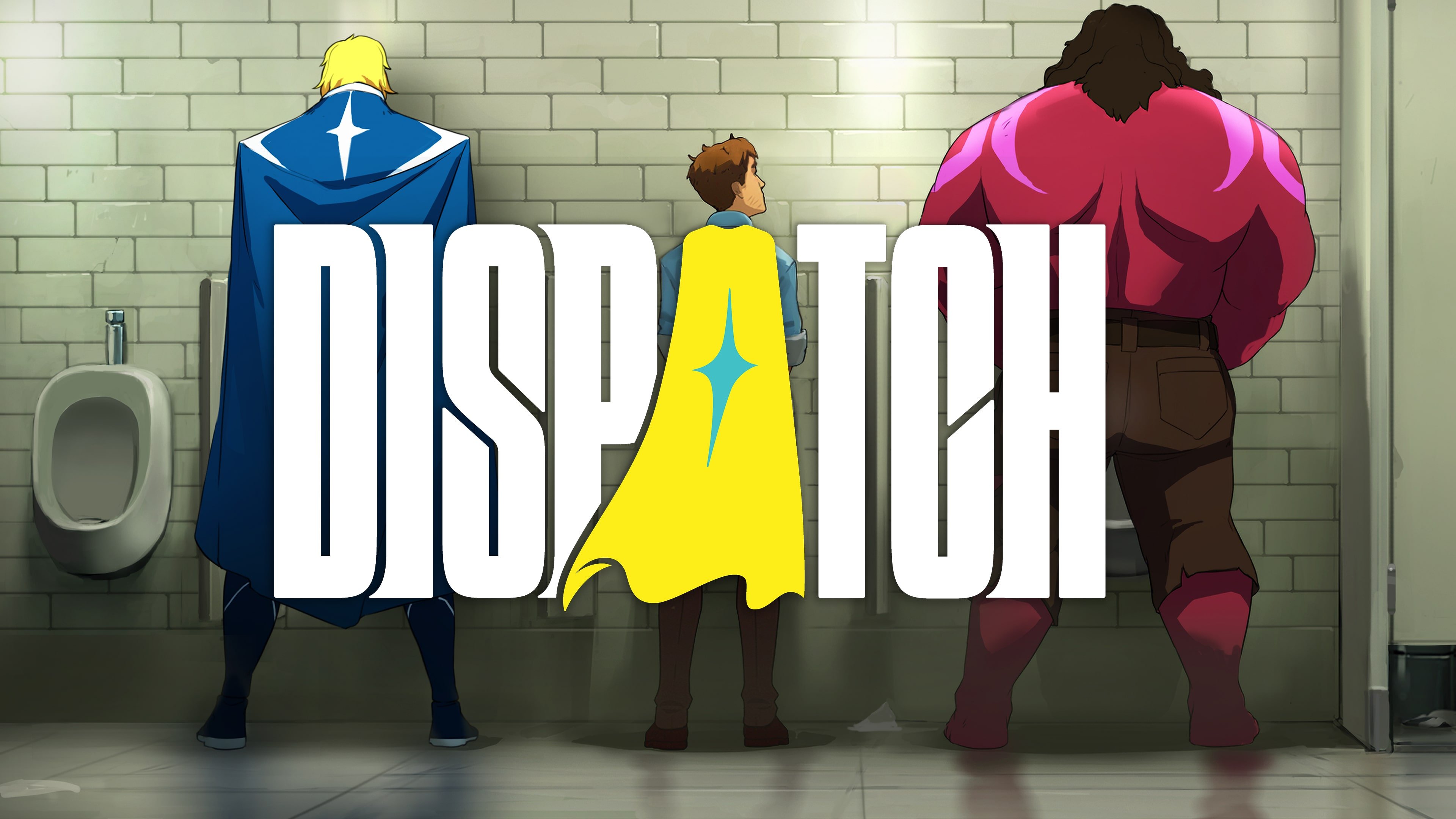
Dispatch landing on Nintendo Switch and Nintendo Switch 2 should feel like a victory lap for a well-liked superhero workplace comedy, and in most ways it still does. The big conversation starter is the way the Nintendo versions handle mature visuals. On other platforms, Dispatch includes a visual censorship option you can switch on if you want a more modest presentation, but on Switch and Switch 2 that filter is reportedly locked on with no way to disable it. That single difference sounds small until you remember what Dispatch leans on: awkward workplace timing, quick character reads, and jokes that sometimes rely on a split-second visual beat. When a scene is covered by a black bar, the dialogue can still land, but the rhythm can feel a little different, like a punchline delivered half a step late.
AdHoc has addressed the situation by pointing to platform-specific criteria and submission standards, while also stressing that the core narrative and gameplay experience remains the same. In other words, the choices you make, the relationships you build, and the overall flow of the episodes are intended to match the original release. That matters, because it draws a clear line between story structure and presentation rules. We can disagree about the trade-off, roll our eyes at how clumsy some overlays can look, and still acknowledge the practical reality: console releases often come with requirements that PC players never have to think about. If you’re deciding where to play, the real question becomes simple: do you care more about portability and Nintendo’s ecosystem, or do you want full control over how the game presents its most adult moments?
Dispatch arrives on Nintendo platforms with a key difference
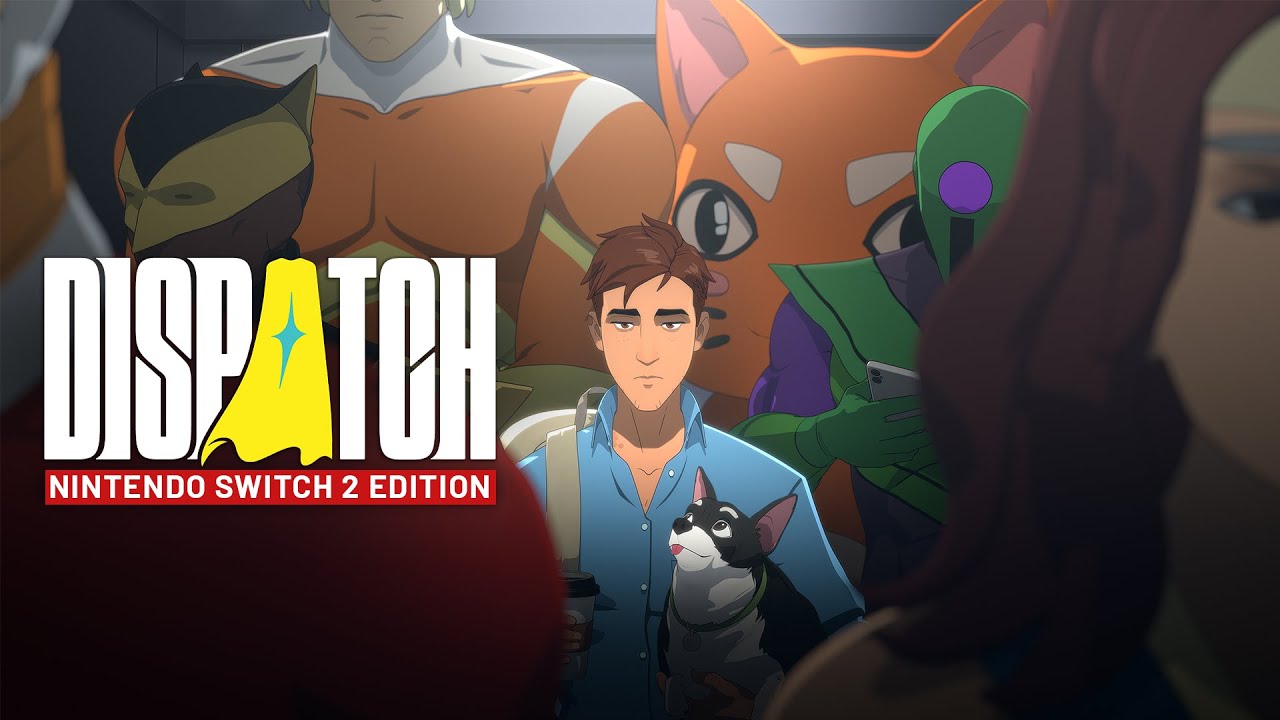
Dispatch shows up on Nintendo Switch and Nintendo Switch 2 with the same core pitch that helped it stand out elsewhere: a superhero workplace comedy where personality clashes and high-pressure calls collide. You are still dealing with team drama, unexpected consequences, and the classic “why is this meeting happening right now?” energy that makes office stories feel painfully familiar. The twist is that Nintendo’s versions have drawn attention for how they handle mature visuals. Reports describe explicit scenes being covered by a visual filter that is enabled by default and cannot be turned off, even if you would prefer the original presentation. That’s not a gameplay change in the traditional sense, but it is a player-facing change, and it’s the kind that people notice immediately because it sits right on top of the screen like a sticker you cannot peel off.
What “censored” means here, in plain terms
When people say Dispatch is “censored” on Switch and Switch 2, they are generally talking about visual overlays that block explicit nudity and certain gestures. On other platforms, the game includes a setting that can cover these moments with a bar, which gives players the choice to keep things toned down. On Nintendo’s platforms, that same kind of visual blocking is described as locked on, with no option to remove it. The important nuance is that this is not being framed as whole scenes cut out or story paths deleted. Instead, the reports focus on a mandatory visual presentation choice that changes how certain moments look, while the surrounding dialogue and scene structure remain in place.
Why platform criteria exist and how submissions get judged
Every major platform has rules, even if they do not always feel consistent from the outside. Some of those rules are about stability and security, while others are about what can appear on screen and how it is presented to different audiences. When a studio submits a game for approval, it is not simply “upload and ship.” There are checks, standards, and criteria that can vary by platform and sometimes even by region. That helps explain why a game can feel identical across systems in one area, yet still ship with a specific toggle removed or a visual setting forced on. It is not always about moral panic or someone clutching pearls at a cartoon butt. Sometimes it is just the reality of meeting a platform holder’s release criteria so the game can exist there at all.
Working with Nintendo: what the developer actually said
AdHoc has described the situation as a platform-criteria issue, noting that different platforms have different standards and that submissions are evaluated individually. They’ve also said they worked with Nintendo to ensure the title met the criteria to release on Nintendo platforms, while stressing that the core narrative and gameplay experience remains identical to the original release. That combination of points matters because it narrows what we can say with confidence. We can say the Nintendo versions use a forced visual censorship approach for certain mature moments. We can also say the studio is positioning it as a requirement for release, not as a creative decision made for fun. And we can say the studio wants players to understand that the heart of Dispatch, meaning its story flow and the way you play it, is intended to remain the same.
What stays the same: story beats, choices, and pacing
If you are worried that Nintendo’s versions are missing major story chunks, the reassurance from the developer is pointed: the narrative experience and gameplay are meant to be the same. That means your choices, the branching moments, and the consequences tied to relationships are still the backbone of how Dispatch plays out. The jokes still exist, the awkward silences still do their job, and the tension of making the “right” call when everything is messy should still feel familiar. Think of it like watching the same show with a slightly overzealous sticker on the screen during a few scenes. The episode is still the episode, the character arcs still move forward, but the presentation can nudge how a moment lands in your gut.
What changes: visuals, toggles, and presentation choices
The difference people keep circling back to is control. On platforms where the visual censorship setting is optional, players can decide what they want. On Nintendo Switch and Switch 2, the reporting suggests that the visual censorship option is effectively forced, meaning explicit nudity is covered and you cannot disable that coverage. Whether you view that as “fine, whatever” or “stop touching my settings” depends on what you value. For some players, it is a non-issue, because they were going to keep the filter on anyway. For others, it is about principle and consistency, because the game already had a built-in solution that respected player choice on other platforms.
The player experience: immersion, comedy timing, and tone
This is where the debate gets less legalistic and more human. Dispatch is built on timing, and comedy timing is fragile. A visual gag can be subtle, a character reaction can be quick, and the smallest change can shift the rhythm. When a black bar appears, it can pull your eye, and once your eye is pulled, your brain is already thinking about the bar instead of the moment. That does not mean the scene is ruined, but it can make it feel a little clunkier, like someone coughing right as a punchline lands. If you are the kind of player who gets immersed easily, you might notice the overlay more than you expected. If you are more story-first and you barely look at anything but the dialogue choice, you might shrug and keep moving.
Ratings, regions, and the “who decided this?” question
It’s tempting to point at one party and declare the case closed, but releases like this often sit at the intersection of platform policies, ratings considerations, and submission requirements. Different territories have different standards, and platform holders may apply their own criteria on top of whatever a regional board allows. That complexity is why discussions online can spiral into theories, especially when players see other mature titles on the same storefront and wonder why this one is treated differently. What we can safely say is that AdHoc is tying the change to platform criteria and approval requirements, and that Nintendo’s versions shipped with the visual censorship approach enabled in a way that players cannot turn off. Beyond that, assigning a single motive is where people tend to outrun the facts and start arguing with shadows.
Buying decisions: which version fits how you play
Choosing a platform for Dispatch comes down to your priorities, not someone else’s outrage meter. If you value portability, quick resume play, and the comfort of having Dispatch alongside the rest of your Nintendo library, the Switch and Switch 2 versions still deliver the same story structure and gameplay flow the developer is emphasizing. If you value full control over visual presentation and want the option to disable censorship, other platforms are likely a better match based on the reporting around settings differences. There’s also a practical reality: some people simply prefer a couch console or PC setup for narrative-heavy games, where they can settle in for longer sessions. Others want to chip away at an episode during commutes or in bed, like it’s a guilty snack. Neither is wrong. The only bad move is buying a version that clashes with what you personally care about, then being surprised that it clashes.
What this could mean for future Nintendo ports
This situation is a reminder that bringing a game to Nintendo platforms can involve more than performance targets and control schemes. Sometimes it is not “can it run,” but “can it ship under these criteria.” For studios, that can mean building in flexible presentation options early, so they can meet platform requirements without rewriting the game’s DNA at the last minute. For players, it is a nudge to pay attention to version differences, even when a studio says the experience is the same. Most of the time, it will be. But “same” can still include small friction points that matter to you, especially in story-driven games where tone and delivery are everything. If nothing else, Dispatch on Switch and Switch 2 shows how important transparency is. When studios clearly explain what changed and why, people may still disagree, but at least they are arguing with real information instead of rumors and vibes.
Conclusion
Dispatch on Nintendo Switch and Nintendo Switch 2 is being talked about for one reason more than any other: forced visual censorship for certain mature moments, with no option to disable it. AdHoc has framed that choice as a result of platform criteria and approval requirements, while also stressing that the core narrative and gameplay experience remains identical to the original release. That leaves us with a simple takeaway. If your main goal is to experience Dispatch’s story, choices, and workplace-superhero chaos on a Nintendo system, the Nintendo versions are positioned to deliver that. If your main goal is having full control over how mature visuals are presented, you may prefer platforms where the setting remains optional. Either way, the smartest approach is to decide based on your preferences, not on someone else’s shouting match.
FAQs
- Is Dispatch actually different on Switch and Switch 2?
- Yes, the reported difference is in visual presentation for mature scenes. The Nintendo versions use a forced visual censorship approach that players cannot disable, while other platforms offer a choice.
- Did AdHoc say the story was changed?
- No. The developer’s message stresses that the core narrative and gameplay experience remains identical, even if certain visuals are covered on Nintendo platforms.
- Can we turn off the visual censorship on Nintendo versions?
- Based on reporting from multiple outlets, the visual censorship setting is locked on for Switch and Switch 2, meaning players cannot disable it there.
- Does the censorship remove scenes or choices?
- The reporting focuses on visual overlays for explicit moments, not on entire scenes being removed or branching choices being cut.
- Which version should we buy?
- If portability and Nintendo ecosystem convenience matter most, the Switch versions still aim to deliver the same story flow. If full control over visual presentation matters most, other platforms are more likely to fit your preference.
Sources
- Dispatch is censored on Nintendo Switch and Switch 2, and this might be the reason why, Video Games Chronicle, January 29, 2026
- Dispatch Has To Cover Up On Nintendo Switch, GameSpot, January 28, 2026
- Nintendo Says No To Toxic Dong On Switch 2 As Dispatch Devs Confirm Censored Content, Kotaku, January 28, 2026
- PSA: Dispatch’s ‘Visual Censorship’ Settings Can’t Be Removed On Switch, Nintendo Life, January 28, 2026
- Dispatch, Steam, October 22, 2025