














Summary:
Fatal Frame II: Crimson Butterfly Remake looks ready to give Nintendo Switch 2 one of its most memorable horror releases of the year, and the newly available demo is doing exactly what a good demo should do. It does not just announce that the game exists. It gives players a real chance to feel the mood, test the mechanics, and decide whether this unsettling trip into Minakami Village is the kind of nightmare they want to keep walking through. That matters because Fatal Frame has always lived and died by atmosphere. This is not a series that wins people over with noise alone. It wins by creeping into the room quietly, turning the lights colder, and making every hallway feel like it is holding its breath.
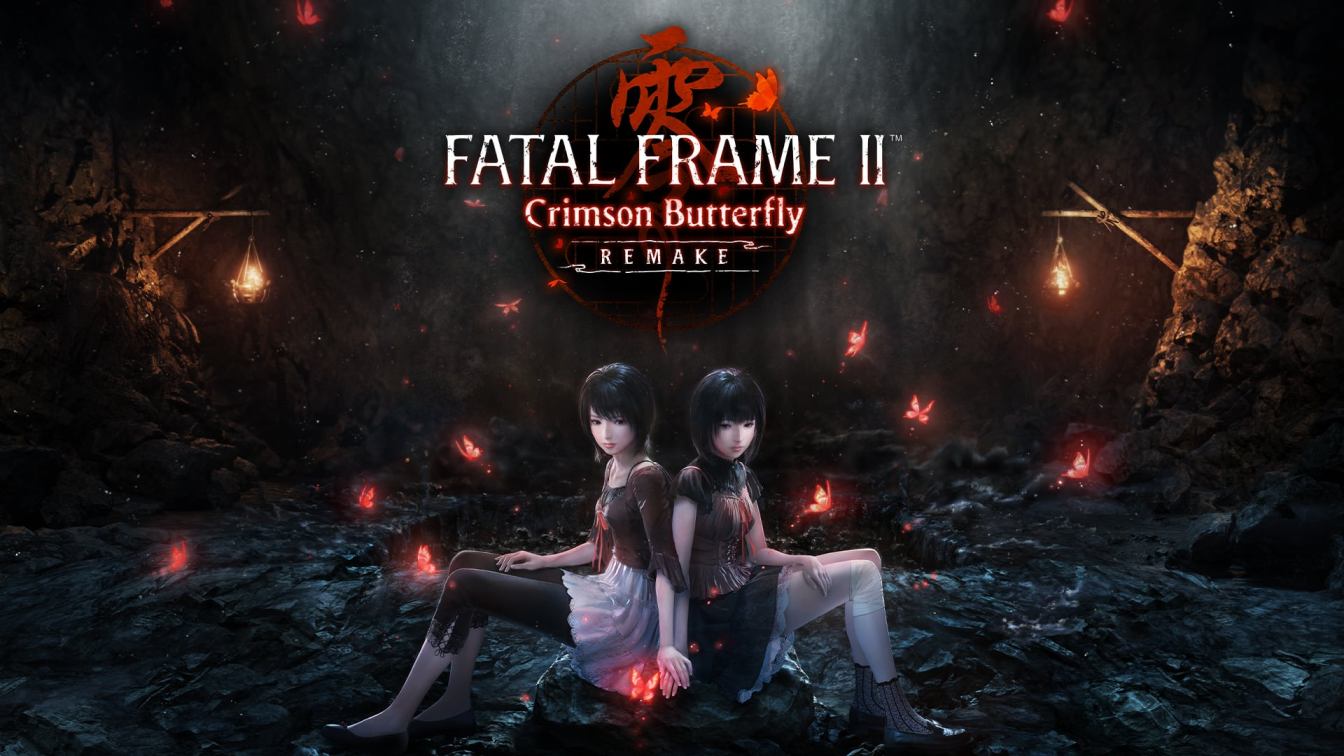
The remake already had a strong hook thanks to the return of Mio and Mayu Amakura, two sisters pulled into a cursed setting shaped by grief, ritual, and restless spirits. Now the demo gives that hook sharper teeth. Players can start the opening stretch, get familiar with the Camera Obscura, and carry their progress into the full version, which makes the whole experience feel like the first chapter of a longer descent rather than a disposable sample. That kind of carryover is small on paper, but it removes friction in a way that players usually appreciate.
There is also something especially fitting about this arriving on Nintendo Switch 2. Handheld horror has its own strange magic. A ghost story you can play with headphones on, wrapped up in your own little pool of screen light, tends to hit differently. With upgraded visuals, improved sound, and new mechanics such as holding Mayu’s hand, this remake seems determined to preserve what made Fatal Frame II beloved while giving it a cleaner, more current shape. The result is a release that feels familiar, unsettling, and very easy to keep thinking about once you put the system down.
Fatal Frame II: Crimson Butterfly Remake arrives with the right kind of horror momentum
Koei Tecmo could have simply waited for launch day and let the remake speak for itself, but releasing a playable demo ahead of the full version is a much smarter move for a series like Fatal Frame. Horror is personal. You can describe it, show a trailer, and stack up dramatic screenshots, but none of that fully replaces the feeling of stepping into a cursed village and hearing the silence press in around you. That is where this remake has a real advantage. Players on Nintendo Switch 2 can now test the opening portion for themselves, which gives the game immediate momentum just as it reaches release. It creates conversation, gives hesitant players a lower barrier to entry, and reminds older fans why Fatal Frame II still carries so much weight. A good horror setup is like a door creaking open by itself – you do not need to scream to get attention when the mood is right.

Why the demo matters more than a routine early sample
This demo is not just a polite little taste tossed onto the eShop to fill a calendar slot. It has practical value, and that matters. Save data carries over into the full game, which means early progress is not wasted and the demo feels more like the first step of the full experience. That makes it easier for players to commit. Instead of thinking, “Do I really want to replay the beginning again next week?” they can simply start now and continue later. It is a simple idea, but simple ideas often do the heaviest lifting. For a horror release, where tension and immersion matter so much, preserving that first uneasy stretch is a big plus. Once the atmosphere has its hooks in you, it is better not to reset the mood if you can help it. The result is a smoother path from curiosity to purchase, and from purchase to full involvement.
Mio and Mayu still give the story its emotional weight
Fatal Frame II has always stood apart because its fear is tied to intimacy. The story is not built around a faceless team, a loud action hero, or a parade of flashy set pieces. It centers on twin sisters Mio and Mayu Amakura, and that relationship is what gives the horror its ache. Ghosts are scary, yes, but the real sting comes from what the sisters mean to each other as they move through a place that seems designed to pull them apart emotionally and spiritually. That kind of bond makes every strange sound and every sudden apparition feel more personal. You are not wandering through danger for the sake of spectacle. You are trying to protect something fragile. The remake’s new hand-holding feature leans directly into that emotional core, and that is a wise choice. A survival horror game becomes much more memorable when the fear is attached to a relationship you actually care about.
Minakami Village remains the heart of the fear
A horror game can have sharp mechanics and polished visuals, but if the setting feels flat, the whole illusion starts to wobble. Minakami Village is the opposite of flat. It is the kind of place that seems soaked in sorrow before anything even jumps out at you. The abandoned buildings, the ritual history, the sense that ordinary life has long since drained away – all of it helps the village feel less like a level and more like a wound that never healed. That is why Fatal Frame II has stayed with so many players over the years. The fear is not only in the enemies. It is in the environment itself, in the suspicion that every room remembers something terrible. For the remake, enhanced graphics and immersive sound should make that oppressive mood hit even harder. Good horror settings do not simply look eerie. They make you feel like you should not be there, and Minakami Village has always excelled at that.
The Camera Obscura keeps the series identity intact
Plenty of horror games hand you a gun, a blunt object, or some desperate way to swing back at the darkness. Fatal Frame does something stranger and far more distinctive. It asks you to face terror by photographing it. The Camera Obscura is one of the great ideas in survival horror because it forces closeness. You do not get the comfort of distance. You have to stare at the thing coming for you, frame it, time your shot, and hold your nerve while it moves straight at your face. It is uncomfortable in exactly the right way. That mechanic is the series identity, and it is encouraging to see the remake treat it as the central pillar rather than a dusty relic. Koei Tecmo has highlighted more dynamic use of the Camera Obscura in exploration and combat, which suggests a version that respects the classic design while smoothing out how it feels in play. That balance is tricky, but it is also where a remake earns its keep.
New features help the remake feel more modern without losing its soul
One of the easiest ways to mishandle a remake is to confuse modernization with replacement. Players do not usually want the original heart removed and swapped out for something generic and safer. They want the edges refined, the presentation improved, and the rough spots sanded down without erasing what made the game worth reviving in the first place. Fatal Frame II: Crimson Butterfly Remake appears to understand that. The enhanced visuals and upgraded sound are obvious improvements, but the more interesting detail is how the new mechanics are being framed. The hand-holding feature with Mayu is not random garnish. It ties directly into the central relationship, reinforcing both story and mood. That is the kind of addition a remake needs. It should feel like a missing note finally added back into the melody, not a different song entirely. When that happens, returning players feel respected and new players get a version that makes sense in the present.
Nintendo Switch 2 gives this kind of horror a strong home
There is something especially effective about horror on a system that can move between TV play and handheld play so easily. Nintendo Switch 2 gives Fatal Frame II: Crimson Butterfly Remake two different flavors of dread. On a larger screen, the environmental detail and sound design can spread out and fill the room, making every abandoned corridor feel more oppressive. In handheld mode, the experience becomes more intimate, almost like holding a flashlight under your chin during a ghost story. That closeness suits Fatal Frame beautifully. This is not horror built around giant battlefields or chaotic spectacle. It is quieter, more focused, and more psychological. Nintendo platforms also benefit from having more releases that broaden the mood beyond bright mascots and cheerful color splashes. Those games are wonderful, of course, but a haunted village and a camera that doubles as a weapon give the platform a sharper edge. Variety keeps a library interesting, and this remake adds exactly that.
Save transfer makes the full release easier to step into
Small conveniences often shape how warmly a game is received, even when players do not talk about them for long. Save transfer from demo to full release is one of those conveniences. It removes repetition, respects the player’s time, and makes the demo feel like part of the real journey instead of a sealed-off promotional slice. That matters even more in a story-driven horror release, where mood and momentum work best when they are not interrupted. If the opening hour unsettles you, intrigues you, and gets you attached to Mio and Mayu, you should be able to carry that feeling forward without retracing your steps. It is a cleaner handoff, and it encourages people to start early rather than wait. In other words, the demo is not a disposable teaser. It is the front porch light left on before the house invites you inside. Once you cross that threshold, the full version is right there waiting.
March timing gives the game a smart launch window
Release timing can quietly shape how a game lands, and March feels like a clever slot for Fatal Frame II: Crimson Butterfly Remake. Early spring often carries a strange in-between mood anyway. The year is moving, but everything still feels a little raw around the edges. That atmosphere fits horror better than people sometimes admit. Launching on March 12 also gives the demo and the full game a tight rhythm. Interest does not have time to cool off. Players see the announcement, try the opening stretch, and can roll directly into the full release while the memory of that first encounter is still fresh. It is a compact, confident rollout. The wider horror space also benefits from games that know exactly what tone they are chasing rather than trying to please every possible audience at once. Fatal Frame II does not need to shout over the room. It just needs to keep whispering from the dark corner until you finally turn your head.
Fatal Frame II remake feels built to stick in your mind
The best horror releases are not always the loudest or the most mechanically busy. Often, they are the ones that linger. You stop playing, make a cup of coffee, look down the hallway, and suddenly the game is still there with you. Fatal Frame II: Crimson Butterfly Remake has that kind of potential because its strengths are rooted in mood, relationship, ritual, and vulnerability rather than noise alone. The demo now available on Nintendo Switch 2 gives players a chance to feel that for themselves, and the carryover save support makes the transition into the full release feel seamless. Between the return of Mio and Mayu, the dread-soaked pull of Minakami Village, the Camera Obscura’s uniquely tense combat, and the remake’s updated presentation, this is shaping up to be exactly the sort of release horror fans hope for when an older favorite comes back. Some games entertain you for a weekend. Others sit in the back of your mind like a half-remembered nightmare. This one looks ready to do the latter.
Conclusion
Fatal Frame II: Crimson Butterfly Remake has all the ingredients needed to become one of Nintendo Switch 2’s standout horror releases. The demo gives players a meaningful way in, the save transfer removes needless friction, and the full release arrives with a blend of classic identity and thoughtful updates that feels well judged. Most importantly, the remake still seems to understand what made Fatal Frame II so beloved in the first place. This is horror built on atmosphere, closeness, and emotional tension, not just jump scares and noise. When a remake preserves that kind of soul while sharpening the presentation, it stops feeling like a simple revival and starts feeling necessary.
FAQs
- Is there a demo for Fatal Frame II: Crimson Butterfly Remake on Nintendo Switch 2?
- Yes. Koei Tecmo has released a playable demo for Nintendo Switch 2 through the Nintendo eShop, letting players try the early portion of the game before moving into the full version.
- Can save data from the demo carry over to the full game?
- Yes. Save data from the demo can be transferred into the full release, which makes starting early much more appealing for players who do not want to replay the opening section.
- When does Fatal Frame II: Crimson Butterfly Remake launch?
- The full game launches on March 12, 2026, for Nintendo Switch 2, PlayStation 5, Xbox Series X|S, and Steam.
- What is new in the remake?
- The remake adds enhanced graphics, immersive sound, updated gameplay elements, and a new feature that allows players to hold Mayu’s hand, strengthening the emotional side of the sisters’ journey.
- Why does this release fit Nintendo Switch 2 so well?
- Its slow-burn tension, atmospheric exploration, and intimate horror style work especially well on a system that can be played both on a TV and in handheld mode, giving the experience two equally effective ways to unsettle you.
Sources
- KOEI TECMO ANNOUNCES RELEASE OF FATAL FRAME II: CRIMSON BUTTERLY REMAKE DEMO, KOEI TECMO EUROPE, March 5, 2026
- FATAL FRAME II: Crimson Butterfly REMAKE, KOEI TECMO EUROPE, accessed March 12, 2026
- DEMO | FATAL FRAME II: Crimson Butterfly REMAKE, KOEI TECMO America, accessed March 12, 2026
- FATAL FRAME II: Crimson Butterfly REMAKE, Nintendo UK, accessed March 12, 2026
- Nintendo eShop Highlights – 12/03/2026, Nintendo UK, March 12, 2026