














Summary:
Sometimes a remake gets greenlit because a publisher wants an easy win. That is not the vibe here. What the directors describe is much more specific: fans responded warmly to the recent remasters, then immediately followed up with the same question again and again – “What about Crimson Butterfly?” That combination matters. Praise told the team they were on the right track, and the repeated request told them exactly which door players wanted opened next. Makoto Shibata and Hidehiko Nakajima frame the decision as both practical and emotional. Practical, because a modern release can bring an older classic to people who missed it the first time. Emotional, because Crimson Butterfly has a reputation that sticks, and even inside the company it still triggers that instant recognition of “I played that a long time ago” or “That one? I loved it!”
We also have the timing factor. The original release is far enough back that the audience has shifted, expectations have changed, and technology can finally support ideas that would have been awkward or impossible in the early 2000s. That is why the remake is being positioned as more than a light polish. It is a full rebuild that aims to keep the story’s core and the series’ identity intact, while updating the parts that modern players feel in their hands and ears first: camera control, combat readability, lighting, sound, and the way tension is paced. In other words, the team is not trying to reinvent what Crimson Butterfly is. We are getting the same nightmare, just with sharper teeth and a cleaner mirror.
Why Fatal Frame II is the natural remake choice
When a series has multiple fan favorites, choosing one to remake is like picking a single photo to represent an entire family album. Someone is always going to ask, “Why that one?” The reasoning shared by the directors is refreshingly direct: Crimson Butterfly kept getting requested, consistently, and loudly. That matters because it is not a vague “people like the series” signal. It is a specific “people want this exact entry” signal. Crimson Butterfly also sits in a sweet spot for a remake because it is old enough that a modern rebuild can make a visible difference, but beloved enough that the team has a clear target for what must stay true. If we think of a remake like renovating a haunted house, this is the mansion everyone already dares each other to enter. We are not hunting for a new location. We are rebuilding the one people still whisper about.
The remaster momentum that set the stage
The story starts before Crimson Butterfly, with the earlier remasters. The team points to the remasters of Maiden of Black Water and Mask of the Lunar Eclipse as the moment where the conversation changed. Those releases did two things at once. First, they proved there is still a global audience that wants Fatal Frame in modern form. Second, they created a feedback loop: once players saw improvements, they began asking for more entries to get the same treatment. That is the important detail. Remasters are not only preservation, they are also a promise, even if nobody says it out loud. When players feel respected by a remaster, they get brave enough to request bigger moves. That is exactly what happened here, and it explains why the team describes the decision as something they began thinking about, rather than something that was always pre-planned.
What fans actually praised
Fan praise can be vague, but the feedback quoted by the team is pointed: players said the visuals were much better. That kind of comment is deceptively powerful because it is both a compliment and a challenge. It tells the developers the upgrade work was noticeable, and it raises expectations for what a future rebuild could achieve. Visual upgrades also have a special role in horror. If lighting, texture detail, and shadow contrast improve, the atmosphere changes even when the map layout does not. A hallway that used to look like a videogame hallway can start to look like a real place you do not want to be alone in. That is the horror trick – make the space feel believable, then let the impossible step into it. So when fans praised visuals, they were not only praising prettier graphics. They were praising fear that lands harder because the world sells the lie more convincingly.
The “visuals were much better” effect
Here is the funny thing about horror fans: we complain, but we also keep receipts. If a remaster makes the world sharper and the mood stronger, players remember it, and they bring that expectation into every future request. The team describes getting praise from fans around the world, then immediately being hit with the follow-up question about Crimson Butterfly. That is not random. It is cause and effect. Players basically said, “You proved you can do this, so now do it for the one we care about most.” It also shows how visuals and emotion are tied together in Fatal Frame specifically. The series is built around looking – aiming a camera, framing a shot, staring at something that would rather stay unseen. If visuals improve, the act of looking becomes more intense. It is like upgrading from an old flashlight to a bright one, then realizing you can see the stains on the wall now. Great, right? Also, absolutely not great.
The one request that kept coming back
Shibata describes the pattern in a way that feels very human: there were requests for remasters, requests for a new game, and among all of that noise, the most common were people waiting for a Crimson Butterfly remake. That matters because it frames the remake as a response to sustained love, not a sudden trend. The team also mentions that even within the company, the game sparks strong reactions from people who played it long ago and still remember it fondly. That internal reaction is not trivia. It suggests the developers are not treating the source material like dusty IP. They are treating it like a story that shaped them too. When a remake is built by people who already carry that attachment, the goal becomes clearer: keep what players valued, modernize what time has made rough, and invite new players in without making them feel like they missed a secret meeting in 2003.
Timing matters – why now feels right
Fan demand explains the “why,” but timing explains the “why now.” The team points out that it has been a while since the original release, and that gap is not just a number on a calendar. It changes the audience. Some players are returning with nostalgia, others are arriving fresh with modern expectations, and both groups need the remake to meet them where they are. The longer the gap, the more a remake becomes a bridge instead of a repaint. Technology also evolves, and horror design evolves with it. What used to be scary because of technical limits can now be scary because of deliberate craft. That is the key shift. We are no longer forced to accept clunky camera behavior or limited presentation as the cost of entry. Instead, those tools can be redesigned to serve fear on purpose, the way a chef plates a dish to make it look irresistible before it burns your mouth.
It has been a while, and that gap changes everything
Think about how people discover games now compared to the early 2000s. Back then, you either owned it, borrowed it, or heard about it like a campfire rumor. Now, a classic can go viral overnight, and a new release can bring a whole back catalog into the spotlight. That environment makes a remake more meaningful because it becomes the “main door” for new players, not a side entrance. The team’s reasoning fits that reality: if people loved the recent remasters and kept asking for Crimson Butterfly, the moment was ripe to finally make the leap from “updated version” to “full remake.” A full remake also signals confidence. It is the team saying, “We believe this entry can stand in today’s market without being treated like a museum exhibit.” That is a bold stance for horror, where mood and pacing have to compete with modern attention spans.
Who is leading the remake and how the roles split
One of the most reassuring details is that the remake is being discussed by people with clear responsibilities. Shibata is the series director who has been there since the beginning, and Nakajima is directing key action and gameplay elements. That division matters because Fatal Frame lives on two rails at once: atmosphere and mechanics. If you nail the story mood but the controls feel awkward, players break immersion. If you nail the mechanics but lose the series’ strange, fragile dread, you end up with a different kind of game wearing a familiar mask. The remake’s leadership setup suggests the team is intentionally protecting both rails. It is like having one person guard the haunted narrative house, while another reinforces the floorboards so we can actually walk through it without tripping over 2003-era design.
Makoto Shibata’s series blueprint
Shibata’s involvement signals continuity. When a creator has shepherded a series from its first entry, they tend to know which small details are actually load-bearing. In horror, those details are often subtle: the rhythm of footsteps, the way a scene breathes before a scare, the emotional logic of why characters keep moving forward even when every instinct says “leave.” Shibata’s comments about understanding how valued Crimson Butterfly is suggests a protective mindset. The goal is not to replace the original in fans’ hearts. The goal is to honor what made it special while making it playable and impactful for a modern audience. That is also why internal company reactions matter. If the team includes people who loved the original, Shibata can use that shared memory as a compass. Not nostalgia for nostalgia’s sake, but a reference point for tone.
Hidehiko Nakajima’s gameplay focus
Nakajima’s role, as described, leans into the action and control side, which is exactly where remakes live or die for new players. Horror fans will tolerate a lot, but frustration is not fear, and modern audiences are quick to bounce if movement and camera behavior feel like a fight. Bringing in a director focused on gameplay execution suggests the remake wants to feel contemporary in the hands, not only impressive in screenshots. That does not mean turning Fatal Frame into something it is not. It means tuning the interface between player and dread. If the player can move naturally, they stop thinking about the controller and start thinking about what is hiding around the corner. That is the ideal. We want the mechanics to disappear so the fear can show up, grin, and take a seat at the table.
What a full remake changes without breaking the mood
A full remake implies more than new textures. It implies structural updates that reframe how we experience the same story. The trick is that horror is fragile. Change too much and you lose the pacing that made the original effective. Change too little and you risk shipping something that feels dated in motion, even if it looks gorgeous in still images. The team’s explanation for why Crimson Butterfly fits a remake suggests they believe the foundation is strong enough to survive modernization. That is a good sign, because it frames the remake as enhancement, not correction. We are not here to “fix” Crimson Butterfly like it was broken. We are here to rebuild it with modern tools, the way you restore an old photograph so the faces are clearer, while keeping the same expression that made you love it in the first place.
Modern controls, same nervous energy
The biggest fear with modern controls in classic horror is that smoother movement might make the game feel less tense. But tension is not only about clunk. It is about vulnerability. If the remake modernizes how we move and aim, it can still keep us vulnerable by designing encounters that punish panic and reward composure. Fatal Frame already has that baked in. We do not defeat threats by swinging a sword. We defeat them by holding our ground long enough to take a shot. That is inherently tense. So modern controls can actually sharpen the experience, because they let the game demand precision without feeling unfair. If we miss, it is on us, not on awkward input. That kind of responsibility makes horror more personal. It is the difference between blaming a stuck door and realizing your own hand is shaking as you reach for the handle.
The fear of seeing too much
There is a paradox in horror: better visibility can make things scarier. When you can see detail, you can also see what is wrong. A shadow becomes a shape. A shape becomes a person. A person becomes something that is not quite a person. That is where Fatal Frame thrives, because the Camera Obscura turns looking into combat. With clearer visuals, the act of aiming is more intense because the target is more readable, and the environment feels more real. The team’s earlier experience with remaster praise for improved visuals supports this logic. Players noticed the upgrade, and they wanted that upgrade applied to Crimson Butterfly. That suggests the remake can lean into “seeing too much” as a design strength. Not by making everything bright and safe, but by making the darkness more textured, the movement in the corner of your eye more believable, and the moment you realize what you are staring at more stomach-dropping.
The Camera Obscura gets sharper tools
Fatal Frame is built on one of the coolest horror ideas ever: your weapon is a camera, and the price of survival is looking directly at the threat. That concept does not age out. If anything, it gets stronger with modern presentation, because the threat can be animated, lit, and staged with more nuance. Official information about the remake highlights reworked Camera Obscura gameplay and new features that add layers to both combat and exploration. The key is that these are not flashy gimmicks. They are tools that change how we approach danger. When the camera has deeper mechanics, every encounter becomes a mini mind game: do we wait for the perfect moment, risk getting grabbed, and try to land a stronger shot, or do we play it safe and chip away? Horror becomes strategy, and strategy becomes suspense. It is chess, but the pieces hiss at you.
Focus, zoom, and filters as real mechanics
Focus, zoom, and filters sound like camera vocabulary, but in this remake they are framed as gameplay vocabulary. Focus points reward precision, zoom affects distance and safety, and filters change how we interact with threats and clues. That matters because Fatal Frame’s horror is not only about jump scares. It is about investigation under pressure. If filters help reveal mysteries and recreate traces of the past, the remake is leaning into the idea that the village itself is a puzzle box soaked in grief. These mechanics also support pacing. When exploration has meaningful tools, the quiet moments stay engaging instead of turning into “walk forward until something attacks.” In other words, the camera is not just a gun with a different skin. It is a multi-tool, and the village is the nightmare workshop where we keep finding new uses for it.
Shutter Chance, Fatal Frame, and Fatal Time
Reworked combat states like Shutter Chance, Fatal Frame, and Fatal Time are the kind of additions that can make encounters feel more dynamic without turning the game into an action sprint. The official details describe them as timing windows and thresholds that reward smart play: align focus, deal enough damage, and you earn a chance to hit hard. That fits Fatal Frame’s identity because it reinforces the central tension – staying calm long enough to shoot at the worst possible moment. These systems also create memorable stories. Everyone who loves horror games has that one moment they retell: “I waited too long, it lunged, I still got the shot.” Mechanics that create high-risk, high-reward timing moments make those stories happen more often. And because the camera is the tool, those stories feel uniquely Fatal Frame. We are not dodging bullets. We are taking photos in a place that wants us dead, which is frankly an unhinged hobby, but here we are.
Sound and lighting – the quiet upgrades that hit hardest
Horror lives in sound design and lighting design more than almost any other genre. A remake that upgrades these elements can change the emotional impact even when story beats stay the same. Official information about the remake points to enhanced graphics, refined lighting and shadow contrast, and revamped sound with spatial audio support. That kind of upgrade is not just technical bragging. It is a way to control dread. Spatial audio can make you question where a presence is, even before you see anything. Lighting upgrades can make ordinary rooms feel hostile, because the shadows become deeper and the contrast becomes more dramatic. The scariest moments often happen before the ghost appears. They happen when you hear a shift, feel the space change, and realize your body is already bracing. If the remake nails this, we will not only see Minakami Village better. We will feel it better, and that is the whole point.
The sisters’ bond becomes a mechanic, not just a plot point
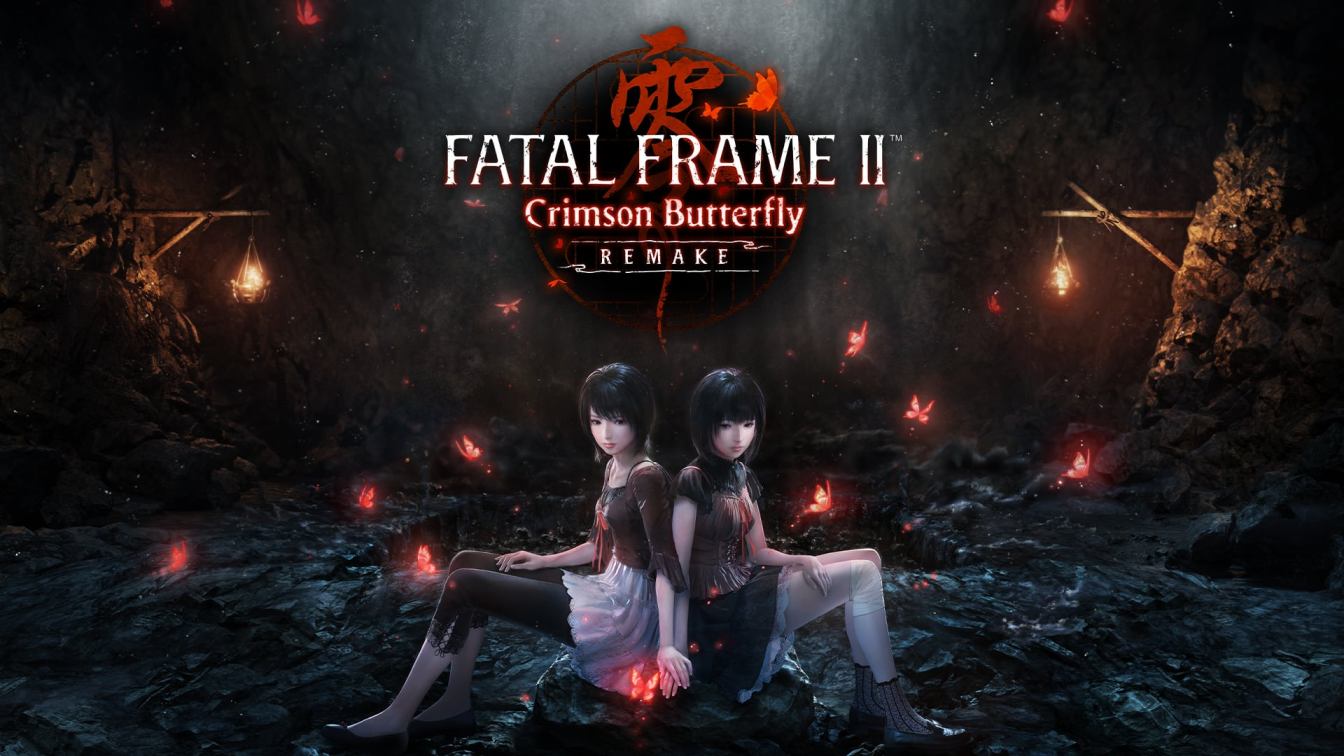
Crimson Butterfly’s emotional backbone is the bond between the twin sisters, and a remake has the chance to express that bond through gameplay, not only dialogue and cutscenes. Official details describe a new feature where we can hold Mayu’s hand to recover, with additional tension if she is in danger and needs help. That is a strong fit for this story because it turns connection into both comfort and vulnerability. In horror, relationships often exist to be threatened. Here, the relationship also becomes a tool for survival, which makes every threat feel more personal. You are not only trying to live. You are trying to keep someone else upright, literally. That is the kind of mechanic that can make the fear feel less like a haunted house ride and more like a shared, awful night where you keep moving because stopping would mean leaving someone behind.
Holding hands, recovery, and new kinds of panic
A recovery mechanic can sound like a simple quality-of-life change, but in horror it can also become a new lever for stress. If holding hands restores health and willpower, it encourages us to stay close. Staying close can feel safe, until the game designs moments where closeness creates risk. The official details also mention that Mayu may stumble and fall if she is in danger, requiring Mio’s help. That is where the mechanic turns from “nice” into “oh no.” It adds responsibility under pressure. You can picture it: you are low on resources, you want the recovery, you take her hand, and then the environment or a spirit forces a decision that splits your attention. That kind of split is horror gold because it mirrors real fear. When people panic, they do not panic in clean, isolated ways. They panic while trying to protect someone, while trying to remember the way out, while trying not to look away.
Platforms, release date, and what to expect at launch
Details matter because they help us plan, and they also signal how seriously a publisher is treating a release. The remake has a clear global release date and a broad platform lineup, which suggests this is not being treated as a niche side project. That aligns with the team’s explanation of global fan feedback and strong demand. It is also a practical win for anyone who has struggled to access older entries over the years. When a horror classic becomes hard to play legally, it slowly turns into a rumor again, something you hear about more than you experience. A modern release fixes that. It puts the game back in players’ hands, where it belongs, and it gives new fans a clean entry point without needing to decode old hardware ecosystems like an archaeologist with a controller.
March 12, 2026 and supported platforms
The official release date is March 12, 2026, and the platform list is wide: PlayStation 5, Nintendo Switch 2, Xbox Series X|S, and PC via Steam. That spread matters because it matches the idea of “fans all over the world” pushing the project forward. Accessibility is part of honoring fan demand. If people asked for a remake, the best follow-through is making sure they can actually play it on the hardware they own now. It also means the remake has to meet a modern baseline across different ecosystems, which typically pushes developers toward cleaner controls, clearer presentation, and stronger performance targets. In horror, performance is not only about smoothness. It is about timing. When a scare is designed around a sound cue, a visual shift, and your ability to react, consistency is part of the fear.
Editions and early purchase extras
Launch planning also includes what versions are available and what bonuses exist for early buyers. Official information outlines a Digital Deluxe Edition that includes the base game plus a digital soundtrack and digital art book, along with bonus items and costumes. There are also early purchase bonuses tied to buying before a specific date, and separate perks for digital pre-orders. Whether you care about bonuses or not, these details tell us the publisher is treating the remake like a major release with a full rollout, not a quiet drop. For returning fans, extras can be a fun side dish, like getting a collector-friendly nod to the original. For new players, the more important takeaway is that the base experience is clearly positioned as the main event. The extras are optional, not required to understand what is happening in the village, which is good, because the village already has enough going on.
How we can get ready, whether we are new or returning
Preparation for a horror game is not about grinding levels. It is about mindset. Fatal Frame rewards patience, observation, and nerve. If you are new, the key is to accept that the camera is your lifeline and your curse. You will need to look at the threat, not away from it, and you will need to learn the rhythm of waiting for a stronger moment. If you are returning, the key is to let the remake be what it is, not what you remember. A remake that updates controls, camera features, and presentation will feel different, even when story beats hit the same emotional notes. The best way to enjoy it is to treat it like revisiting a childhood street at night. You recognize the shapes, but the shadows are different, and that difference is the point.
A practical mindset for surviving Minakami Village
On a practical level, we can think in three habits. First, slow down and scan spaces like you are reading a room’s mood, not rushing to the next marker. Horror games punish sprinting because sprinting makes you miss cues. Second, treat every encounter as a timing puzzle. If the remake leans into stronger camera mechanics and timing windows, panic shooting will feel wasteful, while composed shooting will feel rewarding. Third, remember that fear is part of the design, and it is okay to feel it. If you are tense, that means the game is doing its job, and you are meeting it halfway. The only trick is not letting tension turn into sloppy decisions. Breathe, frame, shoot, repeat. It is basically photography class, except the subject is trying to climb into your skin.
What fan demand really means for the series
The most interesting part of the remake’s origin story is what it says about the relationship between the team and the audience. The directors describe a clear chain: remasters released, fans praised the upgrades, fans asked for Crimson Butterfly, and the team began thinking seriously about developing it. That is a real feedback loop, not marketing fluff. It also suggests the series has a long memory. People have been asking for this entry specifically, and the team heard it often enough that it became impossible to ignore. If this remake lands well, it sets a precedent: the audience is willing to show up for Fatal Frame when the releases respect the series’ identity and modern play expectations. That is a powerful message, and it might shape what happens next, even if nobody is promising anything out loud right now.
A message the team could not ignore
Shibata’s description of the requests, and the way he emphasizes how loved the title is, makes the remake feel like a response to genuine attachment rather than a short-term strategy. That is good news for fans because it implies the team is motivated by pride as much as sales. Nakajima’s explanation also frames the decision as something sparked by hearing from fans around the world, which reinforces that this is not only a Japan-centric legacy project. It is a global horror classic getting the modern treatment because people kept raising their hands and saying, “Please, that one.” If we zoom out, that is the real headline: a classic survived long enough in people’s minds that it created its own momentum. The remake is the payoff, and the payoff is arriving because the audience kept the candle lit, even when the hallway got cold.
Conclusion
When the people making a remake can explain it in one clean sentence – fans loved the recent remasters and kept asking for Crimson Butterfly – it usually means the project has a solid heartbeat. This remake is not being framed as a random experiment. It is being framed as the obvious next step after a wave of feedback that pointed in one direction. That matters because horror fans are loyal, but they are also picky, and they can smell a soulless revival from a mile away. What we are hearing from the directors is the opposite of soulless. It sounds like a team that understands why Crimson Butterfly stuck with people, and why now is the right moment to rebuild it with modern tools, broader access, and mechanics that can finally express the sisters’ bond in the player’s hands. March 12, 2026 is the date on the calendar, but the real story is older: this remake exists because players kept remembering, kept asking, and refused to let the village fade into legend.
FAQs
- Why did Koei Tecmo choose Crimson Butterfly for a remake?
- The directors said the decision was driven by fan response to recent remasters and repeated requests for Crimson Butterfly specifically. They also noted how widely loved the game is, including strong reactions from people inside the company who remember playing it years ago.
- Did the remasters of other Fatal Frame games influence this remake?
- Yes. The team pointed to the remasters of Maiden of Black Water and Mask of the Lunar Eclipse, saying fans praised the improved visuals and then asked what would happen with Crimson Butterfly. That pattern helped push the team toward developing a full remake.
- When does Fatal Frame II: Crimson Butterfly Remake release, and on what platforms?
- The official global release date is March 12, 2026. It is scheduled for PlayStation 5, Nintendo Switch 2, Xbox Series X|S, and PC via Steam.
- What kinds of upgrades have been officially described for the remake?
- Official details highlight enhanced graphics, refined lighting and shadow contrast, revamped audio with spatial support, and reworked Camera Obscura mechanics. New camera-related features like focus, zoom, and filters are also described as meaningful parts of combat and exploration.
- Is there anything new tied to Mio and Mayu’s bond?
- Yes. Official information describes a feature that lets Mio hold Mayu’s hand to recover health and willpower, with added tension if Mayu is in danger and needs help. It is a gameplay change that ties emotional connection directly to survival.
Sources
- The Screams of Classic Japanese Horror Await as FATAL FRAME II: Crimson Butterfly REMAKE Returns March 12, 2026, KOEI TECMO AMERICA, November 11, 2025
- [インタビュー]和風ホラー「零 ~紅い蝶~ REMAKE」は,物語や恐怖感をそのままに,現代的なゲームへと昇華。ディレクター陣が語る,20年ぶりのリメイクとは, 4Gamer.net, November 13, 2025
- Koei Tecmo explains why it decided to give Fatal Frame 2 a remake, Nintendo Everything, January 10, 2026
- FATAL FRAME II: Crimson Butterfly Remake was created due to fan demand, GoNintendo, January 10, 2026
- 『零 ~紅い蝶~ REMAKE』インタビュー。撮影の楽しさを追求したカメラ遊びと、幽霊との対峙。ホラーゲームながらに遊びやすさも磨き上げる。幽霊の音声は当時のまま, ファミ通.com, November 12, 2025
- 『零 ~紅い蝶~ REMAKE』インタビュー:リメイクするうえで譲れなかった部分が明らかに。操作方法の進化やストーリー、新システムの実装意図までがっつり語る, 電撃オンライン, November 12, 2025