














Summary:
Square Enix has confirmed a big early milestone for Final Fantasy Tactics: The Ivalice Chronicles: more than one million copies sold worldwide since launch. That sounds straightforward, but the wording matters, the timing matters, and the ripple effects matter even more. When a company talks about “shipments and digital sales,” it’s mixing two realities: physical copies shipped into stores and digital copies bought directly by players. It’s still a real achievement, but it’s also a number that’s best read as momentum, not a final scoreboard.
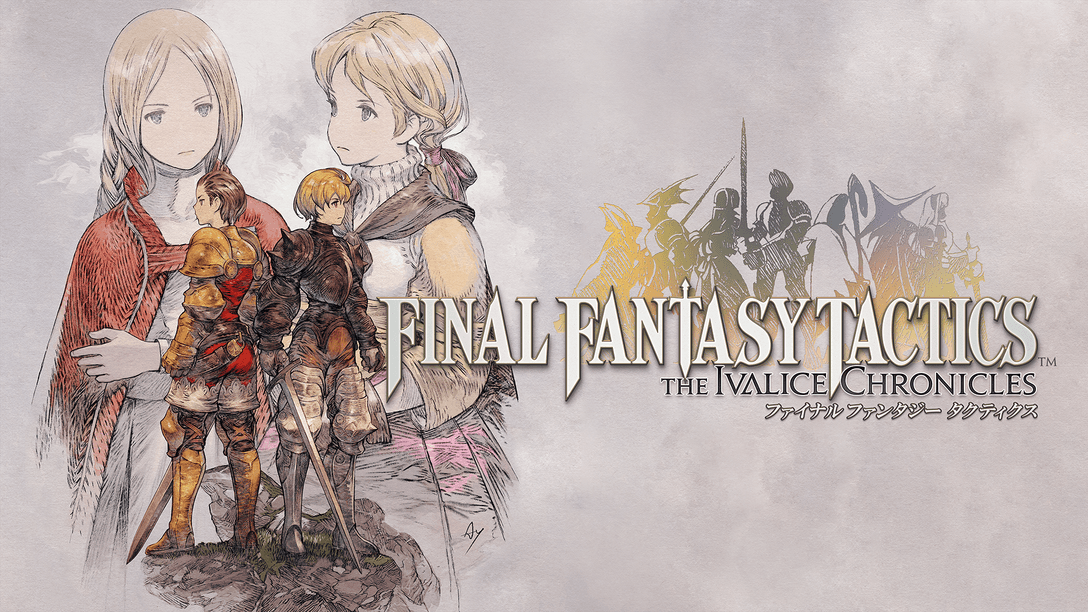
What makes this milestone pop is how quickly it happened. Tactical RPGs can be slow-burn hits, the kind that people recommend for years like a favorite local restaurant that never needs billboards. Hitting a million in roughly three months says the audience didn’t just show up – they showed up early. Square Enix also celebrated with new artwork, which might look like a simple “thank you,” but it’s also a signal that the publisher wants this release to stay in the conversation.
We’re going to break down what the one-million figure actually means, why it’s impressive for this genre, what’s pulling longtime fans back to Ivalice, and what makes the updated version easier to approach for newcomers. We’ll also talk about what could come next, from practical updates players tend to ask for to the bigger question everyone loves to whisper: does this improve the odds of more Tactics in the future?
Final Fantasy Tactics The Ivalice Chronicles – The one-million mark
Square Enix has announced that Final Fantasy Tactics: The Ivalice Chronicles has passed one million copies sold worldwide since launch. On the surface, that’s the whole story: a classic tactical RPG returned, people bought it, and the number is big enough to celebrate. But for anyone who follows game launches, that first headline number is like the first bite of a meal – it tells you a lot, but not everything. A million sold shows there’s real appetite for slower, decision-heavy games where positioning matters and a bad choice can sting. It also hints that this release didn’t rely only on nostalgia, because nostalgia alone doesn’t usually move units this quickly unless the package lands well with modern players too.
The official phrasing – shipments plus digital sales
The milestone is being framed around “shipments and digital sales,” which is a common industry combo that can trip people up. Digital sales are exactly what they sound like: someone paid, downloaded, and now owns a copy tied to an account. Shipments are different – they refer to physical copies sent out through retail channels. Those copies are expected to sell through to customers, and over time they usually do, but they are not the same thing as “every single copy is already sitting in a player’s library.” None of that undermines the achievement. It simply keeps our expectations realistic, so we don’t accidentally turn a celebratory number into a weird argument online about semantics.
Why “shipments” matters
Shipments matter because physical distribution is its own world, with stores needing stock for launch windows, reorders, and regional demand spikes. If a retailer can’t keep copies on shelves, that’s lost opportunity, so publishers often ship aggressively early on. That means the number is partly about confidence and planning, not just raw day-to-day purchases. For a game like The Ivalice Chronicles, shipments also hint that Square Enix believed demand would extend beyond the core fanbase. You don’t push physical supply if you expect only a small niche to buy. In other words, the wording tells us the launch was treated like a real event, not a quiet rerelease that only diehards would notice.
A quick fan-friendly translation of the number
Here’s the simplest way to read the announcement without turning it into homework: the release has meaningful traction, and it’s moving fast enough that Square Enix wants everyone to know. It means a lot of players have bought in digitally, and enough physical copies are moving through stores that the publisher is comfortable celebrating the combined total. For you as a player, the practical takeaway is that the game isn’t fading into the background. A strong early run like this tends to keep the lights on for post-launch polish, extra visibility during sale events, and the kind of social proof that convinces hesitant newcomers to finally give tactics games a shot. Sometimes the biggest barrier to trying a strategy RPG is simply thinking, “Is anyone else playing this?” A million copies is a pretty loud “yes.”
The timing – why three months is a big signal for a tactics RPG
Timing is the part that makes this milestone feel extra punchy. The Ivalice Chronicles launched at the end of September 2025, and the one-million mark is being celebrated in early January 2026, which puts it at roughly three months on the market. Tactical RPGs can absolutely sell well, but they often build their reputation through word-of-mouth that spreads like a slow, steady campfire rather than a fireworks show. Hitting a million this early suggests there was a strong launch moment and a strong follow-through, not just a brief spike. It also implies the release connected across different audiences at once: longtime fans returning for the story, curious newcomers drawn in by modern upgrades, and players who simply wanted something slower and more thoughtful in a season packed with loud, action-heavy games.
The artwork celebration – more than a victory lap
Square Enix celebrating with fresh artwork might sound like a small gesture, but it’s rarely random. New celebratory art is both a thank-you and a spotlight. It gives fans something sharable, it reignites conversation on social platforms, and it reminds anyone on the fence that the game is doing well and still “alive” in the public eye. Think of it like a band dropping a surprise acoustic version of a popular song – you already liked the track, but the new version gives you an excuse to talk about it again. In practical terms, moments like this often line up with marketing beats, discounts, or upcoming patches because publishers like to stack good news. Even if nothing else is announced right away, the act of celebrating publicly suggests Square Enix is happy enough with the momentum to keep feeding it.
What made The Ivalice Chronicles click with old fans
For longtime fans, this release isn’t just about replaying a beloved classic. It’s about returning to Ivalice with fewer friction points and more respect for modern expectations. Final Fantasy Tactics has always had a reputation: brilliant systems, unforgettable political drama, and the occasional moment where the game stares at you like it knows you mispositioned that unit on purpose. The Ivalice Chronicles seems to hit a sweet spot where the heart of the original is intact, but the experience feels less like wrestling an old interface and more like actually enjoying the battles and the story. That balance is hard. Change too much and you alienate purists. Change too little and newcomers bounce. A million copies suggests the balance landed well enough that fans not only returned, they stuck around and told their friends.
A story that still bites
One reason Ivalice keeps pulling people back is that the story doesn’t rely on simple good-versus-evil vibes. It’s messy in a way that feels human: ambition, betrayal, class tension, and the kind of political maneuvering where even “victory” can feel like a bruise. Ramza’s journey works because it’s personal and grounded, even when the stakes grow. For returning fans, that tone hits like hearing a favorite song from your teenage years and realizing it still holds up, just in a different way now that you’ve lived a little. For newer players, it’s refreshing because it doesn’t treat you like you need constant spectacle to stay interested. It earns attention through consequence, and that kind of writing has a long shelf life.
Systems that reward planning, not grinding
Final Fantasy Tactics has always been a “think first, swing later” kind of experience. Positioning, turn order, terrain, and job choices matter, and the best moments come when a plan clicks into place like a lock turning cleanly. That’s the magic returning fans chase: the feeling that your brain, not your reflexes, won the fight. The job system is also a big part of the addiction loop, because it lets you experiment and build a team that feels like yours, not just a preset cast following a script. When a tactics game is working, every battle is a little story you wrote with choices. And when you lose, it’s rarely because the game cheated – it’s because you got outplayed, and now you want a rematch. That “one more try” energy is a powerful sales engine once people start recommending it.
What changed for newcomers
For players who never touched the original, the biggest question is simple: is this welcoming, or is it the kind of classic that expects you to suffer first and have fun later? The success of The Ivalice Chronicles suggests it’s doing a better job at meeting newcomers halfway. Tactics games can be intimidating because there’s a lot to read and a lot to track, and early mistakes can feel permanent. Modern releases tend to smooth that out with clearer interfaces, better explanations, and pacing that doesn’t punish curiosity. If Square Enix wanted this to be more than a nostalgia piece, it needed to feel approachable without becoming shallow. That’s a tricky needle to thread, but the early sales indicate that plenty of first-timers decided to jump in anyway, which is usually the hardest step.
Quality-of-life and readability
Readability is the difference between “strategic” and “confusing.” When you can clearly see turn order, ranges, and the consequences of a move, you feel in control. When you can’t, you feel like you’re guessing, and tactics games are not fun when they feel like a coin flip. The Ivalice Chronicles has been positioned as an enhanced version that modernizes presentation while keeping the core intact, and that matters a lot for new players. It’s like walking into a legendary old library that finally added good lighting and clear signage. The books are the same, but now you can actually find what you’re looking for without bumping into a shelf and pretending you meant to do that.
Difficulty and pacing knobs
One of the smartest ways to welcome newcomers is to give them control over how hard the game pushes back. Not everyone wants to be tested immediately, and not everyone has the time to restart a battle three times because a single enemy got a lucky turn. Difficulty and pacing options, clearer progression, and mechanics that reduce frustration can turn a “this is not for me” experience into a long-term fan conversion. Importantly, these knobs don’t have to dilute the experience for veterans. Players who want the old-school tension can still chase it, while first-timers can learn the rhythm without feeling punished for learning. That’s how a niche genre grows: not by changing its identity, but by opening the door a little wider.
How this milestone can shape updates and future releases
When a game hits a major sales marker early, it often changes the tone of what comes next. Success buys attention inside a company, and attention can translate into resources for patches, tweaks, and ongoing promotion. It also creates a feedback loop: more players means more discussion, more bug reports, more balance debates, and more “please add this one thing” wishlists. For The Ivalice Chronicles, that’s especially relevant because tactics fans are famously detail-oriented. They’ll notice tiny interface quirks, and they’ll talk about them endlessly, lovingly, and with the energy of someone explaining why their favorite sandwich shop uses the correct amount of pickles. If Square Enix sees this as a pillar release rather than a one-off celebration, we may see steady refinement that keeps the game strong across platforms and long after the launch window.
Patch priorities players keep asking for
Without guessing at unconfirmed plans, we can talk about the kinds of improvements that usually rise to the top after a tactics RPG launch. Players tend to want smoother menus, faster navigation, better sorting, clearer tooltips, and quality-of-life adjustments that reduce “busywork” between battles. Accessibility options also matter more than ever – readable text sizes, control customization, and features that let more people enjoy the story without fighting the interface. On the performance side, stability and consistent responsiveness are the basics players expect, especially on handheld play where a tactics game is supposed to feel cozy and reliable. If Square Enix leans into post-launch polish, it can turn early success into long-term trust, and that trust is what keeps the series healthy beyond a single sales headline.
The sequel question and Square Enix’s strategy RPG lane
Whenever a tactics game does well, the same question pops up: does this open the door to more? Sales milestones don’t automatically greenlight a sequel, but they do strengthen the argument that the audience exists at scale. And for Square Enix, strategy RPGs have a special kind of value: they build dedicated communities, they stay relevant for years, and they create a steady stream of players who enjoy systems-heavy design. If The Ivalice Chronicles keeps selling, it becomes easier to justify future investments in this lane, whether that’s new tactics projects, expansions of the Ivalice world in other forms, or simply more remasters handled with the same care. The best part is that tactics fans don’t just buy games – they evangelize them. They’re the kind of people who will corner you gently and say, “Just try one battle, you’ll get it.” That energy matters.
Where to jump in right now
If you’re considering jumping in after hearing about the milestone, the good news is that this is the ideal time. The game has proven it has an audience, discussion is active, and helpful tips are easy to find because so many people are playing at once. That makes the learning curve feel less lonely. Tactics games are like chess with feelings: you can absolutely learn alone, but it’s more fun when you can compare notes, laugh at mistakes, and celebrate clever wins. The key is to start with the right mindset. You don’t need to master everything immediately. You just need to be curious, patient, and willing to treat a loss as information rather than failure. Once that clicks, the game becomes a playground for strategy instead of a wall you’re trying to climb.
Best platform picks and save options
Platform choice often comes down to how you like to play. If you want long sessions with a big screen and comfortable controls, a home setup is great. If you love the idea of chipping away at battles on a commute or in bed like a tactical bedtime story, handheld play is hard to beat. The beauty of a turn-based tactics game is that it fits into real life better than most genres – you can stop after a battle and feel like you made progress, even if you only had thirty minutes. Save habits also matter. Make multiple saves when the game allows it, especially before major story beats or difficult encounters. It’s not “cheating,” it’s insurance. The game is about strategy, and good strategists plan for surprises.
Tips for first-time commanders
Start simple, even if you’re excited to experiment. Learn what a few core roles do, pay attention to positioning, and don’t underestimate how much terrain can change a fight. Treat your early battles as practice, not judgement. If something goes wrong, ask why: were your units too spread out, did you ignore turn order, did you overcommit to damage and forget defense? Also, give yourself permission to enjoy the story pacing. You don’t need to rush. Tactical RPGs reward patience the way slow-cooked food rewards time – the flavor comes from letting things develop. And when you finally pull off a clean, clever win that looked impossible two turns ago, you’ll understand why people still talk about this series with that slightly unhinged sparkle in their eyes.
Conclusion
Crossing one million copies sold worldwide is a real moment for Final Fantasy Tactics: The Ivalice Chronicles, especially with the milestone arriving so soon after launch. The phrasing around shipments and digital sales is worth understanding, but the bigger message is momentum: this release is landing with enough players that Square Enix is celebrating it loudly and publicly. For longtime fans, it’s a satisfying reminder that Ivalice still has bite and that tactical combat still has a place in a market full of action-first releases. For newcomers, the milestone is a reassuring sign that you won’t be stepping into a forgotten classic alone – you’ll be joining an active crowd that’s still swapping builds, sharing battle stories, and laughing about the one time a “sure thing” plan exploded spectacularly. If Square Enix treats this success as a foundation, not a finish line, the best part of this story may be what comes next.
FAQs
- What exactly did Square Enix say about the one-million milestone?
- Square Enix announced that Final Fantasy Tactics: The Ivalice Chronicles has surpassed one million copies worldwide, using a total that combines physical shipments with digital sales.
- Does “shipments and digital sales” mean one million people have definitely bought it?
- It means the combined total includes digital purchases and physical units shipped into retail channels. It’s a widely used way to communicate overall market performance, but shipments are not identical to confirmed sell-through to players.
- Why is reaching a million in about three months notable for this genre?
- Tactical RPGs often grow through steady word-of-mouth rather than instant blockbuster spikes. A fast climb suggests strong launch demand and strong follow-through beyond the initial fanbase.
- What’s the simplest advice for someone new to tactics games?
- Start with a few core roles, pay close attention to positioning and turn order, and treat early losses as learning moments. Once you understand how the battlefield “flows,” the genre becomes addictive in a good way.
- Does this milestone mean a sequel is guaranteed?
- No guarantee comes with a sales milestone, but strong performance can help make the case internally that there’s a large audience for more strategy RPG projects in this style.
Sources
- Final Fantasy Tactics: The Ivalice Chronicles Has Surpassed One Million Sales Worldwide, Nintendo Life, January 6, 2026
- Final Fantasy Tactics – The Ivalice Chronicles sells 1 million units, Game Developer, January 6, 2026
- Final Fantasy Tactics: The Ivalice Chronicles sales surpass one million copies worldwide, Nintendo Everything, January 5, 2026
- Final Fantasy Tactics: The Ivalice Chronicles shipments and digital sales top one million, Gematsu, January 5, 2026
- Final Fantasy Tactics: The Ivalice Chronicles Hits 1 Million Shipments & Digital Sales, PSU, January 6, 2026