














Summary:
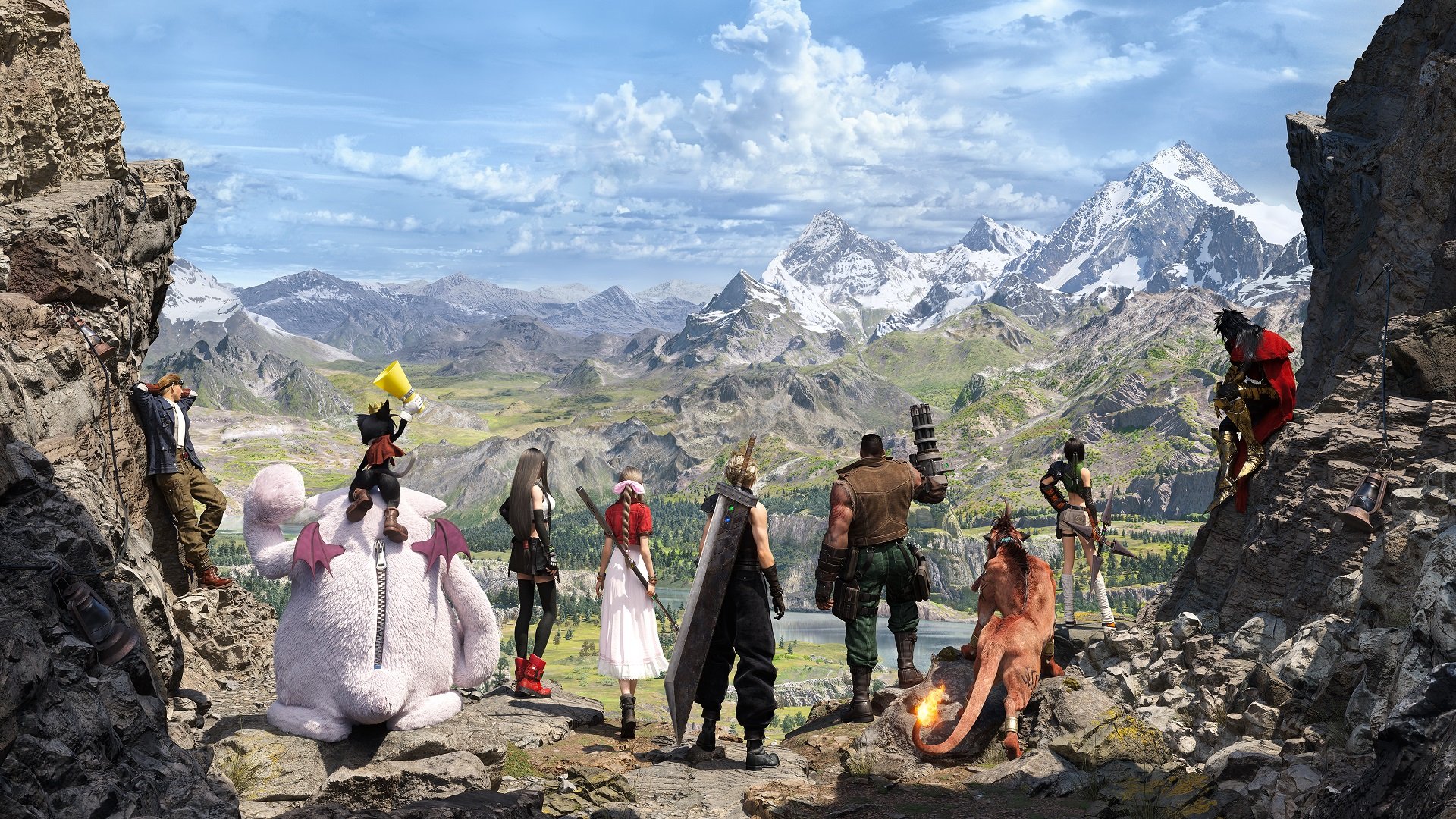
News about Final Fantasy VII Rebirth on Nintendo Switch 2 is finally starting to sound less like wishful thinking and more like a plan with real momentum. Director Naoki Hamaguchi said the team has already gotten the build together and is now focused on optimization and final polish, with hopes to share more information “in the very near future.” That’s the kind of phrasing fans latch onto for a reason: it suggests the work is not stuck in early experiments or prototype territory. It sounds like the game exists in a playable form on the target hardware, and now the job is making it run smoothly, look sharp, and behave reliably across all the messy edge cases that pop up on a real console.
Hamaguchi also pointed out why this port is harder than the first entry. Rebirth isn’t just “Remake but bigger.” It leans on broader spaces, more complex streaming demands, and a world map that changes how the game loads, renders, and keeps performance stable. That single detail explains a lot, because large zones and frequent transitions are where ports either feel magical or start showing seams. Still, his tone was confident, and he credited a passionate engineering team that’s pushing toward the finish line. Put together, those statements frame the Switch 2 version as active, progressing, and close enough to talk about soon, without making promises that could backfire. For anyone waiting to take the next step of the trilogy on Nintendo hardware, this is the most grounded, practical update we’ve had in a while.
Why this Switch 2 Final Fantasy VII Rebirth update matters
If you’ve been following the Final Fantasy VII remake project for any amount of time, you already know how rare it is to get a clean, usable status update that isn’t wrapped in mystery. That’s why Hamaguchi’s wording landed so well. When a director says a build is already put together and the team is working on optimization and polish, it signals a real phase of development, not a vague idea on a whiteboard. It matters because Switch 2 players are not just hoping for “someday,” they’re planning how they’ll continue the story. Rebirth is the kind of game people clear their calendars for, and it’s also the kind of game that can feel intimidating if you think a port might compromise the experience. So this kind of update does two jobs at once: it reassures fans that the work is happening, and it frames the remaining work as the kind of finishing effort that often comes right before a proper reveal. It doesn’t promise a date, but it does move the conversation from “is it possible” to “how soon can they show it.”
What Hamaguchi actually said, in plain English
Let’s strip the quote down to what it really communicates. First, he said the game has been built and the engineers are now optimizing and applying final polish. That suggests the Switch 2 version exists as a functional build that runs on the system, even if it still needs work to hit performance targets and quality standards. Second, he expressed hope to share more information in the very near future. That is not a release promise, but it is a clear hint that the next update is intended to be soon rather than months away. Third, he highlighted the scale difference between the first title and Rebirth, pointing to the larger world map as the reason the port is more challenging. That’s a practical explanation, not marketing fluff, and it frames the challenge in a way that’s easy to understand. Finally, he stressed confidence in the team because they’re passionate about the work. In human terms, this reads like: “It’s real, it’s running, it’s hard, but it’s going well, and you’ll hear more soon.”
“Built, optimized, polished”: what that usually means in development
Those three words are deceptively loaded, and they’re worth unpacking. A “built” version usually means the project compiles, runs, and produces a playable experience on the target hardware. That doesn’t mean it’s ready for release, but it does mean it’s past the stage where every day is a new technical surprise. “Optimize” is where teams chase stable frame times, reduce stutter, improve streaming, and make sure memory usage doesn’t spike during heavy scenes. It’s the part where the game stops feeling like a test and starts feeling like a product. “Final polish” is where the rough edges get sanded down: loading transitions, texture pop-in, audio timing, UI responsiveness, and the kind of small bugs that only appear after hours of play. It’s also where platform-specific features and edge cases get tested hard. If you’ve ever played a port that felt like it was held together with tape, that’s usually what happens when optimization and polish don’t get enough time. Hearing those terms suggests the Switch 2 version is in the right lane, doing the right kind of work at the right time.
Why Rebirth is tougher than Remake on a technical level
It’s tempting to assume that if one entry runs well, the next one is just more of the same. Rebirth doesn’t play by that rule. The first entry is more contained, with a structure that can be managed through tighter environments and more predictable streaming. Rebirth, by design, stretches outward. Bigger spaces mean more data moving in and out of memory, more background systems running, and more moments where performance can wobble if the hardware is under stress. Even small details can add up: how foliage is drawn, how distant geometry is handled, how crowds or ambient effects behave, and how quickly the game can move between regions. The wider the playable spaces, the more the game has to juggle at once. That is why a port can be “technically possible” and still be very hard to make feel good. Hamaguchi calling it a more challenging production process is exactly what you’d expect from a team trying to keep the experience consistent across platforms.
The world map factor and what “larger” really implies
When developers talk about a larger world map, they’re not just bragging about size. They’re describing a giant chain of technical dominoes. A larger map often means more terrain streaming, more varied environments, more transitions, and more situations where the camera can see far into the distance. That impacts how assets are loaded, how textures are prioritized, and how the game decides what to render at any given moment. It also affects traversal, because faster movement or open routes can force the engine to load data quickly without hitching. On top of that, world maps tend to stress-test CPU scheduling, because there are more systems active at once: weather, ambient audio, NPC routines, combat encounters, and environmental effects. If you’ve ever felt a game stutter right as you crest a hill and the view opens up, that’s the world map flexing its muscles. So when Hamaguchi calls the larger world map a key reason it’s challenging, it’s a clear sign they’re dealing with the classic open-area porting problem: keep it smooth while the world keeps expanding in front of you.
The engineering team focus: stability, loading, and visual consistency
Optimization work is often less glamorous than new features, but it’s where great ports are made. Stability is the obvious goal: consistent frame pacing, fewer dips during combat, and smooth traversal through busy zones. Loading is the silent partner to performance, because even a quick hiccup while streaming assets can break immersion fast. Visual consistency is the trickiest part, because every platform has its own strengths and limits. Teams have to make choices about resolution targets, texture quality, shadow settings, and how aggressive dynamic adjustments should be. The aim is not perfection in a vacuum, it’s a consistent feel that doesn’t distract you from the story and the action. If you’re playing a dramatic scene, you don’t want the technical side to tap you on the shoulder and demand attention. Hamaguchi’s emphasis on his engineers working hard on optimization and polish is a strong sign they’re in that final stretch where the goal is to make the experience feel natural on Switch 2, not merely “working.”
What a “very near future” reveal could realistically look like
“Very near future” is one of those phrases that sounds simple until you try to pin it down. It doesn’t lock in a specific day, but it does imply the team expects to speak again soon, which usually means an announcement beat is being prepared. In practice, that could be a short teaser confirming the platform and showing a few seconds of footage, or a more detailed segment explaining performance goals and release timing. It could also be a press release that confirms development status and sets expectations without showing much gameplay. The key is that the wording points toward communication, not silence. If the team felt the project was far out, you’d expect more cautious phrasing, or no mention at all. Instead, we got an update that sounds like a bridge to the next step. For fans, that’s important because it makes waiting feel like watching a kettle start to simmer instead of staring at a cold stove. You still don’t know the exact minute it will boil, but at least you can see the heat is on.
How Switch 2 changes the conversation compared to older Nintendo hardware
Ports like this always trigger the same question: “Can the hardware handle it?” Switch 2 changes that conversation because it’s being positioned as a system capable of running higher-end experiences that previously felt out of reach on Nintendo platforms. That doesn’t mean every game is effortless to bring over, but it does mean developers can target a more modern baseline and make smarter trade-offs. The shift isn’t just power, it’s confidence. If a platform is designed with modern engines and workflows in mind, studios can spend less time reinventing the wheel and more time tuning the ride. That matters for a game like Rebirth, where the experience depends on smooth combat, responsive controls, and a world that feels alive rather than stitched together. The fact that Square Enix is publicly talking about ongoing Switch 2 work for multiple entries in the trilogy also helps normalize the idea that Nintendo players are part of the main audience for this series, not an afterthought. And once you’re treated like part of the main audience, expectations rise in a good way.
What we can learn from Remake Intergrade on Switch 2
Nintendo’s own interview with Hamaguchi around Final Fantasy VII Remake Intergrade on Switch 2 adds useful context to the Rebirth conversation. He talked about wanting the Switch 2 version to stand up to other platforms, even in handheld play, and he highlighted the importance of maintaining the game’s visual identity, including lighting, because character presentation and emotion are central to the storytelling. That mindset matters, because it signals a priority: keep the experience consistent rather than creating a “different” version that feels like a separate product. In the same interview, he also reassured players that the Switch 2 versions of Rebirth and the third game are being worked on alongside other platforms, with a personal policy of not wanting versions to feel different across hardware. That doesn’t guarantee identical pixels in every scene, but it does set the intent clearly. If that intent guided Remake Intergrade’s Switch 2 work, it likely informs how the team approaches Rebirth’s tougher technical demands, too.
Consistency as a promise: why that matters for fans
When you’re investing in a trilogy, consistency isn’t just a technical preference, it’s emotional insurance. You don’t want to feel like you’re getting a “lesser” journey because you chose a different platform. Hamaguchi’s stated policy about avoiding different gameplay experiences across hardware speaks directly to that worry. It’s also practical. If versions differ too much, players hesitate, comparisons get messy, and the conversation shifts away from story and toward compromises. Keeping the experience aligned helps everyone, including the developers, because it reduces fragmentation and keeps the trilogy’s identity intact. For Switch 2 players, it’s especially meaningful because Nintendo fans have lived through eras where certain third-party releases arrived late or arrived with noticeable downgrades. Hearing a director say, effectively, “we don’t want that split experience,” is like hearing a chef promise your dish isn’t getting half the ingredients. It doesn’t mean every plate looks identical, but it means you’re not being served a different meal.
What fans should watch for next, without overhyping it
So what do we do with this update, other than refresh feeds like it’s a sport? The best move is to watch for concrete signals: official Square Enix channels, platform announcements, and reputable interviews that include direct quotes and clear context. Hamaguchi’s “very near future” line is the strongest clue that a formal update is coming, but it’s still just that, a clue, not a schedule. The encouraging part is the development language: built, optimizing, final polish. That’s the vocabulary of teams getting ready to show work publicly. Another signal is how Nintendo and Square Enix continue to frame the trilogy on Switch 2, because that messaging shapes what kind of reveal makes sense. A simple confirmation is possible, but a more detailed look might happen if they want to highlight performance targets or platform features. Either way, the core takeaway is steady: the Switch 2 version of Rebirth is not being discussed as a distant concept. It’s being discussed like a real project nearing a moment where it can be shown confidently.
Conclusion
Hamaguchi’s update hits because it’s grounded in the kind of language developers use when something is real, running, and being prepared for prime time. Saying the build is already in place and the team is focused on optimization and final polish points to progress you can almost feel, even without footage. Pair that with his explanation that Rebirth is more challenging due to its larger world map, and the whole message reads like an honest status check rather than a marketing tease. The best part is the balance: confidence without reckless promises. If you’ve been waiting for Final Fantasy VII Rebirth on Nintendo Switch 2, this is the kind of update that makes the wait feel measurable. It’s not “someday,” it’s “soon enough that we’re getting ready to talk about it.”
FAQs
- Did Hamaguchi confirm that Final Fantasy VII Rebirth is being made for Nintendo Switch 2?
- Yes. He has discussed active work on the Nintendo Switch 2 version and has spoken about sharing more information in the very near future.
- What does it mean when he says the game is “built” and now being optimized?
- It usually means the Switch 2 version exists as a working build on the target hardware, and the team is focused on improving performance, stability, and finishing details.
- Why is Rebirth harder to bring to Switch 2 than the first entry?
- Rebirth has larger areas and a bigger world map, which increases streaming demands, memory pressure, and the risk of performance dips if not carefully tuned.
- Will the Switch 2 version have a different gameplay experience than other platforms?
- Hamaguchi has said he wants to avoid versions feeling different across hardware and aims to keep the gameplay experience essentially the same.
- When should we expect the next official update?
- No exact date was provided, but his “very near future” wording indicates the next update is intended to arrive soon rather than far off.
Sources
- FINAL FANTASY VII REMAKE INTERGRADE Interview – Naoki Hamaguchi, Director, Nintendo UK, January 22, 2026
- Final Fantasy VII Rebirth Director Hopes To Share Switch 2 Update In “Very Near Future”, Nintendo Life, January 2026
- Final Fantasy VII Remake director says Rebirth on Switch 2 info coming “in the very near future”, My Nintendo News, January 31, 2026
- [Polygon] Final Fantasy 7 Remake director says porting to ‘lower-end’ Switch 2 is a challenge, NeoGAF, January 2026