














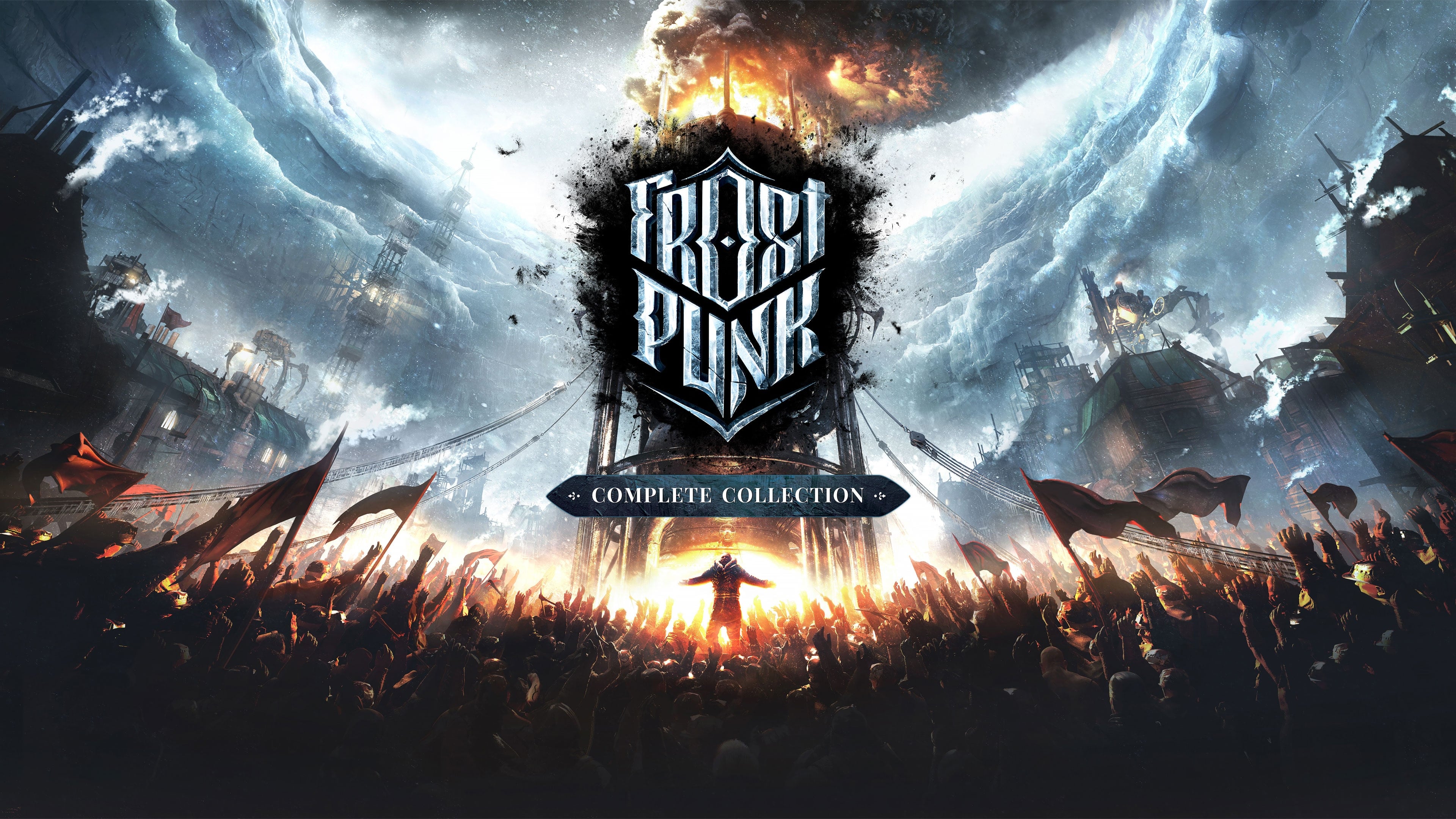
Summary:
Frostpunk coming to Nintendo Switch is one of those announcements that instantly makes sense the moment you hear it. The original game built its reputation on pressure, sacrifice, and impossible choices, all wrapped inside a frozen city-building survival loop that constantly asks what kind of leader you really are when comfort disappears and survival becomes the only thing that matters. That formula helped Frostpunk stand apart when it launched in 2018, and it still carries real weight now because very few games blend strategy, atmosphere, and moral consequence with the same confidence. Bringing that experience to Nintendo hardware opens the door for a different kind of connection, one that feels more intimate and immediate when played in handheld form.
The announcement confirmed that the original Frostpunk is on the way to Nintendo Switch, but it stopped short of locking in a release date. It also did not clearly specify whether the release is aimed at the original Nintendo Switch, Nintendo Switch 2, or both systems. Even with those unknowns, the reveal still matters because it signals that 11 bit studios sees room for this kind of demanding, thoughtful strategy experience on Nintendo platforms. That is exciting for players who want more than quick action or simple management loops on the go. Frostpunk is not built around comfort. It is built around consequence. Every law, every ration, every burst of heat feels like a choice with a shadow attached to it.
What makes this announcement interesting is not just that Frostpunk is coming to a new system. It is that the game’s identity seems surprisingly well suited to portable play. Its structure naturally supports thoughtful sessions, tense check-ins, and those moments where you stare at the screen wondering whether you just saved your city or quietly broke it. Nintendo players have shown again and again that strategy, simulation, and management experiences can thrive on handheld-friendly hardware when the adaptation is done right. Frostpunk now has the chance to join that group, and if the port keeps the atmosphere, interface clarity, and emotional weight intact, it could become one of the most memorable survival strategy experiences available on a Nintendo system.
Frostpunk is finally heading to Nintendo Switch
Frostpunk has always felt like a game that leaves fingerprints on your brain. You do not simply build streets, assign workers, and move on with your day. You carry the consequences of what you approved, what you delayed, and who paid the price while you kept the generator burning. That is why the news of its arrival on Nintendo Switch lands with real force. This is not just another port announcement drifting by in the icy wind. It is a sign that one of the most emotionally heavy strategy experiences of the last several years is preparing to reach a different audience, one that often values flexibility, handheld play, and games that can fit into both short sessions and long evenings under a blanket while real weather does its own dramatic little performance outside.
There is also something oddly fitting about Frostpunk showing up on Nintendo hardware. On paper, the pairing might surprise a few people. Frostpunk is bleak, severe, and built on compromise. Nintendo platforms are often associated with comfort food gaming, bright colors, and cheerful melodies. Yet that contrast is exactly why this move feels interesting. Frostpunk can broaden what many players expect from Nintendo’s ecosystem. It offers pressure instead of peace, frostbite instead of fireworks, and leadership panic instead of easy power fantasies. Sometimes that is exactly what makes a release stand out.
Why Frostpunk still feels different from other strategy games
Plenty of strategy games ask you to build efficiently. Plenty of survival games ask you to endure. Frostpunk does something nastier and smarter. It asks you to choose what kind of damage you are willing to accept in exchange for survival. That distinction matters. The game is not just about balancing numbers on a screen. It is about managing a society on the edge of collapse, where every policy can feel like a wound disguised as progress. You are not merely planning. You are judging. You are improvising. You are gambling with human cost every few minutes, and the game never lets you forget it.
That is part of why Frostpunk continues to stand apart long after its original release. It blends management systems with emotional tension in a way that feels unusually sharp. The snow is not just aesthetic dressing. It is pressure made visible. The generator is not just a building. It is the city’s heartbeat, and sometimes it feels like your own. When that kind of design clicks, it creates memories that stick. You remember the cold. You remember the panic. You remember the awful moment when a practical decision starts sounding like a cruel one, and the game quietly asks whether you can live with yourself afterward.
The moral tension is the heartbeat of the experience
The strongest thing Frostpunk ever did was understand that systems alone are not enough. A city-builder can be technically clever and still feel emotionally flat. Frostpunk solves that by turning policy into drama. A law is never just a law. It is an admission, a compromise, or a surrender. Longer shifts may keep things running, but at what cost. Tighter discipline may create order, but what kind of city are you building when fear becomes part of the foundation. The game thrives in that uncomfortable space where survival and decency stop walking neatly side by side.
That is why the quoted comments from the recent franchise video hit the mark so well. They focus on the guilt, the harsh choices, and the weight of carrying decisions with you. That is Frostpunk in a nutshell. It is a game that understands one simple truth: numbers matter, but feelings are what make a decision unforgettable. You can survive a difficult system. It is much harder to shrug off a decision that made survival possible while leaving a bitter taste behind. Frostpunk knows that, and it uses it like a blade.
What the announcement actually confirmed
The confirmed part is simple and important. The original Frostpunk is coming to Nintendo Switch. That alone gives strategy fans on Nintendo hardware something real to track, because this is not vague wishful thinking or rumor smoke floating over a frozen skyline. It came directly from a franchise update video and was echoed in current reporting around the reveal. That matters because recent gaming chatter can sometimes turn into a game of telephone where speculation dresses itself up as certainty. Here, the basic announcement is clear. Frostpunk is on the way.
It also matters that this is the original Frostpunk being discussed. That gives the release a solid identity right away. This is the title that established the series, built the fanbase, and introduced players to its signature blend of city management and moral strain. For Nintendo players who have heard the name for years without getting the chance to play it on their system of choice, this release could become the entry point that finally lets them see what all the frost-covered fuss has been about.
What still has not been clarified yet
Not everything is locked down, and that is worth stating plainly. A release date has not been announced yet, which means excitement currently sits next to uncertainty like two shivering strangers sharing the same weak campfire. That does not lessen the importance of the reveal, but it does shape expectations. Without a date, fans are left watching for the next update, and until that arrives, anything more specific would be guesswork dressed in winter boots.
There is also the platform question. The wording around the announcement points to Nintendo Switch, but it has not yet been clearly broken down whether that means the original Nintendo Switch, Nintendo Switch 2, or both. That distinction matters for performance expectations, interface design, and how players imagine the port will feel in practice. For now, the smart approach is simple: treat the release as confirmed for Nintendo Switch branding, but avoid pretending the exact hardware scope has been fully explained when it has not.
Why Frostpunk and Nintendo make more sense than some might expect
At first glance, Frostpunk can seem like an awkward fit for Nintendo hardware. It is grim. It is stressful. It does not exactly arrive with a warm hug and a basket of cheerful side activities. But if you look at how Nintendo players actually use their systems, the fit starts to make real sense. Portable play has long helped management, strategy, and simulation games find a loyal audience. There is something deeply satisfying about checking a city, adjusting production, passing a law, and squeezing in one more tense decision while commuting, traveling, or collapsing onto the couch after a long day.
Frostpunk also benefits from a structure that invites thoughtful bursts of attention. You can settle into it for hours, sure, but it also supports those dangerous little sessions where you tell yourself you will only check resource flow for five minutes and then, somehow, the sun has moved and your tea is cold. That rhythm matches handheld-friendly gaming beautifully. It is not about speed. It is about momentum, mood, and the tiny trapdoor that opens when one more decision leads to another.
Portable play could make every decision feel more personal
There is something almost mischievously perfect about experiencing Frostpunk in your hands. On a handheld screen, the intimacy changes. The city feels closer. The choices feel less like distant managerial commands and more like immediate personal calls. When you decide who works, who rests, and what rules govern survival, the emotional distance shrinks. It is no longer a strategy game sitting across the room from you. It is right there, close enough to feel like a secret you are responsible for keeping alive.
That could become one of the strongest selling points of the Nintendo version if the adaptation is handled well. Frostpunk is already built around tension, and handheld play can intensify that sensation rather than weaken it. You can imagine slipping into the game late at night, room quiet, screen glowing, snowstorm roaring through your headphones while the generator hums like a stubborn promise. That is not just convenient. That is atmospheric. It turns the act of playing into something more enclosed, more focused, and maybe even more haunting.
The platform question is still hanging in the air
Right now, one of the biggest discussion points is not whether Frostpunk is coming, but exactly where it will land within Nintendo’s hardware lineup. That uncertainty is understandable because platform language can sometimes be broad in early announcements, especially when companies are pacing out future details. For players, though, the difference is significant. A version aimed at original Nintendo Switch hardware carries one set of expectations. A version tailored for Nintendo Switch 2 invites another. A dual release would open an entirely different conversation about features, resolution, performance, and interface flexibility.
Until more is said, restraint is useful. It is tempting to jump from announcement to assumption, but that is usually where clean reporting starts to slide. What can be said with confidence is that interest will remain high until 11 bit studios clarifies the target hardware more explicitly. And honestly, that makes sense. Frostpunk is not a lightweight experience. People want to know how it will run, how it will control, and whether the frozen apocalypse in their hands will feel smooth or slightly frostbitten around the edges.
What a strong Switch version needs to preserve
More than anything, the Nintendo version needs to protect Frostpunk’s identity. That starts with interface clarity. Strategy games live and die by readability, and Frostpunk asks players to monitor multiple systems without losing the emotional thread underneath them. Menus need to feel natural, controls need to be responsive, and information needs to remain easy to parse even during moments of rising pressure. If the port stumbles there, the game could lose some of its sharpness. If it succeeds, the transition could feel almost effortless.
Atmosphere matters just as much. Frostpunk is not carried by mechanics alone. Sound design, visual mood, and the constant sense of cold are part of the experience’s backbone. The Nintendo release does not need to reinvent the game. It needs to keep that identity intact. The city should still feel fragile. The weather should still feel hostile. The moral choices should still land like a stone in your stomach. Get those ingredients right, and the rest can follow. Miss them, and even a technically functional version could feel strangely hollow.
Why this announcement matters for strategy fans on Nintendo hardware
For Nintendo players who love strategy and management games, this announcement represents more than a single port. It signals that there is still room on Nintendo platforms for experiences that are demanding, moody, and built around consequence rather than pure comfort. That matters because a healthy library is not just about variety in genre labels. It is about variety in feeling. Some games let you relax. Some let you compete. Frostpunk lets you wrestle with yourself while trying to hold a society together with frozen fingers and fading hope.
That is why the release has the potential to matter even before a date is attached. It reminds players that handheld-friendly gaming does not have to mean lighter stakes or simpler ideas. Sometimes it can mean the opposite. Sometimes it can mean carrying around a city that refuses to let you off the hook. And really, is that not a strangely wonderful thing. Frostpunk has always been about pressure, sacrifice, and survival under impossible circumstances. Bringing that experience to Nintendo hardware gives it a fresh path forward, and if the final version delivers on the promise of the announcement, this could become a standout moment for strategy fans who like their decisions hard, their cities desperate, and their winter absolutely merciless.
Conclusion
Frostpunk coming to Nintendo Switch feels less like a random surprise and more like a smart expansion for a game that has already proven how powerful its formula can be. The announcement confirmed the arrival of the original game, but it also left just enough unanswered to keep attention locked on future updates. That balance of certainty and curiosity is doing a lot of work right now. What matters most is that Frostpunk’s core identity remains intact when it arrives. If the Nintendo version preserves the game’s atmosphere, pressure, and moral bite, players could be getting one of the most memorable survival strategy experiences ever to hit Nintendo hardware. Cold hands, difficult laws, guilty conscience – it sounds exactly like Frostpunk.
FAQs
- Is Frostpunk officially coming to Nintendo Switch?
- Yes. The original Frostpunk was officially announced for Nintendo Switch during a recent franchise update video from 11 bit studios.
- Does Frostpunk have a Nintendo Switch release date yet?
- No. The announcement confirmed the port, but a firm release date has not been shared yet.
- Is Frostpunk coming to the original Switch, Switch 2, or both?
- That has not been clearly specified yet. The current announcement confirms a Nintendo Switch release, but the exact hardware breakdown still needs clarification.
- Why does Frostpunk fit handheld play so well?
- Its city management structure works well in shorter sessions, while the close-up feel of handheld gaming could make the tension and decision-making feel even more personal.
- What makes Frostpunk different from other strategy games?
- Its biggest strength is the way it ties survival mechanics to moral consequence. You are not just building efficiently. You are constantly deciding what your city is willing to become.
Sources
- Frostpunk, 11 bit studios, available on current official game page
- Frostpunk coming to Switch, Gematsu, April 6, 2026
- Frostpunk on the way to Nintendo Switch, Nintendo Everything, April 6, 2026
- Bleak Survival City-Builder ‘Frostpunk’ Is Finally Coming To The Switch, Nintendo Life, April 7, 2026