














Summary:
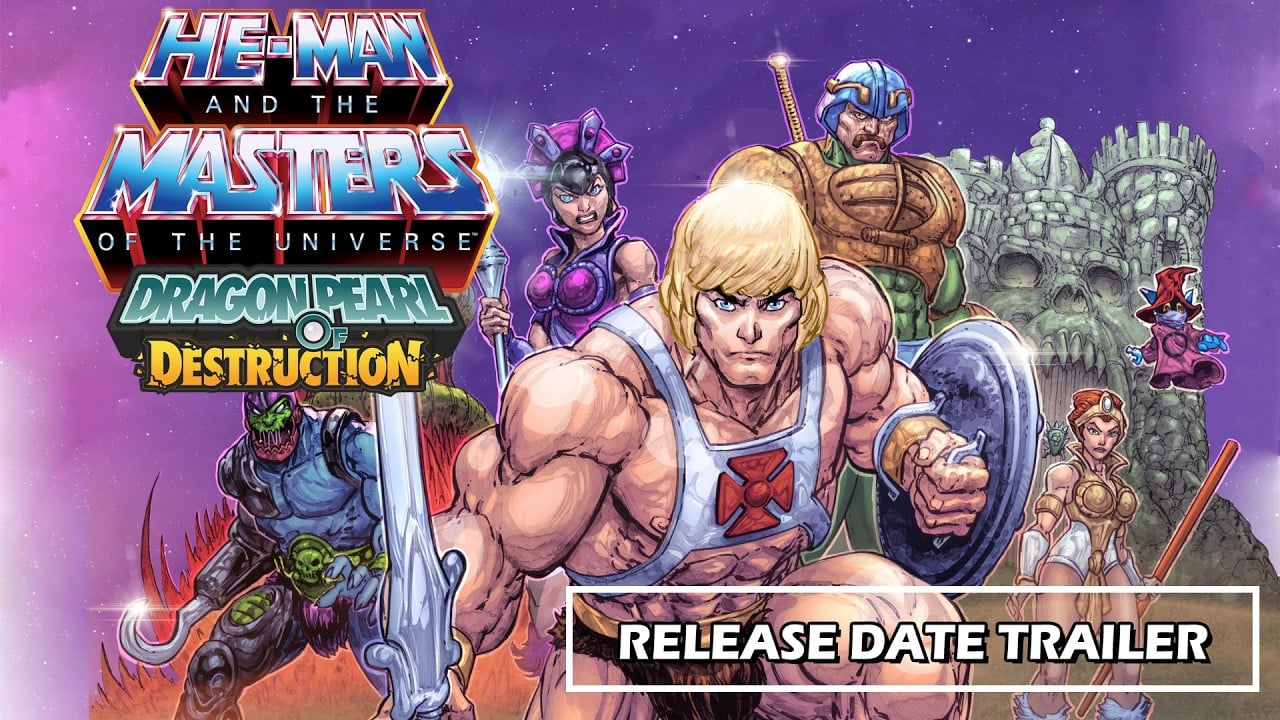
April 28, 2026 is the date to circle if you’ve been waiting for a Masters of the Universe game that actually looks like it wants to throw hands the old-school way. He-Man and the Masters of the Universe: Dragon Pearl of Destruction is coming to Nintendo Switch, PC, and other platforms, with Limited Run Games publishing and Bitmap Bureau developing in collaboration with Mattel. The pitch is clear: a 2D arcade brawler with big pixel-art characters, fast pacing, and that classic beat ’em up loop where you move forward, clean out a screen full of troublemakers, and then do it again with a bigger threat waiting at the end.
The story hook leans into classic cartoon drama. Skeletor finds the Dragon Pearl of Destruction, teams up with Evil-Lyn, and tries to drown Eternia in darkness. That sets the stage for a straightforward, satisfying setup where we get to be the people who stop the bad plan, not the people who write sad letters about it afterward. On the playable side, we’re getting He-Man, Teela, and Man-At-Arms up front, plus Battle Cat because it would feel illegal to leave him out. The game also teases She-Ra as a playable character in future playthroughs, which hints at replay hooks beyond a single clear.
What makes this interesting is how confidently it commits to the vibe: local two-player co-op, a roster of recognizable villains, and 12 stages that tour Eternia from bright landmarks to places that look like they smell like trouble. If you want something that feels like an arcade cabinet grew up, got a modern release date, and still wants you to bring a friend to the couch, this is aiming straight at that sweet spot.
He-Man And The Masters Of The Universe: Dragon Pearl Of Destruction – what’s actually confirmed
We’ve got a clean release date and a simple promise: He-Man and the Masters of the Universe: Dragon Pearl of Destruction launches on April 28, 2026 for Nintendo Switch, PC, and other consoles. That matters because brawlers live and die by timing and clarity. When a game like this starts drifting into vague windows, it’s easy to lose track of it in the noise. Here, there’s no squinting at a calendar and guessing. April 28, 2026 is the line in the sand, and the publisher is already pushing a release date trailer and store listings that match the date. If you’re the type who likes to plan your next co-op obsession a bit early, this is the kind of confirmation that lets you do it without crossing your fingers.
Why this one feels like an arcade throwback on purpose
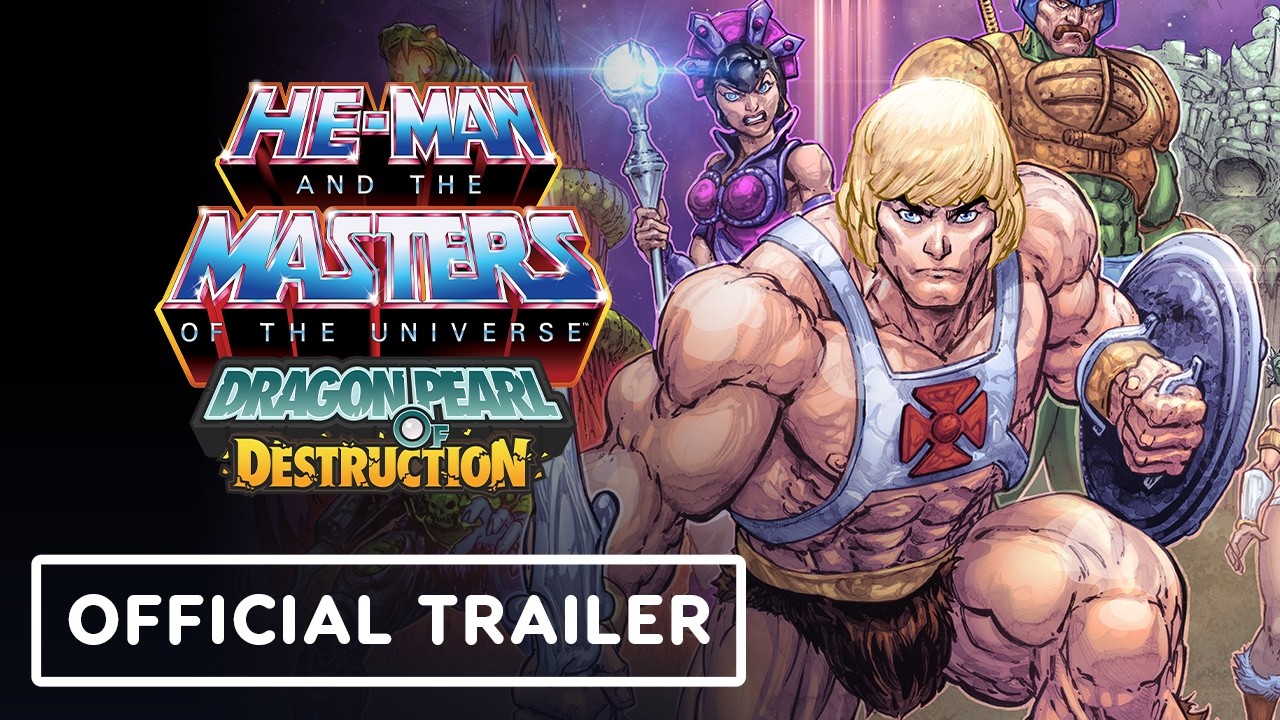
The first impression is that we’re not chasing realism, and that’s the point. This is aiming for the feeling of walking up to an arcade machine that looks loud, colorful, and slightly dangerous in the best way. The promise of massive pixel-art sprites and lush environments is basically a signal flare that says, “We’re leaning into that classic look, not running from it.” And honestly, that’s the right call for Masters of the Universe. He-Man has always been bigger than life, so the art style should be too. When a brawler gets the visual identity right, every punch looks like it has weight, every special move feels like it clears the room, and every villain entrance becomes a tiny event. If the goal is to make Eternia feel like it stepped out of animation and into your hands, stylized pixel art is a solid way to get there.
The Dragon Pearl setup: Skeletor, Evil-Lyn, and the stakes
The setup doesn’t waste time trying to be complicated. Skeletor uncovers the Dragon Pearl of Destruction, a relic described as having unspeakable power, and he teams up with Evil-Lyn to throw Eternia into eternal darkness. It’s classic high-fantasy cartoon trouble, which is exactly the flavor that fits a forward-moving brawler. We want a clear reason to start swinging, not a slow mystery that asks us to politely wait for the fun. A magical relic that turns everything into a nightmare is a great excuse to move from location to location, dealing with ambushes, monsters, and bosses who clearly woke up and chose violence. The best part is how this kind of premise supports variety. When magic is the engine, the game can justify weirder enemy types, flashier attacks, and set pieces that feel like a Saturday morning episode that suddenly got a “press start” button.
The heroes we’re swinging with: He-Man, Teela, and Man-At-Arms
The playable core is exactly what you’d hope for: He-Man, Teela, and Man-At-Arms, each with a distinct style. He-Man is framed as raw power, which usually means big hitboxes, strong crowd control, and that satisfying “I can solve this problem with my sword and my confidence” energy. Teela’s staff-focused agility hints at faster strings, repositioning, and the kind of mobility that lets you dance around heavier enemies instead of trading hits. Man-At-Arms is the wildcard in a good way, because the character traditionally comes with gadgets, tactics, and a slightly more technical feel. In a brawler, that can translate into controlled space, clever tools, and moves that reward timing. When a game gives each hero a real identity, co-op stops being “two people doing the same thing” and becomes a tag-team where roles naturally appear.
Character abilities and why “unique” has to mean something
“Unique abilities” can be empty marketing talk if it only means different animations. Here, the description points to character-specific moves, devastating special abilities, and epic screen-clearing powers. That combination suggests the dev team understands what makes this genre feel good. A brawler needs a baseline combo that’s easy to enjoy, but it also needs spikes of excitement. That’s where specials come in. You want the moment where the screen gets crowded, your health is a little too low, and you hit a power that turns panic into relief. The key is balance. If every special deletes everything without thought, it gets boring. If specials feel too precious to use, people hoard them and miss the fun. The sweet spot is when we’re encouraged to use them often, but smart use still feels like a flex.
Picking a main hero without overthinking it
If you’re playing solo, the best choice is usually the one that matches how you naturally react under pressure. Do you like standing your ground and bulldozing a lane? He-Man should scratch that itch. Do you prefer weaving around enemies, poking holes in a crowd, and staying slippery? Teela sounds like your friend. Do you enjoy a slightly more tactical rhythm, where positioning and tools matter as much as raw damage? Man-At-Arms is likely built for that. In co-op, this gets even better because you can mix styles. One player can control space while the other chases down ranged pests or interrupts big windups. That’s when a simple beat ’em up becomes a little team sport, minus the sweat and plus the snacks.
Battle Cat and movement: why mounts change brawlers
Battle Cat isn’t just fan service, even though it absolutely is that too. Mounts can change the feel of a brawler because they affect speed, reach, and how you break through enemy lines. If riding Battle Cat lets us tear through minions with tooth and claw, that hints at a temporary power state that feels different from normal play. Think of it like stepping on the gas in a crowded lane. You’re still playing the same game, but the tempo shifts. Done well, that creates memorable moments: the “get on the mount and clean house” sequence is the kind of thing people talk about after a session. It also adds visual variety. We’re not only watching the same three characters punch forever. We’re switching silhouettes, changing animations, and making the screen feel alive in a new way without needing to reinvent the core mechanics.
Screen-clearing powers and the “panic button” fantasy
Arcade brawlers thrive on controlled chaos. The screen fills up, enemies flank, and suddenly you’re juggling spacing like you’re in a kitchen with too many pots boiling. Screen-clearing powers are the answer to that feeling, and they’re also part of the Masters of the Universe fantasy. These heroes aren’t supposed to feel weak. When we trigger a big magic move, we want to feel like the room just got rearranged in our favor. The trick is making that power feel earned and readable. If the animation is clear and the effect is satisfying, it becomes a signature moment instead of a confusing flash. And if it’s tied to smart play, like building a meter through good combos or taking risks, it turns into a reward system that keeps the loop addictive.
A quick note on readability in a pixel-heavy brawler
Big sprites and lush backgrounds look great, but they can also get messy if effects and enemies blend together. The strongest brawlers make sure we can always read what’s happening, even when the screen is busy. That means clean silhouettes, clear attack tells, and impact effects that highlight hits without turning everything into fireworks soup. If this game nails that, the pixel art won’t just be pretty, it’ll be functional. And when the look supports the play, co-op becomes smoother too, because you’re not constantly asking, “Wait, what just hit me?” That’s the difference between a fun night on the couch and a night where someone quietly rage-quits and pretends it’s bedtime.
Co-op energy: how two-player local play shifts the whole rhythm
Two-player local co-op is one of those features that instantly tells you what kind of night this game wants to create. It’s not aiming to be a lonely, earbuds-in experience first. It’s aiming for couch energy: two people reacting, laughing, and occasionally blaming each other for walking into a trap jaw combo. Local co-op also changes how a brawler is designed. Enemy density, revive systems, and screen pacing all need to support two players without becoming chaotic in a bad way. The good news is that arcade-style brawlers have decades of lessons to pull from. When co-op works, it feels like you’re improvising a little dance. One player launches an enemy, the other catches, and suddenly you’re doing teamwork you didn’t even plan. That’s the magic.
Co-op “roles” that appear naturally
The best co-op brawlers don’t force roles with menus and classes. Roles show up naturally because characters play differently and players have habits. One person is always chasing the most dangerous enemy. The other is better at crowd control. Someone loves picking up items or timing specials, while the other prefers staying aggressive and keeping the combo alive. With a roster that includes a powerhouse, an agile fighter, and a more tactical option, it’s easy to imagine those roles forming without anyone saying a word. And that’s when a session starts feeling personal. You’re not just clearing stages. You’re building little patterns with your co-op partner, like a private language made of staff swings and sword slams.
The 12 stages of Eternia: what that variety can mean in practice
Twelve stages is a strong number for a brawler, because it gives room for pacing. You can start with a welcoming, iconic location, ramp into stranger environments, and then finish in places that feel like the “final stretch” without exhausting the player too early. The confirmed locations include spots like the Royal Palace, the Vine Jungle, and Snake Mountain, which is basically the franchise screaming, “Yes, we know what you want to see.” Variety in stages isn’t only visual, either. Different environments can support different enemy mixes, hazards, and boss types. A palace can be about guards and structured encounters. A jungle can lean into ambushes and creatures. Snake Mountain can go full villain-lair mode, with tighter corridors and nastier surprises. If those environments aren’t just backdrops but actually shape how fights play out, the run will feel fresh longer.
How stage pacing keeps the punches feeling satisfying
Brawlers need rhythm. Too many enemies too fast feels like noise. Too few enemies feels like a slow walk between small scuffles. The best pacing alternates. You get a burst of action, a brief breath, a new enemy type, then a mini set piece, then a boss that asks you to pay attention. With 12 stages, there’s room to build that variety like a playlist. Early stages teach. Middle stages test. Late stages celebrate, then punish, then let you win. And because this is Masters of the Universe, the game can also use spectacle to keep momentum. A dramatic entrance, a screen-shaking special, a boss that fills half the screen, those moments are part of why the genre still works.
Villains and boss identity: why recognizable enemies matter
The villain list is doing a lot of heavy lifting here, and that’s good. Skeletor and Evil-Lyn are obvious must-haves, but we’re also seeing names like Beast Man and Trap Jaw, plus deeper cuts like Shokoti and Shadow Beasts. In a brawler, bosses are the punctuation marks. They’re the moments where we stop mindlessly clearing crowds and start reading patterns. Recognizable villains make those fights feel personal. You’re not fighting “Big Armored Dude Number Four.” You’re fighting Trap Jaw, which comes with expectations, personality, and a visual identity that makes the fight feel like a scene. Deep-cut enemies also signal confidence. It says the team isn’t only painting by numbers, they’re pulling from the wider toy box of the franchise to keep surprises coming.
Why boss mechanics should match the character
A good boss fight tells a story through behavior. Beast Man should feel feral and aggressive. Evil-Lyn should feel like she’s controlling space and forcing you to react. Skeletor should feel theatrical, dangerous, and maybe a little unfair in the way only a main villain gets to be. When mechanics match personality, fights become memorable without needing complicated systems. It’s also a great way to make co-op interesting. One player baits an attack while the other punishes. Someone gets caught, the other creates breathing room. It turns the fight into a small teamwork puzzle, but it still feels like an action game, not homework.
She-Ra and replay pulls: how unlocks keep the run alive
Unlockable characters are a classic brawler hook, and teasing She-Ra as playable in future playthroughs is a smart way to add a “one more run” feeling. It’s also historically notable for fans, because playing as She-Ra in a He-Man brawler is the kind of crossover energy people have wanted for a long time. From a design perspective, adding a new character after a clear gives the game a second wind. You finish once, then you come back with a different kit, different pacing, and a new excuse to try co-op combinations. If She-Ra has her own style, not just a reskin, it can shift how the whole game feels. That’s the best kind of replay value: not grinding, but genuinely experiencing fights differently.
Future playthroughs that feel earned, not padded
Replay is tricky. If it’s only “do the same stages again,” people bounce. If it’s tied to meaningful variety, people stick around. New characters are meaningful variety. They change spacing, combo routes, and how you approach bosses. They also change co-op dynamics because you’re not locked into the same pairing forever. The best case is that the first clear feels like an achievement, and the second clear feels like a remix. Same songs, different instruments. And if the game also supports difficulty options, score chasing, or hidden secrets, it becomes something you can revisit in short bursts without it feeling like a chore.
What to watch for before launch
Between now and April 28, 2026, the smartest move is keeping an eye on official store pages and trailers for practical details that affect how we actually play. Things like confirmation of local co-op specifics, controller requirements on PC, and any mention of accessibility or difficulty options can change how easy it is to bring friends into the fun. Trailers also reveal the “feel” clues: how fast characters move, how hits connect, how enemies react, and whether the screen stays readable when effects stack up. The good news is that we already have a clear baseline: a 2D arcade brawler, a known roster, a known date, and a known focus on retro presentation. If follow-up updates continue to match that clarity, this is shaping up to be the kind of brawler you can confidently plan a weekend around.
Conclusion
He-Man and the Masters of the Universe: Dragon Pearl of Destruction is lining itself up as a straight-to-the-point arcade brawler with a date, a vibe, and a clear idea of why people still love this genre. April 28, 2026 is the launch, and what’s on the table sounds like the right mix of nostalgia and playability: distinct heroes, screen-clearing power moments, Battle Cat, couch co-op, and a tour across Eternia that includes the landmarks fans actually care about. If the game delivers on responsive combat and keeps the action readable when things get wild, it has the ingredients for that rare kind of release that turns into a repeat hangout game, not a one-night curiosity.
FAQs
- When is He-Man and the Masters of the Universe: Dragon Pearl of Destruction releasing?
- It’s set to release on April 28, 2026, with listings and the release date trailer aligning on that date.
- Which platforms are confirmed so far?
- Nintendo Switch and PC are confirmed, with the publisher also indicating additional consoles.
- Who are the playable characters?
- He-Man, Teela, and Man-At-Arms are confirmed as playable, and She-Ra is teased as a playable character for future playthroughs.
- Does it support co-op?
- Yes, two-player local cooperative play is part of the feature set.
- How long is the adventure?
- The feature list calls out 12 action-packed stages set across multiple locations in Eternia.
Sources
- He-Man and the Masters of the Universe: Dragon Pearl of Destruction, Limited Run Games, February 27, 2026
- He-Man and the Masters of the Universe: Dragon Pearl of Destruction on Steam, Steam, February 27, 2026
- He-Man and the Masters of the Universe: Dragon Pearl of Destruction | Release Date Trailer, Limited Run Games (YouTube), February 27, 2026
- Announcing He-Man and the Masters of the Universe: Dragon Pearl of Destruction!, Bitmap Bureau, August 20, 2025
- He-Man’s Arcade-Style Retro Brawler Locks In A Release Date For Switch, Nintendo Life, February 27, 2026
- New He-Man Game Features Playable She-Ra For First Time Ever, GameSpot, February 26, 2026