














Summary:
Version 1.0.3 for Hyrule Warriors: Age of Imprisonment is scheduled for Thursday, December 18, 2025, and it’s aimed squarely at replay value rather than roster expansion. We are not getting new playable characters this time, but we are getting a fresh reason to revisit battles we already cleared. Phantom Mode can randomly trigger in cleared fights, swapping in nastier enemy variants like Dangerous Species and Miasma Enemies, and even giving Phantom Ganon a chance to show up after dropping a strong foe. That twist matters because the rewards shift too, with more High-Purity Zonanium Steel on the table, which is exactly the kind of currency that makes grinders sit up straight.
We also get a new difficulty setting called Taboo, positioned above Very Hard for players who want every encounter to feel like it’s one mistake away from disaster. Clear enough Taboo battles and we can earn special rewards, including more High-Purity Zonanium Steel and an increased carry limit for special food, which is a subtle but meaningful nudge toward longer, tougher sessions. On top of that, new Battle Challenges and Hyrule Challenges arrive on the Hyrule map after the main story, with Lizalfos and Chuchu joining the Dangerous Species lineup. A new Training Hall on Sky Island opens up for Sync Strike practice with two other players, and several practical improvements land too, from easier Tweet Challenge completion rules to small navigation tweaks in the gallery. Wrap it all together and this update reads like a toolbox for late-game players who want harder fights, better rewards, and more reasons to keep swinging.
Hyrule Warriors: Age of Imprisonment Version 1.0.3 at a glance
Version 1.0.3 is scheduled for Thursday, December 18, 2025, and the headline is simple: more ways to replay, more ways to suffer, and more ways to get paid for it. If you were secretly hoping for a surprise character drop, this is the part where we gently put that hope on a little raft and push it into the sea. The focus is instead on systems that remix the battles we already finished and extend the endgame loop with new challenges, stronger enemy variants, and better rewards. We also get a new top-tier difficulty called Taboo, plus several usability adjustments that smooth out everyday actions like tutorial frequency, gallery navigation, and how certain Sync Strike-related challenges count progress. The patch notes were shared as a translation from Japanese, so a few English terms can shift once official naming is locked in, but the intent is clear: this update wants us back on the battlefield, even if our backlog is screaming for attention.
Phantom Mode turns cleared battles into high-reward rematches
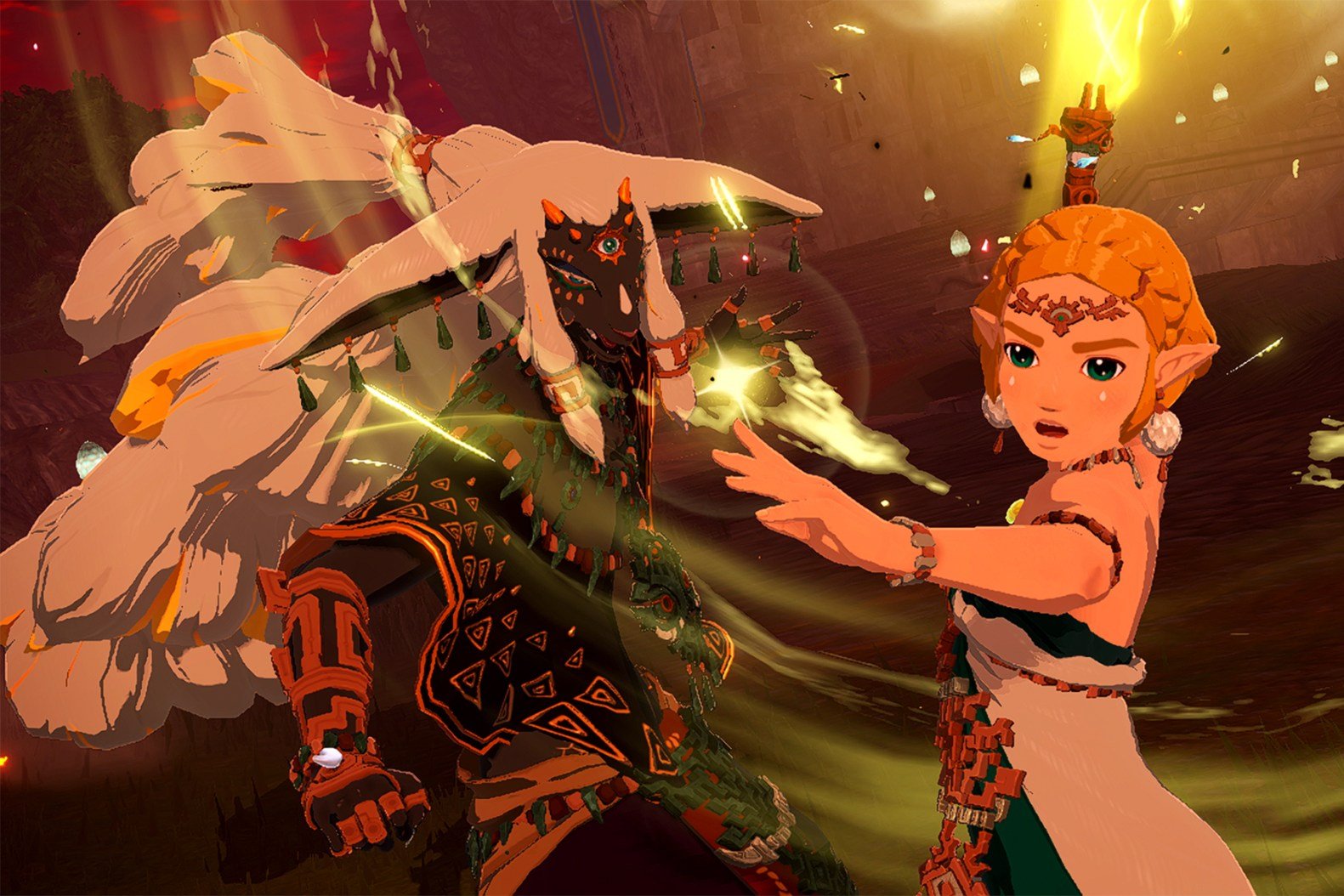
Phantom Mode is the kind of feature that makes cleared missions feel alive again, because it can randomly occur in battles we have already beaten. When it triggers, the battle can swap some enemies into tougher categories like Dangerous Species or Miasma Enemies, which changes the rhythm of encounters you might currently autopilot. The most exciting bit is the chance for Phantom Ganon to appear after defeating a strong enemy, adding an extra spike of pressure right when you might normally be thinking about the finish line. The reward hook is straightforward: compared to normal runs, Phantom Mode can net more High-Purity Zonanium Steel. That matters because a lot of players only need one good reason to revisit familiar maps, and “better materials for upgrades” is basically that reason written in neon. Think of Phantom Mode like a storm rolling over a route you already know by heart: same road, different visibility, and suddenly you’re gripping the wheel again.
Taboo difficulty raises the ceiling for hardcore runs
Taboo is described as a new difficulty level that’s even more intense than Very Hard, which is a polite way of saying it’s for people who hear the word “punishing” and respond with “yes please.” The big promise here is tension: battles are meant to feel tighter, riskier, and less forgiving, which usually means you can’t treat healing, dodging, and positioning as optional decorations. The reward structure is also built to keep you in the mode rather than dabbling once and leaving. By clearing a certain number of Taboo battles, we can earn special rewards like High-Purity Zonanium Steel and an increased carry limit for special food. That carry limit upgrade is sneakily important because it stretches your margin for error without making the fights themselves softer. It’s like bringing a slightly bigger backpack on a brutal hike: the mountain doesn’t get smaller, but you’re better prepared to survive the climb.
New Battle Challenges and Hyrule Challenges expand the map after the story
After clearing the main story, Version 1.0.3 adds multiple Battle Challenges and Hyrule Challenges to the Hyrule map, giving late-game players a more structured list of things to conquer. These challenges are the kind of additions that quietly extend playtime, because they tend to come with their own unlock conditions, reward tiers, and “just one more run” temptation. The enemy roster also gets spicier in a specific way: Lizalfos and Chuchu are called out as new Dangerous Species, which implies their threat level is elevated compared to the versions we’ve been swatting away for hours. That one detail changes how we approach encounters that used to be routine, especially in modes where faster clears or fewer mistakes matter. If you’ve been craving reasons to revisit the map with a more focused goal than “let’s grind,” these challenges are designed to be that nudge.
Training Hall on Sky Island and smoother Sync Strike-related play
The Training Hall on Sky Island is an especially interesting addition because it’s framed as a place where we can activate Sync Strikes by entering with two other players. That suggests a more intentional setup for cooperative timing and practice, rather than relying on organic chaos in standard battles to see how combos line up. If Sync Strikes have ever felt like something that “just happens” rather than something you can plan, a dedicated space can help turn them into a repeatable tool. There’s also a practical change tied to Sync Strike challenges: the Tweet Challenge that requires a Sync Strike has been adjusted so it can be completed by the character not in control when the Sync Strike is activated. That’s a big quality-of-life shift because it reduces the “wait, why didn’t that count” friction that can make co-op objectives feel fiddly. Small rule tweaks like this are unglamorous, but they often do more for enjoyment than flashy features.
Mysterious Golem upgrades and new unique skills
Version 1.0.3 adds new unique skills to the Mysterious Golem across the One-Handed Sword, Two-Handed Sword, and Spear categories, which is a clear signal that the update wants to deepen mastery for at least one standout character type. Unique skills tend to matter most when they change how you approach threat, not just how fast you delete health bars, and the notes lean into that idea by describing defensive utility and timing-based payoffs. These skills are tied to progression, too: we learn them by completing the Battle Challenge and Hyrule Challenge additions that arrive with this update. That’s a smart loop because it links new move tech directly to the new activities, giving us a mechanical reason to engage rather than just a checklist. If you like experimenting, this is the part of the patch where we get new toys, then get new arenas to test them in, like being handed a new set of kitchen knives and immediately invited to a cooking contest.
One-handed Sword unique skill: Shield Charge
Shield Charge is described as a one-handed sword unique skill for the Mysterious Golem that lets you step forward with your shield ready, specifically to ward off dangerous attacks from charging enemies. That’s not just damage, that’s utility, and it hints at a more deliberate answer to aggressive enemy behavior. The really juicy part is the timing window: if you activate the skill in sync with an enemy attack, you can unleash a powerful spinning slash. That kind of “do it at the right moment and get paid” mechanic can turn defense into offense, which is often where action games feel their best. Instead of rolling away and resetting, we get to stand our ground, read the attack, and punish it. It’s the difference between being chased around a room and becoming the reason the room is suddenly very, very quiet. If Taboo difficulty is pushing us toward cleaner play, Shield Charge looks like a tool built for that pressure cooker.
Timing the counter for the spinning slash
The timing-based spin follow-up is where Shield Charge likely separates casual use from mastery. On paper, the move starts as protection: you advance with the shield prepared, reducing the risk of getting clipped by a rush attack. The counter window, though, rewards you for staying calm when the screen is screaming at you to panic-roll. Practically, this means we will want to watch enemy tells, learn which attacks count as “charging,” and practice activating Shield Charge slightly before impact rather than after the hitbox has already moved through you. If you’ve ever tried to parry in a fast brawler, you know the feeling: half prediction, half nerve, and a tiny splash of stubbornness. When it lands, the spinning slash payoff should feel like flipping a trap card at exactly the right second. And when it doesn’t, well, Taboo mode is probably going to remind us that confidence is not the same thing as correctness.
Two-handed Sword and Spear unique skills: what to expect
The notes confirm new unique skills are coming for the Two-Handed Sword and Spear as well, but they don’t spell out the full mechanics in the same detail as Shield Charge in the text we have. Even so, we can still read the intent: the Mysterious Golem is getting more identity across weapon types, which encourages players to swap loadouts and explore different rhythms rather than locking into one favorite and never looking back. Typically, two-handed kits lean into big commitment swings, crowd control, and stagger potential, while spear kits often emphasize reach, spacing, and safer pressure. If the new skills follow those strengths, we might see something that helps two-handed play feel less risky in high-difficulty situations, and something that makes spear play more explosive when you capitalize on openings. The key point is that these skills are earned through the new challenges, so the update is giving us a reason to engage with the added battles beyond materials. If you’ve been waiting for an excuse to revisit the Mysterious Golem with fresh eyes, this is that excuse.
New weapon: the Forbidden Sword and how it fits the roster
The Forbidden Sword is the new weapon callout, described as a one-handed sword whose blade has been tainted by miasma and transformed into a sinister blade. Flavor-wise, that’s classic Zelda energy: something you probably shouldn’t touch, which of course means we are absolutely going to touch it. Functionally, the patch notes say it can be equipped by Mysterious Golems and warriors of all races, which is a nice inclusivity moment for a cursed sword that looks like it was forged in bad decisions. The weapon is obtained by clearing battles added in this update, tying it directly to the new challenge loop rather than making it a simple login reward. That matters because it gives the weapon a sense of earning, and it nudges us toward trying the fresh content instead of farming old missions forever. If Phantom Mode is the replay hook and Taboo is the difficulty flex, the Forbidden Sword is the shiny new prize sitting at the end of the track.
New battles teased in the update
Beyond the named modes and systems, the notes also mention additional battles being added, including “battles focused on warriors” and “a deadly battle with a certain formidable enemy.” The wording is vague, likely because we are dealing with translated phrasing, but the implication is straightforward: the update isn’t only systems and rules, it also includes new playable scenarios. “Battles focused on warriors” suggests mission structures that spotlight specific characters or build types, which can be a fun way to force variety and encourage experimentation. Meanwhile, the “deadly battle” callout sounds like a designed difficulty spike, possibly a boss-style encounter meant to test everything the update adds, especially if you combine it with Taboo difficulty. This is the kind of tease that makes us speculate, but we don’t need speculation to see the purpose: these fights are here to give Phantom Mode, new weapons, and new skills a stage where they matter.
Quality of life tweaks that change day-to-day play
Some of the best changes in any update are the ones you barely notice until you realize you’re no longer annoyed. Version 1.0.3 includes several improvements that fit that category. The Tweet Challenge adjustment tied to Sync Strikes is a big one, because it reduces friction in multi-character scenarios and makes progress feel more consistent. The gallery also gets a small but welcome tweak: you can now exit Special Conversation by pressing the B button, which is exactly the kind of “why wasn’t this always possible” change that saves tiny slices of time over and over. Tutorial behavior is also adjusted, with conditions and frequency for displaying tutorials for evasion and guarding being tuned. That can help both ends of the player spectrum: newer players get the reminders when they need them, while experienced players avoid being nagged mid-flow. None of this is flashy, but it’s the polish that keeps late-game play feeling smooth instead of sticky.
Bug fixes and oddities the patch cleans up
The bug fix list is a reminder that games are basically a stack of spinning plates, and sometimes one plate decides to wobble just to keep things exciting. One fix mentions that setting the material for “Electric Zalfos” in the material sensor could cause a battle called “Desert Desert Demon” to react even though Electric Zalfos does not appear there. That’s the kind of glitch that makes you question reality, like your sensor is haunted by a lizard that isn’t even in the room. Another fix addresses progression clarity: after clearing all displayed battles, you might still need to clear several more before the battle challenge “Sword Flashing in the Desert” appears. That’s a classic “why is nothing unlocking” frustration, so tightening that experience is meaningful. Split-screen 2P also gets attention, with a fix for attack sounds from the 2P side sometimes not being heard. Finally, the sensor menu behavior around materials required for “Secret Ability Release” is corrected, since unregistering them was too limited in where it could be done. These fixes are not glamorous, but they are the difference between a late-night session that feels smooth and one that ends with you staring at a menu whispering, “Am I the problem?”
Conclusion
Version 1.0.3 for Hyrule Warriors: Age of Imprisonment, scheduled for December 18, 2025, reads like an update built for players who already rolled credits and still want a reason to keep swinging. Phantom Mode is the standout idea because it reshapes cleared battles into higher-risk, higher-reward runs, with enemy variants and a chance for Phantom Ganon that can keep familiar missions from feeling sleepy. Taboo difficulty pushes the ceiling higher for players who want the hardest battles available, and it actually pays you back with meaningful rewards like High-Purity Zonanium Steel and an increased carry limit for special food. New challenges add structure after the story, the Training Hall points toward more intentional Sync Strike play, and the Mysterious Golem skill additions offer fresh move tech to learn and master. Add the Forbidden Sword as the new prize weapon, sprinkle in practical quality-of-life tweaks, and we end up with an update that is less about big headlines and more about giving the endgame real legs.
FAQs
- When is Version 1.0.3 scheduled to release?
- Version 1.0.3 is scheduled for Thursday, December 18, 2025.
- What is Phantom Mode, and where does it appear?
- Phantom Mode can randomly occur in battles you have already cleared, changing some enemies into tougher variants and potentially triggering a Phantom Ganon appearance after defeating a strong enemy.
- What makes Taboo difficulty different?
- Taboo is positioned as a higher difficulty than Very Hard, aiming for more tense battles, and it offers special rewards after clearing a certain number of battles.
- How do we unlock the new unique skills for the Mysterious Golem?
- The new unique skills are learned by completing the Battle Challenge and Hyrule Challenge additions introduced in this update.
- How do we get the Forbidden Sword?
- The Forbidden Sword is obtained by clearing battles added in Version 1.0.3, and it can be equipped by the Mysterious Golem and warriors of all races.
Sources
- Hyrule Warriors: Age Of Imprisonment’s Next Patch Out This Week Adds New Difficulty Mode, Nintendo Life, December 16, 2025
- Hyrule Warriors: Age of Imprisonment Ver. 1.0.3 update coming Dec. 18th, 2025, GoNintendo, December 16, 2025
- Hyrule Warriors: Age of Imprisonment update out this week, adds new mode, difficulty level, more, Nintendo Everything, December 16, 2025
- Hyrule Warriors: Age of Imprisonment Version 1.0.3 (releases 18th December), My Nintendo News, December 16, 2025
- ゼルダ無双 封印戦記 更新情報, Koei Tecmo Games, November 27, 2025
- Second free Age of Imprisonment update includes a new weapon, difficulty level, new skills and more, Zelda Universe, December 16, 2025