














Summary:
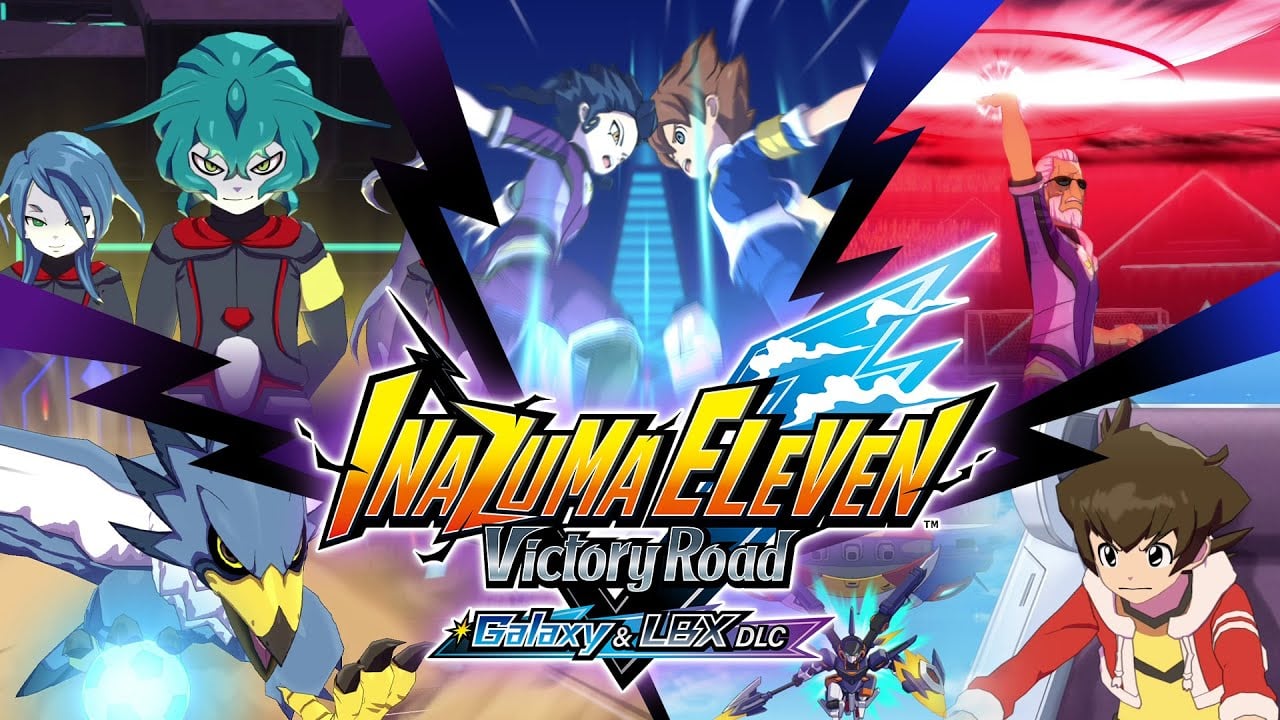
Level-5 is rolling out a free major update for Inazuma Eleven: Victory Road on December 21, 2025, and it is not the kind of update that quietly slips in through the back door. The “Galaxy & LBX” DLC update adds two new story routes, “Galaxy” and “Inazuma VS LBX,” which means we are not just getting a few extra matches, we are getting new paths to play through with their own flavor and reasons to return. The update also brings in the Grand Celesta Galaxy Conquer stadiums, built around planet-specific effects that change how matches feel from the opening whistle. If you have ever wished the pitch itself could push you into different choices, this is that idea taken seriously.
Beyond the routes and stadiums, the feature list is stacked with systems meant to keep the loop moving. We get a new Re-Story option, new BB Stadium Teams, and a 2P Tag Mode for anyone who likes sharing the spotlight and the blame. Commander players also get two big additions: Commander Ladder and High Speed Commander Mode, which together point toward quicker, more structured play for that style. Combination moves are being supported with story-based positioning, aiming for more consistent setups when the narrative wants a specific moment to land. Finally, a brand-new character rarity, FABLED, arrives as a tier stronger than HERO and flexible for builds, with one sharp limitation: only one FABLED character can join each match. To round it out, the Atrium of the Untamed marketplace adds another destination that ties the package together as a real expansion of how we spend our time in Victory Road.
Inazuma Eleven: Victory Road Galaxy & LBX DLC: what arrived on December 21, 2025
December 21, 2025 is the day Level-5 drops the free major update “Galaxy & LBX DLC” for Inazuma Eleven: Victory Road, and the headline is simple: we are getting more ways to play, not just more things to collect. Two new story routes are being added, “Galaxy” and “Inazuma VS LBX,” and they sit alongside a feature list that touches both solo progression and match systems. The update also includes new stadiums, new modes, and new team and rarity layers that affect how we build lineups and how we approach matches. If you have been waiting for a reason to reshuffle your squad and test your habits, this update is designed to poke at your routines. Think of it like upgrading a familiar pair of boots with a different sole and new laces – it still feels like your boots, but the ground under you suddenly feels different.

Grand Celesta Galaxy Conquer stadiums: planet-specific effects and match flow
The Grand Celesta Galaxy Conquer stadiums are one of the most distinctive additions because they bring planet-specific effects into the match environment. Instead of every pitch being “just a pitch,” these stadiums are built to make the setting matter, which changes how we read momentum and how we plan our risk. When the field itself has special rules, we stop playing on autopilot and start paying attention to details we normally ignore, like whether we can afford to take the same passing lanes, the same spacing, or the same timing windows. It is a smart way to make matches feel fresh without asking us to learn an entirely different sport. If the standard pitch is a straight road, these stadiums are the winding scenic route where you still reach the same destination, but you have to steer with both hands.
Planet effects in plain terms: how they change decisions
Planet-specific effects matter most when they push us into different decisions, and that is where the Grand Celesta concept earns its place. When conditions vary by stadium, we naturally start thinking in matchups rather than in “best team always wins” assumptions. We pay more attention to who needs space, who thrives in quick transitions, and who can keep composure when the match rhythm shifts. Even without getting lost in numbers, we can feel the difference when a system encourages us to adapt rather than repeat the same pattern. The fun part is that adaptation is not just a skill check, it is also a personality test. Are we the kind of player who improvises, or the kind who tries to force Plan A until the controller begs for mercy?
A quick pre-match checklist: building for weird conditions
When stadium conditions get strange, a simple checklist keeps us from walking into a match like we forgot our shoes. First, we want a plan for control, meaning we do not rely on a single tempo to carry us. Second, we want at least one reliable option for changing direction of play so we are not stuck pushing into the same congestion. Third, we want a clear “pressure release” option, like a player or pattern that can reset the situation when a push stalls. Fourth, we keep our substitution intent in mind before kickoff, because reacting late often means reacting wrong. None of this requires perfect foresight, it just keeps us from being surprised by the pitch doing pitch things, only louder and with more attitude.
New route: “Galaxy” story route – what we do and why it matters
The “Galaxy” story route is a core piece of this update because it adds a fresh route built around the new galactic theme and its rivals from beyond the stars. The point is not simply “more matches,” it is a different framing for why we are playing those matches and what kind of escalation we are stepping into. With the Grand Celesta stadiums in the mix, the Galaxy route gets a natural identity: we are competing across space-themed venues while pushing toward the top. That setup is perfect for Inazuma Eleven’s brand of dramatic sports storytelling, where the stakes always rise and the opponents never show up quietly. If you like your football with a side of “this is ridiculous and we love it,” Galaxy is clearly built for you.
New route: “Inazuma VS LBX” story route – the crossover angle
“Inazuma VS LBX” is the crossover route, and it stands out because it pulls from Level-5’s LBX universe and bakes that into Victory Road’s structure. Crossovers work when they respect both sides, and the route name alone signals a head-to-head framing that fits a competitive story path. The appeal is the clash of identities: we are taking what feels like a football RPG world and colliding it with a different kind of Level-5 legacy. For players, that often translates into new matchups, new character flavor, and a different energy in how rival encounters are presented. It is the kind of addition that can make a long-time fan grin, because it feels like the studio is having fun with its own toy box, and that energy tends to rub off on us.
New Re-Story: why it exists and how it fits into progression
The update’s “Re-Story” addition is about giving us a structured reason to keep building after we have already seen major beats. In practice, that matters because many players hit a moment where they love their team but run out of “narrative excuses” to keep playing the same kind of matches. Re-Story is a label that signals continued play tied to story framing, which helps progression feel intentional rather than purely grind-driven. It is like getting an extra set of laps on a track, but with the lights turned back on and the crowd returning, so the effort feels seen. For anyone who enjoys tuning squads, testing new combinations, and keeping their roster improving, Re-Story is the sort of addition that quietly extends the life of our time in Victory Road.
New BB Stadium Teams: fresh opponents and fresh problems
New BB Stadium Teams might sound like a simple roster injection, but it is actually one of the most reliable ways to keep match play feeling alive. New teams mean new patterns to read, new habits to break, and new small frustrations that turn into satisfaction once we solve them. Even if we do not know every single lineup detail upfront, the presence of additional BB Stadium opponents signals more variety in the places where we often spend repeated play sessions. Variety matters because repetition is only fun when it is purposeful. A new team can be the difference between “another match” and “a match where we actually have to pay attention,” and attention is where the best Inazuma moments tend to live.
New 2P Tag Mode: teamwork, timing, and controlled chaos
2P Tag Mode is the update’s multiplayer headline, and it is easy to see why it will become a favorite for people who like sharing the couch and talking trash in a friendly way. Tag modes live and die by coordination, because you are not just controlling your own decisions, you are also reacting to someone else’s rhythm. That can be a disaster in the funniest possible way, like two chefs trying to cook in the same kitchen while both insist they own the knife. But when it clicks, it feels great because smart handoffs and synchronized plays create moments that are hard to replicate solo. Tag Mode also gives us a new social reason to play, and social reasons are powerful. They turn matches into stories we retell later, which is basically the secret fuel of any long-running sports game session.
Commander Ladder: a clearer path for Commander play
Commander Ladder is a big deal for anyone who enjoys Commander-style play because it signals a more defined structure around that approach. Ladders are about progression clarity, meaning we can measure improvement, track outcomes, and chase goals that feel concrete rather than abstract. In many games, players enjoy a mode but struggle to explain what “getting better” looks like inside it. A ladder helps solve that by giving us a visible staircase to climb, which is a surprisingly strong motivator when we are deciding what to do with our next hour. It also encourages experimentation, because ladders make us curious about what strategies reliably work across multiple matches rather than in one lucky game. If Commander play is your preferred way to engage, this addition is like someone finally putting clear lane markers on a road you already drive daily.
High Speed Commander Mode: faster matches, faster loops
High Speed Commander Mode is the kind of feature that sounds simple, but it changes how Victory Road fits into real life. Faster play loops mean we can get more done in the same window, whether that window is a lunch break, a late-night “one more match” moment, or the classic “I swear I will go to bed after this” situation. Speed options are also a quality-of-life win because they respect the fact that not every session needs to be cinematic. Sometimes we want the highlights, the progression, and the payoff without stretching every moment. When paired with Commander Ladder, High Speed Commander Mode points to a smoother rhythm where Commander-focused play has both structure and pace. In other words, it helps us spend less time waiting and more time making decisions that actually matter.
Story-based positioning for combination moves: cleaner setups in key moments
Story-based positioning for combination moves is a targeted system change, and it is aimed at making those signature moments land with more consistency. Combination moves are at their best when the setup feels intentional, like the team is reading the same page and the match is building toward a payoff. When positioning support is tied to story context, it helps align what the narrative wants with what the match system can deliver. That reduces friction where we know what the scene is trying to do, but the positioning logic makes it awkward. This is not about removing player agency, it is about making the game better at presenting its own big moments. Think of it like stage lighting in a theater: the actors still act, but the light makes sure we are looking at the right spot when the important line hits.
New character rarity “FABLED”: roster power with a strict rule
FABLED is the new rarity tier being introduced, and Level-5 describes it as stronger than HERO and adaptable to any build, with a very specific restriction: only one FABLED character can join each match. That rule is the balancing lever, and it makes FABLED feel less like “stack your team and win” and more like “pick your trump card wisely.” When a rarity is flexible, it tempts us to treat it as a universal solution, but the one-per-match cap forces a real choice. Do we pick a FABLED player to stabilize weaknesses, to amplify a strength, or to enable a specific playstyle? The limitation also keeps match identity intact, because we still have to build a team around that one standout rather than replacing the whole squad with shiny upgrades. It is power, but with discipline, which is honestly the healthier kind of power in a competitive system.
Marketplace: Atrium of the Untamed – why a new hub matters
The Atrium of the Untamed marketplace is the kind of addition that can quietly change how our sessions feel, because hubs shape the rhythm between matches. A new marketplace implies a new place to interact with systems, pick up options, and move through progression in a way that feels grounded in the world. Even when we are doing practical things, like managing team-related choices or browsing what is available, the setting matters. A well-designed hub makes preparation feel like part of the experience rather than a chore we tolerate between the fun bits. The “Atrium of the Untamed” name also signals personality, which fits Victory Road’s flair for dramatic framing. If matches are the fireworks, a good marketplace is the fuse that keeps the excitement moving forward without sputtering out.
Conclusion
Level-5’s “Galaxy & LBX” free major update for Inazuma Eleven: Victory Road lands on December 21, 2025, and it reads like a real expansion of what we can do day to day. Two new story routes, “Galaxy” and “Inazuma VS LBX,” give us fresh paths with a clear identity, while the Grand Celesta Galaxy Conquer stadiums introduce planet-specific effects that encourage adaptation instead of repetition. On the systems side, we get Re-Story, new BB Stadium Teams, and a 2P Tag Mode that adds a social spark for anyone who likes shared wins and shared blame. Commander-focused play gets a more structured path with Commander Ladder and a smoother pace with High Speed Commander Mode, and combination moves get story-based positioning support to help big moments land cleanly. The new FABLED rarity brings power and flexibility with a strict one-per-match rule that forces meaningful team-building choices, and the Atrium of the Untamed marketplace rounds out the package with a new hub that can reshape how sessions flow. If we wanted a reason to come back, experiment, and keep the game feeling lively, this update brings that reason in multiple directions at once.
FAQs
- When does the “Galaxy & LBX” free major update release?
- Level-5 is releasing the “Galaxy & LBX DLC” free major update for Inazuma Eleven: Victory Road on December 21, 2025.
- What new story routes are included in the update?
- The update adds two new story routes: “Galaxy” and “Inazuma VS LBX.”
- What are the Grand Celesta Galaxy Conquer stadiums?
- They are new stadiums described as having planet-specific effects, designed to make matches feel different depending on the venue.
- What is the new “FABLED” character rarity?
- FABLED is a new character rarity described as stronger than HERO and adaptable to any build, with the restriction that only one FABLED character can join each match.
- What Commander-focused additions are coming in the update?
- The update adds Commander Ladder and High Speed Commander Mode as new features aimed at Commander-style play.
Sources
- INAZUMA ELEVEN: Victory Road (Official Website), inazuma.jp, December 17, 2025
- Inazuma Eleven: Victory Road free major update ‘Galaxy & LBX DLC’ launches December 21, Gematsu, December 17, 2025
- Inazuma Eleven: Victory Road reveals “Galaxy & LBX” update, Nintendo Everything, December 17, 2025
- Level-5 has showcased the major Inazuma Eleven: Victory Road Galaxy & LBX DLC update in a new trailer, RPG Site, December 17, 2025
- Inazuma Eleven: Victory Road Free Update Adds Galaxy and LBX, Siliconera, December 17, 2025