














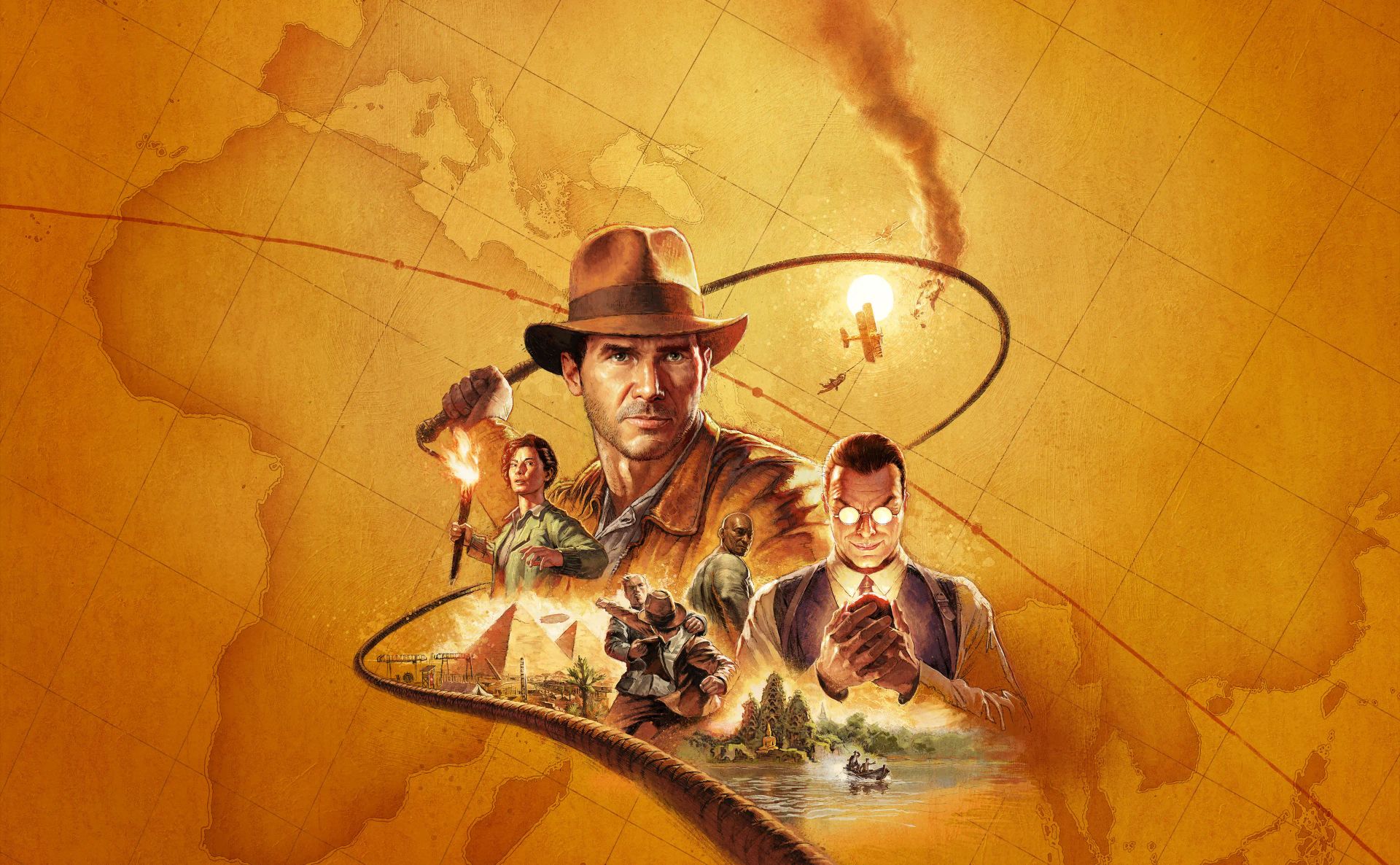
Summary:
Bethesda’s message around Indiana Jones and the Great Circle on Nintendo Switch 2 lands with the kind of clarity physical game fans rarely get anymore: this one is actually on a game card. Not a box with a code. Not a “game-key” workaround that turns your shelf into a fancy receipt. A proper physical release that you can slot in, install whatever updates are needed, and get on with being Indiana Jones in handheld mode like it’s the most normal thing in the world.
That might sound like a small detail, but it hits a very real nerve. Plenty of players still buy physical because it feels permanent, shareable, and collectible. We like knowing the game works even when servers are having a bad day, and we like lending a favorite to a friend without handing over an account password like we’re swapping secret bank details. Bethesda also pinned down the date: Indiana Jones and the Great Circle launches on Nintendo Switch 2 on May 12, 2026. So we are not dealing with a vague window or a “sometime later” shrug. We have a calendar day to circle and a format confirmation that answers the question most collectors ask first.
From here, we can get practical. We can talk about what “full game on cartridge” usually means in the real world, what might still need downloading, how to choose between physical and digital based on your habits, and why Bethesda making a point of this detail could be a signal for how it wants to show up on Switch 2 going forward.
Indiana Jones is coming to Switch 2 with a true physical release
We have a clean headline here: Indiana Jones and the Great Circle is launching on Nintendo Switch 2 with a real physical game card, and the date is set for May 12, 2026. That combination matters because it removes two kinds of uncertainty at once. First, it answers the format question that can make or break a purchase for collectors. Second, it gives everyone a fixed day to plan around, whether that means pre-ordering, budgeting, or clearing a weekend for puzzles, punching, and reckless ladder decisions. Physical releases still carry a certain magic, like a movie ticket stub you can actually hold onto, and Switch owners have always leaned into that vibe. When a publisher goes out of its way to confirm “yes, it’s on the game card,” it is basically waving at the exact crowd that has been asking for fewer workarounds and more ownership.
What Bethesda actually confirmed and why it matters
Bethesda did not leave this to guesswork. The messaging is direct: Indiana Jones and the Great Circle will be available on game card for Nintendo Switch 2, alongside a digital option, and it launches May 12, 2026. Why does that matter beyond bragging rights? Because the physical format is not just nostalgia, it is logistics. Physical often means easier resale, easier sharing, and less dependence on account juggling. It can also mean a smoother launch-day experience for people with slower internet, since you are not pulling down a giant base download just to start playing. The key point is that Bethesda chose to make this detail loud instead of burying it. That suggests it knows physical media is a selling point on Switch 2, not a footnote, and it is treating that audience like it actually exists.
Game card vs game-key card: why collectors care
Let’s be honest: a box that requires a download can feel like buying a pizza box with a photo of pizza inside. Sure, you can still get dinner eventually, but it is not what you thought you paid for. A standard game card is the traditional physical format where the game data is on the cartridge. A game-key style release, by contrast, typically functions as a physical token that unlocks a download. For collectors, that difference is massive. It affects how the game works years from now, how it can be shared, and whether the shelf copy feels like a real product or a decorative label. When Bethesda confirms Indiana Jones is on game card, it is basically saying: the physical version is not just packaging, it is the game. That is the reassurance physical buyers want before they commit.
Why physical still matters in a digital world
Digital is convenient, no argument. We can buy at midnight, preload, and play in pajamas without seeing daylight. But physical still wins in a few very human ways. It feels tangible, like you are adding something real to your library instead of renting space in a menu. It can be gifted, borrowed, traded, and resold. It also helps with storage juggling, which is a constant Switch reality, because not everyone wants to micromanage installs like they are running an air traffic control tower. There is also a trust factor. People have watched storefronts change, delistings happen, and licensing issues pop up. Physical does not solve every modern problem, but it gives players a stronger sense that what they bought is still theirs tomorrow.
What “full game on cartridge” really means in practice
When we say “full game on cartridge,” we are talking about the base experience being playable from the game card rather than requiring a major base download just to start. That is the core promise, and it is the part that matters most for the physical crowd. At the same time, modern releases often still use patches, optional packs, and sometimes language downloads. So we should keep expectations realistic while still appreciating the win. Think of it like buying a book that is complete, but the publisher might still offer a free errata sheet later. The important difference is that you can read the book without first downloading the entire book. For players who value physical ownership, that is the line in the sand.
Day-one updates and optional downloads are still normal
Even with a true game card release, it is normal to see updates at launch. Bugs get fixed, performance gets tuned, and sometimes platform-specific tweaks arrive close to the finish line. That does not automatically undercut the physical format. It is simply how modern games are supported. The key is whether those updates are required to begin playing or simply improve the experience. Optional downloads can also show up for things like extra language packs or bonus items. So the practical move is to plan for at least some patching, especially if you like playing online or want the smoothest performance. The good news is that starting from a game card usually puts you closer to “ready to play” than a code-based physical release ever will.
How to sanity-check the physical version before buying
If you want to be absolutely sure you are getting what you think you are getting, we can take a few simple steps. First, check the product listing language from official channels and reputable retailers, because they usually state whether it is a game card or a download code. Second, look for notes about required downloads, which are sometimes listed as additional data or optional content. Third, keep an eye on publisher messaging, especially when they make a point of confirming the format like Bethesda did here. Finally, if you are buying at retail, the packaging often includes icons or text about download requirements. None of this is complicated, but it saves you from that “wait, why is it downloading 60GB?” moment that ruins the excitement.
The May 12, 2026 release date and what to expect leading up to launch
May 12, 2026 gives us a clean runway. We can expect the usual pre-release rhythm: previews, gameplay snippets, marketing beats, and retailer pages filling out with final details. If you are the kind of person who likes to plan, that date is useful in a very practical way. It tells you when to free storage, when to check for pre-order bonuses, and when to decide whether you want physical on launch day or digital the second the clock flips. It also means the conversation is not stuck in rumor land. We are not arguing about “maybe” or “could be.” We are dealing with a confirmed day, which is refreshing in a world where release windows sometimes feel like weather forecasts.
Why the Switch 2 audience reacts strongly to physical confirmations
Nintendo platforms have always had a strong physical culture. Part of it is the portable lifestyle, because a small collection of cartridges feels like carrying a mini arcade in your bag. Part of it is collector energy, because Nintendo shelves tend to be curated like personal museums. And part of it is simply trust. When players have been burned by code-in-box or access-key style releases, they start asking the format question first, sometimes before they even ask what the game is about. Bethesda leaning into the “yes, it’s on game card” message is a direct response to that reality. It is like a restaurant saying, “Yes, the fries are actually crispy,” because they know that is what people care about.
Physical vs digital: picking the right version for how you play
There is no single right answer here, so we should treat it like choosing shoes. If you commute and want instant access without swapping cartridges, digital can be the comfy everyday pair. If you like collecting, lending, or owning a library you can physically see, the game card is the classic leather boot that never goes out of style. Price can matter too, because physical copies sometimes get discounts faster at retail, while digital offers convenience and occasional eShop promotions. The bigger point is that Bethesda offering both means we can choose based on our habits instead of being forced into one lane. And for people who were on the fence specifically because of format concerns, the physical game card confirmation can be the deciding push.
Who should buy the game card version
If you love physical media, the game card version is the obvious pick, but we can be more specific. It is great for collectors who like building a shelf that tells a story. It is great for families where multiple people share a console and want to swap games without swapping accounts. It is great for anyone with limited bandwidth or unstable internet, because you can start closer to immediately. It is also a smart choice if you might resell or trade later, because physical keeps that option open. Most of all, it is for players who want the comfort of ownership. Not the abstract “license” feeling, but the simple satisfaction of holding the game in your hand.
Who should go digital instead
Digital shines if you value convenience above all else. If you bounce between games often, digital avoids cartridge swaps. If you travel and want your whole library in one place, digital can be a relief. It also works well if you like preloading and jumping in the second the game unlocks. Some players also prefer digital because it is quieter, in a sense. No physical clutter, no boxes, no storage space in your home. That said, digital should be a choice you make because it fits your lifestyle, not because physical is compromised. In this case, physical is not compromised, which is exactly why the choice feels better.
Storage, updates, and downloads: the fine print you should plan for
Even with a true game card, we should plan like adults who have been through launch week before. Updates can arrive, and optional downloads can show up. That means you want some free space available, especially if you like having multiple big games installed at once. It is also worth thinking about your microSD or internal storage habits. Do you keep everything installed, or do you rotate? Are you the type to delete screenshots to make room, or do you hoard them like treasured postcards? None of this is meant to scare anyone. It is just the practical side of modern gaming. The difference is that with a game card, you are starting from a stronger position than you would with a download-only “physical” box.
A quick pre-launch checklist that saves headaches
We can keep this simple. First, make sure you have enough storage for updates and any optional downloads. Second, update your system software ahead of time so you are not doing everything at once on launch day. Third, decide whether you are buying retail or eShop, because that affects when you want to download patches. Fourth, if you care about playing the moment it releases, consider when you will actually have time to pick up a physical copy if you are not getting it delivered. Finally, if you are sharing a console, coordinate who is buying what so you do not end up with duplicate purchases. Launch day is more fun when it is not a logistics puzzle.
Why this decision could move the needle for Switch 2 sales
A true physical release is not just fan service, it can be a sales lever. Switch audiences include collectors and families, two groups that often buy physical more than average. When a major third-party release shows up with a real cartridge, it signals seriousness. It tells hesitant buyers that the platform is getting “real versions,” not compromised packages. It also plays well at retail. A physical game card on a shelf is a marketing billboard you can touch. People discover games while browsing, and impulse buys still happen when the product feels complete. Bethesda confirming the game card format also creates goodwill. And goodwill matters, because it can turn “maybe later” into “fine, take my money” faster than any flashy trailer can.
Physical trust is a weirdly powerful marketing tool
Trust is not glamorous, but it is everything. When players trust that the box contains the game, they are more likely to buy without hesitation. When they do not trust it, they start researching, comparing, and second-guessing, and that is where purchases die. Bethesda’s direct confirmation cuts through that friction. It also invites word-of-mouth in the best way. Physical fans love telling other physical fans when a publisher does the right thing, and that chatter spreads fast. It is like a neighborhood recommendation for a mechanic who actually fixes the car instead of inventing problems. Once that reputation forms, it helps every future release.
Retail, pre-orders, and launch day habits that help you avoid headaches
If you want the game card version on day one, the safest move is to plan ahead. Retail stock can vary, and popular releases can sell out in specific stores or regions. Pre-ordering is not mandatory, but it can reduce stress if you are the kind of person who hates uncertainty. If you prefer browsing in-store, check whether your usual shop tends to receive shipments early in the day or later, because that can decide whether you grab it at lunch or after work. If you order online, pay attention to delivery windows and whether the seller is known for launch-day arrivals. It is not glamorous, but it saves you from staring out the window like a disappointed golden retriever.
How to pick the edition that fits your habits
Before you lock in an order, it helps to ask yourself a few honest questions. Do you replay games often, or do you finish and move on? Do you lend games to friends or family? Do you care about keeping a collection long term? Do you have reliable internet for big patches and downloads? If physical ownership is part of your identity as a player, the game card version will feel better every time you see it on the shelf. If you value instant access and hate swapping cartridges, digital might fit your routine more smoothly. The nice part is that this release lets us choose without feeling like we are accepting a compromise.
What this signals for Bethesda’s future Switch 2 strategy
When a publisher highlights a true physical release, it can be read as a test and a statement at the same time. It is a test because sales data will show whether the physical audience is big enough to justify cartridges for future titles. It is a statement because it tells Nintendo players that Bethesda is paying attention to how this community buys games. The Switch ecosystem has always been a little different from the console crowd that went all-in on digital years ago. Nintendo fans still show up for cartridges, collectors editions, and shelf appeal. By leaning into a game card release for Indiana Jones and the Great Circle, Bethesda is aligning itself with that culture. If it sees strong results, it would not be surprising to see more physical-friendly decisions down the line.
Why one clear win can change the conversation
Gaming conversations can be brutally simple. One bad format decision can dominate headlines and drown out everything else. One good decision can do the opposite. When Bethesda says “yes, it’s on game card,” it creates a positive talking point that spreads. Suddenly the discussion is not just about what the Switch 2 can run, it is about how publishers are treating the audience. That tone shift matters. It makes people more open to buying, more open to recommending, and more open to trusting future announcements. In a market where attention is scarce, a clean win like this is worth more than it looks on paper.
Conclusion
Indiana Jones and the Great Circle landing on Nintendo Switch 2 on May 12, 2026 is already a notable release, but the real headline for many players is the format: Bethesda has confirmed a true physical game card version. That is the kind of detail that can turn casual interest into a confident purchase, especially for people who collect, share, or simply prefer owning something tangible. We still live in a world where updates and optional downloads are normal, so planning ahead for storage and launch-day patches is smart. But the big point stays the same: this is not a box-as-a-download-token situation. It is a proper physical release choice, offered alongside digital, and it respects how a huge slice of the Switch audience likes to buy games. If you have been waiting for a major third-party launch that feels like it belongs on a Nintendo shelf, this one is waving directly at you.
FAQs
- Is Indiana Jones and the Great Circle on Switch 2 a real cartridge release?
- Yes. Bethesda confirmed the Switch 2 physical version is on a game card, meaning it is not a game-key style release that only unlocks a download.
- When does Indiana Jones and the Great Circle launch on Nintendo Switch 2?
- The confirmed release date is May 12, 2026.
- Does “on game card” mean there will be zero downloads?
- Not necessarily. A true game card release usually means the base game is on the card, but updates and optional downloads can still exist, which is normal for modern releases.
- Should we buy physical or digital?
- Physical is ideal if you collect, lend games, or want resale flexibility. Digital is great if you want instant access and prefer not to swap cartridges. The good news is that this release supports both styles.
- Why are people excited about this format confirmation?
- Because some physical boxes in the market do not include the game data and instead require a full download. A confirmed game card release restores trust and feels more like real ownership.
Sources
- And yes, the game is on Game Card. #IndianaJones, Bethesda (X), February 5, 2026
- Indiana Jones and the Great Circle swings onto Nintendo Switch 2 on May 12, Bethesda (X), February 5, 2026
- Bethesda’s New Switch Games Come With Great Or Terrible News For Physical Game Fans, GameSpot, February 5, 2026
- Indiana Jones and the Great Circle is the only Bethesda game coming to Nintendo Switch 2 that will have a physical edition cartridge, TechRadar, February 6, 2026
- Latest Nintendo Direct: Partner Showcase 2.5.2026 features new and classic titles coming to Nintendo Switch 2 and Nintendo Switch, Nintendo, February 6, 2026
- Indiana Jones and the Great Circle, Nintendo, February 2026