














Summary:
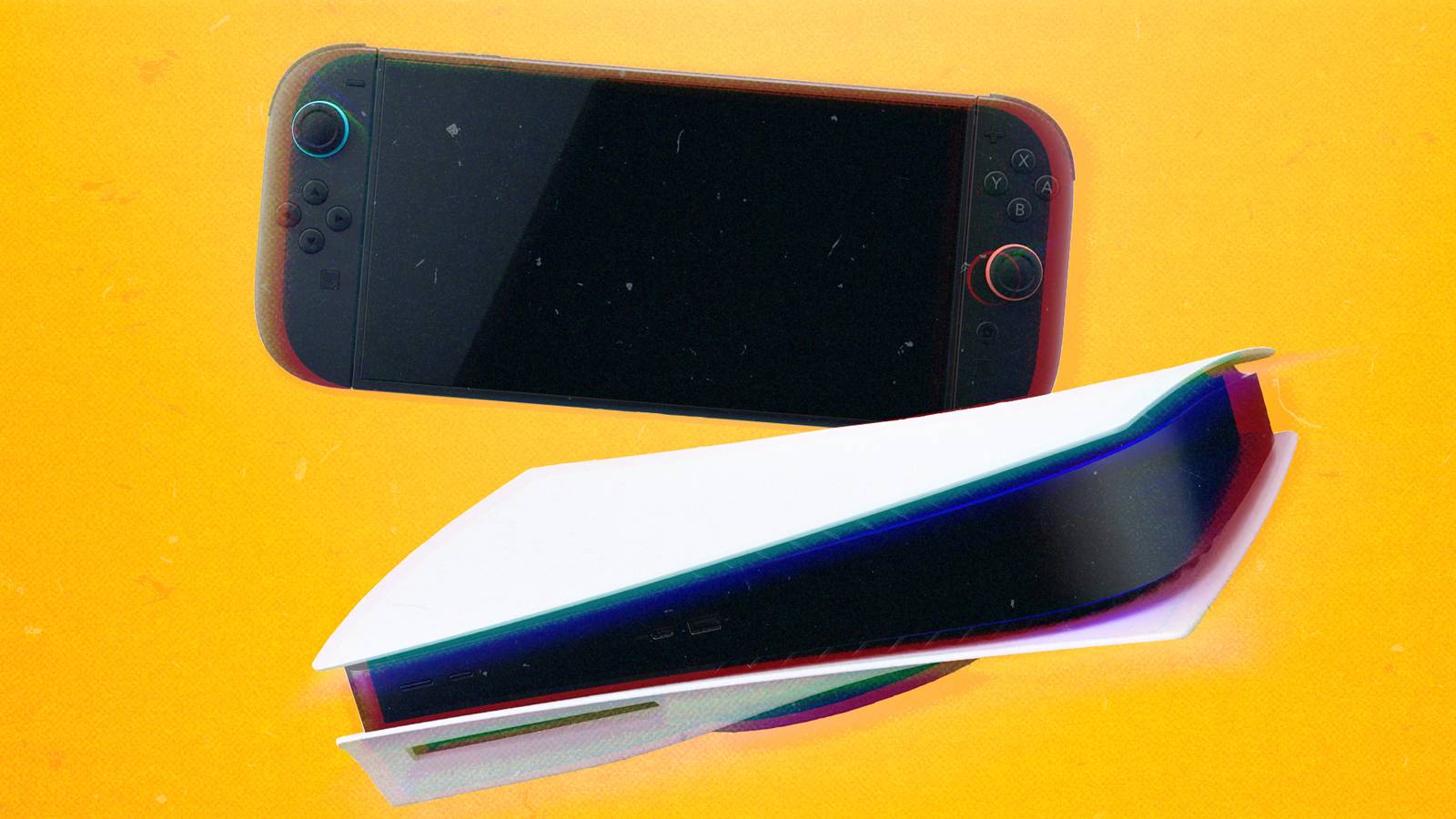
Japan’s console market has a talent for making “obvious” narratives look silly. You’d think a shiny new generation would instantly drain attention from older hardware, and you’d also think a cheaper, region-focused console push would spark a noticeable swing. Yet the recent comparison making the rounds lands on the opposite vibe: even after Nintendo Switch 2 arrived in Japan, the original Switch family kept selling briskly, and it continued to outpace PlayStation 5 over the same stretch. The headline figures being shared from Famitsu-tracked hardware totals put the legacy Switch family at more than 845,000 units since Switch 2’s Japanese launch, while PS5 sits around 545,000 units in that same window, despite Sony taking a very targeted swing with a Japan-only, lower-priced PS5 model.
What makes this interesting is not the dunking contest. It’s the “why would that happen?” part. The original Switch has a weird superpower in Japan: it stays easy to buy, easy to understand, and easy to fit into daily life. Handheld play is not a side feature there, it’s a lifestyle match. Meanwhile, PS5 has global strength, but Japan is a market where momentum depends on a tight mix of pricing, software cadence, and habit. A lower-priced model can help, but it doesn’t automatically change how people live, commute, or choose what to play with friends. These numbers also come with a warning label: sales tracking tells us what moved through retail, not what people felt, wanted, or planned to buy later. Still, the signal is real enough to take seriously: Switch 1 demand did not collapse when Switch 2 showed up, and Sony’s targeted move did not immediately flip the scoreboard.
Market snapshot: what the Japan numbers are saying about Nintendo Switch
When people talk about Japan’s hardware race right now, the conversation often jumps straight to the newest machine in the room. That’s normal. New systems bring fresh headlines, launch-week charts, and endless “is this the moment?” energy. What’s more revealing, though, is what happens after the confetti gets swept up. The comparison circulating from Famitsu-tracked hardware totals points to something quietly dramatic: after Nintendo Switch 2 launched in Japan on June 5, 2025, the older Switch family kept moving meaningful volume, and it did so at a faster pace than PlayStation 5 across the same period. That’s not a tiny edge that disappears if you blink. It’s a reminder that Japan’s market rewards convenience, familiarity, and software habits just as much as it rewards shiny new tech.
The specific comparison: legacy Switch family vs PS5 family
Let’s pin down what’s actually being compared, because the words matter. The figures being shared describe the original Nintendo Switch family’s sales since the Switch 2 launch in Japan, totaling more than 845,000 units, while the PlayStation 5 family totals roughly 545,000 units in that same window. This kind of comparison is about households making real choices at the store: “Do we buy the known quantity that already has everything we want?” versus “Do we jump into the ecosystem that feels more premium but also more demanding?” It’s also about how a platform fits into daily routines. If you’re buying a second system for the kids, grabbing a lighter handheld-style option, or simply replacing old hardware, the legacy Switch lineup has a straightforward pitch that keeps working even with a newer Nintendo system on the shelves.
Sony’s Japan-only PS5 move and why it mattered on paper
Sony didn’t sit still. One of the more striking responses was a Japan-exclusive PS5 Digital Edition priced lower than standard models in the region, positioned as a direct attempt to reduce friction in a price-sensitive environment. On paper, that’s a smart, targeted play. Japan has dealt with currency pressure and consumer price sensitivity, and a region-focused hardware SKU can feel like Sony saying, “We hear you.” The Financial Times reported this Japan-only PS5 Digital Edition pricing and the idea that it would require a Japanese PlayStation account, a choice that signals Sony was treating the problem as a local-market issue rather than a one-size-fits-all global decision. It’s the kind of move that should create a bump, at least in theory, because it gives fence-sitters a new excuse to jump in.
Why the “cheaper model” story did not instantly rewrite the scoreboard
Price helps, but it’s not a magic wand. Think of pricing like lowering the step into a swimming pool: it makes entry easier, but it doesn’t guarantee everyone suddenly wants to swim. For PS5 in Japan, the barrier is rarely just the yen amount on the box. It’s also about what people expect to do with the system once it’s home. If someone’s gaming time is built around handheld sessions on trains, quick bursts between work and dinner, or family-friendly multiplayer in cramped living spaces, the decision is shaped by lifestyle as much as wallet. A cheaper PS5 can attract new buyers, but it still needs a “why now?” moment that fits how people play. Without that, the move can look bold in headlines while the weekly totals remain stubbornly steady.
Why price changes do not always create a surge
Japan’s market can be brutally honest about value. A price change matters most when it lines up with a must-play release, a cultural moment, or a clear usage upgrade. If those pieces do not land together, you get a scenario where the hardware is “more affordable,” yet the average person still shrugs and keeps doing what they already do. Another wrinkle is that console buying is often a household decision. Parents and partners do not just ask “how much?” They ask “where will it go?” and “who will use it?” If the answer is “it’s mainly for one person and it lives under the TV,” that competes differently than “everyone can use it anywhere.” That difference in day-to-day utility can blunt the effect of even a well-aimed price strategy.
Nintendo’s two-track moment: Switch 2 hype, Switch 1 practicality
Nintendo is in a rare position where the new system does not automatically cannibalize the old one. Switch 2 can be the premium lane, while the original Switch family remains the “it just works” lane. That’s not accidental. The Switch brand trained people to expect flexibility: handheld, docked, quick sharing, easy local play. When Switch 2 arrives, it upgrades the ceiling, but it doesn’t necessarily change the floor. For many buyers, the floor is enough. If the older Switch models still play the games you care about, still fit your routine, and still feel like good value, then Switch 2 being available does not automatically make the legacy hardware irrelevant. It can even create a psychological discount effect: the older system feels like a safer buy because a newer one exists.
The quiet power of “good enough” hardware
“Good enough” sounds like faint praise, but in consumer behavior it’s a monster. Once a platform is good enough to deliver the fun reliably, improvements beyond that start to matter less for a large part of the audience. Some players absolutely chase performance, resolution, and premium features. Others chase frictionless play: fast pickup-and-play, a friendly library, and a device that doesn’t demand the living room TV every time. The original Switch family still hits that sweet spot. It’s like a reliable bicycle in a city where cycling is practical. A faster bike exists, sure, but if the current one already gets you everywhere you need to go, a lot of people keep pedaling happily.
The role of families, commuting, and play styles in Japan
It’s hard to overstate how much play style shapes Japan’s hardware decisions. Handheld play is not a niche there, it’s often the default. Commuting culture, smaller living spaces, and the appeal of gaming in short sessions all give Nintendo’s hybrid identity a structural advantage. That matters even if PS5 has excellent games, strong online services, and impressive tech. The question becomes: does the system match the rhythm of daily life? For many households, the original Switch models remain the easiest “yes” to that question. They’re also a common second console choice, which is exactly the kind of purchase that stays resilient even when economic conditions feel tight.
How multiple models keep the Switch family visible
The legacy Switch family isn’t one box on a shelf. It’s a lineup with different price points and use cases, and that gives retailers more ways to sell it. Someone who wants the best handheld screen might lean OLED. Someone who wants the cheapest entry might lean Lite. Someone who wants the classic flexible setup might grab the standard model. That variety means the platform keeps catching different buyers for different reasons, week after week. Meanwhile, PS5’s identity is clearer and more unified: it’s a premium home console experience. That clarity can be a strength, but it also narrows the situations where it feels like the obvious pick.
Software gravity: how releases keep systems moving
Hardware sales do not float in empty space. They move with software gravity. When a platform has a library people already trust, it benefits from “comfort buying.” That’s the kind of purchase where someone does not need to research for hours. They already know what they’ll play, because friends play it, kids talk about it, and the store shelves keep shouting it at them. Nintendo’s ecosystem in Japan has historically had a strong pull, and the Switch era only amplified that. PS5 has big global hits, but Japan’s market responds strongly to local tastes, local communities, and specific franchise heat. If the timing of major “must-play” moments doesn’t align with the hardware pitch, sales can look sluggish even if the platform is doing fine elsewhere.
The “what can we play together tonight?” factor
Here’s a surprisingly powerful sales driver: the moment someone asks, “What can we play together tonight?” If a platform consistently answers that question with familiar options, it stays sticky. Local multiplayer, party-friendly titles, and games that don’t require a huge time investment can keep a system moving long after launch. This is where Nintendo often shines in Japan, because the brand has trained people to expect accessible fun. PS5 can deliver incredible shared experiences too, but the default perception leans more “big TV, big game, longer sessions.” Even when that perception isn’t fully fair, perception still shapes shopping behavior.
A small detail that snowballs: where the library already lives
Digital libraries and account history matter more than people admit. If your household already owns a pile of games on one platform, buying another system can feel like starting over, even if the new system is exciting. That inertia is not just financial, it’s emotional. People like their routines. They like their familiar menus. They like knowing where everything is. The legacy Switch family benefits from years of built-up ownership, and that can keep sales steady even when a new generation arrives. PS5 also benefits from ecosystem loyalty, but in Japan it’s competing with a Nintendo platform that’s been deeply woven into everyday play for a long time.
Retail reality: availability, bundles, and what’s on shelves
Sales tracking reflects what people actually managed to buy, not only what they wanted. Availability can quietly decide winners and losers in weekly totals. If one platform is easy to find, has clear bundles, and shows up everywhere from big electronics chains to smaller shops, it stays in the conversation. Famitsu-style weekly reporting often highlights how multiple Switch family models continue to post consistent numbers. That matters because consistency builds mindshare. It tells shoppers, “this is normal to buy right now.” If PS5 stock, model variety, or bundle value doesn’t feel as consistently visible, the platform can struggle to convert interest into purchases, even when demand exists.
What hardware totals miss: digital libraries and player habits
It’s tempting to treat hardware totals like a final verdict, but they’re more like a snapshot photo. They do not show what percentage of owners are actively playing. They do not show software attach rates in the moment. They do not show how much time people spend in free-to-play games or subscription libraries. They also do not show the “waiting” behavior where someone plans to buy later, perhaps when a specific game arrives or when the household budget resets. So when we see the legacy Switch family outpacing PS5 across this particular post-Switch 2 window, the most honest takeaway is not “PS5 is doomed.” The takeaway is that Nintendo’s older platform is still converting purchases at a surprisingly strong clip, and Sony’s local pricing swing did not immediately overpower the habits that keep Switch moving.
How to read Famitsu-style tracking without overreacting
Famitsu-tracked numbers are widely referenced because they offer consistent weekly visibility into Japan’s retail movement, and that makes them useful for comparisons like this. The specific totals being shared here were compiled and circulated by a sales tracker drawing from Famitsu hardware reporting, then repeated by multiple outlets. That’s valuable as a directional signal, especially when the gap is large enough to be meaningful. Still, the healthiest way to read it is like reading the scoreboard mid-game. It tells you who’s ahead right now, not how the season ends. The story can change quickly if a major release lands, if bundles shift, or if the market’s mood swings. Japan is famous for sudden bursts of momentum when the right software and the right pricing align at the right time.
What to watch next in Japan’s console race
If you want the next clues, watch for moments when hardware strategy and software timing line up. For Nintendo, it’s about whether Switch 2 supply and key releases pull more buyers upward, and whether the legacy Switch models remain positioned as the friendly, affordable lane. For Sony, it’s about whether the Japan-only hardware push is paired with a sustained run of releases that feel essential to Japan’s audience, and whether value messaging becomes clearer at retail. Also watch weekly tracking for “shape,” not just totals. Are numbers steady, climbing, or spiking around specific launches? Those patterns often explain more than a single headline comparison. For now, the most interesting signal is simple: even with a new Nintendo generation on shelves, the older Switch family is still selling like it has somewhere to be.
Conclusion
Japan’s recent hardware comparison flips a common expectation on its head. Rather than fading into the background after Switch 2’s launch, the original Switch family kept selling at a pace that, in the shared Famitsu-tracked totals, outstripped PS5 across the same post-launch window. Sony’s Japan-only, lower-priced PS5 Digital Edition was a serious attempt to lower barriers, but pricing alone did not instantly change the lived reality of how people in Japan buy and play. The legacy Switch lineup still fits daily routines, still benefits from model variety, and still rides the pull of an ecosystem that feels familiar and easy to commit to. The right way to read this is not as a permanent verdict, but as a clear signal of what’s working right now: convenience and habit are powerful, and Japan’s market rewards the platform that meets players where they actually are.
FAQs
- What exactly is being compared in the Switch vs PS5 numbers?
- The comparison being circulated focuses on estimated retail sell-through totals in Japan for the original Switch family versus the PS5 family over the same period after Switch 2 launched in Japan, based on Famitsu-tracked hardware reporting compiled and shared by a sales tracker.
- Does a cheaper PS5 model guarantee higher sales in Japan?
- No. A lower price can reduce friction, but hardware sales also depend on timing, software momentum, play habits, and whether the system fits everyday routines in the market.
- Why can the original Switch keep selling even after Switch 2 launches?
- Because many buyers still want an affordable, familiar, portable-friendly system with a huge existing library, and the older Switch lineup offers multiple models that match different budgets and use cases.
- Are these sales totals the same as global shipments?
- No. The figures being discussed here refer to Japan retail tracking style totals, which are used for market comparisons, and they are separate from global shipment disclosures by platform holders.
- What should we watch next if we want to see the trend change?
- Watch for major release timing, new bundles, supply shifts, and whether weekly sales patterns for each platform start to spike or trend upward over multiple reporting periods rather than relying on a single snapshot.
Sources
- Japan: Even Nintendo Switch sales have been higher than PS5 since Switch 2 launched, My Nintendo News, February 28, 2026
- Nintendo Switch Sales Have Been Higher Than PS5 In Japan Since The Launch Of Switch 2, Twisted Voxel, February 27, 2026
- Nintendo Switch (1) sold over 845,000 units since Nintendo Switch 2 released in Japan (comparison post), Pierre485_ on X, February 2026
- Nintendo Switch 2 to be released on June 5, 2025, Nintendo (Corporate Release), April 2, 2025
- Sony launches cheaper Japan-only PlayStation 5 console, Financial Times, November 2025